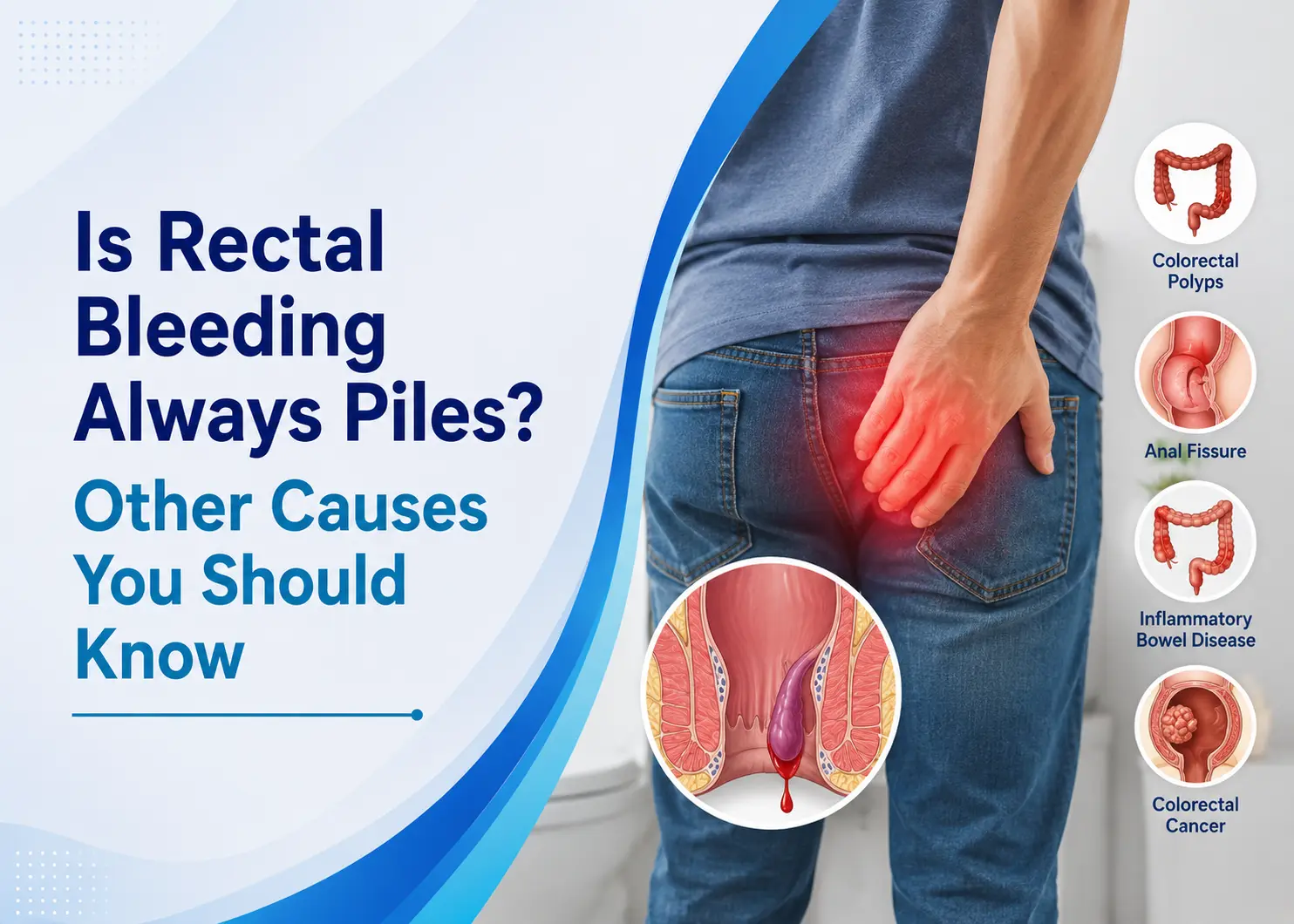
Seeing blood after passing stool can be frightening. Many people immediately assume they have piles (hemorrhoids), but Is Rectal Bleeding Always Piles? The answer is no. Although piles are one of the most common causes of rectal bleeding, several other medical conditions can also lead to bleeding from the rectum. Some are minor and easily treatable, while others require prompt medical attention.
Ignoring rectal bleeding or treating it with over-the-counter medicines without knowing the actual cause can delay proper treatment. Anyone experiencing persistent or recurrent bleeding should consult a healthcare professional for an accurate diagnosis. Patients looking for piles treatment in Kota should first undergo a thorough evaluation to determine the exact cause of their symptoms.
At Jain Surgical Hospital, patients receive comprehensive evaluation and advanced treatment for piles and other anorectal disorders using modern diagnostic techniques and minimally invasive procedures.
Understanding Rectal Bleeding
Rectal bleeding refers to the passage of bright red, dark red, or maroon-colored blood from the anus or in the stool.
The bleeding may appear:
- On toilet paper
- In the toilet bowl
- Mixed with stool
- Coating the surface of stool
The amount of blood can vary from a few drops to significant bleeding. Regardless of the quantity, rectal bleeding should never be ignored.
Is Rectal Bleeding Always Piles?
The simple answer is no.
While hemorrhoids are one of the leading causes of rectal bleeding, they are not the only explanation. Many conditions affecting the digestive tract, rectum, or anus can produce similar symptoms.
Only a proper medical examination can determine whether the bleeding is caused by piles or another underlying condition.
Piles (Hemorrhoids)
Piles are swollen veins located inside or around the anus.
Common symptoms include:
- Bright red blood after passing stool
- Pain or discomfort
- Itching around the anus
- Swelling
- A lump near the anal opening
Bleeding from piles is usually painless, especially in internal hemorrhoids. Patients requiring advanced laser piles treatment Kota often experience faster recovery with minimally invasive techniques.
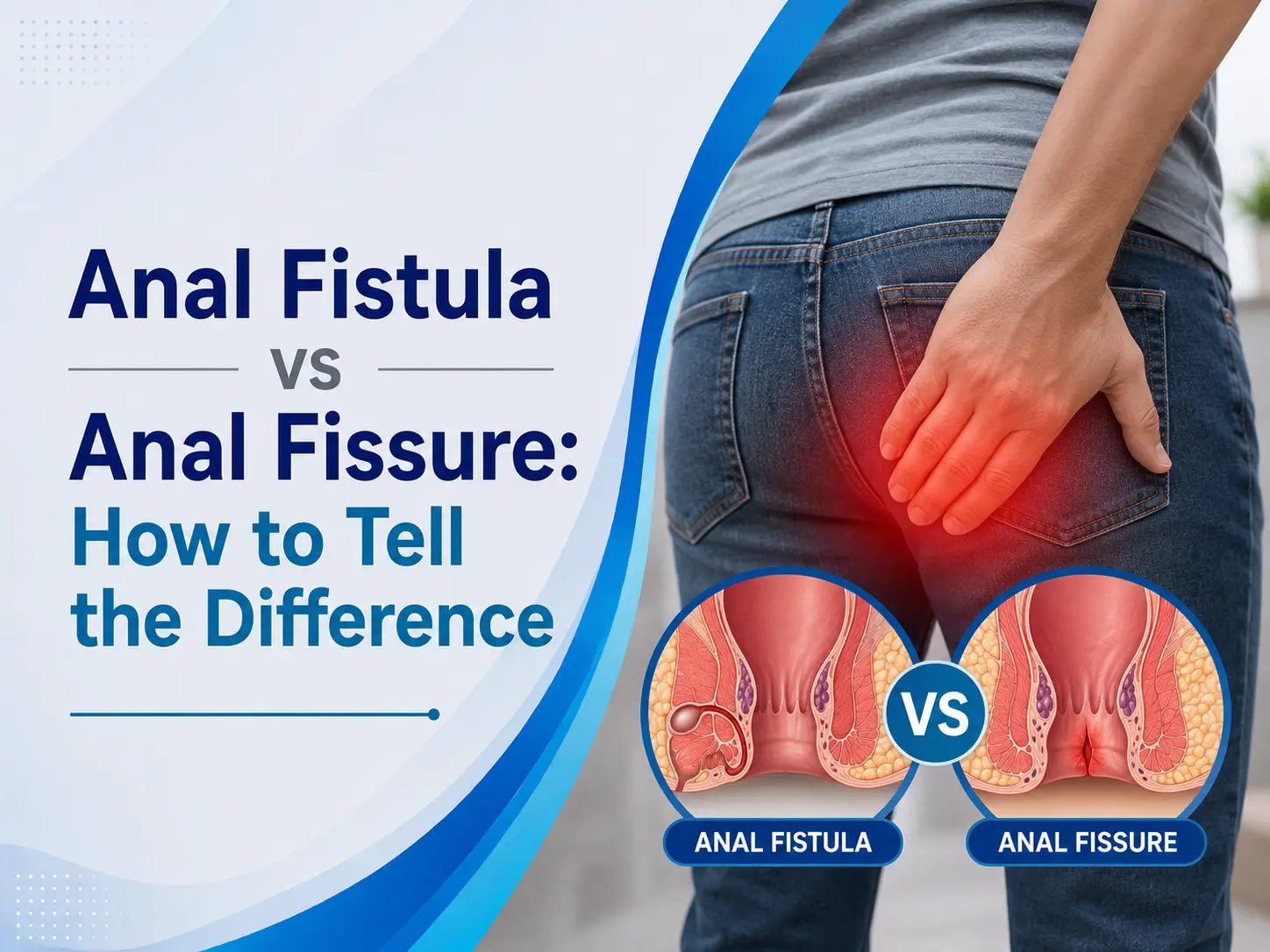
Anal Fissure
An anal fissure is a small tear in the lining of the anal canal.
Unlike piles, fissures often cause:
- Sharp pain during bowel movements
- Burning sensation
- Bright red bleeding
- Pain lasting after passing stool
Constipation and passing hard stools are common causes of anal fissures.
Anal Fistula
An anal fistula is an abnormal tunnel that develops between the anal canal and the surrounding skin.
Symptoms may include:
- Persistent discharge
- Swelling
- Pain
- Occasional bleeding
- Recurrent infections
Fistulas usually require surgical treatment for complete healing.
Colorectal Polyps
Polyps are abnormal growths that develop on the lining of the colon or rectum.
Many polyps do not produce symptoms, but some may cause:
- Rectal bleeding
- Blood mixed with stool
- Changes in bowel habits
Certain polyps can become cancerous over time, making early diagnosis important.
Inflammatory Bowel Disease (IBD)
Inflammatory bowel diseases such as ulcerative colitis and Crohn’s disease can also cause rectal bleeding.
Additional symptoms include:
- Persistent diarrhea
- Abdominal pain
- Weight loss
- Fatigue
- Urgency to pass stool
These conditions require long-term medical management.
Diverticular Disease
Small pouches may develop in the wall of the large intestine, especially with increasing age.
Sometimes these pouches bleed, resulting in painless rectal bleeding.
Although bleeding may stop on its own, medical evaluation is still necessary.
Colorectal Cancer
One of the most serious causes of rectal bleeding is colorectal cancer.
Warning signs may include:
- Blood in stool
- Unexplained weight loss
- Persistent abdominal pain
- Change in bowel habits
- Fatigue
Although rectal bleeding does not automatically mean cancer, it should always be investigated, especially in adults over 45 or those with a family history.
Infections of the Intestine
Certain bacterial or parasitic infections may cause:
- Bloody diarrhea
- Fever
- Abdominal cramps
- Dehydration
Proper diagnosis helps determine the need for antibiotics or other treatment.
Common Symptoms That Require Immediate Medical Attention
Seek prompt medical care if rectal bleeding is associated with:
- Heavy bleeding
- Severe abdominal pain
- Dizziness or fainting
- Black or tarry stools
- Persistent vomiting
- Rapid heartbeat
These symptoms may indicate a more serious medical condition requiring urgent treatment.
How Doctors Diagnose the Cause of Rectal Bleeding
Diagnosis begins with a detailed medical history and physical examination.
Additional investigations may include:
Digital Rectal Examination
Helps identify piles, fissures, or masses.
Anoscopy or Proctoscopy
Allows direct examination of the anal canal and lower rectum.
Colonoscopy
Recommended when bleeding may originate from the colon or when cancer screening is needed.
Blood Tests
Evaluate anemia and signs of infection.
Accurate diagnosis ensures appropriate treatment rather than simply treating symptoms.
Treatment Depends on the Underlying Cause
There is no single treatment for rectal bleeding because management depends on the diagnosis.
Treatment options may include:
- Dietary changes
- Increased fluid intake
- Medications
- Stool softeners
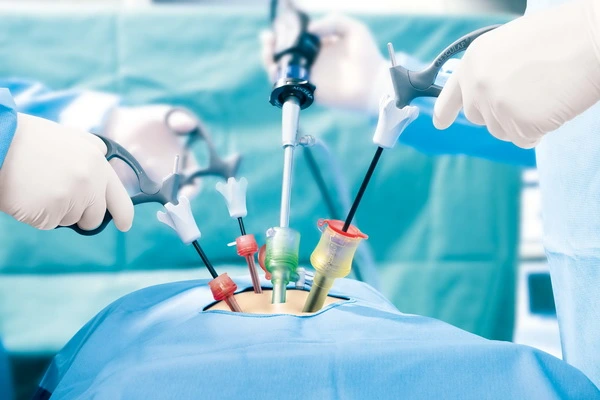
- Minimally invasive procedures
- Surgery
Patients diagnosed with hemorrhoids may benefit from piles treatment in Kota, while more advanced cases may require treatment at a specialized piles surgery hospital in Kota.
Preventing Rectal Bleeding
While not every cause is preventable, healthy lifestyle habits can reduce the risk of several anorectal conditions.
Helpful tips include:
- Eat a high-fiber diet
- Drink adequate water
- Avoid prolonged constipation
- Exercise regularly
- Avoid prolonged sitting on the toilet
- Seek treatment for digestive disorders early
These simple measures support overall bowel health.
Why Choose Jain Surgical Hospital?
Jain Surgical Hospital offers comprehensive care for patients experiencing rectal bleeding and other colorectal conditions.
Services include:
- Advanced evaluation of anorectal disorders
- Treatment for piles, fissures, and fistulas
- Minimally invasive laser procedures
- Colon and rectal disease management
- Personalized treatment plans
- Post-treatment follow-up care
Patients searching for the best piles doctor in Kota, best hospital in Kota, or advanced laser piles treatment Kota can benefit from expert care focused on accurate diagnosis and long-term relief.
Frequently Asked Questions (FAQs)
Is blood in the stool always caused by piles?
No. Blood in the stool can result from piles, anal fissures, infections, inflammatory bowel disease, polyps, or colorectal cancer. A proper medical evaluation is essential.
When should I worry about rectal bleeding?
You should seek medical attention if bleeding is heavy, recurrent, associated with severe pain, black stools, dizziness, unexplained weight loss, or changes in bowel habits.
Can piles be treated without surgery?
Yes. Mild piles often improve with dietary changes, medications, and lifestyle modifications. Advanced cases may require minimally invasive procedures or surgery.
Understanding Is Rectal Bleeding Always Piles? is important because not every episode of rectal bleeding is caused by hemorrhoids. While piles remain one of the most common reasons for bleeding during bowel movements, conditions such as anal fissures, fistulas, inflammatory bowel disease, polyps, infections, and colorectal cancer can produce similar symptoms.
Early diagnosis allows doctors to identify the exact cause and recommend the most appropriate treatment. Ignoring rectal bleeding or assuming it is only piles can delay the diagnosis of more serious conditions. Whether the problem is minor or requires specialized care, prompt medical evaluation offers the best chance for effective treatment and a quicker recovery.
At Jain Surgical Hospital, patients receive expert diagnosis, advanced treatment options, and compassionate care for piles and other anorectal disorders, helping them regain comfort and improve their quality of life.
Book Your Consultation Today
If you are experiencing rectal bleeding, pain during bowel movements, or other anorectal symptoms, schedule a consultation at Jain Surgical Hospital. Our experienced specialists provide accurate diagnosis, advanced piles treatment in Kota, and personalized care to help you achieve lasting relief.