
Recognizing the Early Symptoms of Hernia can make a significant difference in treatment outcomes and recovery. Unfortunately, many people ignore the initial warning signs because they are often mild, painless, or mistaken for muscle strain, indigestion, or normal aging. As a result, hernias frequently go undiagnosed until they become larger, more painful, or develop complications.
A hernia occurs when an internal organ or tissue pushes through a weak area in the surrounding muscle or connective tissue. While hernias may develop gradually, early diagnosis can help prevent serious complications and allow patients to benefit from less invasive treatment options. Many individuals seeking hernia treatment in Kota are surprised to learn that their symptoms started months or even years before they sought medical attention.
At Jain Surgical Hospital, patients receive expert diagnosis and advanced treatment options, including Laparoscopic hernia surgery in kota, designed to provide faster recovery and long-term relief.
What Is a Hernia?
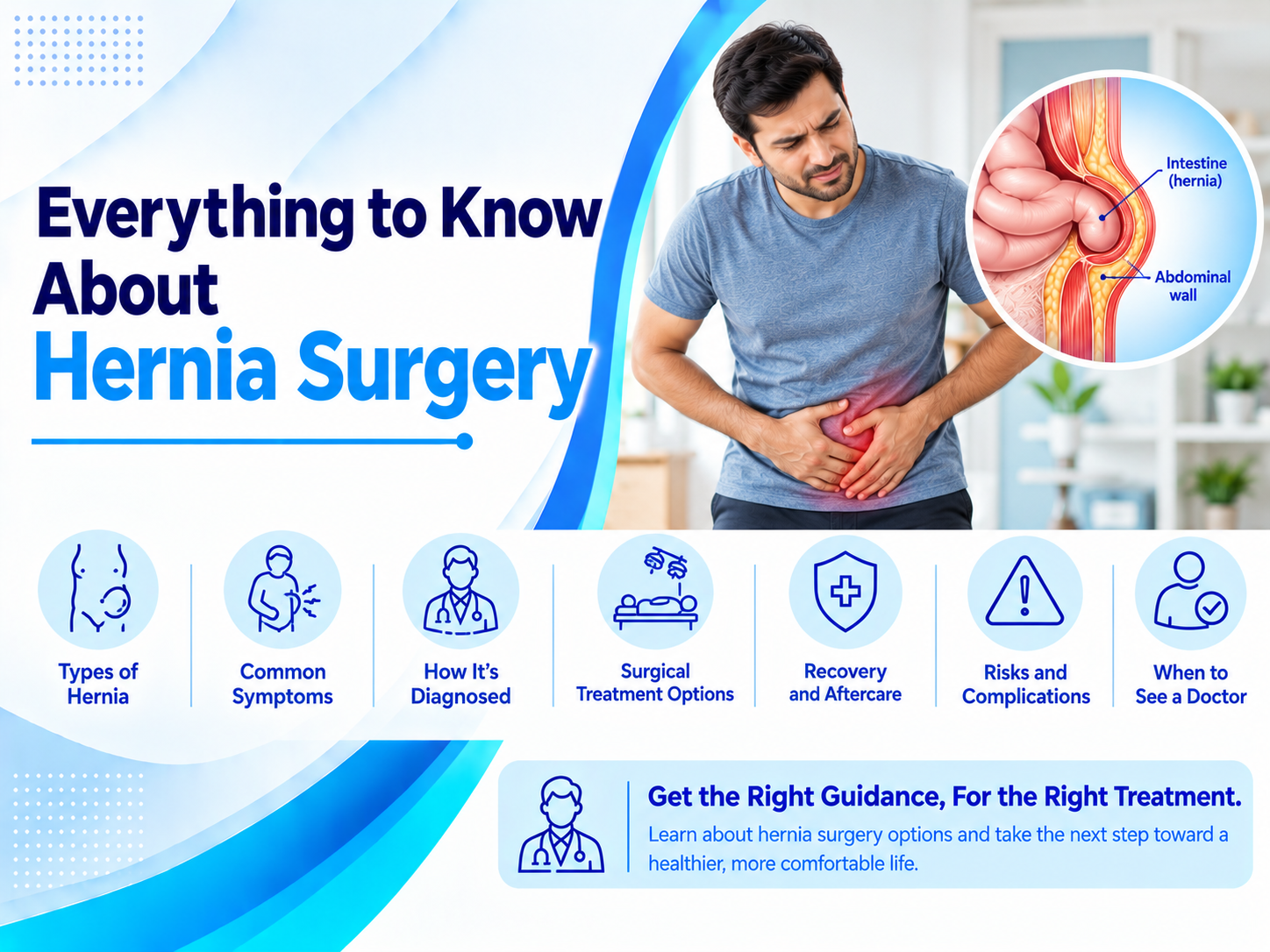
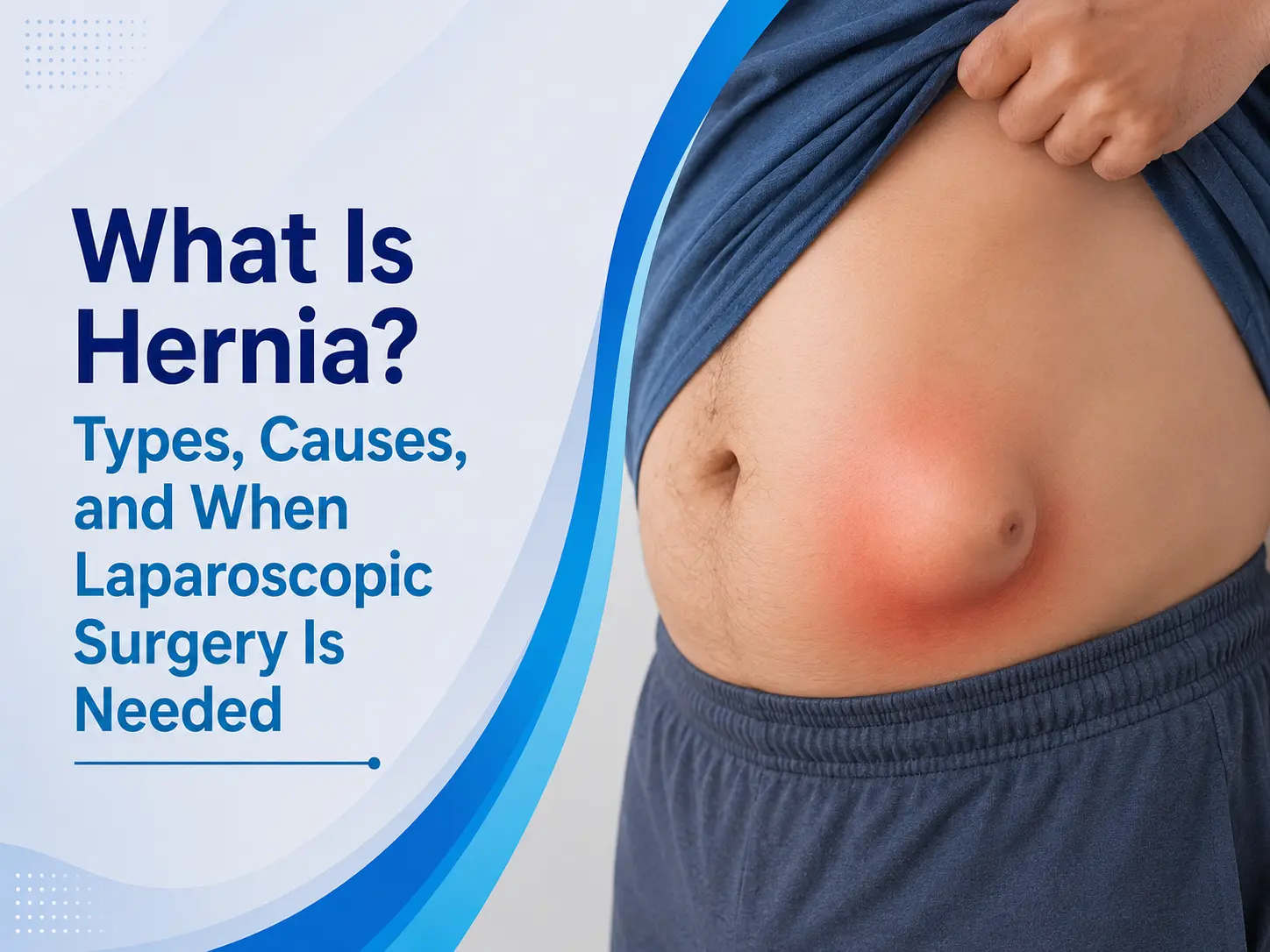
A hernia develops when an organ or fatty tissue protrudes through a weakened area of muscle or connective tissue.
The most common types include:
- Inguinal hernia (groin area)
- Umbilical hernia (near the belly button)
- Incisional hernia (at previous surgical sites)
- Femoral hernia
- Hiatal hernia
- Epigastric hernia
Although hernias can affect people of all ages, they are more common in adults, particularly those who perform heavy lifting, have chronic coughs, or experience obesity.
Understanding the condition is essential for identifying the Early Symptoms of Hernia before complications occur.
Why Early Hernia Symptoms Are Often Missed
One of the biggest challenges with hernias is that symptoms often appear gradually.
Many patients dismiss early signs because:
- Pain may be mild or absent
- Symptoms come and go
- Bulges may only appear during activity
- Discomfort is mistaken for muscle strain
- Digestive symptoms may resemble common stomach issues
Because symptoms are subtle initially, patients frequently delay seeking medical care.
Early evaluation by a best hernia surgeon in kota can help identify the problem before it worsens.
Early Symptoms of Hernia Most People Miss
Recognizing subtle warning signs can help patients seek treatment sooner.
A Small Bulge That Appears and Disappears
One of the earliest signs is a small swelling or bulge under the skin.
The bulge may:
- Appear while standing
- Become visible when coughing
- Reduce when lying down
- Increase after physical activity
Many people ignore this symptom because it is not always painful.
Mild Discomfort During Daily Activities
Patients often notice a dull ache rather than severe pain.
Discomfort may occur during:
- Walking
- Bending
- Lifting objects
- Climbing stairs
- Prolonged standing
This mild discomfort is frequently mistaken for muscle fatigue.
Feeling of Heaviness or Pressure
A sensation of heaviness in the abdomen or groin may develop before a visible hernia becomes obvious.
Patients commonly describe:
- Pulling sensation
- Pressure feeling
- Fullness in the affected area
- Discomfort after prolonged activity
These symptoms often become more noticeable throughout the day.
Pain During Coughing or Sneezing
Coughing and sneezing increase pressure inside the abdomen.
People with early hernias may experience:
- Sharp discomfort
- Pulling pain
- Temporary swelling
Because these symptoms occur intermittently, they are often overlooked.
Unexplained Groin Discomfort
Inguinal hernias frequently cause subtle groin symptoms before a noticeable bulge develops.
Common signs include:
- Groin tenderness
- Mild aching
- Burning sensation
- Pressure during movement
Patients often attribute these symptoms to muscle strain or sports injuries.
Early Symptoms of Hernia in Men
Men are more likely to develop inguinal hernias.
Early signs may include:
- Groin swelling
- Scrotal discomfort
- Heaviness in the lower abdomen
- Pain during lifting
- Burning sensation near the groin
Men experiencing persistent groin symptoms should consider evaluation for hernia treatment in Kota.
Early Symptoms of Hernia in Women
Hernias can sometimes be harder to diagnose in women because symptoms may mimic gynecological or pelvic conditions.
Women may experience:
- Pelvic pressure
- Lower abdominal discomfort
- Groin pain
- Pain during activity
- Unexplained swelling
Professional evaluation is important when symptoms persist.
Early Symptoms of Hiatal Hernia
Hiatal hernias occur when part of the stomach moves through the diaphragm into the chest cavity.
Unlike external hernias, a visible bulge is usually absent.
Symptoms may include:
- Heartburn
- Acid reflux
- Chest discomfort
- Difficulty swallowing
- Bloating
Many patients mistake these symptoms for ordinary digestive issues.
Risk Factors That Increase Hernia Development
Several factors can weaken abdominal muscles and increase hernia risk.
Common risk factors include:
Heavy Lifting
Frequent lifting increases pressure within the abdomen.
Obesity
Excess body weight places strain on abdominal muscles.
Chronic Constipation
Repeated straining during bowel movements weakens tissues.
Persistent Cough
Chronic coughing increases abdominal pressure.
Previous Surgery
Surgical scars may create weak points in the abdominal wall.
Aging
Muscles naturally weaken with age.
Understanding these factors can help patients identify potential hernia risks early.
What Happens If a Hernia Is Left Untreated?
Many people delay treatment because symptoms initially seem manageable.
However, untreated hernias often become larger over time.
Possible complications include:
- Increased pain
- Enlarging bulge
- Intestinal obstruction
- Strangulated hernia
- Reduced blood supply to trapped tissue
A strangulated hernia is a medical emergency requiring immediate surgery.
Early diagnosis at a trusted hernia hospital in kota can help prevent these serious complications.
How Hernias Are Diagnosed
Diagnosis usually begins with a physical examination.
Doctors may ask patients to:
- Stand
- Cough
- Perform certain movements
Additional investigations may include:
Ultrasound
Useful for detecting soft tissue abnormalities.
CT Scan
Provides detailed images of abdominal structures.
MRI
May be recommended for complex or difficult-to-diagnose cases.
Accurate diagnosis helps determine the most appropriate treatment approach.
Treatment Options for Hernia
A hernia does not usually heal on its own.
Treatment depends on:
- Hernia size
- Symptoms
- Patient age
- Overall health
- Complication risk
Common treatment options include:
Observation
Small asymptomatic hernias may be monitored in selected cases.
Surgical Repair
Surgery remains the definitive treatment for most hernias.
Modern surgical techniques provide excellent long-term outcomes.
Benefits of Laparoscopic Hernia Surgery
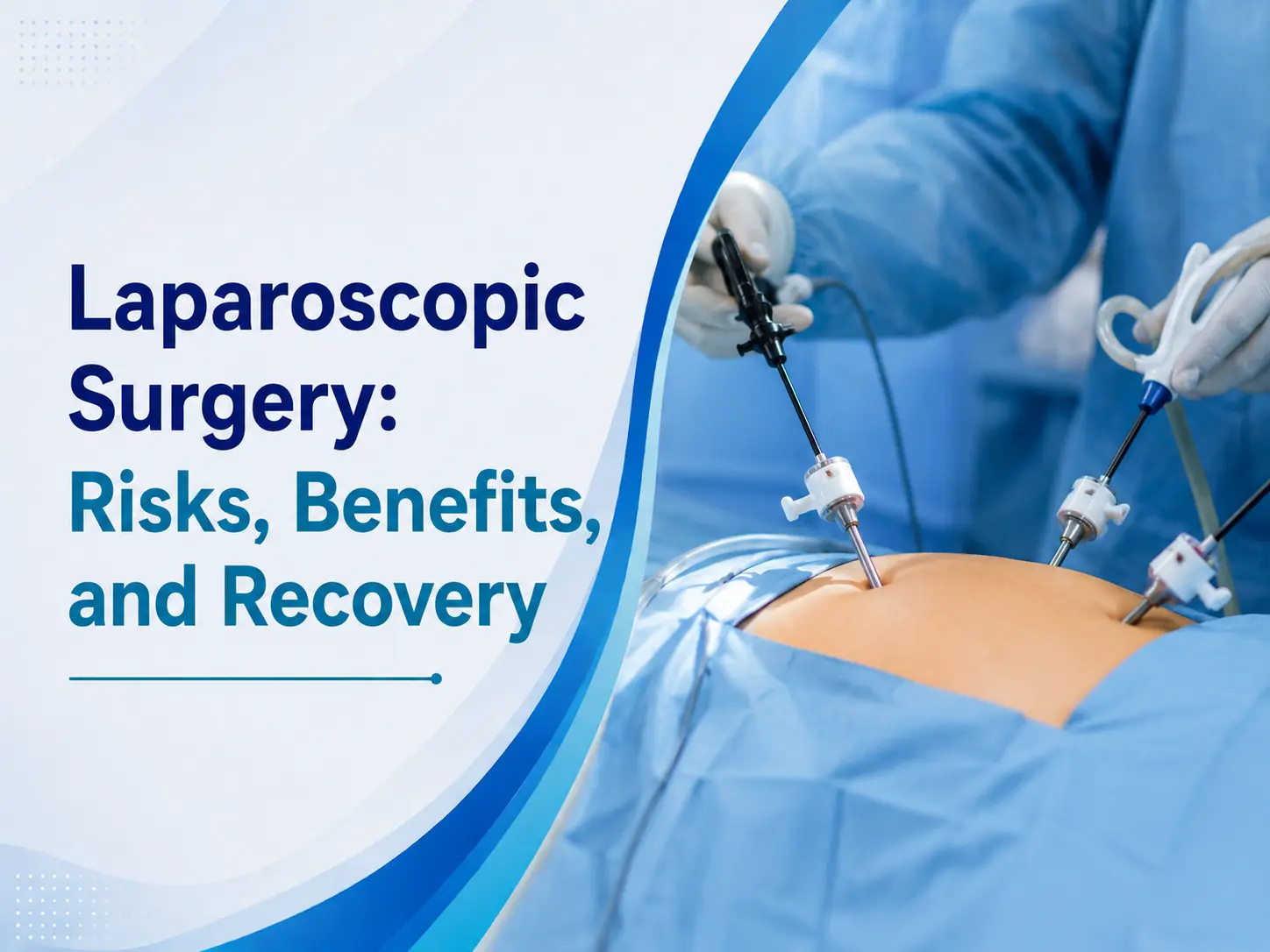
Today, many patients choose Laparoscopic hernia surgery in kota because of its advantages over traditional open surgery.
Benefits include:
- Smaller incisions
- Less postoperative pain
- Faster recovery
- Reduced hospital stay
- Lower infection risk
- Minimal scarring
- Earlier return to work
These advantages have made minimally invasive hernia repair a preferred option for many patients.
Recovery After Hernia Surgery
Recovery time depends on the type of procedure performed.
Most patients experience:
- Mild discomfort
- Temporary swelling
- Gradual improvement in activity levels
Helpful recovery tips include:
- Walking regularly
- Avoiding heavy lifting
- Following dietary recommendations
- Attending follow-up visits
Most patients return to normal activities within a few weeks.
How to Reduce Your Risk of Hernia
Although not all hernias can be prevented, certain lifestyle habits may reduce risk.
Maintain Healthy Weight
Reducing excess weight decreases abdominal pressure.
Lift Properly
Use proper lifting techniques and avoid sudden strain.
Treat Constipation
Healthy bowel habits reduce straining.
Manage Chronic Cough
Treating respiratory conditions may lower abdominal pressure.
Exercise Regularly
Core-strengthening exercises support abdominal muscles.
Prevention strategies are especially important for individuals with risk factors.
Why Early Treatment Matters
Seeking treatment during the early stages often leads to:
- Simpler procedures
- Faster recovery
- Reduced complications
- Better long-term outcomes
- Less discomfort
Patients who recognize the Early Symptoms of Hernia and seek prompt care generally experience better treatment results.
Advanced Hernia Care at Jain Surgical Hospital
Jain Surgical Hospital provides comprehensive hernia diagnosis and treatment using modern surgical techniques and advanced facilities.
Services include:
- Hernia evaluation
- Minimally invasive hernia repair
- Complex hernia management
- Postoperative care
- Advanced laparoscopic procedures
Frequently Asked Questions (FAQs)
What is usually the first sign of a hernia?
A small bulge or swelling that becomes noticeable during standing, coughing, or lifting is often the earliest sign of a hernia.
Can a hernia cause pain without a visible bulge?
Yes. Some patients experience discomfort, pressure, or aching before a visible bulge develops.
Can hernias heal without surgery?
Most hernias do not heal on their own. Surgical repair is generally the most effective treatment for preventing progression and complications.
Conclusion
The Early Symptoms of Hernia are often subtle and easy to overlook. Mild discomfort, occasional swelling, groin pressure, and activity-related pain may seem harmless initially, but they can indicate the presence of a developing hernia.
Recognizing these warning signs and seeking timely medical evaluation can help prevent complications and allow access to modern treatment options such as Laparoscopic hernia surgery in kota. Early intervention often leads to faster recovery and better long-term outcomes.
At Jain Surgical Hospital, patients receive expert diagnosis, advanced surgical care, and personalized treatment plans designed to deliver effective and lasting relief from hernia-related problems.
Book Your Hernia Consultation Today
If you have noticed a bulge, abdominal discomfort, groin pain, or other possible hernia symptoms, schedule a consultation at Jain Surgical Hospital. Early diagnosis and expert treatment can help you avoid complications and return to a healthy, active life with confidence.