

Planning for pregnancy can be an emotional journey for many couples. While medical conditions, age, and lifestyle habits are commonly discussed, emotional health is often overlooked. Understanding How Does Stress Affect Fertility is important because long-term stress may influence hormone balance, ovulation, sperm quality, and overall reproductive health.
Many couples searching for an infertility specialist kota or reliable infertility treatment kota services are surprised to learn that stress management can become an important part of fertility care. Although stress alone may not directly cause infertility in every case, it can significantly affect the body’s reproductive functions and make conception more difficult.
At Jain Surgical Hospital, experienced specialists provide comprehensive fertility evaluation and personalized care for couples seeking advanced infertility treatment rajasthan options with modern diagnostic and treatment support.
How Does Stress Affect Fertility in Women and Men?
Stress triggers the release of hormones such as cortisol and adrenaline. These hormones help the body respond to challenging situations, but when stress becomes chronic, it can interfere with normal reproductive hormone function.
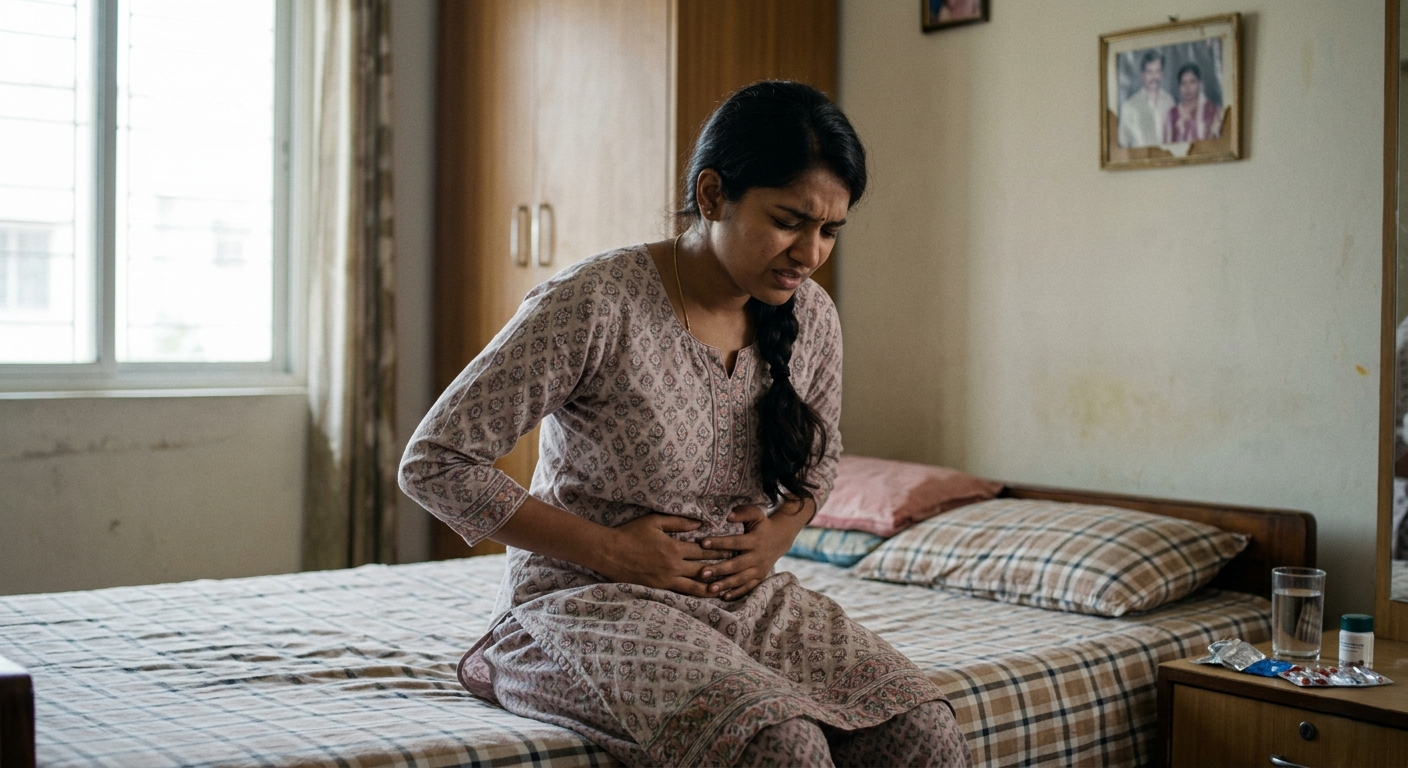
In women, stress may affect:
- Ovulation cycles
- Menstrual regularity
- Hormone balance
- Egg release
- Libido and sexual health
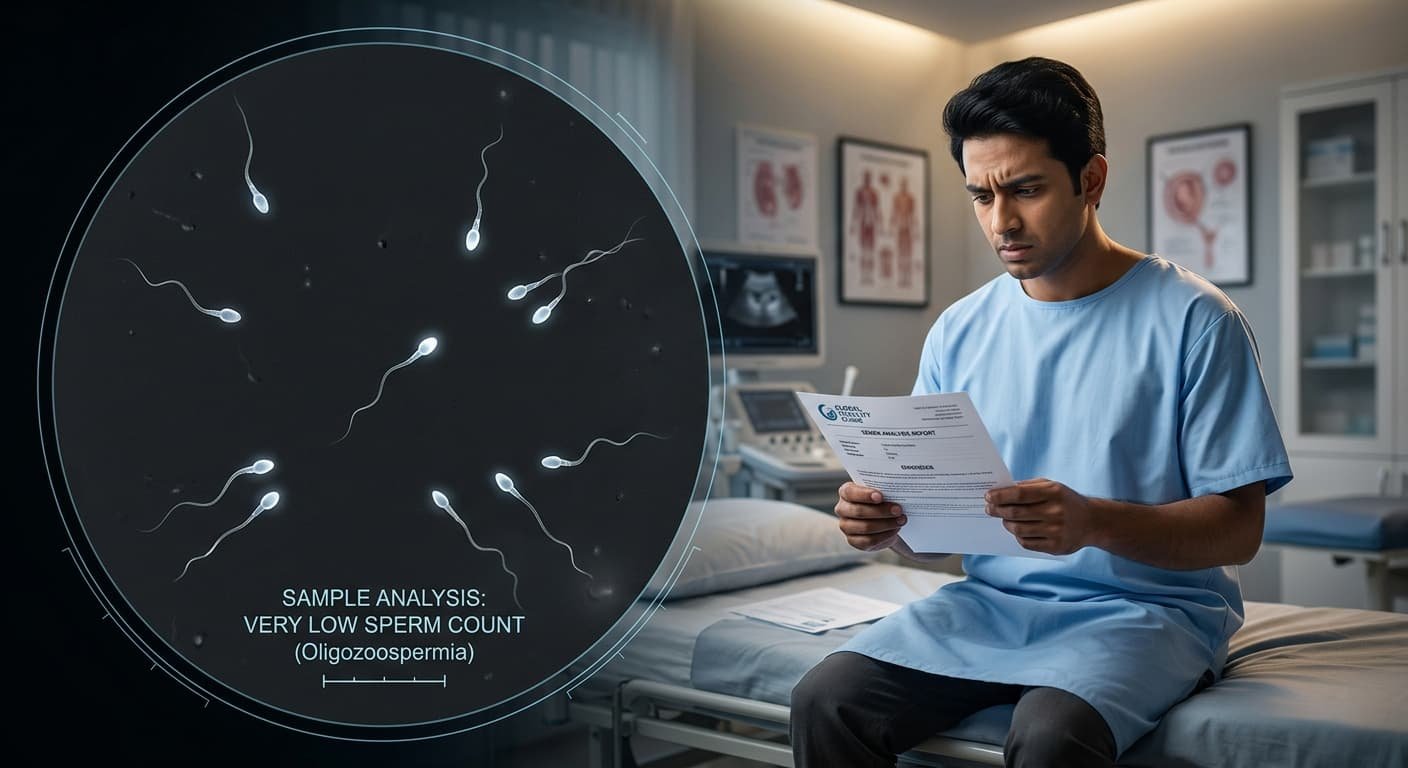
In men, chronic stress may impact:
- Testosterone levels
- Sperm production
- Sperm motility
- Sexual performance
- Overall reproductive health
When couples experience prolonged emotional pressure related to work, finances, relationships, or fertility struggles themselves, the body may prioritize survival functions over reproduction. This is one reason why understanding How Does Stress Affect Fertility has become an important part of modern reproductive medicine.
Can Stress Cause Ovulation Problems?
Stress may contribute to hormonal imbalances that affect ovulation. The hypothalamus, a part of the brain responsible for regulating reproductive hormones, can become disrupted during periods of intense emotional strain.
Women experiencing stress-related fertility issues may notice:
- Delayed ovulation
- Irregular periods
- Missed menstrual cycles
- Hormonal fluctuations
- Difficulty tracking fertile days
Many women seeking ovulation problem treatment kota often report increased stress levels along with irregular menstrual patterns. In some cases, emotional stress combined with underlying conditions such as PCOS, thyroid disorders, or weight changes can worsen ovulation difficulties.
Early evaluation by an experienced fertility specialist helps identify whether hormonal imbalance, stress, or other reproductive conditions are affecting conception.
The Link Between Stress Hormones and Reproductive Health
The body’s endocrine system plays a major role in fertility. When stress hormones remain elevated for long periods, they can interfere with reproductive hormones like:
- Estrogen
- Progesterone
- Luteinizing hormone (LH)
- Follicle-stimulating hormone (FSH)
- Testosterone
Signs That Stress May Be Affecting Fertility
Stress affects every individual differently. Some couples may not realize their emotional health is impacting reproductive wellness.
Common signs include:
- Irregular periods
- Difficulty sleeping
- Fatigue
- Anxiety
- Mood swings
- Low libido
- Headaches
- Emotional exhaustion
- Difficulty concentrating
Couples struggling with conception for more than 12 months should consider consulting an experienced infertility specialist kota for proper fertility evaluation and guidance.
Women above age 35 are generally advised to seek earlier fertility assessment if pregnancy does not occur within six months.
Emotional Stress During Infertility Treatment
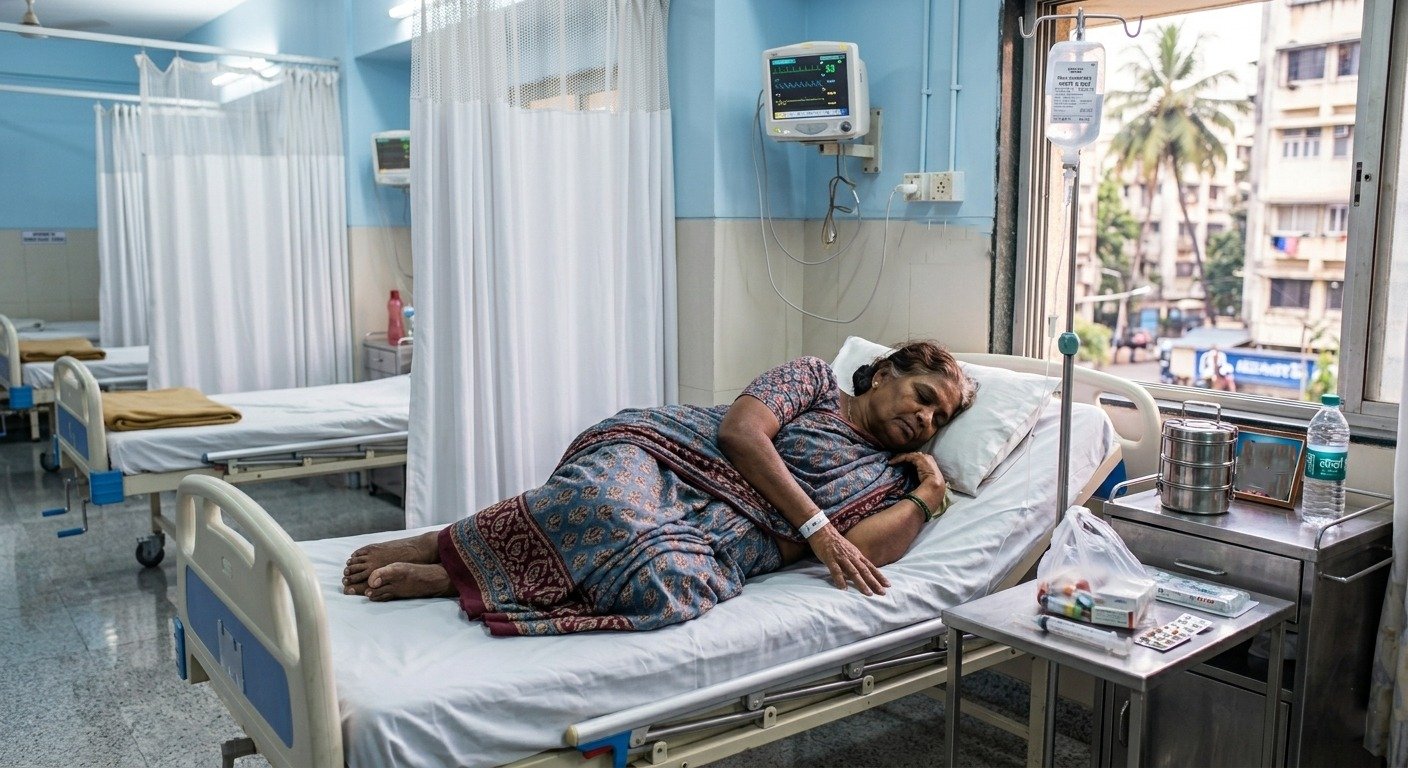
Infertility itself can become a major source of emotional stress. Repeated pregnancy disappointments, medical appointments, social pressure, and uncertainty may affect mental health.
Many couples undergoing female infertility treatment kota:
- Anxiety before fertility procedures
- Emotional burnout
- Relationship stress
- Fear of treatment failure
- Depression symptoms
Emotional support becomes an important part of fertility care. Fertility counseling, stress management techniques, and open communication between partners can improve emotional resilience during treatment.
At Jain Surgical Hospital, fertility care focuses not only on medical treatment but also on patient comfort and emotional support throughout the journey.
Lifestyle Habits That Can Worsen Stress and Fertility Problems
Certain lifestyle habits may increase both stress levels and fertility complications.
These include:
Poor Sleep
Inadequate sleep can affect hormone production and ovulation patterns.
Unhealthy Diet
Nutritional deficiencies may negatively impact reproductive health in both men and women.
Smoking and Alcohol
These habits may reduce fertility potential and worsen hormonal imbalance.
Lack of Physical Activity
Regular moderate exercise supports hormonal balance and stress reduction.
Excessive Screen Time and Work Pressure
Continuous mental strain can increase cortisol levels and emotional fatigue.
Improving daily lifestyle habits often supports better fertility outcomes alongside medical care.
What You Can Do About Stress and Fertility Problems
Understanding How Does Stress Affect Fertility is only the first step. The next step involves taking practical actions to improve physical and emotional well-being.
Practice Stress Management Techniques
Helpful methods include:
- Meditation
- Deep breathing exercises
- Yoga
- Mindfulness practices
- Relaxation therapy
Even 15–20 minutes daily may help reduce mental stress.
Maintain Healthy Sleep Patterns
Aim for 7–8 hours of quality sleep every night to support hormone regulation.
Follow a Fertility-Friendly Diet
A balanced diet rich in:
- Fruits
- Vegetables
- Lean proteins
- Healthy fats
- Whole grains
may support reproductive health.
Stay Physically Active
Moderate exercise improves blood circulation, hormonal balance, and emotional wellness.
Seek Emotional Support
Talking to fertility specialists, counselors, or support groups can help reduce emotional burden during treatment.
When Should You See a Fertility Specialist?
Many couples delay medical consultation while hoping stress reduction alone will solve fertility challenges. However, fertility issues often involve multiple factors.
You should consult a fertility expert if:
- Pregnancy has not occurred after one year of trying
- Periods are irregular
- Ovulation problems are suspected
- You have PCOS or endometriosis
- Male fertility concerns are present
- There is a history of miscarriage
- Age-related fertility decline is a concern
Advanced Fertility Care Available at Jain Surgical Hospital
Jain Surgical Hospital provides comprehensive fertility evaluation and advanced reproductive healthcare support for couples across Kota and nearby regions.
Services may include:
- Female fertility assessment
- Hormonal evaluation
- Ovulation monitoring
- Ultrasound diagnosis
- PCOS management
- Fertility counseling
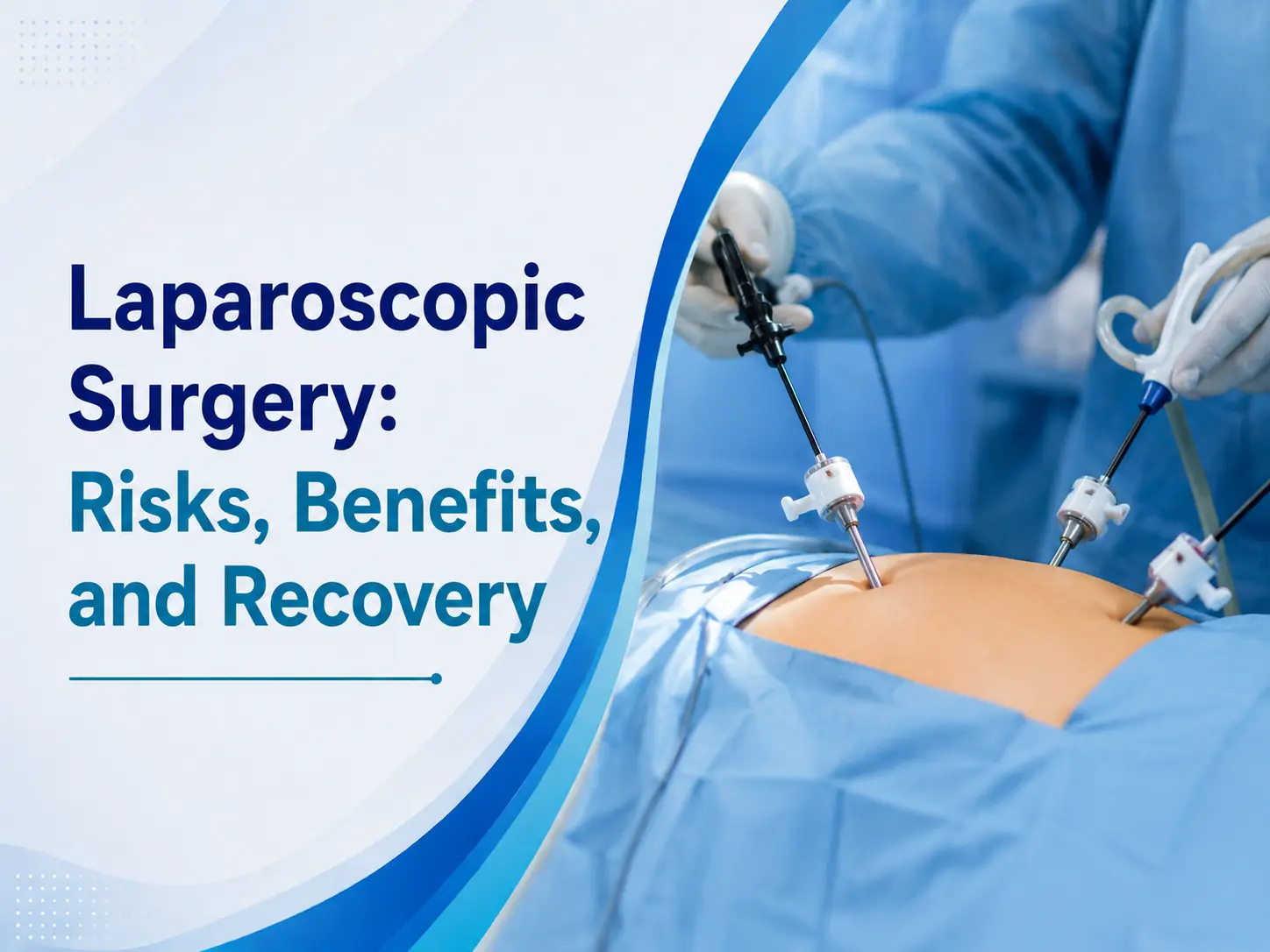
- Laparoscopic gynecological procedures
- Personalized infertility care
Can Reducing Stress Improve Fertility Outcomes?
Stress reduction alone may not cure all fertility problems, but emotional wellness can positively support reproductive health and treatment success.
Research suggests that lower stress levels may help:
- Improve hormone balance
- Support ovulation regularity
- Enhance emotional resilience
- Improve treatment compliance
- Strengthen relationship health
A healthy body and calm mind together create better conditions for fertility care and conception.
Importance of Early Fertility Evaluation
Many fertility conditions become easier to manage when diagnosed early. Delaying medical consultation may reduce treatment effectiveness in some cases.
Early diagnosis can help identify:
- Ovulation disorders
- Hormonal imbalance
- Uterine abnormalities
- Tubal blockage
- Male fertility issues
- Lifestyle-related reproductive problems
Timely treatment and stress management strategies together can improve reproductive health outcomes for many couples.
Frequently Asked Questions (FAQs)
Can stress alone make it difficult to get pregnant?
Stress alone may not directly cause infertility in every case, but chronic stress can affect hormones, ovulation, sperm health, and sexual wellness, which may reduce fertility potential.
Does reducing stress improve chances of pregnancy?
Managing stress may help improve hormonal balance, emotional health, and overall reproductive wellness. While stress reduction may not solve all fertility conditions, it can support better fertility outcomes alongside medical treatment.
When should I seek infertility treatment?
Couples should consider consulting a fertility specialist if pregnancy has not occurred after one year of regular unprotected intercourse. Women above age 35 may need earlier evaluation after six months.
Conclusion
Understanding How Does Stress Affect Fertility is important for couples trying to conceive. Emotional stress, hormonal imbalance, lifestyle habits, and reproductive health are all closely connected. While stress may not be the only reason for infertility, managing emotional wellness can support healthier fertility outcomes.
If you are experiencing irregular periods, ovulation problems, or difficulty conceiving, early consultation with an experienced infertility specialist kota can help identify the underlying causes and guide you toward the right treatment options.