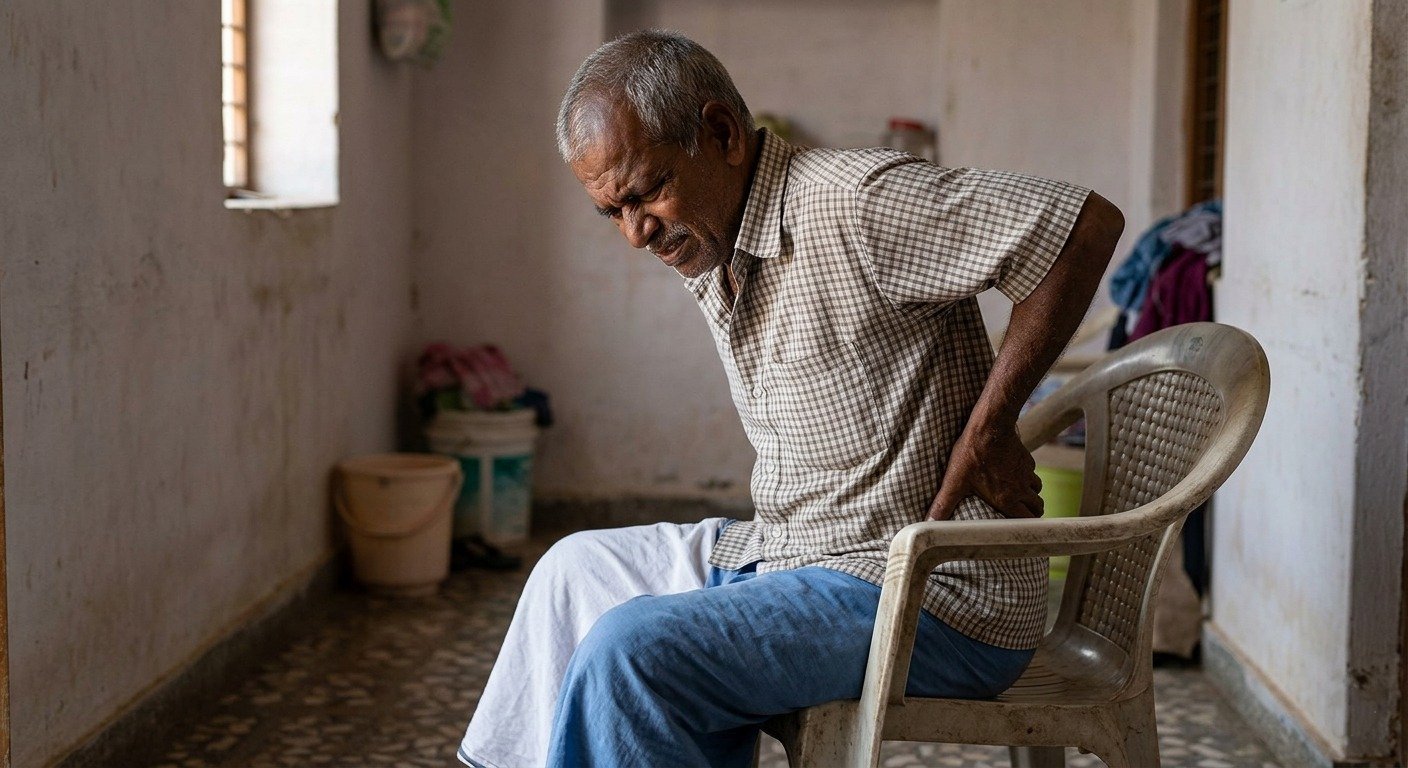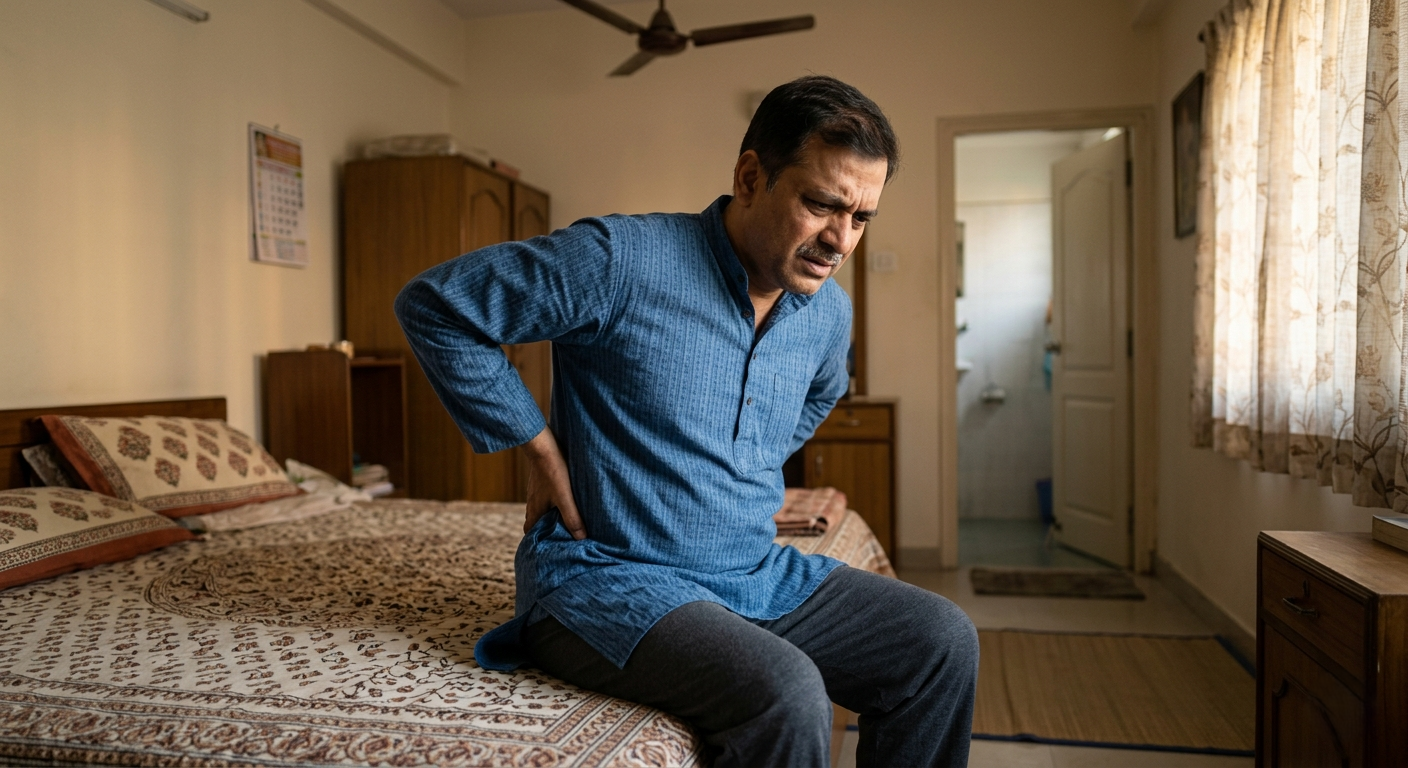
Haemorrhoids — commonly known as piles or bavasir — are one of the most prevalent colorectal conditions in the world. According to a 2025 global review published in the World Journal of Gastroenterology, haemorrhoids affect approximately 75% of people at some point in their lifetime, with peak prevalence between ages 45 and 65. Yet despite being so common, many patients delay seeking care due to embarrassment or lack of awareness. At Jain Surgical Hospital — the best proctology hospital in Kota and a NABH-accredited centre — our expert proctologists provide comprehensive haemorrhoid evaluation and treatment.
Understanding what causes haemorrhoids is the first step towards effective treatment and lasting prevention.
What Are Haemorrhoids?
Haemorrhoids are swollen, enlarged blood vessels located in and around the rectum and anus. They are classified into two main types:
- Internal haemorrhoids: Located inside the rectum, above the dentate line. Usually painless but cause rectal bleeding. Graded I to IV based on severity.
- External haemorrhoids: Located under the skin around the anus, below the dentate line. Can be painful, especially when a blood clot forms (thrombosed external haemorrhoid).
- Mixed haemorrhoids: Both internal and external components present — common in advanced cases seen at the piles hospital in Kota.
The anal cushions — vascular pads that help control bowel continence — are present in everyone. Haemorrhoids develop when these cushions become engorged, inflamed, and prolapsed due to sustained pressure or injury.
What Causes Haemorrhoids? The Root Causes Explained
1. Chronic Constipation and Straining — The Leading Cause
Chronic constipation is the single most common cause of haemorrhoids. When stools are hard and infrequent, patients strain repeatedly during bowel movements. This straining:
- Increases intra-abdominal and intrarectal pressure significantly
- Engorges the blood vessels of the anal cushions
- Causes progressive downward displacement and prolapse of haemorrhoidal tissue
- Damages the supporting connective tissue holding the anal cushions in place
A 2025 study in Colorectal Disease journal found that patients with chronic constipation are 3.5 times more likely to develop symptomatic haemorrhoids requiring piles treatment in Kota compared to those with normal bowel habits.
2. Low-Fibre Diet
Diet is directly linked to haemorrhoid development. A low-fibre diet results in small, hard, dry stools that are difficult to pass, increased straining and prolonged toilet time, and reduced stool bulk that fails to stimulate effective bowel contractions. The average diet — particularly in urban settings — often falls short of the recommended 25 to 35g of daily dietary fibre. Processed foods, refined carbohydrates, and insufficient fruits and vegetables are primary dietary contributors.
3. Prolonged Sitting or Standing
Spending long periods sitting — especially on the toilet — or standing without movement increases pressure in the anal blood vessels. This is particularly relevant for:
- Office workers and desk-based professionals
- Long-distance drivers and travel workers
- Individuals who spend excessive time on the toilet using mobile phones
The proctologist team at Jain Surgical Hospital in Kota frequently identifies prolonged toilet sitting as a significant contributing factor in working-age patients seeking bavasir treatment.
4. Pregnancy
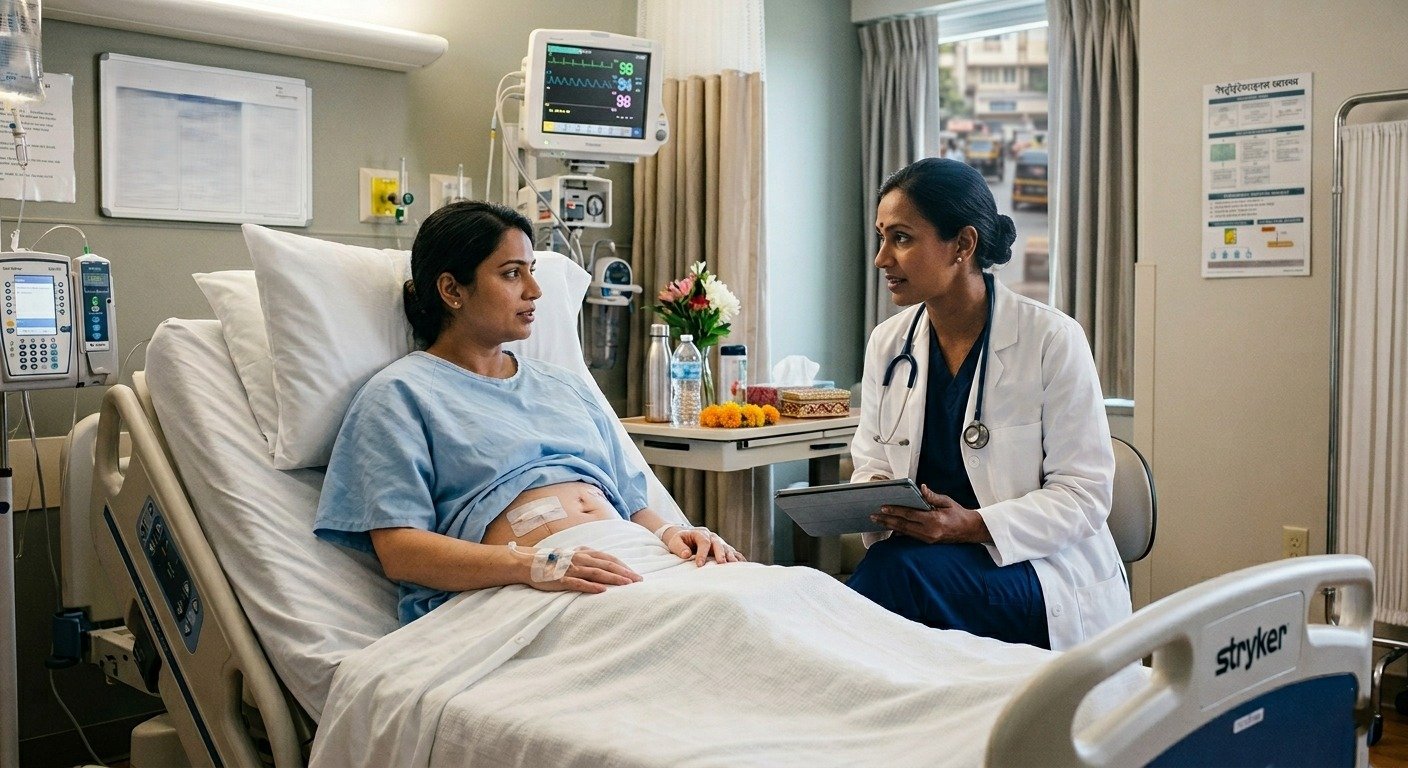
Pregnancy is a major risk factor for haemorrhoids, affecting up to 40% of pregnant women according to 2024 ACOG data. Multiple mechanisms are at play:
- The growing uterus exerts direct pressure on the rectal veins, impairing venous drainage
- Progesterone relaxes blood vessel walls, causing them to swell more easily
- Constipation is extremely common in pregnancy due to hormonal changes and iron supplementation
- Straining during labour and delivery can acutely worsen or precipitate haemorrhoids
Jain Surgical Hospital’s maternity and proctology teams work together to manage pregnancy-related haemorrhoids with safe, evidence-based piles treatment in Kota appropriate for pregnant and postpartum women.
5. Obesity
Obesity contributes to haemorrhoid development through several pathways. Increased intra-abdominal pressure from excess abdominal fat continuously stresses rectal veins. Obesity is strongly associated with a sedentary lifestyle and dietary patterns that cause constipation. Studies show that individuals with a BMI over 30 have a significantly higher risk of developing Grade 3 to 4 haemorrhoids requiring laser piles surgery in Kota compared to those with a healthy BMI.
6. Sedentary Lifestyle
Physical inactivity reduces bowel motility, leading to constipation and haemorrhoid development. Regular exercise stimulates intestinal peristalsis, maintains healthy body weight, and improves vascular tone — all of which protect against haemorrhoids. Patients at the best piles hospital in Kota are consistently counselled on the importance of 30 minutes of daily physical activity as a cornerstone of long-term haemorrhoid prevention.
7. Chronic Diarrhoea
While constipation is the more commonly recognised cause, chronic or recurrent diarrhoea also causes haemorrhoids through repeated passage of loose stools that irritate and inflame the anal mucosa, increased frequency of defecation maintaining persistent pressure on anal blood vessels, and associated conditions like irritable bowel syndrome (IBS) and inflammatory bowel disease (IBD) that cause chronic rectal inflammation.
8. Ageing
As we age, the connective tissue and supporting structures of the anal cushions weaken and lose elasticity. This is why haemorrhoid prevalence increases significantly after age 45. The supporting ligaments (Parks’ ligament) that hold the anal cushions in position above the dentate line gradually deteriorate — even without severe straining — allowing the cushions to prolapse downward. This age-related weakening is one reason haemorrhoids treatment in Kota sees high demand in the 45 to 65 age group.
9. Genetic and Family History
There is a clear familial tendency in haemorrhoid development. Studies suggest a genetic predisposition to weak connective tissue and venous insufficiency. If both parents have a history of piles, their children have a significantly higher lifetime risk of developing the condition. This genetic component operates independently of dietary and lifestyle factors.
10. Heavy Lifting and Strenuous Exertion
Repeated heavy lifting — common in labourers, construction workers, and weightlifters — generates significant spikes in intra-abdominal pressure. Each heavy lift acts like a Valsalva manoeuvre, forcefully engorging the haemorrhoidal plexus. Over years of repeated heavy lifting, this cumulative pressure leads to permanent enlargement and prolapse of haemorrhoidal tissue.
11. Prolonged Use of Laxatives
Dependency on stimulant laxatives disrupts normal bowel function, causes bowel urgency and loose stools, and over time worsens the very constipation they were meant to treat. This laxative dependency cycle is a recognised contributor to chronic haemorrhoidal disease seen regularly at our colorectal surgery unit in Kota.
12. Liver Disease and Portal Hypertension
In patients with advanced liver disease, portal hypertension increases pressure in all portal tributaries including the rectal veins. This causes anorectal varices — a specific type of haemorrhoidal enlargement requiring careful management distinct from standard piles treatment. Patients with known liver disease presenting with rectal bleeding must be evaluated urgently by a proctologist in Kota.
Haemorrhoid Grades: How Severity Is Classified
Internal haemorrhoids are graded using the Goligher Classification:
- Grade I: Bulge into the anal canal but do not prolapse — managed with dietary changes and conservative piles treatment in Kota
- Grade II: Prolapse during straining but spontaneously reduce — rubber band ligation or sclerotherapy
- Grade III: Prolapse during straining, require manual reduction — laser piles surgery in Kota or stapled haemorrhoidopexy
- Grade IV: Permanently prolapsed, cannot be manually reduced — surgical haemorrhoidectomy at the best piles hospital in Kota
Symptoms of Haemorrhoids: When to See a Doctor
Recognising haemorrhoid symptoms early leads to simpler, less invasive treatment. Common symptoms include:
- Bright red rectal bleeding — typically painless, noticed on toilet paper or in the toilet bowl
- Anal itching (pruritus ani) and persistent discomfort
- Prolapse — a lump protruding from the anus during or after bowel movements
- Mucus discharge causing soiling of undergarments
- Sensation of incomplete bowel emptying after defecation
- Pain — primarily with thrombosed external haemorrhoids or Grade IV internal haemorrhoids
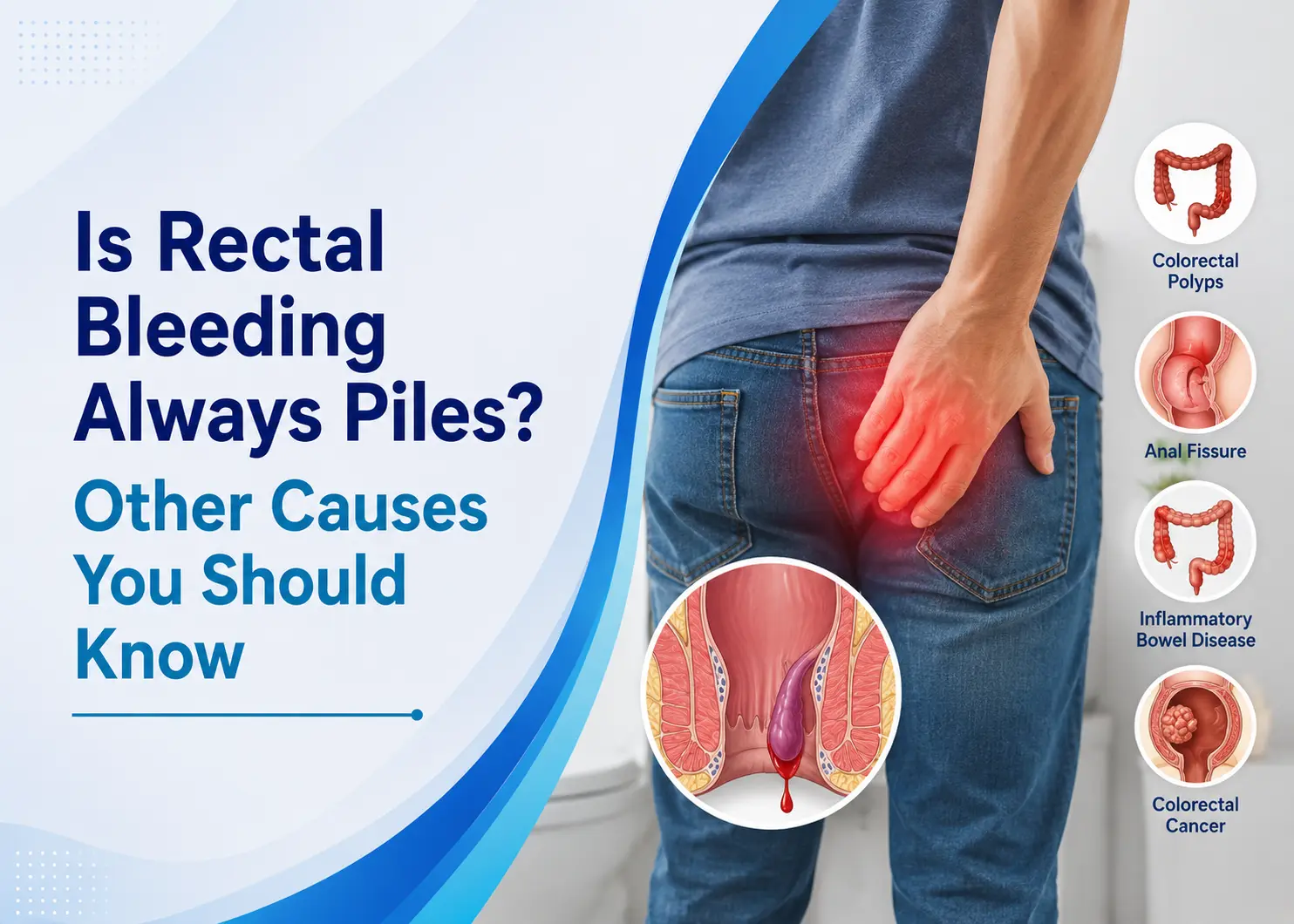
Important: Rectal bleeding should never be assumed to be haemorrhoids without proper examination. Colorectal cancer and other serious conditions also cause rectal bleeding. Always consult the best piles doctor in Kota for a thorough proctoscopic evaluation.
Haemorrhoid Treatment Options at Jain Surgical Hospital, Kota
Jain Surgical Hospital offers a full spectrum of haemorrhoid treatments — from conservative management to advanced surgical options:
Conservative Treatment — Grade I to II
- High-fibre diet counselling and adequate hydration guidance
- Topical creams and suppositories for symptom relief
- Sitz baths: warm water soaks for 15 to 20 minutes, 2 to 3 times daily
- Stool softeners and fibre supplements (ispaghula/psyllium husk)
- Lifestyle modification — increased physical activity, healthy weight management
Office-Based Procedures — Grade I to III
- Rubber band ligation (RBL): A rubber band is placed around the haemorrhoid base, cutting off its blood supply — simple, effective, no anaesthesia required
- Sclerotherapy: Injection of a sclerosing agent to shrink haemorrhoidal tissue
- Infrared coagulation (IRC): Heat-based coagulation for small internal haemorrhoids
Surgical Treatment — Grade III to IV
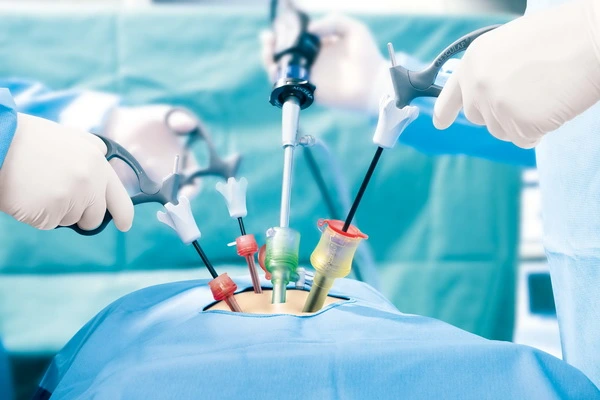
- Laser piles surgery in Kota: Minimally invasive, virtually painless, fast recovery — patients return to work in 3 to 5 days — the preferred surgical option at Jain Surgical Hospital
- Stapled haemorrhoidopexy (PPH): Removes prolapsed mucosal tissue using a circular stapling device — suitable for circumferential Grade III to IV haemorrhoids
- Conventional haemorrhoidectomy: Surgical excision for complex, large, or recurrent haemorrhoids
- Painless piles surgery in Kota: All procedures performed under appropriate anaesthesia with expert post-operative pain management
Preventing Haemorrhoids: Evidence-Based Strategies
The best piles doctor in Kota recommends these evidence-based strategies to prevent haemorrhoids and reduce recurrence after treatment:
- Eat a high-fibre diet: 25 to 35g daily from fruits, vegetables, legumes, and whole grains
- Stay well hydrated: 2 to 3 litres of water daily keeps stools soft
- Never delay the urge to defecate — holding stool causes it to harden
- Limit toilet time: Avoid reading or using your phone on the toilet
- Exercise regularly: 30 minutes of brisk walking daily maintains bowel regularity
- Avoid straining: Use fibre supplements rather than straining for hard stools
- Manage body weight: Maintain a healthy BMI through diet and exercise
- Avoid heavy lifting wherever possible; use correct lifting technique when unavoidable
- Treat constipation promptly: Do not rely on stimulant laxatives long-term
Frequently Asked Questions (FAQ)
Q1: Can haemorrhoids go away on their own?
Q2: Is haemorrhoid surgery painful?
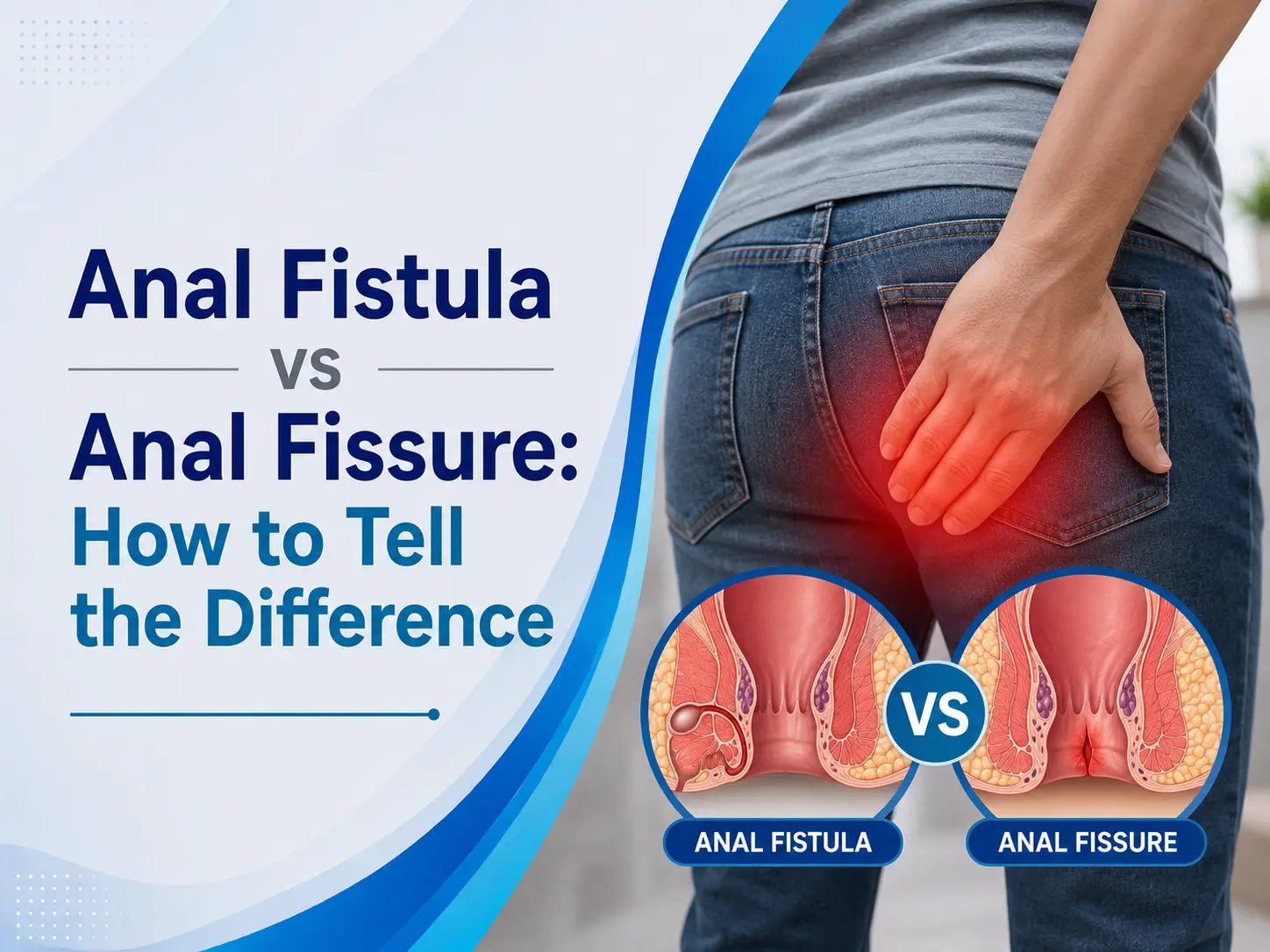
Q3: What is the difference between piles, fissure, and fistula?
Q4: How long does recovery take after laser piles surgery in Kota?
Q5: When is surgery necessary for haemorrhoids?
Jain Surgical Hospital — Best Proctology Hospital in Kota
Jain Surgical Hospital at 559, Sector-A, Shrinath Puram, Kota is Rajasthan’s first fully NABH-accredited hospital offering advanced proctology services. Our dedicated proctology team — including the best piles doctor in Kota — manages the complete spectrum of colorectal conditions: haemorrhoids (piles), anal fissures, anal fistulas, pilonidal sinus, and colorectal surgery in Kota. We serve patients from Kota, Bundi, Jhalawar, Baran, and across Rajasthan and Madhya Pradesh.
- NABH-accredited — highest quality and safety standards in Rajasthan
- Advanced laser piles surgery and painless piles surgery in Kota
- Empanelled with Chiranjeevi Yojana, RGHS, ESIC, and Railway Health Scheme
- Experienced proctologist in Kota with over 1,000 successful haemorrhoid procedures
- Comprehensive colorectal surgery and bavasir treatment in Kota
Jain Surgical Hospital | 559, Sector-A, Shrinath Puram, Kota, Rajasthan | +91 9799617999 | jainsurgicalhospital.in
Reach us at: Jain Surgical Hospital