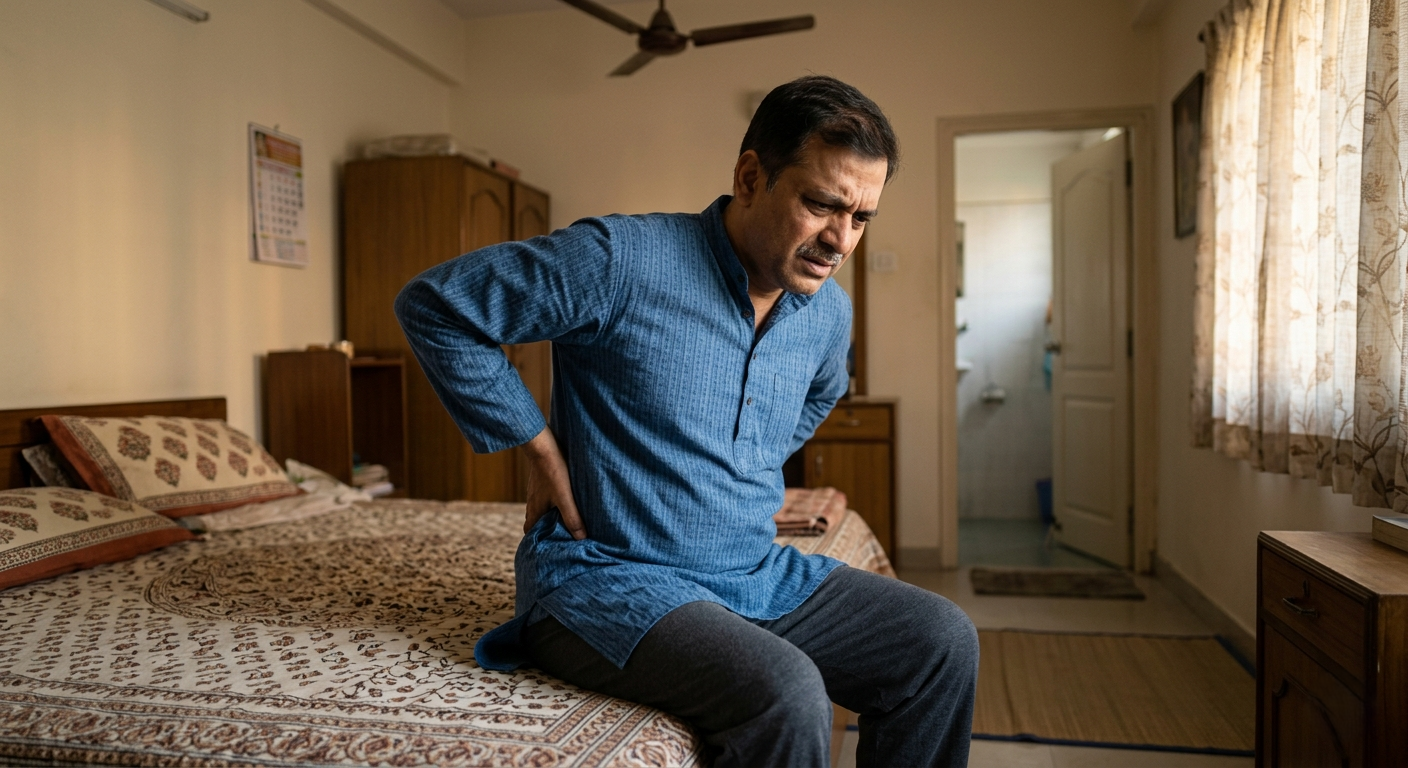
An anal fissure is a small tear in the thin, moist tissue (mucosa) lining the anus. While the condition is common and often heals on its own, recognising the early signs can prevent it from becoming chronic and avoid unnecessary pain. At Jain Surgical Hospital — the best surgical hospital in Kota — our specialists help hundreds of patients every year get back to pain-free living.
Many people delay seeking help due to embarrassment. But the sooner you identify the symptoms, the simpler and less invasive the treatment. This article explains everything you need to know about the first signs of a fissure, who is at risk, when to see a doctor, and how Kota’s top hospital for colorectal care can help.
What Is an Anal Fissure? A Simple Explanation
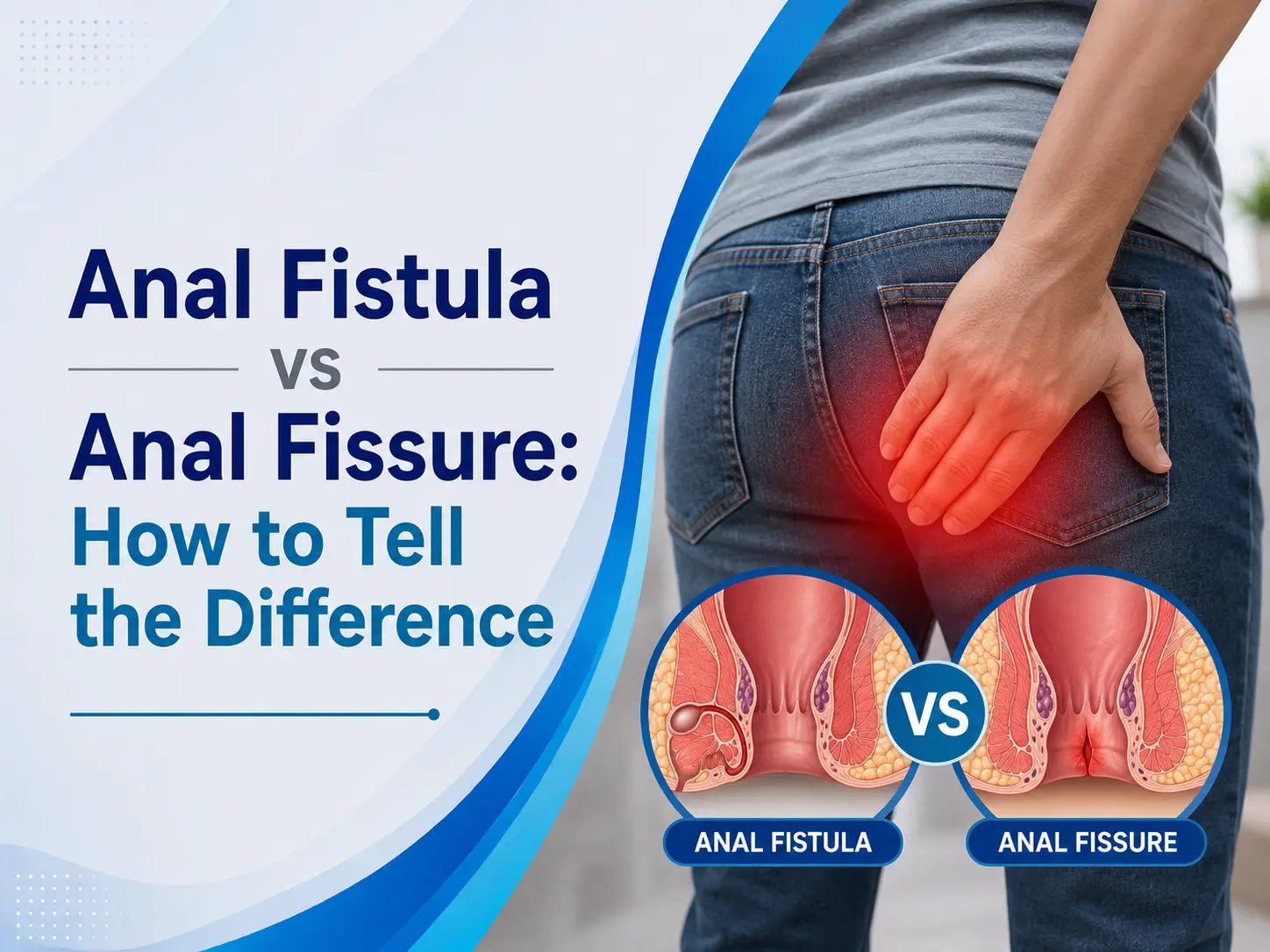
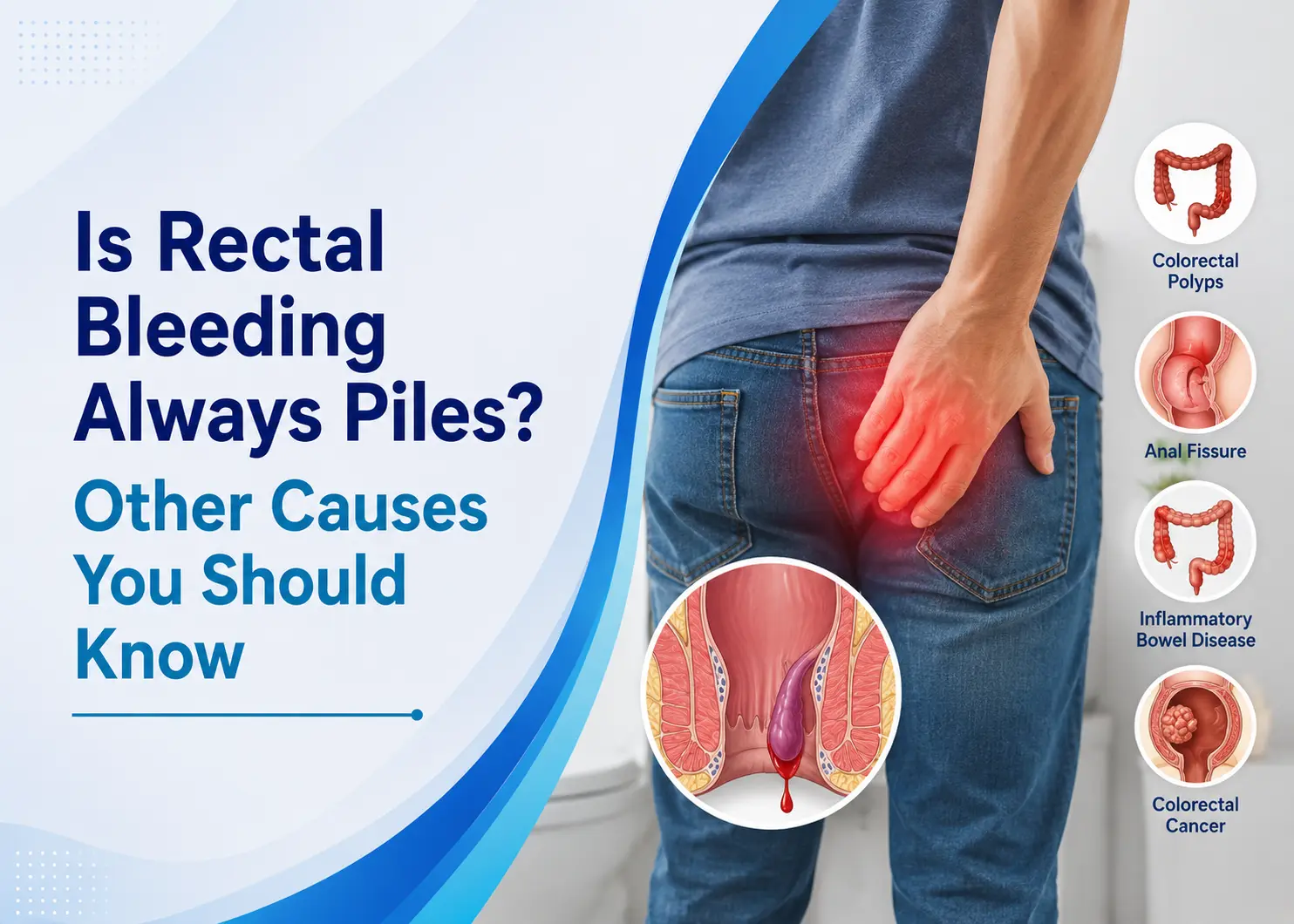
An anal fissure (also called an anal tear or rectal fissure) is a small cut or crack in the skin around the anus. It can affect people of all ages — from infants to older adults. The condition is classified as acute (short-term, under 6 weeks) or chronic (long-term, persisting beyond 6 weeks).
Chronic fissures are harder to treat without medical intervention. That is why catching the early warning signs matters. Left untreated, a simple fissure can deepen, develop scar tissue, and require surgical procedures such as a lateral internal sphincterotomy.
Key Fact
Anal fissures account for roughly 10–15% of all colorectal outpatient consultations. They are among the most treatable conditions when diagnosed early by a qualified surgical team.
What Are the First Signs of a Fissure? The 6 Key Warning Symptoms
The early signs of an anal fissure can be subtle. Many patients mistake the symptoms for haemorrhoids or irritable bowel syndrome (IBS). Below are the most common first signs to watch for.
1. Sharp Pain During Bowel Movements
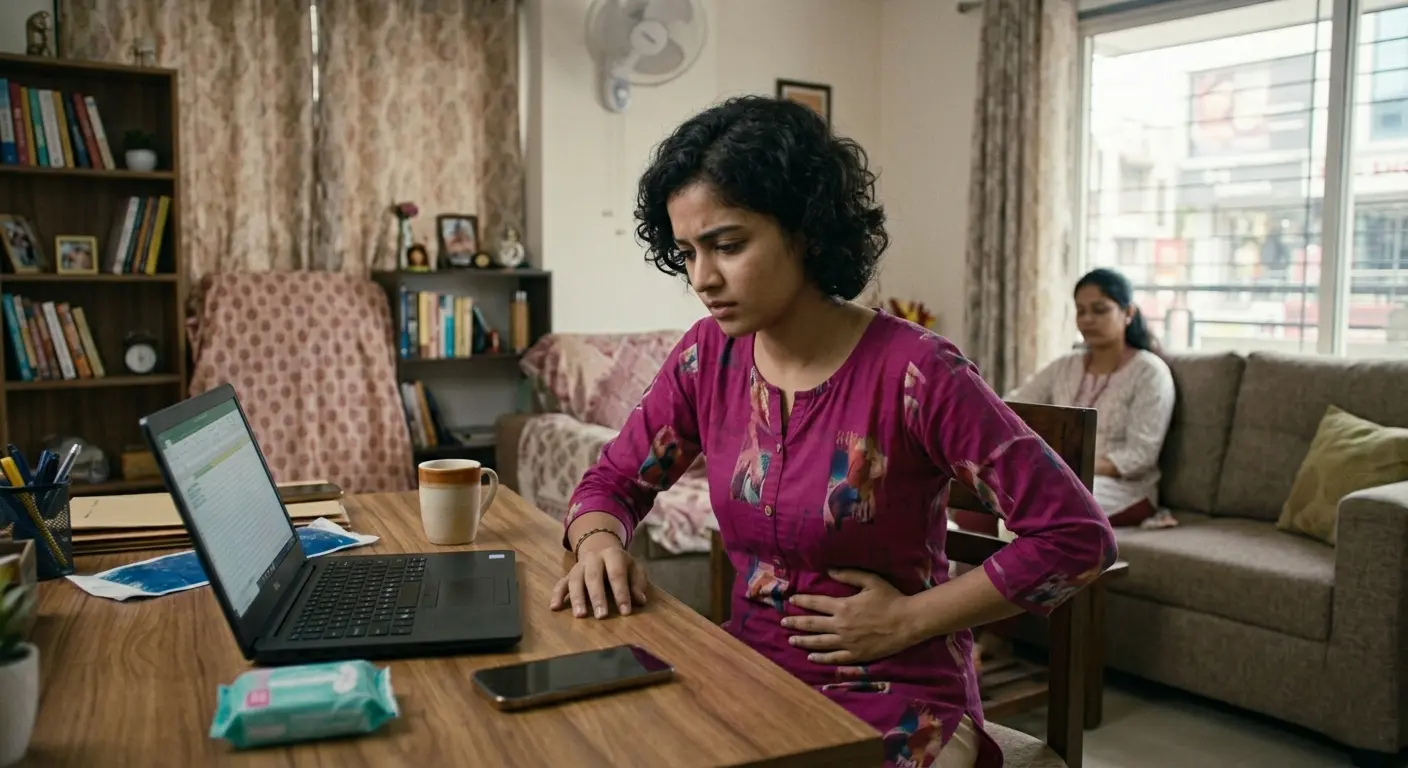
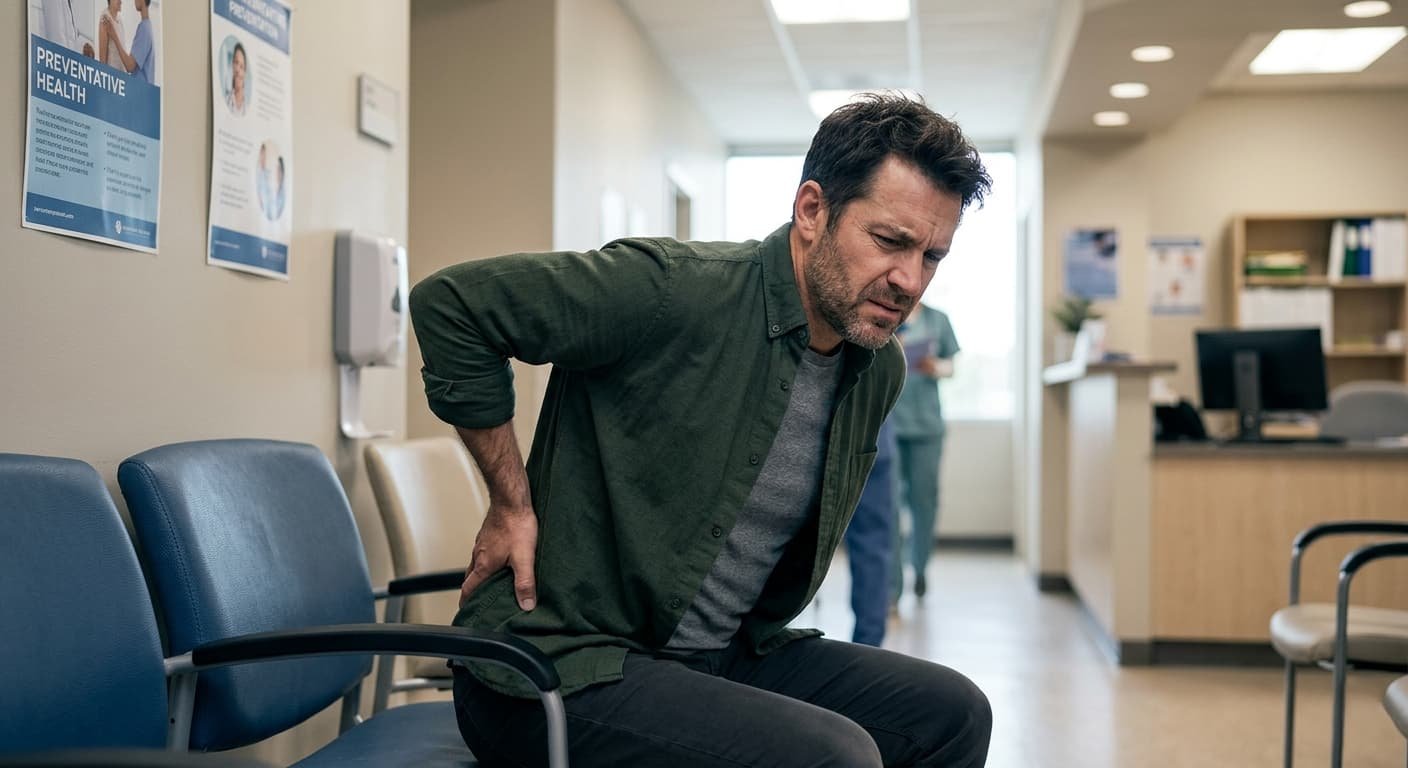
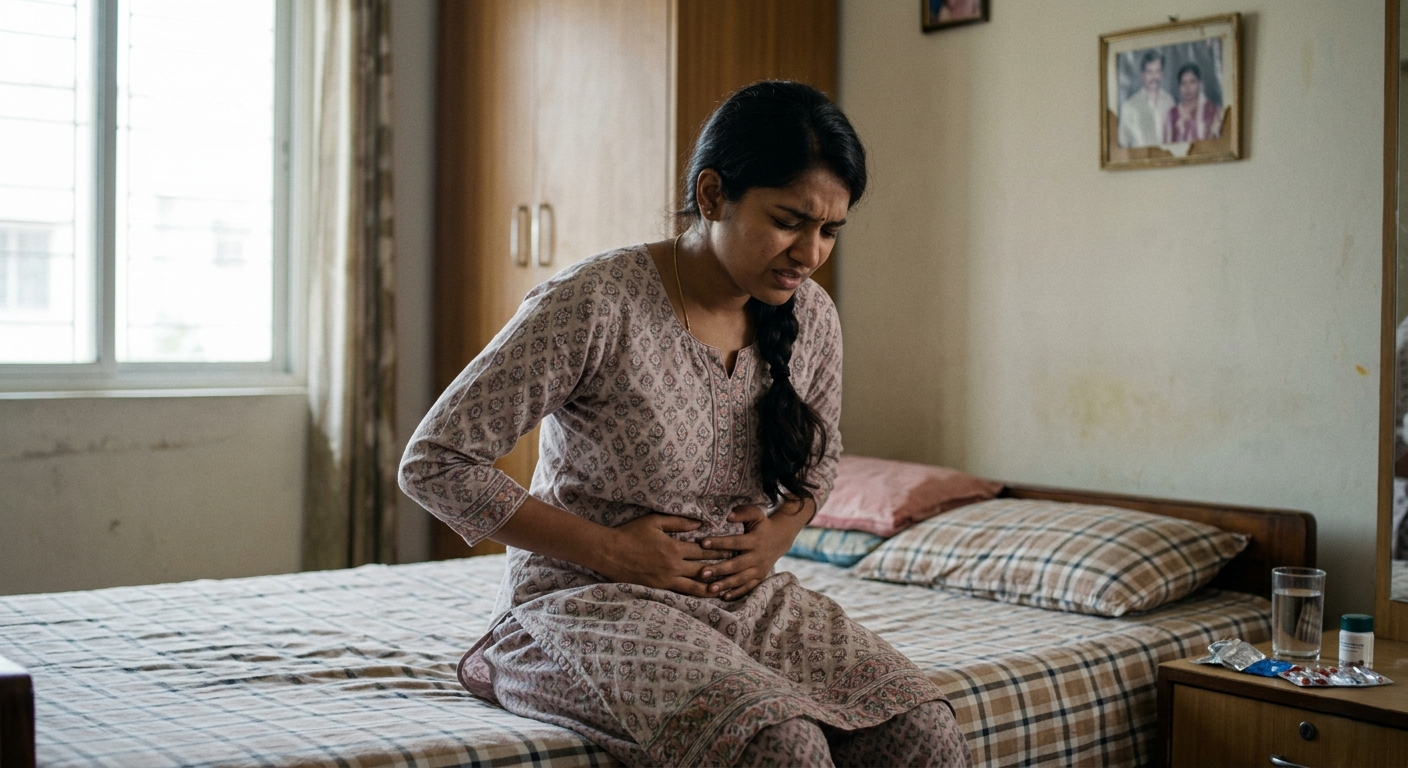
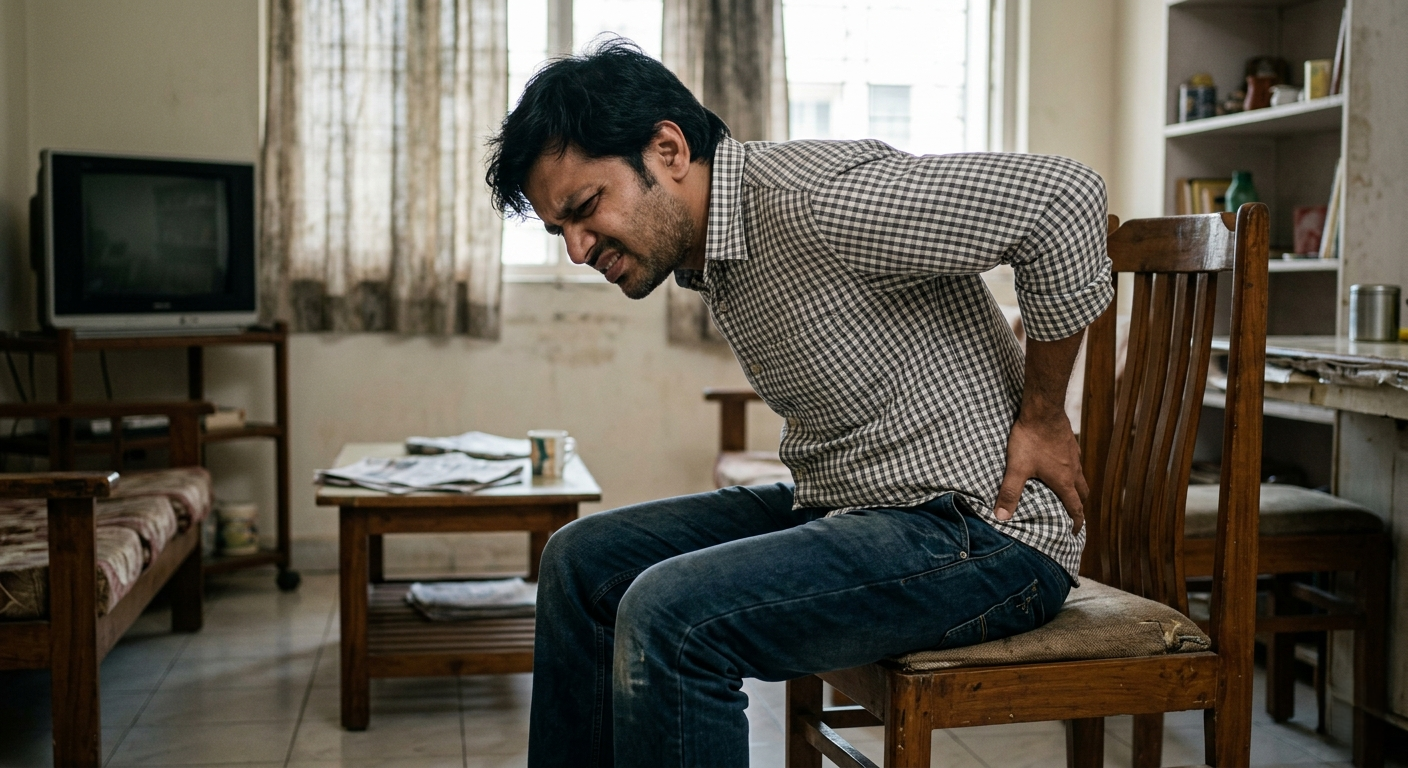
A tearing, burning, or knife-like pain during or immediately after passing stool is the hallmark first symptom of an anal fissure.
2. Bright Red Blood on Toilet Paper
Noticing a small amount of bright red blood on toilet paper or on the surface of stool (not mixed within it) is a classic early indicator.
3. Burning Pain After Passing Stool
The pain does not always stop when the bowel movement ends. Many patients describe a burning or throbbing ache lasting 30 minutes to several hours.
4. Visible Skin Crack or Tear
On careful inspection, a small longitudinal cut in the perianal skin can sometimes be seen. This is the fissure itself.
5. Itching or Irritation Around the Anus
Persistent itching (pruritus ani) or skin irritation around the anal region is an early warning sign that should not be ignored.
6. Reluctance to Pass Stool
Fear of pain may lead a person to suppress defecation, which worsens constipation and makes the fissure deeper over time.
Common Causes of Anal Fissures: Why the Tear Happens
Understanding the cause helps with both prevention and early treatment. The most common reasons a fissure develops include:
- Passing hard, large stools due to constipation
- Chronic diarrhoea that repeatedly irritates the anal canal
- Straining during bowel movements
- Childbirth, particularly vaginal deliveries with perineal tears
- Anal intercourse or instrumentation during medical procedures
- Inflammatory bowel disease (IBD) such as Crohn’s disease
- Reduced blood flow to the anorectal region (especially in older adults)
- Low-fibre diets and inadequate fluid intake
Acute vs Chronic Fissure: Know the Difference
Not every anal fissure is the same. An acute fissure looks like a fresh paper cut — its edges are clean and it typically heals within 4–6 weeks with conservative management (dietary changes, stool softeners, topical treatments).
A chronic fissure has been present longer than 6 weeks and usually develops secondary features: a skin tag at the outer edge (sentinel pile), hypertrophied anal papilla, and exposed internal sphincter muscle fibres at the base of the tear. Chronic fissures generally require medical or surgical intervention.
When to See a Doctor Immediately
Seek urgent care at the best hospital in Kota if you experience rectal bleeding that is heavy, pain that is severe and constant, fever alongside anal pain, or any lump that is growing rapidly near the anus. These could indicate conditions beyond a simple fissure.
Who Is Most at Risk of Developing an Anal Fissure?
While anyone can develop a fissure, certain groups face a higher risk:
- Infants and young children — among the most commonly affected age groups due to hard stools
- Pregnant women and new mothers — due to constipation during pregnancy and the trauma of delivery
- Adults with chronic constipation — the most common risk factor across all age groups
- People with Crohn’s disease or ulcerative colitis — IBD increases anal fissure incidence significantly
- Older adults — reduced circulation to anal tissue makes healing slower
How Is a Fissure Diagnosed at Jain Surgical Hospital — Top Hospital in Kota?
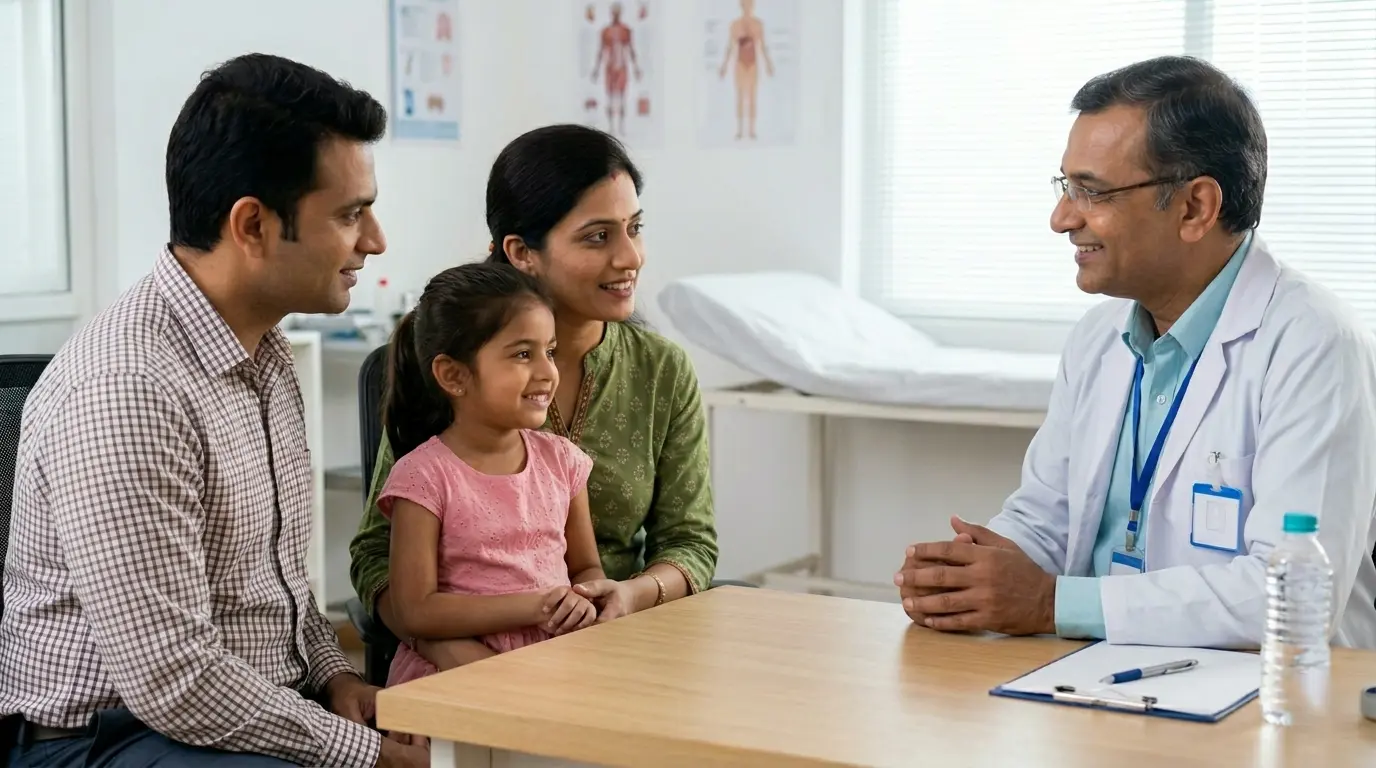
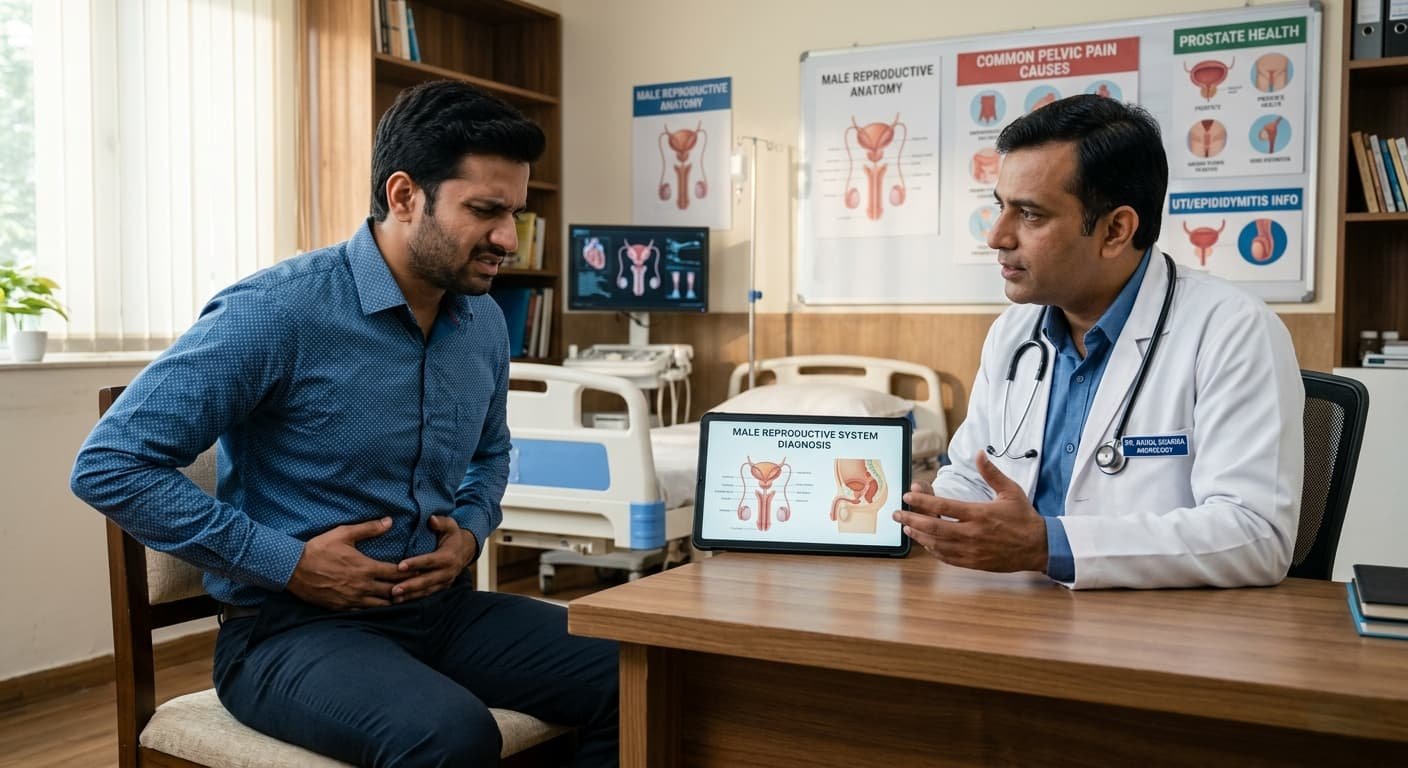
Diagnosis is primarily clinical. An experienced colorectal surgeon at Jain Surgical Hospital will conduct a gentle visual inspection of the perianal area. In most acute cases, a fissure is clearly visible at the posterior midline of the anus without the need for invasive examination.
If a chronic fissure is suspected or if associated conditions need to be ruled out, our team may recommend a limited digital rectal examination, anoscopy, or in some cases, a colonoscopy. All procedures are conducted using modern, hygienic protocols to ensure patient comfort and safety.
Treatment Options for Anal Fissures: From Home Care to Surgery
At Jain Surgical Hospital — a leading multispecialty and best surgical hospital in Kota — treatment is tailored to each patient based on the severity, duration, and underlying cause of the fissure.
- Conservative management: High-fibre diet, increased fluid intake, warm sitz baths (soaking the anal area in warm water for 10–20 minutes several times daily), and stool softeners
- Topical medications: Topical anaesthetics (lidocaine), nitroglycerin ointment, or calcium channel blockers (diltiazem cream) to relax the internal anal sphincter and improve blood flow
- Botulinum toxin (Botox) injection: A minimally invasive office procedure to temporarily relax the sphincter muscle and allow healing
- Lateral Internal Sphincterotomy (LIS): A brief surgical procedure with a very high success rate (>90%), performed under anaesthesia, for chronic fissures that do not respond to other treatments
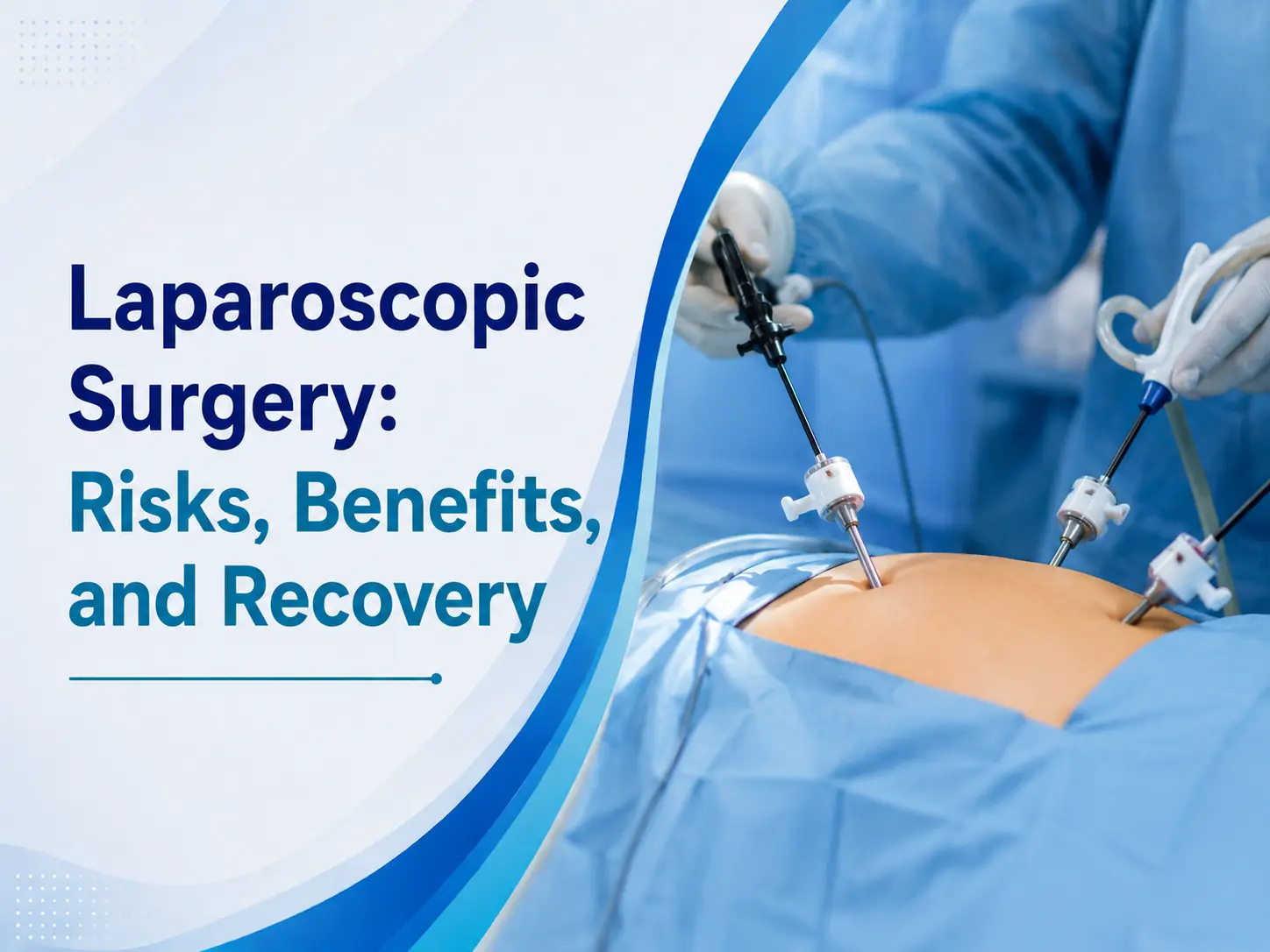
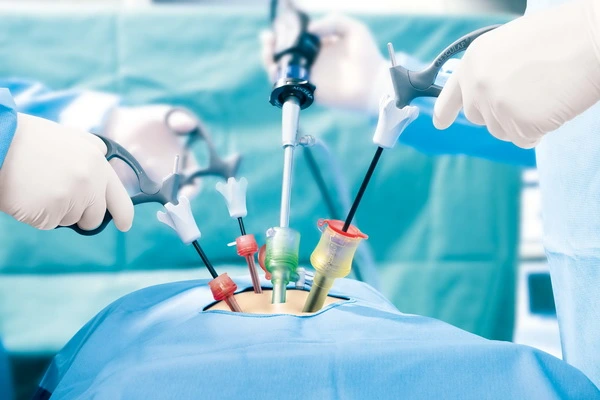
All surgical services at Jain Surgical Hospital use advanced laparoscopic and minimally invasive technology, ensuring faster recovery, minimal scarring, and reduced hospital stay for patients seeking anal fissure treatment.
Prevention: How to Stop a Fissure Before It Starts
Simple lifestyle adjustments can significantly reduce your risk of developing an anal fissure or prevent a healed fissure from returning:
- Eat a diet rich in dietary fibre (fruits, vegetables, whole grains) — aim for 25–30g of fibre daily
- Drink at least 8 glasses of water per day to keep stools soft
- Do not strain or sit on the toilet for extended periods
- Respond to the urge to defecate promptly — do not delay
- Exercise regularly to maintain healthy bowel motility
- Treat diarrhoea promptly to avoid repeated irritation of the anal canal
- Practise gentle perianal hygiene — avoid harsh soaps or aggressive wiping
Did You Know?
Dietary fibre supplementation alone has been shown to reduce recurrence of anal fissures by up to 50% in patients who have previously experienced the condition. Small lifestyle changes make a big difference.
Frequently Asked Questions: –
Q1. Can an anal fissure heal on its own without treatment?
A: Acute fissures heal in 4–6 weeks with care; persistent cases need medical treatment to prevent complications.
Q2. How do I know if I have a fissure or haemorrhoids?
Q3. Is the surgery for a chronic anal fissure painful? What is the recovery time?
Don’t Let Fissure Pain Control Your Life
Get expert anal fissure treatment in Kota from our experienced surgical team. Consultations are confidential, compassionate, and affordable. Book your appointment at Jain Surgical Hospital today.
Reach us at: Jain Surgical Hospital