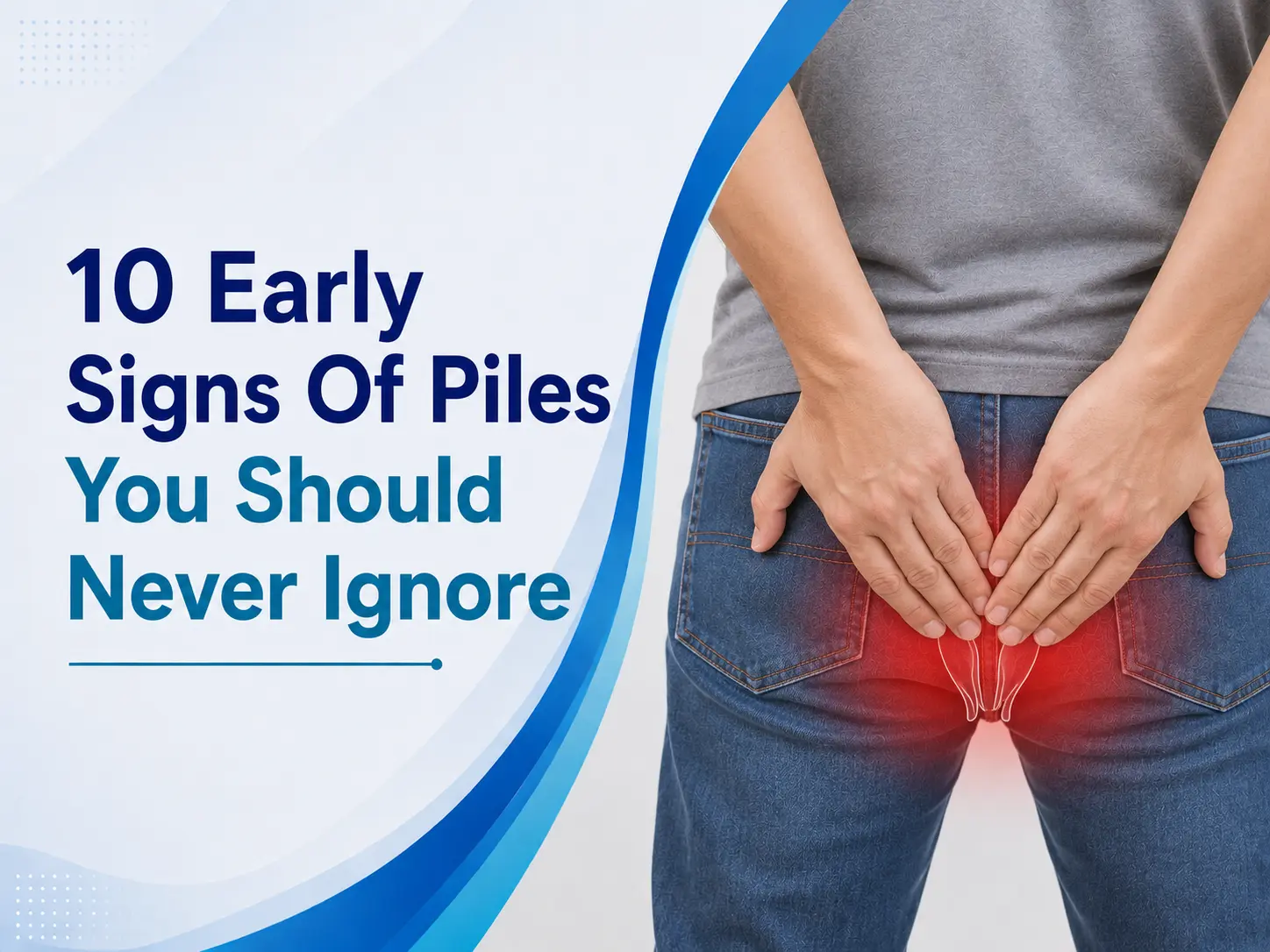
Piles, also known as hemorrhoids, are one of the most common anorectal conditions affecting people of different age groups. Many patients feel relieved after medication or surgery, but a common concern remains: Why Do Piles Come Back After Treatment? Understanding the reasons behind recurrence is important for long-term relief and prevention.
Piles can return when the root causes are not properly managed. Lifestyle habits, constipation, poor diet, prolonged sitting, and straining during bowel movements often continue even after treatment. Patients searching for the best piles doctor kota or advanced piles treatment kota services often want permanent relief and guidance on preventing recurrence.
At Jain Surgical Hospital, experienced specialists provide comprehensive piles management with modern treatment options and patient-focused preventive care.
What Are Piles and Why Do They Develop?
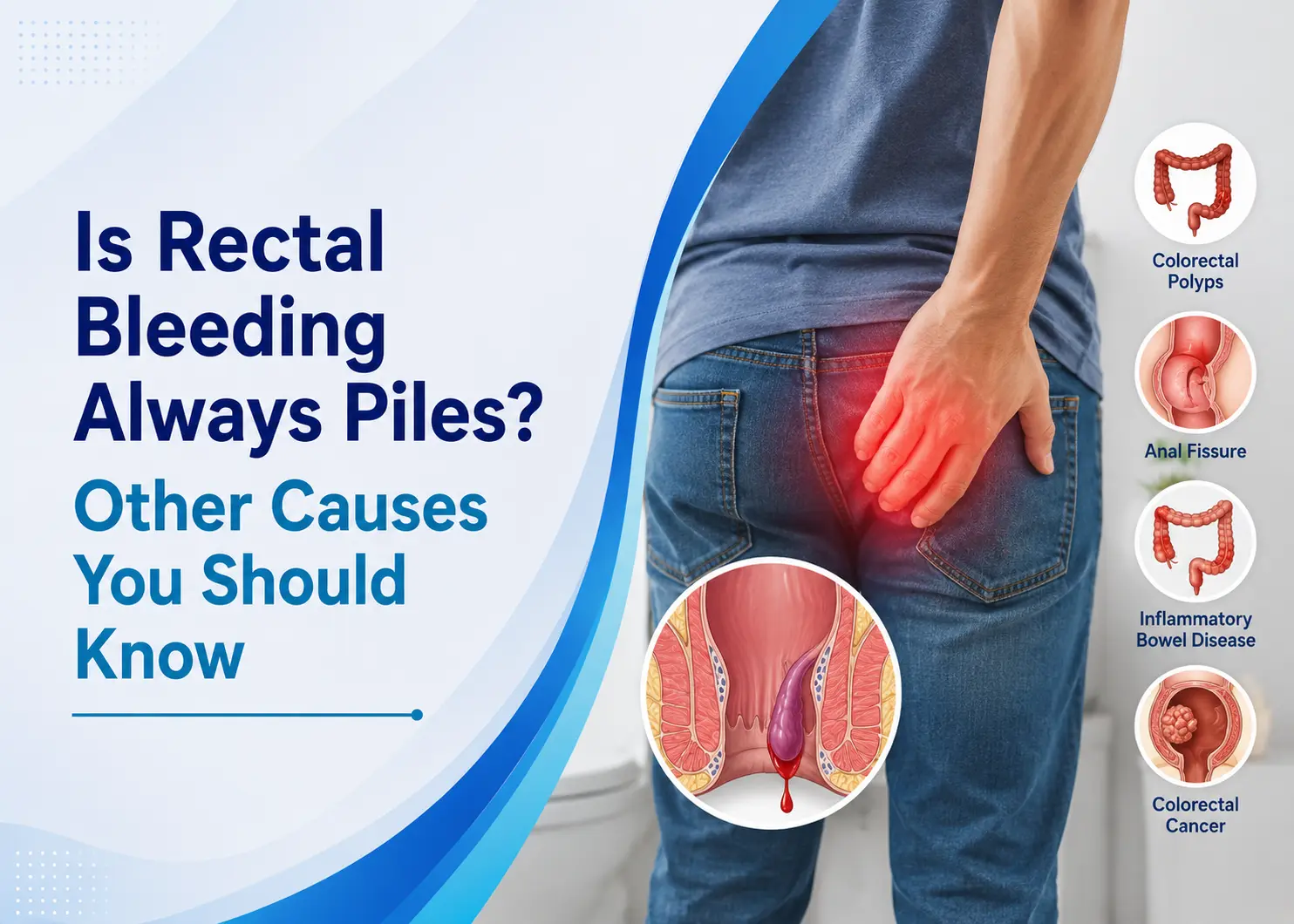
Piles are swollen blood vessels in the rectum or anus caused by increased pressure in the lower rectal area. They may develop internally inside the rectum or externally around the anal opening.
Common causes include:
- Chronic constipation
- Straining during bowel movements
- Sitting for long periods
- Low-fiber diet
- Obesity
- Pregnancy
- Lack of physical activity
Many people initially ignore mild symptoms until discomfort, bleeding, or pain becomes severe.
Understanding the causes helps explain Why Do Piles Come Back After Treatment in some patients.
Why Do Piles Come Back After Treatment?
Piles recurrence is possible if contributing factors continue after treatment. Even successful surgery or medication may not prevent recurrence if daily habits remain unchanged.
Persistent Constipation
Constipation is one of the leading causes of recurring piles. Hard stools and excessive straining place pressure on rectal veins repeatedly.
Low-Fiber Diet
Diets lacking fruits, vegetables, and whole grains may cause irregular bowel movements and increased strain during passing stools.
Sedentary Lifestyle
Long hours of sitting, especially in office jobs, may worsen pressure in the rectal veins.
Obesity
Excess body weight increases pressure on pelvic veins and contributes to hemorrhoid development.
Incomplete Treatment
Some patients stop medications early or avoid follow-up care, leading to recurring symptoms.
Pregnancy and Hormonal Changes
Women may experience piles recurrence during or after pregnancy because of increased pelvic pressure.
This is why consultation with an experienced piles doctor in Kota becomes important for long-term management.
Symptoms That May Indicate Recurring Piles
Patients who previously received treatment should watch for early symptoms of recurrence.
Common signs include:
- Bleeding during bowel movements
- Pain while passing stools
- Itching around the anus
- Swelling near the rectum
- Burning sensation
- Feeling of incomplete bowel evacuation
- Mucus discharge
Early treatment can help prevent worsening complications.
Can Piles Return After Surgery?
Yes, piles can occasionally return even after surgery if preventive measures are not followed. Surgery removes existing hemorrhoids, but it cannot completely eliminate the factors causing increased pressure in rectal veins.
However, recurrence rates may reduce significantly when patients maintain healthy bowel habits and follow medical advice properly.
Modern surgical options offered at the best hospital for piles in Kota focus not only on treatment but also on long-term prevention and lifestyle management.
Lifestyle Habits That Increase the Risk of Piles Recurrence
Several daily habits unknowingly increase the chances of recurring hemorrhoids.
Sitting Too Long on the Toilet
Extended toilet sitting increases pressure on rectal veins.
Ignoring the Urge for Bowel Movement
Delaying bowel movements can make stools harder and difficult to pass.
Low Water Intake
Dehydration contributes to constipation and straining.
Heavy Weight Lifting
Frequent heavy lifting may increase abdominal pressure.
Lack of Exercise
Physical inactivity slows digestion and regularity of bowel movements.
Understanding these risk factors helps patients prevent future problems after piles treatment kota procedures.
How to Prevent Piles from Coming Back
Preventing recurrence requires consistent lifestyle changes and proper bowel care.
Increase Fiber Intake
Fiber softens stools and improves bowel movement regularity.
Good fiber sources include:
- Fruits
- Vegetables
- Whole grains
- Oats
- Seeds
- Legumes
Adults should aim for adequate daily fiber intake to reduce constipation risk.
Drink Plenty of Water
Hydration supports healthy digestion and stool consistency.
Avoid Straining
Straining during bowel movements increases pressure on rectal veins.
Stay Physically Active
Regular exercise improves bowel function and circulation.
Maintain Healthy Weight
Weight management helps reduce pelvic pressure.
Follow Medical Advice
Patients should complete medications and attend follow-up appointments after treatment.
These preventive measures are essential for reducing recurrence after consulting a best piles doctor in Kota.
Importance of Early Treatment for Piles
Ignoring the symptoms may worsen the condition over time. Early diagnosis often allows simpler and less invasive treatment options.
Benefits of early treatment include:
- Faster recovery
- Reduced pain
- Lower risk of complications
- Better symptom control
- Prevention of severe hemorrhoids
Patients experiencing bleeding or persistent anal discomfort should seek medical evaluation promptly.
Modern Treatment Options for Piles
Treatment depends on the severity and grade of hemorrhoids.
Lifestyle and Dietary Management
Mild cases may improve with dietary changes, hydration, and bowel habit correction.
Medications
Doctors may prescribe:
- Pain-relief medicines
- Stool softeners
- Anti-inflammatory creams
- Fiber supplements
Minimally Invasive Procedures
Advanced non-surgical treatments may include:
- Rubber band ligation
- Sclerotherapy
- Infrared coagulation
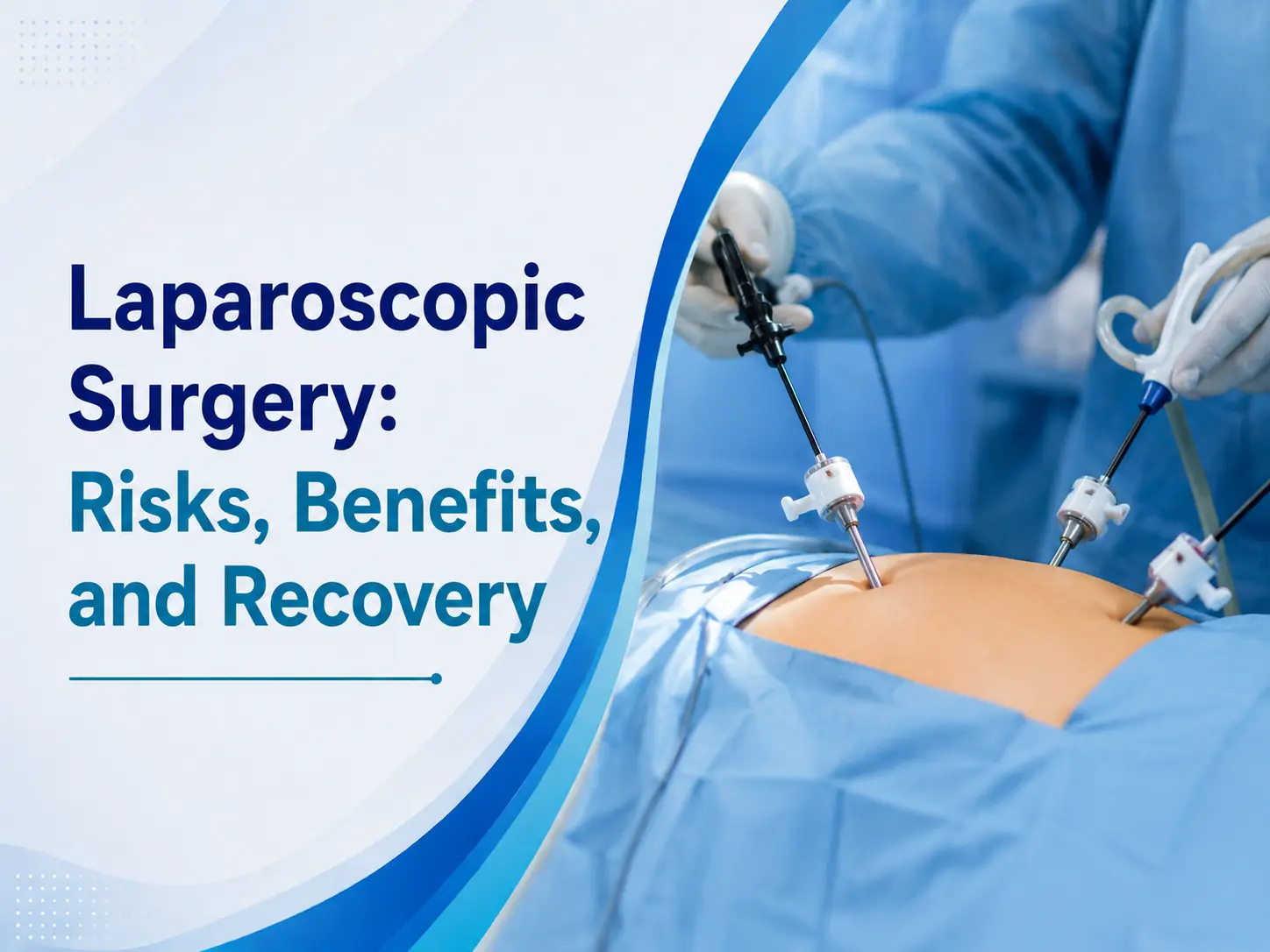
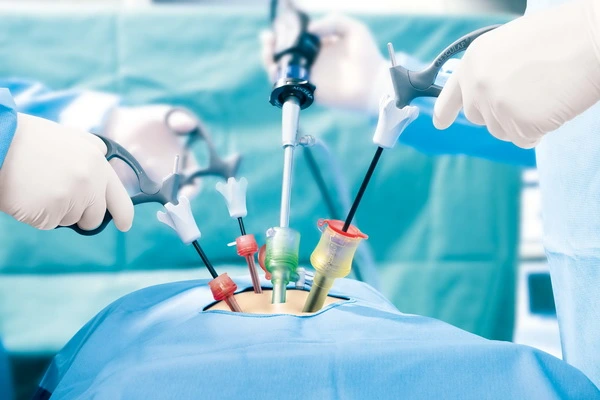
Laser Piles Surgery
Laser treatment offers:
- Reduced bleeding
- Faster recovery
- Less pain
- Short hospital stay
Hemorrhoidectomy
Severe piles may require surgical removal.
At Jain Surgical Hospital, modern piles treatment kota options are available based on individual patient needs.
Is Diet Important After Piles Treatment?
Diet plays a major role in preventing recurrence.
Patients recovering from piles treatment should avoid:
- Excess spicy foods
- Highly processed foods
- Junk food
- Low-fiber meals
Instead, they should focus on:
- High-fiber foods
- Fresh fruits
- Salads
- Soups
- Adequate hydration
Long-term dietary improvement supports healthy bowel habits and reduces recurrence risk.
The Role of Stress and Digestive Health
Stress may indirectly worsen piles by affecting digestion and bowel regularity.
Stress-related digestive issues may lead to:
- Constipation
- Irregular bowel movements
- Increased straining
Stress management techniques such as yoga, walking, and relaxation exercises may support digestive wellness.
When Should You Consult a Piles Specialist?
Some symptoms require immediate medical attention.
Consult a piles doctor kota if you experience:
- Persistent rectal bleeding
- Severe pain
- Swelling around the anus
- Difficulty sitting
- Recurrent symptoms after treatment
- Constipation lasting several days
Professional evaluation helps confirm diagnosis and rule out other digestive conditions.
Why Choosing the Right Hospital Matters
Advanced treatment technology and experienced specialists play an important role in successful piles management.
The best hospital for piles kota should provide:
- Accurate diagnosis
- Advanced treatment options
- Minimally invasive procedures
- Experienced surgeons
- Post-treatment guidance
- Long-term prevention support
Comprehensive care improves patient comfort and treatment outcomes.
Advanced Piles Care at Jain Surgical Hospital
Jain Surgical Hospital offers advanced anorectal care with modern diagnostic and treatment facilities.
The hospital focuses on:
- Personalized piles treatment
- Laser piles surgery
- Minimally invasive procedures
- Faster patient recovery
- Patient education and prevention guidance
Patients searching for trusted piles treatment kota, experienced piles doctor kota, or the best piles doctor kota can benefit from comprehensive care and advanced treatment support.
Long-Term Prevention Tips After Piles Treatment
Preventing recurrence requires daily consistency.
Helpful long-term habits include:
- Eating fiber-rich foods daily
- Drinking enough water
- Exercising regularly
- Avoiding prolonged sitting
- Maintaining healthy body weight
- Using proper toilet habits
- Seeking early treatment for constipation
Small lifestyle improvements can significantly reduce future piles problems.
Frequently Asked Questions (FAQs)
Can piles return after laser surgery?
Yes, piles can return if constipation, straining, poor diet, or unhealthy lifestyle habits continue after surgery. However, recurrence risk may reduce with proper preventive care.
What foods help prevent piles recurrence?
High-fiber foods such as fruits, vegetables, oats, whole grains, and legumes help improve bowel movements and reduce constipation risk.
When should I see a doctor for recurring piles?
You should consult a specialist if you experience bleeding, pain, swelling, or recurring symptoms after previous treatment.
Conclusion
Understanding Why Do Piles Come Back After Treatment helps patients focus not only on symptom relief but also on long-term prevention. Constipation, poor diet, prolonged sitting, obesity, and unhealthy bowel habits are among the most common reasons for recurrence.
The good news is that the recurrence can often be reduced through healthy lifestyle changes, early treatment, and proper medical guidance. Timely consultation with an experienced best piles doctor in Kota can help identify the underlying causes and provide effective treatment options.
Jain Surgical Hospital offers advanced piles treatment services in Kota with modern minimally invasive procedures and comprehensive patient care designed to improve comfort and reduce recurrence risk.