Pain, discomfort, or bleeding around the anus can be alarming, and many people assume all anorectal conditions are the same. However, Anal Fistula vs Anal Fissure is a comparison that highlights two very different conditions. Although both affect the anal region and may cause pain, they differ significantly in their causes, symptoms, severity, and treatment.
Understanding these differences is important because the right diagnosis leads to the right treatment. While an anal fissure often heals with medications and lifestyle changes, an anal fistula usually requires surgical treatment. Patients seeking best hospital in Kota for anorectal disorders should always undergo a proper medical evaluation instead of self-diagnosing.
At Jain Surgical Hospital, experienced specialists provide comprehensive diagnosis and advanced treatment for both anal fissures and anal fistulas using modern and minimally invasive techniques.
Understanding the Difference Between Anal Fistula and Anal Fissure
Although the names sound similar, these conditions affect different tissues and develop for different reasons.
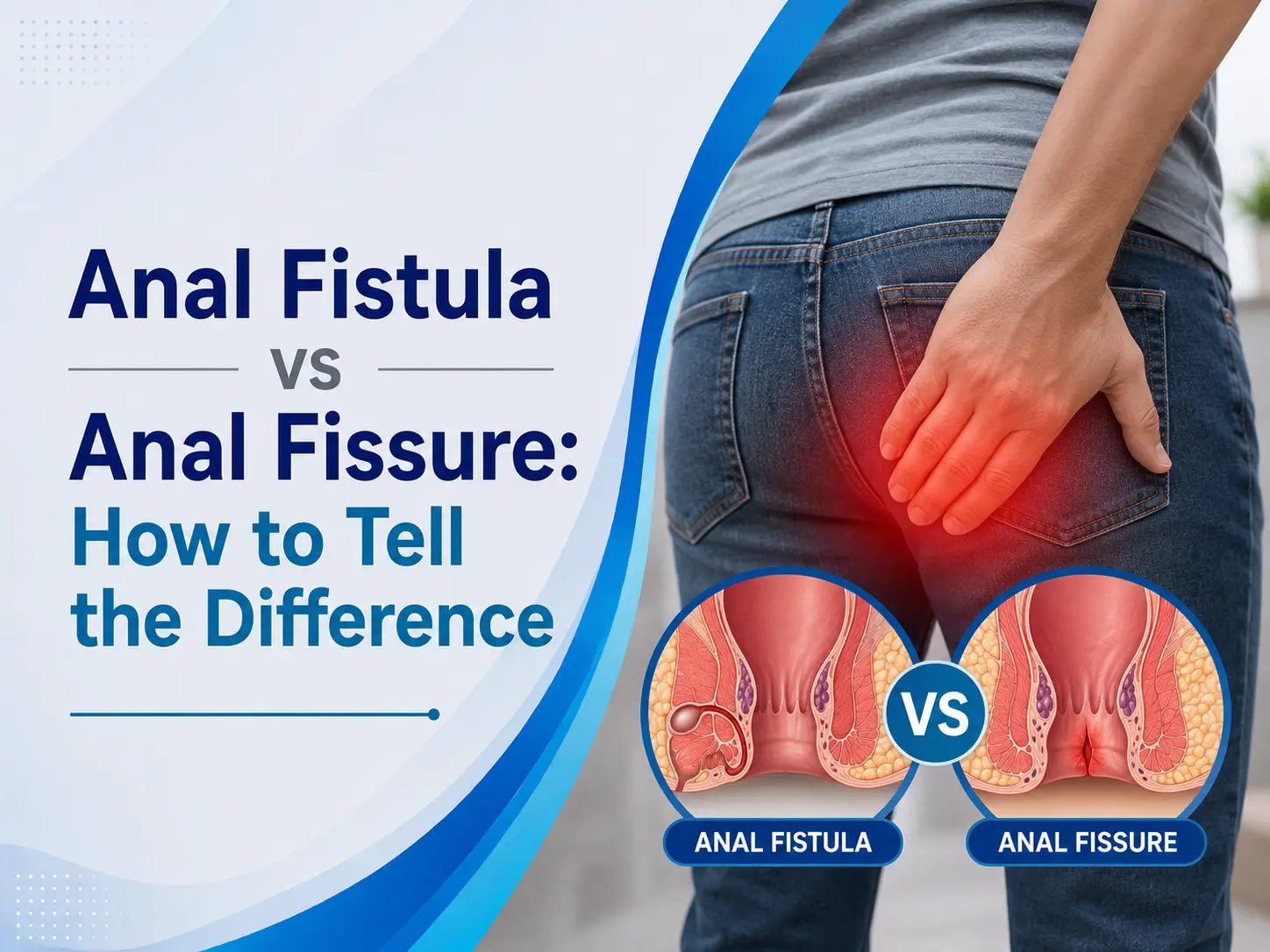
- Anal Fissure: A small tear in the lining of the anal canal.
- Anal Fistula: An abnormal tunnel connecting the anal canal to the skin around the anus.
Knowing the difference helps patients seek timely treatment and avoid unnecessary complications.
What Is an Anal Fissure?
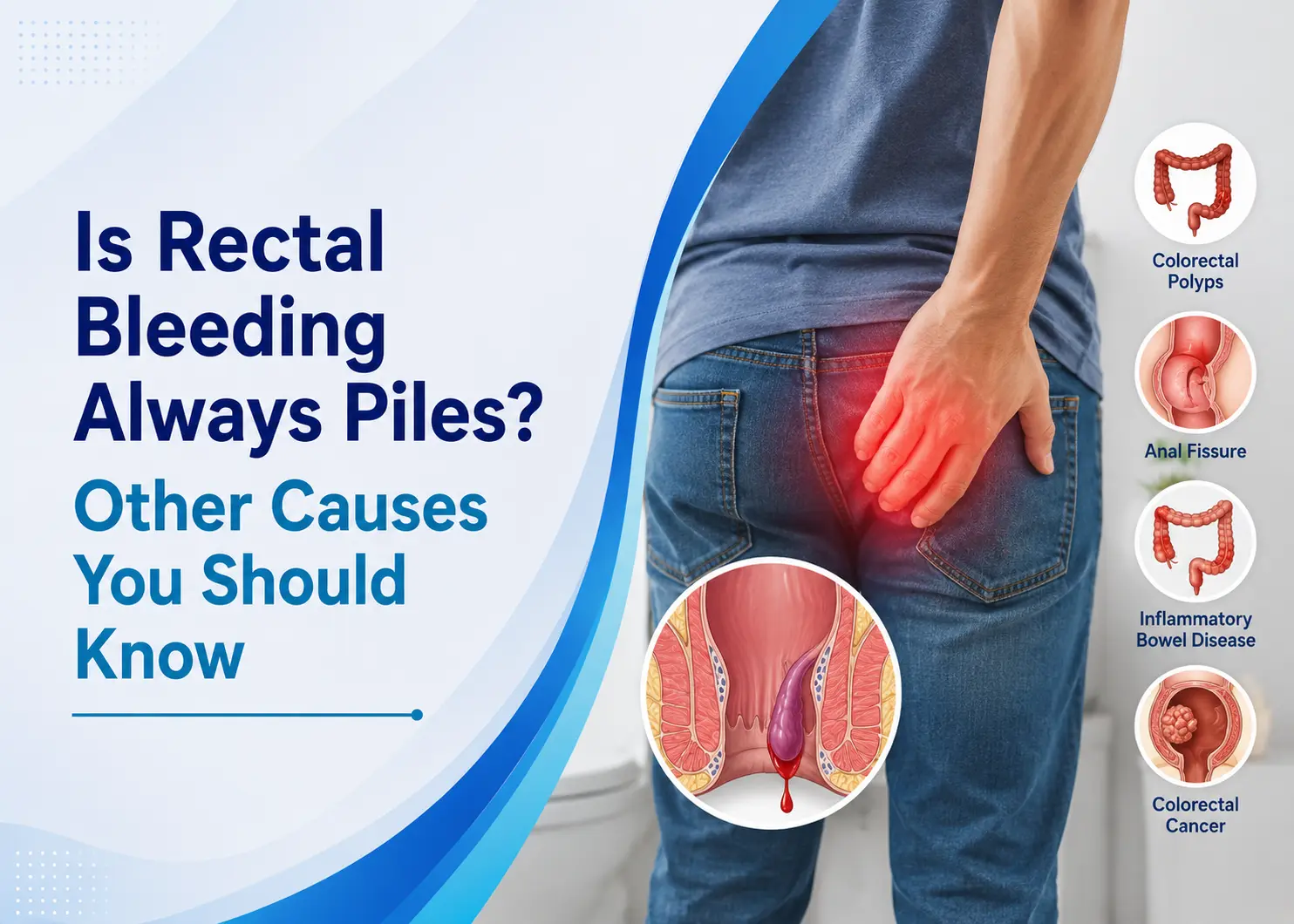
An anal fissure is a small crack or tear in the delicate lining of the anus.
It commonly develops due to:
- Passing hard stools
- Chronic constipation
- Severe diarrhea
- Childbirth
- Excessive straining during bowel movements
Most acute fissures heal with conservative treatment if diagnosed early.
Patients experiencing persistent symptoms may require evaluation by an anal fissure specialist in Kota.
What Is an Anal Fistula?
An anal fistula is a narrow tunnel that forms between the anal canal and the skin surrounding the anus.
It usually develops after:
- An infected anal gland
- A previous abscess
- Crohn’s disease
- Trauma
- Previous anorectal surgery
Unlike fissures, fistulas rarely heal on their own and generally require anal fistula treatment in Kota.
Anal Fistula vs Anal Fissure: Causes
Although both conditions affect the same area, their causes are quite different.
Causes of Anal Fissure
- Constipation
- Hard bowel movements
- Anal trauma
- Chronic diarrhea
- Childbirth
Causes of Anal Fistula
- Anal abscess
- Infection of anal glands
- Crohn’s disease
- Tuberculosis (rare)
- Previous anorectal infection
Understanding the underlying cause helps doctors recommend the most appropriate treatment.
Anal Fistula vs Anal Fissure: Symptoms
Recognizing the symptoms can help patients understand which condition they may have.
Symptoms of Anal Fissure
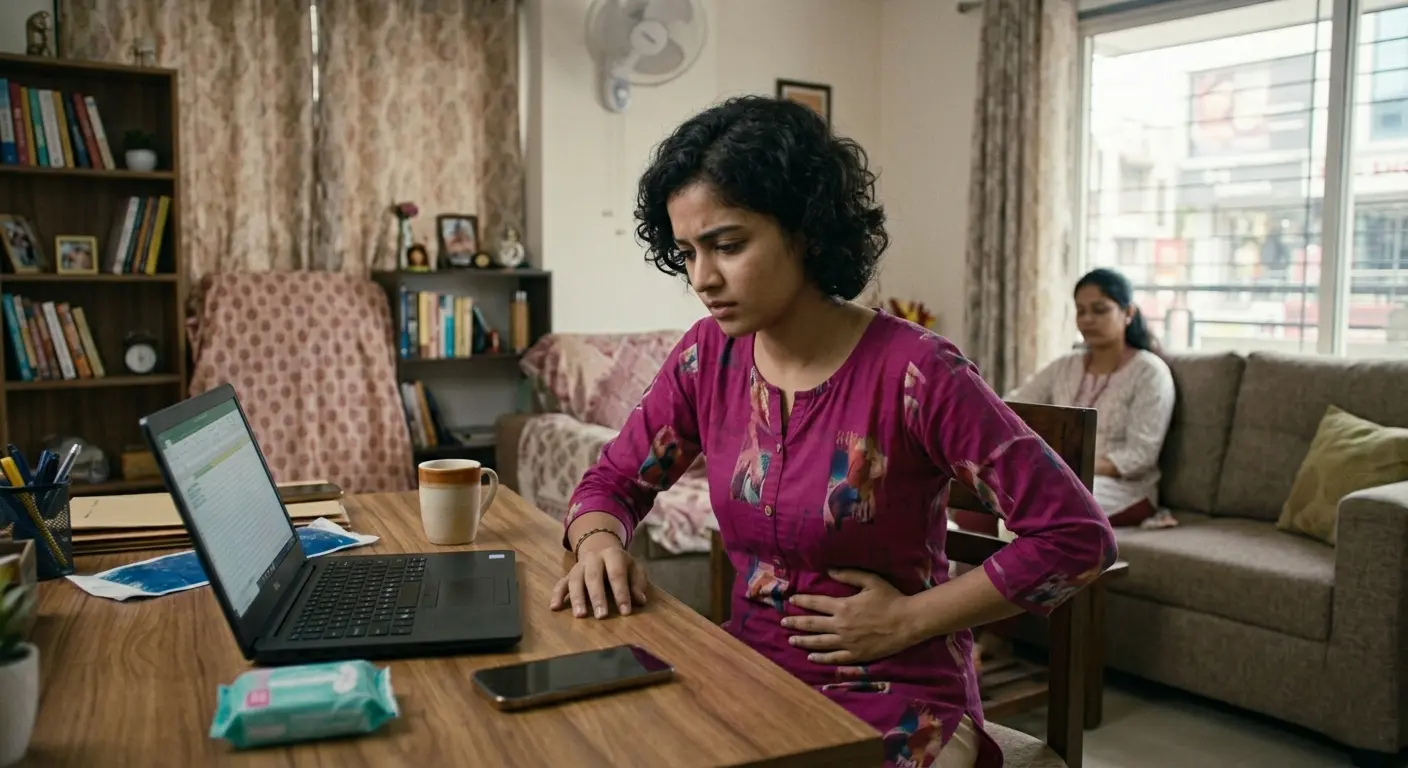
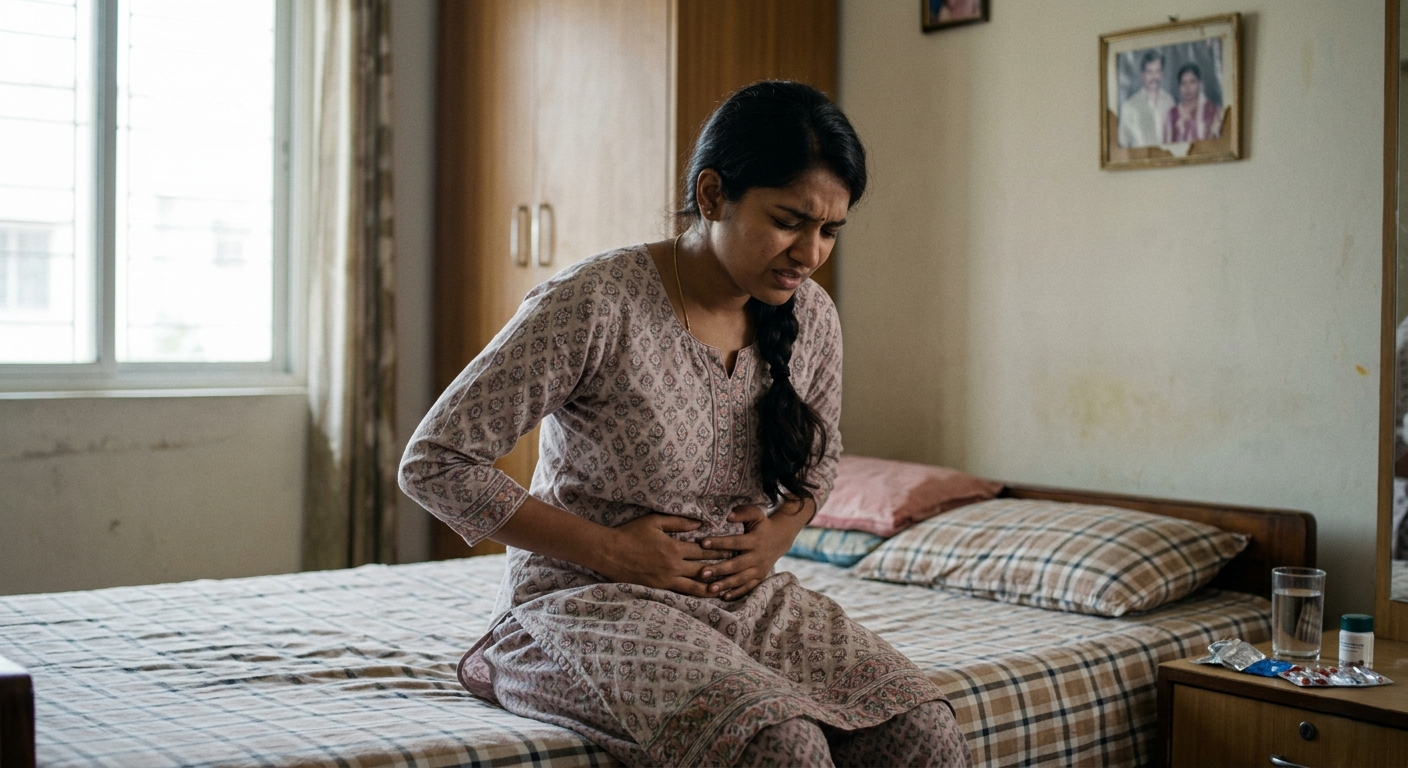
- Sharp pain during bowel movements
- Burning sensation
- Bright red bleeding
- Pain lasting for several minutes after passing stool
- Visible tear near the anus
Symptoms of Anal Fistula
- Constant pain around the anus
- Swelling
- Pus or foul-smelling discharge
- Skin irritation
- Recurrent abscesses
- Fever in severe infections
Persistent discharge is one of the strongest indicators of an anal fistula.
Key Differences Between Anal Fistula and Anal Fissure
| Anal Fissure | Anal Fistula |
| Tear in anal lining | Tunnel connecting anal canal to skin |
| Usually caused by constipation | Usually develops after infection |
| Severe pain during bowel movement | Constant pain and swelling |
| Mild bleeding | Pus discharge is common |
| Often heals with medication | Usually requires surgery |
Although both conditions involve the anal region, they require different treatment approaches.
When Should You See a Doctor?
Medical evaluation is recommended if you experience:
- Persistent anal pain
- Bleeding during bowel movements
- Pus discharge
- Recurrent swelling
- Fever with anal pain
- Difficulty sitting comfortably
Ignoring symptoms may lead to worsening infection or chronic disease.
How Doctors Diagnose These Conditions
Diagnosis usually begins with a detailed history and physical examination.
Additional investigations may include:
Visual Examination
Helpful for identifying fissures and external fistulas.
Digital Rectal Examination
Allows assessment of surrounding tissues.
Anoscopy
Provides a clear view of the anal canal.
MRI or Ultrasound
Used for complex fistulas to identify the complete tract before surgery.
Accurate diagnosis ensures effective treatment and reduces the risk of recurrence.
Treatment for Anal Fissure
Many fissures respond well to conservative management.
Treatment options include:
- High-fiber diet
- Increased water intake
- Stool softeners
- Warm sitz baths
- Prescription creams
- Pain relief medication
If symptoms persist despite conservative treatment, surgery may be recommended at a specialized fissure surgery hospital in Kota.
Treatment for Anal Fistula
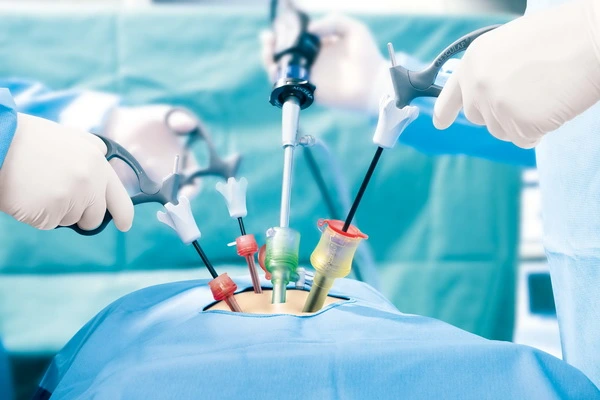
Unlike fissures, fistulas almost always require surgery because the abnormal tunnel does not close on its own.
Treatment options include:
- Fistulotomy
- Laser fistula treatment
- Seton placement
- Advanced sphincter-preserving procedures
Patients looking for fistula surgery in Kota benefit from early intervention to prevent recurrent infections.
Can These Conditions Be Prevented?
Although not every case is preventable, healthy bowel habits significantly reduce the risk.
Helpful preventive measures include:
- Eat a high-fiber diet
- Drink plenty of water
- Avoid constipation
- Exercise regularly
- Maintain good anal hygiene
- Seek early treatment for anal abscesses
These lifestyle habits support long-term anorectal health.
Possible Complications If Left Untreated
Ignoring symptoms may result in serious complications.
Untreated Anal Fissure
- Chronic fissure
- Persistent pain
- Muscle spasm
- Difficulty passing stool
Untreated Anal Fistula
- Recurrent abscesses
- Continuous pus discharge
- Chronic infection
- Multiple fistula tracts
- Reduced quality of life
Early diagnosis reduces the risk of complications and improves treatment success.
Why Choose Jain Surgical Hospital?
Jain Surgical Hospital offers advanced care for anorectal disorders using modern diagnostic techniques and minimally invasive treatment options.
Services include:
- Comprehensive anorectal evaluation
- Advanced anal fistula treatment Kota
- Expert fissure treatment in Kota
- Laser procedures
- Surgical management of complex fistulas
- Personalized recovery plans
Patients searching for the best fistula surgeon Kota, a trusted fistula operation hospital Kota, or an experienced anal fissure specialist Kota receive compassionate, evidence-based care focused on long-term relief.
Frequently Asked Questions (FAQs)
How can I tell if I have a fissure or a fistula?
A fissure usually causes sharp pain and bleeding during bowel movements, while a fistula often causes persistent pain, swelling, and pus discharge. A medical examination is needed for an accurate diagnosis.
Can an anal fistula heal without surgery?
In most cases, no. An anal fistula usually requires surgery because the abnormal tunnel rarely closes on its own.
Is surgery always needed for an anal fissure?
No. Most acute anal fissures heal with medications, dietary changes, and proper bowel habits. Surgery is generally considered only for chronic or non-healing fissures.
Understanding Anal Fistula vs Anal Fissure is essential because these conditions, although similar in location, differ greatly in their causes, symptoms, and treatment. Anal fissures are small tears that often improve with conservative care, while anal fistulas are abnormal tunnels that usually require surgical intervention.
Recognizing warning signs such as persistent pain, bleeding, swelling, or pus discharge and seeking medical attention early can prevent complications and improve recovery. Delaying treatment may lead to chronic discomfort, infection, or recurrent disease.
At Jain Surgical Hospital, patients receive accurate diagnosis, personalized treatment plans, and advanced surgical care for both anal fissures and anal fistulas. Our goal is to provide effective treatment, faster recovery, and long-term relief so patients can return to a healthy and comfortable life.
Book Your Consultation Today
If you are experiencing anal pain, bleeding, swelling, or discharge, don’t ignore the symptoms. Schedule a consultation at Jain Surgical Hospital for expert evaluation, advanced anal fistula treatment Kota, specialized fissure treatment in Kota, and compassionate care tailored to your needs.