

Women’s health is influenced by various physical, hormonal, and reproductive factors throughout life. From adolescence to menopause, gynecological conditions can affect overall well-being, fertility, pregnancy, and quality of life. Understanding the Top 10 Gynaecological Issues every woman should know about can help with early diagnosis, timely treatment, and better long-term health outcomes.
Unfortunately, many women ignore symptoms such as irregular periods, pelvic pain, abnormal bleeding, or unusual discharge because they assume these problems are normal. However, early medical evaluation can prevent complications and improve treatment success. Women searching for a trusted gynaecologist kota or the best gynecologist kota often seek answers about common gynecological concerns and how they can protect their reproductive health.
At Jain Surgical Hospital, comprehensive women’s healthcare services are designed to provide personalized diagnosis, treatment, and preventive care for every stage of life.
Why Understanding Common Gynecological Problems Is Important
Many gynecological conditions develop gradually and may not cause severe symptoms in the early stages.
Without timely treatment, some issues may lead to:
- Chronic pain
- Fertility problems
- Pregnancy complications
- Hormonal imbalances
- Reduced quality of life
Understanding the Top 10 Gynaecological Issues can help women recognize warning signs and seek appropriate care sooner.
1. Irregular Menstrual Cycles
Irregular periods are among the most common reasons women visit a gynecologist.
Symptoms may include:
- Delayed periods
- Frequent periods
- Missed cycles
- Unpredictable bleeding
Hormonal changes, stress, thyroid disorders, and reproductive health conditions can contribute to menstrual irregularities.
Persistent changes in menstrual patterns should always be medically evaluated.
2. Polycystic Ovary Syndrome (PCOS)
PCOS is a common hormonal disorder that affects many women during their reproductive years.
Common symptoms include:
- Irregular periods
- Weight gain
- Excess facial hair
- Acne
- Difficulty conceiving
PCOS can affect fertility and long-term metabolic health if not properly managed.
Early diagnosis and lifestyle modifications can help control symptoms effectively.
3. Endometriosis
Endometriosis occurs when tissue similar to the uterine lining grows outside the uterus.
This condition may cause:
- Severe menstrual pain
- Pelvic discomfort
- Pain during intercourse
- Fertility difficulties
Because symptoms often resemble normal menstrual discomfort, diagnosis is frequently delayed.
Consulting the best gynecologist kota can help identify and manage endometriosis early.
4. Uterine Fibroids
Fibroids are non-cancerous growths that develop within the uterus.
Many women experience:
- Heavy menstrual bleeding
- Pelvic pressure
- Frequent urination
- Abdominal swelling
Some fibroids cause no symptoms, while others may require medical or surgical treatment.
Regular gynecological evaluations can help detect fibroids before complications occur.
5. Ovarian Cysts
Ovarian cysts are fluid-filled sacs that develop on the ovaries.
Many cysts resolve naturally without treatment.
However, larger cysts may cause:
- Pelvic pain
- Bloating
- Menstrual irregularities
- Abdominal discomfort
Persistent or symptomatic cysts should be monitored by an experienced gynaecologist kota.
6. Pelvic Inflammatory Disease (PID)
PID is an infection affecting the female reproductive organs.
It often develops when untreated infections spread to the uterus, fallopian tubes, or ovaries.
Common symptoms include:
- Pelvic pain
- Fever
- Abnormal vaginal discharge
- Pain during intercourse
Early treatment is important because untreated PID may increase the risk of infertility.
7. Heavy Menstrual Bleeding (Menorrhagia)
Heavy periods are more than just an inconvenience.
Women experiencing excessive menstrual bleeding may notice:
- Frequent pad changes
- Passing large blood clots
- Fatigue
- Dizziness
Heavy bleeding can result from hormonal imbalances, fibroids, adenomyosis, or other gynecological conditions.
Women should seek evaluation if heavy periods affect daily life or overall health.
8. Vaginal Infections
Vaginal infections are extremely common and can affect women of all ages.
Symptoms may include:
- Itching
- Burning sensation
- Unusual discharge
- Foul odor
- Irritation
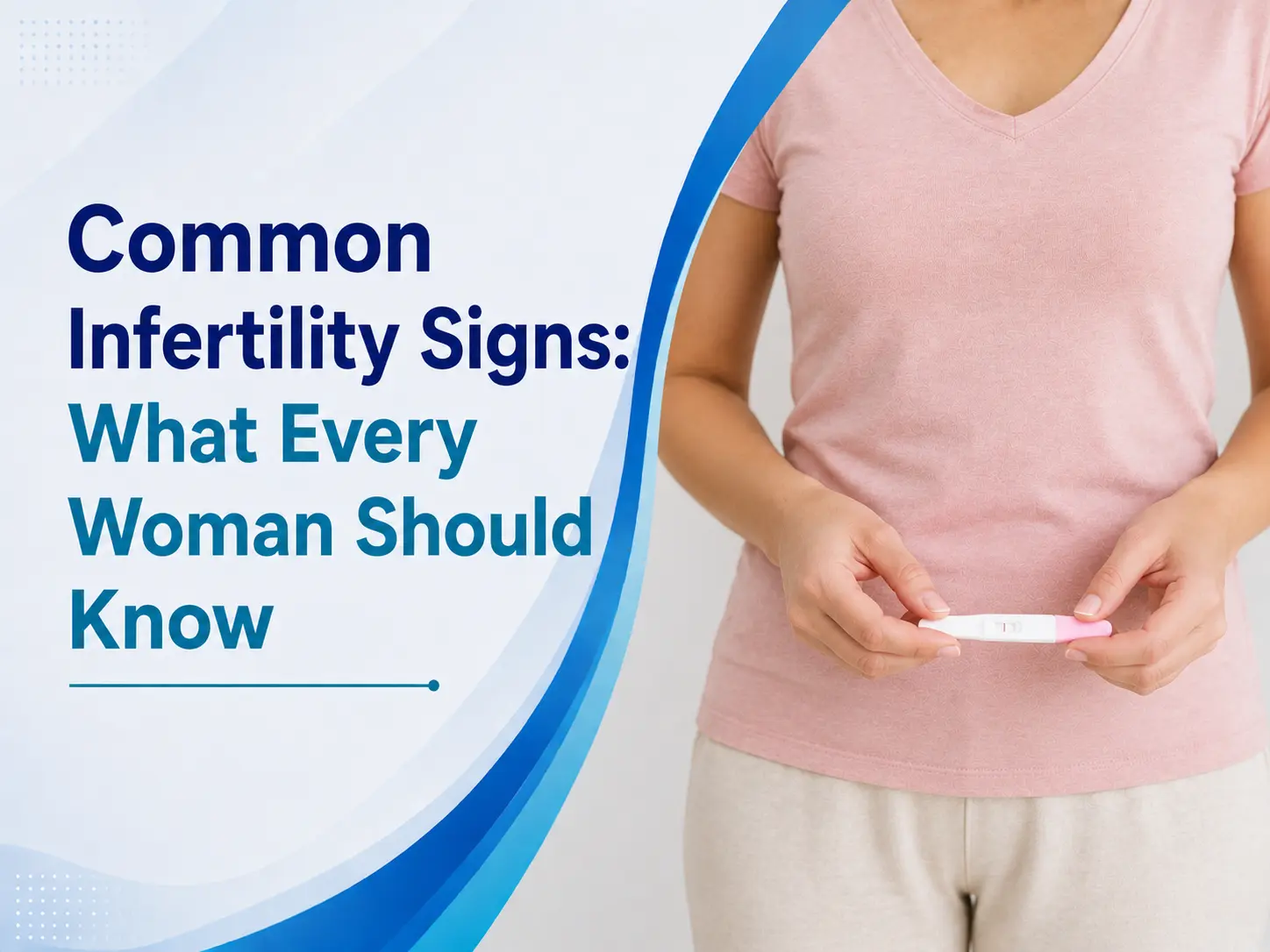
9. Infertility and Reproductive Challenges
Infertility affects many couples and can have various underlying causes.
Female infertility may result from:
- Ovulation disorders
- PCOS
- Endometriosis
- Fallopian tube blockage
- Hormonal imbalance
Early fertility assessment can improve treatment outcomes and family planning opportunities.
10. Menopause-Related Health Concerns
Menopause is a natural stage of life but may bring several health challenges.
Common symptoms include:
- Hot flashes
- Mood changes
- Sleep disturbances
- Vaginal dryness
- Bone density loss
Many women benefit from medical guidance to manage symptoms and maintain overall wellness during menopause.
Common Warning Signs Women Should Never Ignore
Many gynecological conditions share similar symptoms.
Women should consult a specialist if they experience:
- Persistent pelvic pain
- Abnormal bleeding
- Unusual vaginal discharge
- Severe menstrual cramps
- Pain during intercourse
- Missed periods
- Fertility concerns
Early diagnosis often leads to more effective treatment and improved outcomes.
How Lifestyle Influences Gynecological Health
Healthy lifestyle habits play an important role in reproductive wellness.
Important habits include:
Balanced Nutrition
A healthy diet supports hormonal balance and overall health.
Regular Exercise
Physical activity helps maintain healthy weight and metabolic function.
Stress Management
Chronic stress can affect hormones and menstrual cycles.
Adequate Sleep
Good sleep supports hormonal regulation and immune health.
Regular Health Checkups
Routine gynecological examinations help identify issues before symptoms worsen.
Pregnancy and Women’s Reproductive Health
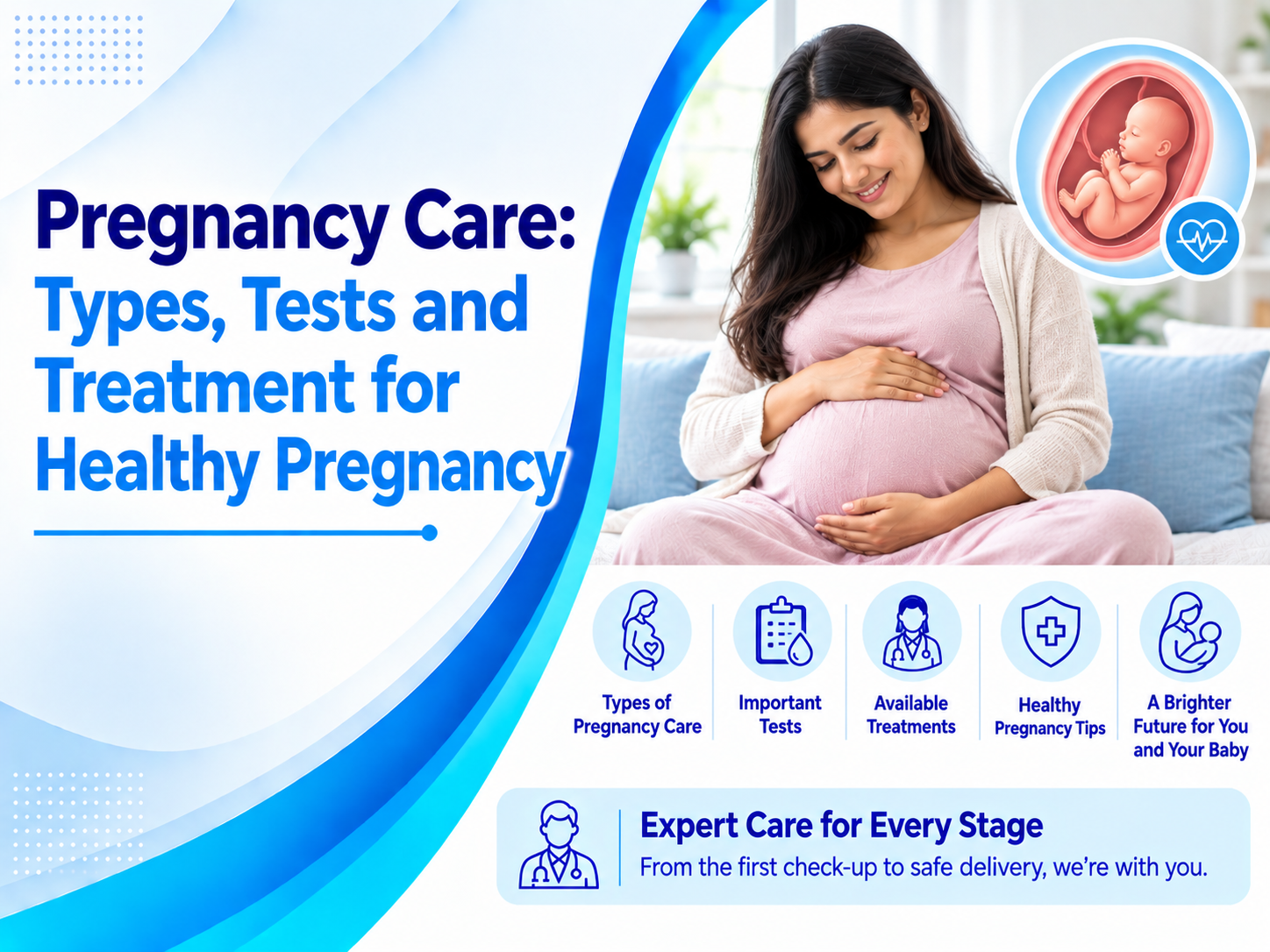
Gynecological care plays a crucial role during pregnancy planning and childbirth.
Women considering pregnancy should undergo routine evaluations to identify:
- Hormonal disorders
- Reproductive health concerns
- Nutritional deficiencies
- Existing medical conditions
Access to quality maternity services and painless delivery kota options can contribute to a safer and more comfortable pregnancy journey.
When Should You Visit a Gynecologist?
Women should not wait for severe symptoms before seeking care.
It is advisable to consult a gynecologist for:
- Annual checkups
- Menstrual concerns
- Fertility evaluation
- Pregnancy planning
- Pelvic pain
- Menopause management
Regular consultations with the best gynecologist hospital kota can help maintain long-term reproductive health.
How Gynecological Conditions Are Diagnosed
Doctors may recommend several diagnostic methods based on symptoms.
These may include:
Physical Examination
Evaluation of reproductive health and symptoms.
Ultrasound
Used to identify fibroids, cysts, and other abnormalities.
Blood Tests
Helpful for hormonal and metabolic assessment.
Pap Smear
Screens for cervical health concerns.
Advanced Imaging
May be recommended for complex conditions.
Accurate diagnosis helps ensure the most appropriate treatment plan.
Treatment Options for Common Gynecological Issues
Treatment varies depending on the condition and severity.
Options may include:
- Lifestyle modifications
- Hormonal therapy
- Medications
- Minimally invasive procedures
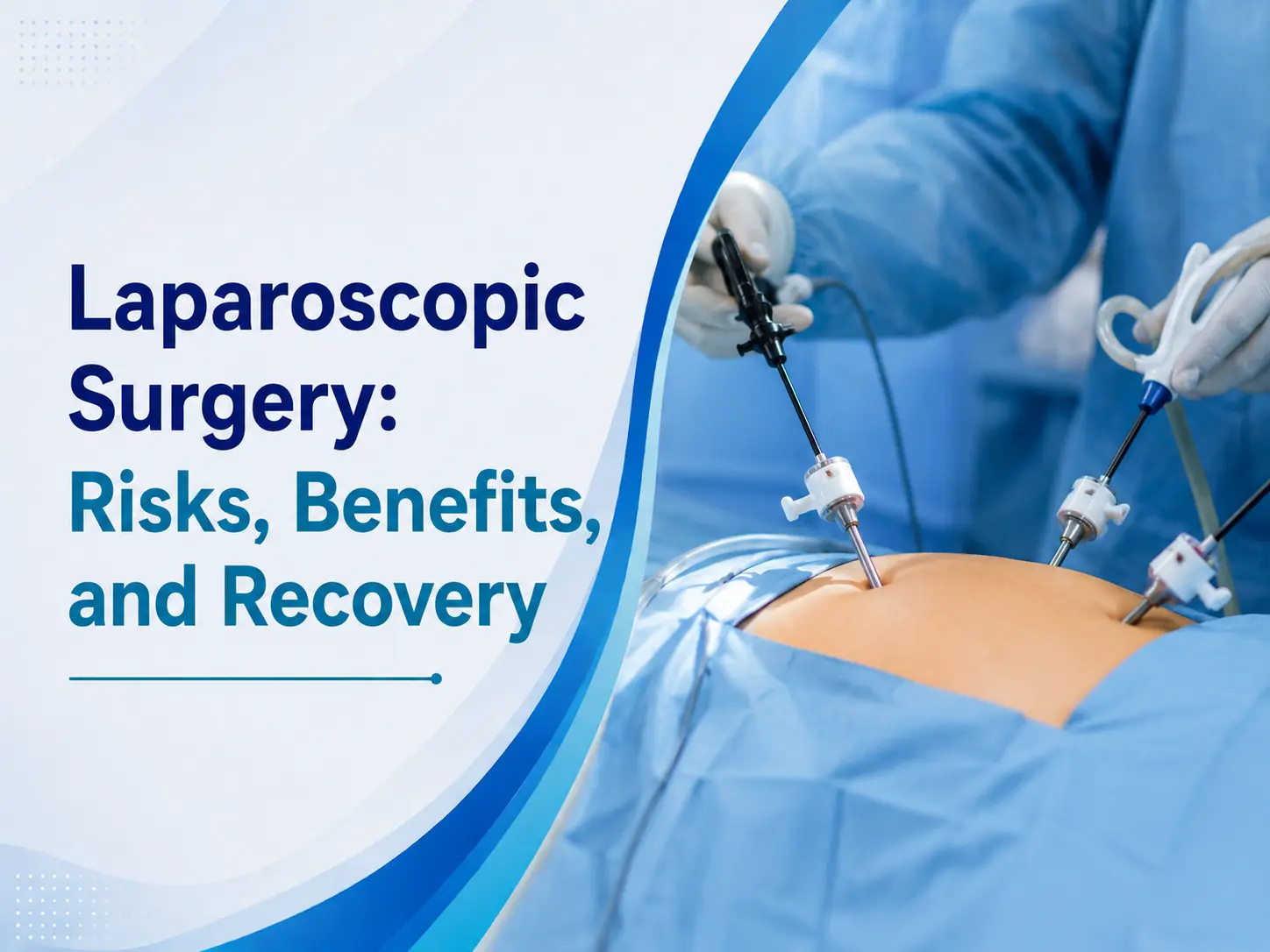
- Laparoscopic surgery
- Fertility treatments
Early intervention often improves treatment success and quality of life.
Women’s Healthcare Services at Jain Surgical Hospital
Jain Surgical Hospital provides comprehensive gynecology and maternity care using modern diagnostic tools and patient-centered treatment approaches.
Services include:
- Gynecology consultations
- Menstrual disorder treatment
- PCOS management
- Infertility evaluation
- Fibroid treatment
- Laparoscopic gynecological surgery
- Pregnancy care
- Painless delivery kota services
- Women’s preventive health programs
Frequently Asked Questions (FAQs)
What is the most common gynecological problem?
Irregular periods, PCOS, vaginal infections, and fibroids are among the most commonly diagnosed gynecological conditions.
How often should women visit a gynecologist?
Most women should schedule routine gynecological checkups annually, although visit frequency may vary based on age and medical history.
When should pelvic pain be evaluated?
Persistent, severe, or recurring pelvic pain should be assessed by a gynecologist because it may indicate conditions such as endometriosis, fibroids, or ovarian cysts.
Conclusion
Understanding the Top 10 Gynaecological Issues every woman should know about is essential for maintaining reproductive health and overall well-being. Conditions such as PCOS, fibroids, endometriosis, ovarian cysts, and menstrual disorders can affect daily life, fertility, and long-term health if left untreated.
The good news is that early diagnosis, regular checkups, and timely treatment can significantly improve outcomes and quality of life. Women should never ignore symptoms such as abnormal bleeding, pelvic pain, menstrual irregularities, or fertility concerns.
At Jain Surgical Hospital, women receive comprehensive gynecological care, advanced diagnostics, maternity services, and personalized treatment plans designed to support health and wellness at every stage of life.
Book Your Women’s Health Consultation Today
If you are experiencing gynecological symptoms or would like preventive reproductive healthcare, schedule a consultation at Jain Surgical Hospital. Our experienced specialists are committed to helping women achieve better health through expert diagnosis, compassionate care, and advanced treatment solutions.