
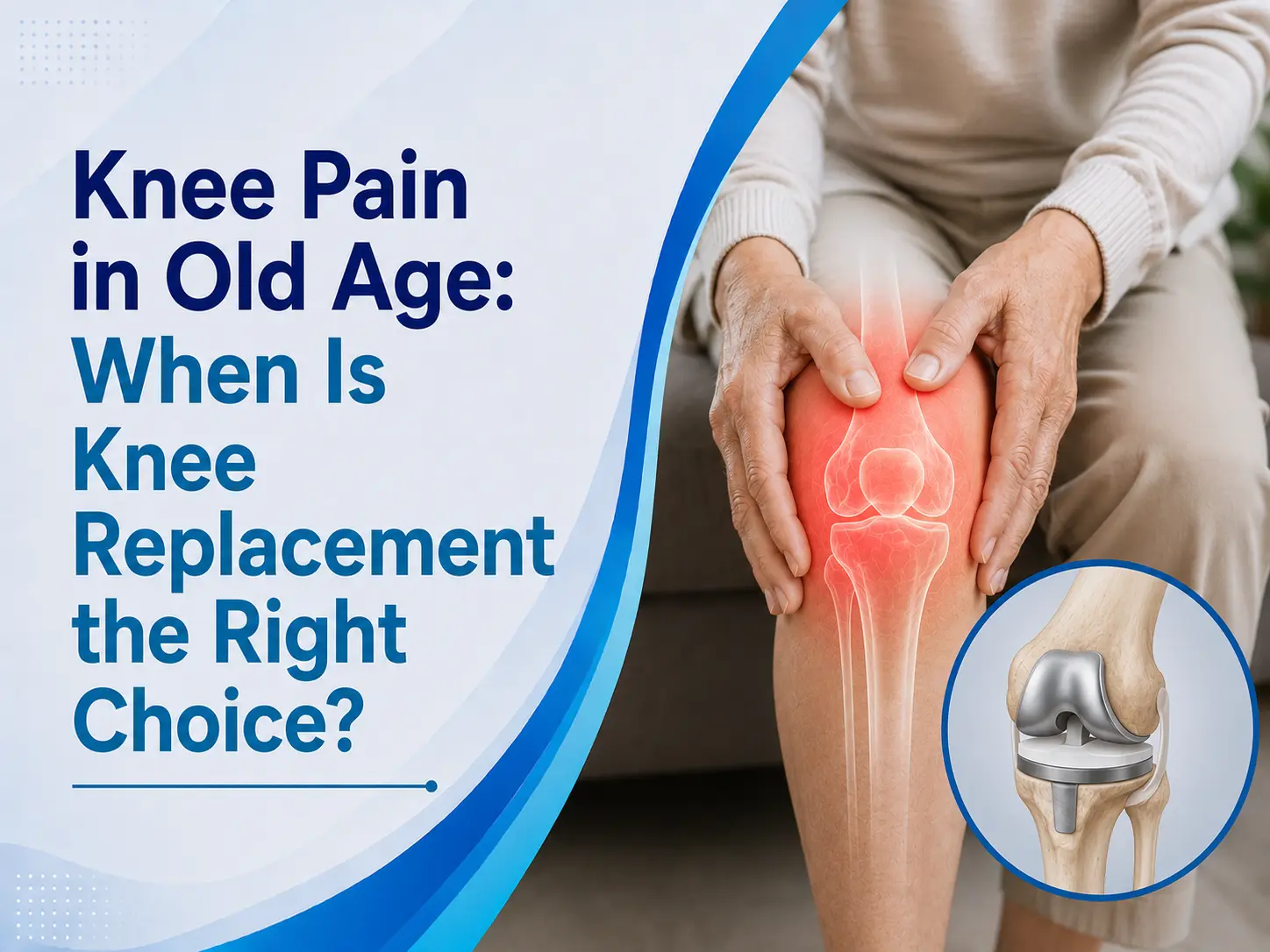
Knee Pain in Old Age is one of the most common health concerns affecting older adults. As we age, the cartilage that cushions the knee joint gradually wears down, making everyday activities such as walking, climbing stairs, or standing for long periods increasingly difficult. While mild knee pain can often be managed with lifestyle changes and medication, severe or persistent pain may indicate advanced joint damage that requires surgical treatment.
Many people continue living with chronic knee pain, believing it is simply a natural part of aging. However, ongoing pain should never be ignored, as it can significantly affect mobility, independence, and overall quality of life. At Jain Surgical Hospital, patients receive comprehensive orthopedic evaluation and personalized treatment plans, including advanced knee replacement surgery in Kota, when conservative treatment is no longer effective.
Understanding Knee Pain in Old Age
The knee is one of the largest and most frequently used joints in the body. It supports body weight and absorbs stress during daily movements.
Over time, the protective cartilage inside the joint begins to wear away. This causes the bones to rub against each other, resulting in pain, stiffness, swelling, and reduced movement.
Although aging is a common factor, knee pain is not always an unavoidable part of growing older. Early diagnosis and proper treatment can help preserve joint function and reduce discomfort.
Common Causes of Knee Pain in Older Adults
Several conditions can contribute to chronic knee pain.
Osteoarthritis
This is the most common cause of knee pain in elderly individuals. The cartilage gradually wears away, causing joint degeneration.
Rheumatoid Arthritis
An autoimmune disease that causes inflammation and damage to the joints.
Previous Injuries
Old fractures, ligament injuries, or cartilage damage may increase the risk of arthritis later in life. Patients who have previously undergone bone fracture treatment in Kota may develop joint problems over time.
Obesity
Excess body weight places additional pressure on the knee joints, accelerating cartilage wear.
Joint Deformities
Certain congenital or acquired deformities can alter knee alignment, leading to uneven stress on the joint.
Symptoms That Should Not Be Ignored
Not every knee ache requires surgery, but certain symptoms suggest that medical evaluation is necessary.
Common warning signs include:
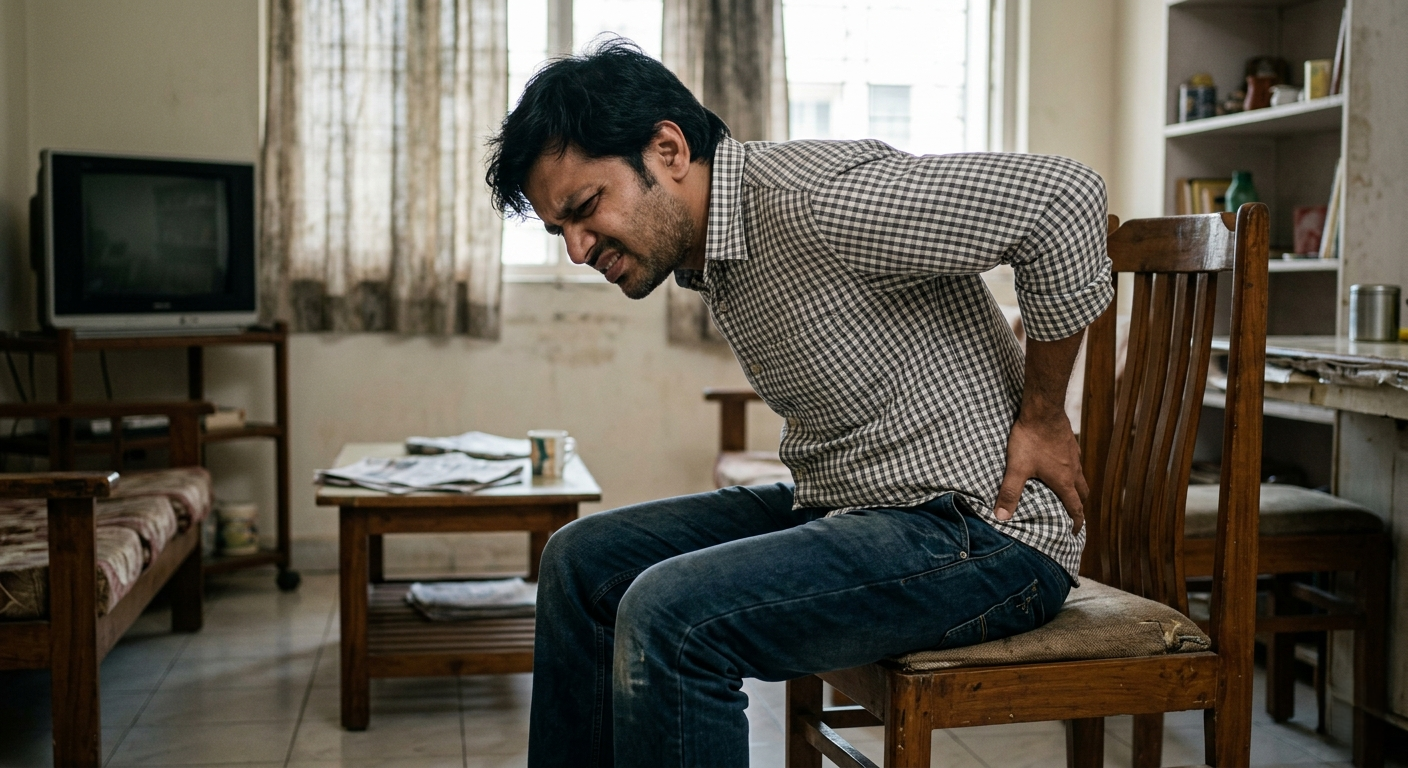
- Persistent knee pain
- Swelling around the joint
- Morning stiffness
- Difficulty climbing stairs
- Pain while walking
- Grinding or clicking sounds
- Reduced range of motion
- Knee deformity
- Difficulty standing after sitting
If these symptoms continue despite medication or physiotherapy, further evaluation is recommended.
How Is Knee Pain Diagnosed?
A detailed diagnosis helps determine the most suitable treatment.
Your orthopedic specialist may recommend:
- Physical examination
- Medical history review
- X-rays
- MRI scan (when required)
- Blood tests for inflammatory arthritis
These investigations help assess cartilage damage, joint alignment, and the severity of arthritis.
Non-Surgical Treatment Options
Many patients improve without surgery, especially in the early stages of arthritis.
Treatment may include:
Lifestyle Changes
- Weight management
- Low-impact exercise
- Walking support if needed
Physiotherapy
Strengthening the muscles around the knee improves stability and reduces pain.
Medications
Pain relievers and anti-inflammatory medicines help control symptoms.
Knee Braces
Braces provide additional support during daily activities.
Injections
Certain patients benefit from steroid or lubricating injections to temporarily reduce pain and inflammation.
Conservative treatment is usually attempted before considering surgery.
When Is Knee Replacement the Right Choice?
Knee replacement surgery is recommended when conservative treatment no longer provides adequate relief.
You may be a suitable candidate if:
- Knee pain persists for several months
- Walking becomes difficult
- Daily activities are severely limited
- Pain affects sleep
- X-rays show advanced joint damage
- Medications no longer control symptoms
- Significant knee deformity develops
The decision is based on symptom severity, overall health, imaging findings, and the impact on quality of life rather than age alone.
What Happens During Knee Replacement Surgery?
During knee replacement surgery, the damaged cartilage and worn-out joint surfaces are removed and replaced with artificial components made of metal and medical-grade plastic.
The artificial joint is designed to:
- Reduce pain
- Improve movement
- Restore knee function
- Enhance mobility
Modern surgical techniques allow many patients to begin walking with assistance within a short period after surgery.
Benefits of Knee Replacement Surgery
For suitable candidates, knee replacement offers several long-term benefits.
These include:
- Significant pain relief
- Improved walking ability
- Better joint movement
- Increased independence
- Enhanced quality of life
- Improved sleep due to reduced pain
- Greater confidence in daily activities
Many patients return to normal routines after completing rehabilitation.
Recovery After Knee Replacement
Recovery varies depending on overall health and commitment to rehabilitation.
Typical recovery includes:
- Early mobilization
- Physiotherapy exercises
- Gradual increase in walking
- Pain management
- Regular follow-up visits
Most patients experience steady improvement over several weeks, while complete recovery may take a few months.
Following medical advice and participating in rehabilitation are essential for achieving the best outcomes.
Can Knee Pain Be Prevented?
Although aging cannot be stopped, certain lifestyle habits help protect knee health.
Helpful tips include:
- Maintain a healthy weight
- Stay physically active
- Strengthen leg muscles
- Avoid prolonged inactivity
- Eat a balanced diet rich in calcium and vitamin D
- Seek treatment for injuries promptly
Regular orthopedic evaluation can identify joint problems before they become severe.
Why Choose Jain Surgical Hospital?
Jain Surgical Hospital provides comprehensive orthopedic care using modern diagnostic techniques and personalized treatment plans.
Our orthopedic services include:
- Evaluation of chronic joint pain
- Arthritis management
- Advanced knee replacement surgery Kota
- Fracture management
- Joint rehabilitation
- Personalized physiotherapy guidance
Patients searching for an orthopedic hospital in Kota, a best orthopedic surgeon Kota, or a trusted joint replacement hospital Kota Rajasthan receive compassionate care focused on restoring mobility and improving quality of life.
Frequently Asked Questions (FAQs)
Is knee replacement only recommended for elderly patients?
No. Knee replacement is recommended based on the severity of joint damage, pain, and functional limitations rather than age alone.
How long does a knee replacement last?
Modern knee replacements can last many years, especially when patients maintain a healthy lifestyle and follow their orthopedic surgeon’s recommendations.
How soon can I walk after knee replacement surgery?
Many patients begin standing or walking with assistance within a day or two after surgery, followed by structured physiotherapy to improve strength and mobility.
Knee Pain in Old Age should never be dismissed as an unavoidable part of aging. While mild discomfort can often be managed with exercise, medication, and lifestyle changes, persistent pain that limits daily activities deserves prompt medical attention. Early diagnosis allows doctors to recommend the most appropriate treatment and may delay or even prevent the need for surgery.
When conservative treatments no longer provide relief, knee replacement surgery Kota can significantly improve mobility, reduce pain, and restore independence. Modern surgical techniques and rehabilitation programs have made joint replacement safer and more effective than ever before.
At Jain Surgical Hospital, patients receive expert orthopedic evaluation, personalized treatment plans, and compassionate care from experienced specialists. Whether you need arthritis management, bone fracture treatment Kota, or advanced joint replacement surgery, our goal is to help you regain an active and pain-free life.
Book Your Consultation Today
If persistent knee pain is affecting your daily routine, don’t wait for it to worsen. Schedule a consultation at Jain Surgical Hospital for expert orthopedic care, advanced knee replacement surgery Kota, and personalized treatment from an experienced team dedicated to helping you move comfortably again.