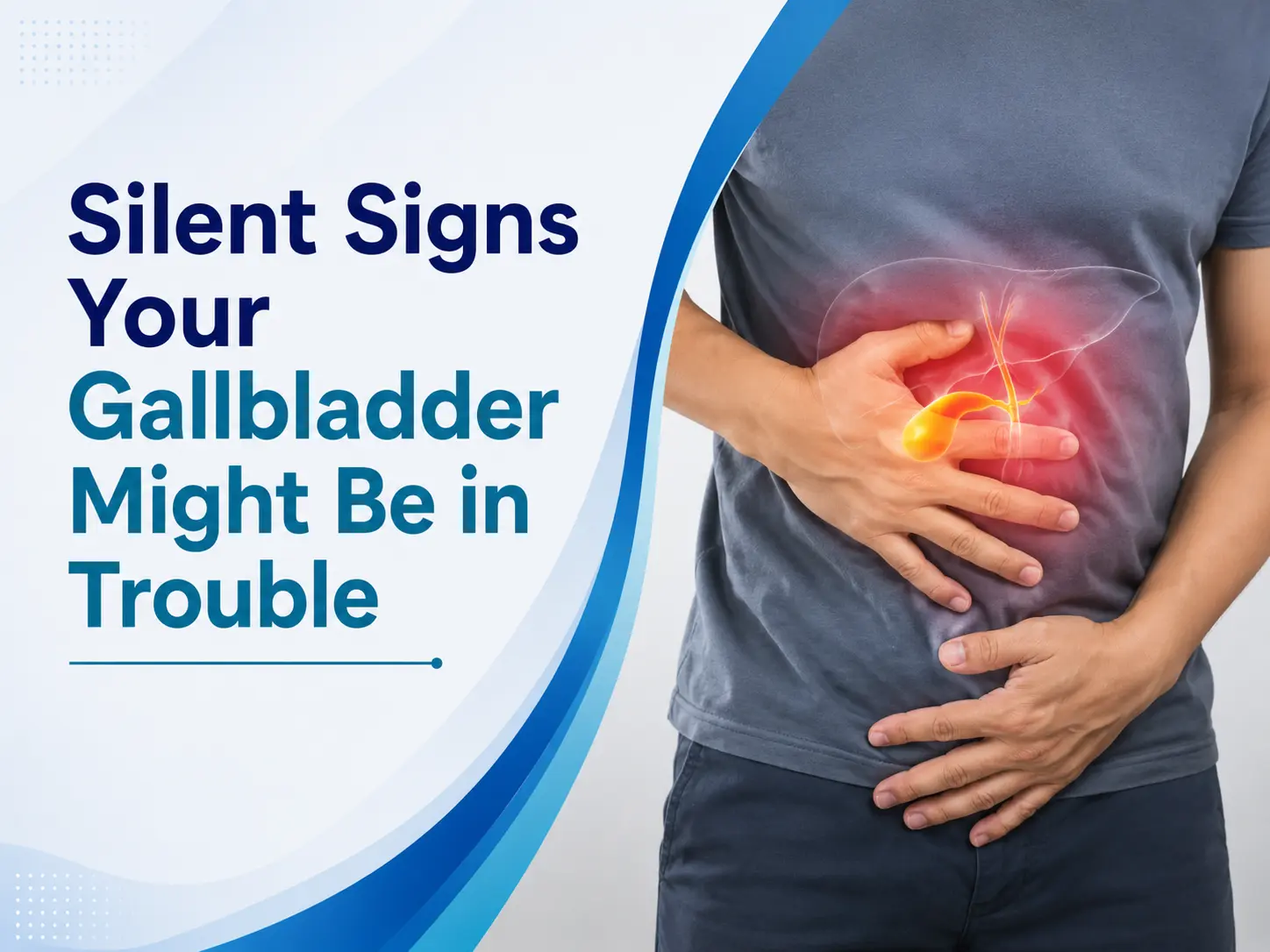
The gallbladder is a small organ located beneath the liver, yet it plays an important role in digestion. Despite its importance, many people do not realize they have gallbladder problems until symptoms become severe. In fact, the Silent Signs Your Gallbladder Might Be in Trouble are often subtle and easy to overlook, allowing conditions such as gallstones and gallbladder inflammation to progress unnoticed.
Many patients seeking Gallbladder stone treatment in kota report experiencing mild symptoms for months before receiving a diagnosis. What starts as occasional digestive discomfort can eventually lead to severe pain, infection, or the need for emergency surgery. Recognizing early warning signs can help ensure timely treatment and better outcomes.
At Jain Surgical Hospital, advanced diagnostic facilities and modern surgical techniques help patients receive effective treatment for gallbladder disorders before complications develop.
Understanding the Role of the Gallbladder
The gallbladder is a small, pear-shaped organ that stores bile produced by the liver.
Bile helps digest fats and supports nutrient absorption in the digestive system.
When food enters the small intestine, the gallbladder releases bile through bile ducts. Problems occur when gallstones, inflammation, or blockages interfere with this process.
Although many people live healthy lives without a gallbladder, untreated gallbladder disease can cause significant discomfort and serious health complications.
Why Gallbladder Problems Often Go Undetected
One reason gallbladder disease is frequently diagnosed late is because symptoms often mimic common digestive issues.
Patients may assume their symptoms are caused by:
- Acidity
- Indigestion
- Gas
- Food intolerance
- Stress-related digestive problems
As a result, many individuals delay seeking medical care until symptoms become more severe.
Recognizing the Silent Signs Your Gallbladder Might Be in Trouble can help prevent complications and allow earlier treatment.
Silent Signs Your Gallbladder Might Be in Trouble
Several warning signs may indicate underlying gallbladder disease even before severe pain develops.
Persistent Indigestion After Meals
Many people experience occasional indigestion, but recurring symptoms after eating may indicate gallbladder dysfunction.
Common complaints include:
- Feeling overly full
- Bloating
- Excessive burping
- Mild nausea
- Digestive discomfort
Symptoms often worsen after consuming fatty or fried foods.
Because these symptoms resemble common digestive issues, they are frequently ignored.
Unexplained Bloating
Persistent abdominal bloating can sometimes signal problems with bile flow.
When the gallbladder is not functioning properly, digestion of fats becomes less efficient, leading to bloating and abdominal discomfort.
Patients may notice that bloating occurs repeatedly after meals rather than occasionally.
Mild Pain in the Upper Right Abdomen
One of the earliest signs of gallbladder disease may be a dull ache beneath the right rib cage.
Unlike the severe pain associated with acute gallbladder attacks, early discomfort may:
- Come and go
- Last only a few minutes
- Be mistaken for muscle strain
- Occur after eating
This symptom should not be ignored, especially if it becomes recurrent.
Pain That Radiates to the Back or Shoulder
Gallbladder-related discomfort can sometimes spread beyond the abdomen.
Patients may experience:
- Right shoulder pain
- Upper back pain
- Discomfort between shoulder blades
Because these symptoms resemble orthopedic or muscular issues, gallbladder disease may not be immediately suspected.
Nausea Without an Obvious Cause
Recurring nausea after meals may indicate gallbladder dysfunction.
Many patients report feeling mildly nauseated, particularly after eating greasy or heavy foods.
Persistent nausea should always be medically evaluated if no clear cause is identified.
Digestive Changes That May Indicate Gallbladder Problems
Gallbladder disease often affects digestion long before severe symptoms appear.
Possible digestive changes include:
- Frequent indigestion
- Increased gas
- Food intolerance
- Difficulty digesting fatty meals
- Changes in bowel habits
These symptoms often develop gradually and may worsen over time.
Silent Signs Your Gallbladder Might Be in Trouble During Daily Activities
Some patients notice subtle symptoms during routine activities.
Examples include:
Fatigue
Chronic inflammation or digestive disturbances may contribute to low energy levels.
Loss of Appetite
Some individuals begin avoiding meals because eating triggers discomfort.
General Abdominal Discomfort
Patients may experience vague abdominal sensations that are difficult to describe but persist over time.
These signs should not be dismissed, particularly when combined with digestive symptoms.
Understanding Gallstones and Their Impact
Gallstones are one of the most common causes of gallbladder disease.
They form when substances in bile become imbalanced and crystallize into stones.
Gallstones may:
- Cause no symptoms initially
- Block bile flow
- Trigger inflammation
- Lead to infection
- Cause severe abdominal pain
Many patients eventually require Gallbladder stone surgery in kota when symptoms become significant or complications develop.
Risk Factors for Gallbladder Disease
Certain factors increase the likelihood of developing gallstones and other gallbladder disorders.
Common risk factors include:
Obesity
Excess body weight increases cholesterol levels in bile.
High-Fat Diet
Frequent consumption of fatty foods may contribute to gallstone formation.
Family History
Genetics can influence gallbladder disease risk.
Rapid Weight Loss
Sudden weight loss may increase gallstone formation.
Diabetes
People with diabetes may have a higher risk of gallbladder problems.
Increasing Age
Gallbladder disease becomes more common with age.
Understanding these factors can help patients recognize their risk earlier.
Warning Signs That Require Immediate Medical Attention
While early symptoms may be mild, some signs indicate a more serious problem.
Seek urgent medical care if you experience:
- Severe abdominal pain
- Persistent vomiting
- High fever
- Jaundice (yellowing of skin or eyes)
- Dark urine
- Pale stools
These symptoms may indicate gallbladder infection, bile duct obstruction, or other serious complications.
How Gallbladder Problems Are Diagnosed
Early diagnosis is essential for preventing complications.
Doctors may recommend:
Physical Examination
Assessment of abdominal tenderness and symptoms.
Ultrasound
The most common imaging test used to detect gallstones.
Blood Tests
Used to identify infection, inflammation, or liver function abnormalities.
CT Scan or MRI
Helpful for evaluating more complex gallbladder conditions.
Accurate diagnosis allows doctors to develop the most appropriate treatment plan.
Treatment Options for Gallbladder Disease
Treatment depends on symptom severity and the underlying condition.
Observation
Asymptomatic gallstones may sometimes be monitored.
Medications
Certain medications may help manage symptoms in selected cases.
Lifestyle Modifications
Dietary changes can reduce symptom frequency and improve digestive comfort.
Surgical Removal
Gallbladder removal surgery remains the most effective treatment for symptomatic gallstones.
Patients often seek care at a trusted gallbladder treatment hospital in kota for advanced treatment options.
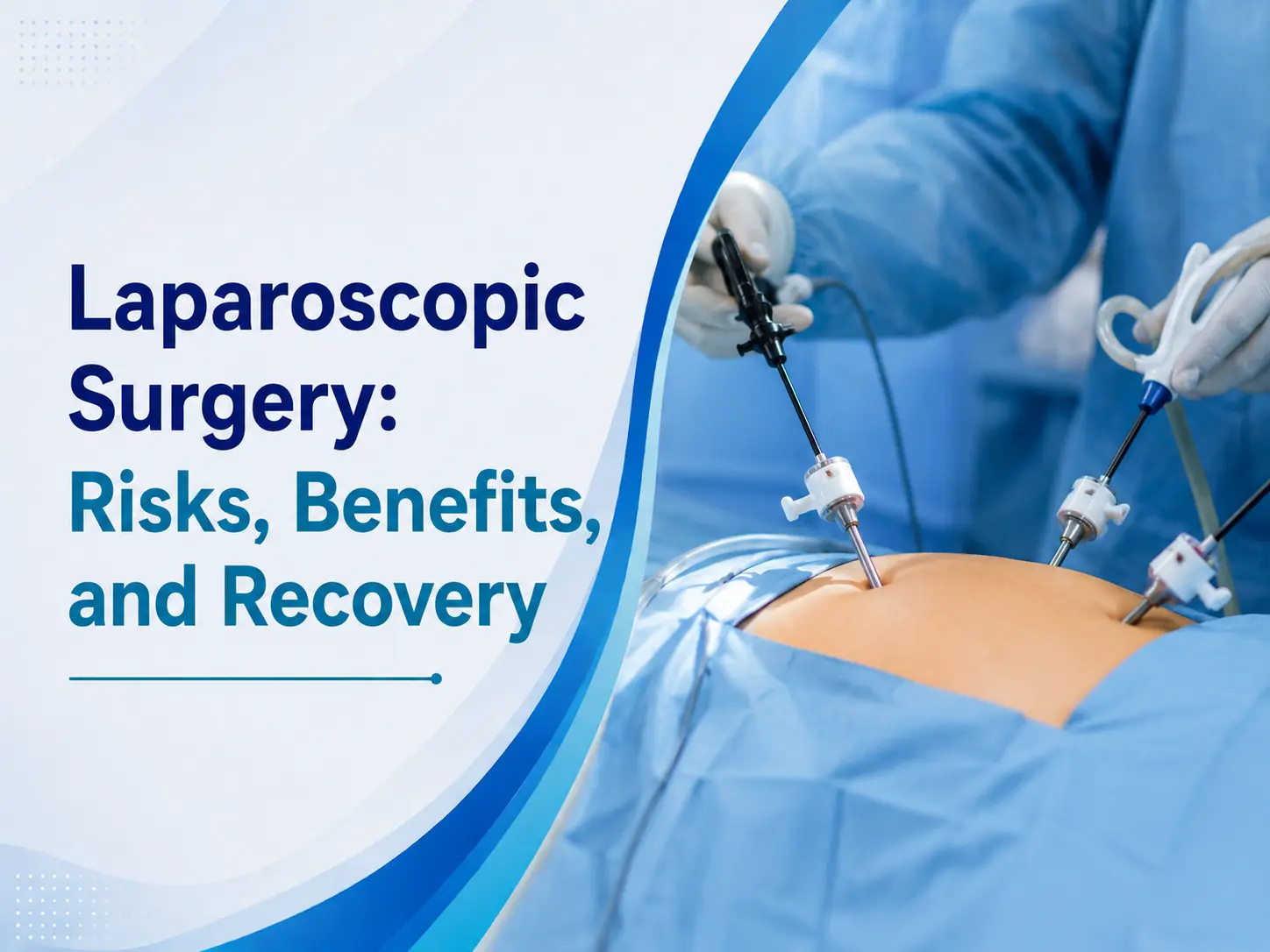
Benefits of Laparoscopic Gallbladder Surgery
Modern gallbladder surgery is commonly performed using laparoscopic techniques.
Benefits include:
- Smaller incisions
- Reduced pain
- Faster recovery
- Shorter hospital stay
- Minimal scarring
- Earlier return to normal activities
These advantages have made gallbladder surgery kota a highly effective and patient-friendly treatment option.
Recovery After Gallbladder Surgery
Recovery is generally smooth for most patients.
Typical recovery recommendations include:
- Walking regularly
- Staying hydrated
- Following dietary guidelines
- Avoiding heavy lifting temporarily
- Attending follow-up appointments
Most patients return to daily activities relatively quickly after laparoscopic surgery.
How to Reduce Your Risk of Gallbladder Problems
Although not all gallbladder disease can be prevented, certain habits may lower risk.
Helpful strategies include:
- Maintaining healthy body weight
- Eating a balanced diet
- Limiting excessive fatty foods
- Exercising regularly
- Staying hydrated
- Managing chronic health conditions
Healthy lifestyle habits support both digestive and gallbladder health.
Advanced Gallbladder Care at Jain Surgical Hospital
Jain Surgical Hospital provides comprehensive diagnosis and treatment for gallbladder disorders using modern surgical technology and experienced surgical expertise.
Services include:
- Gallstone evaluation
- Gallbladder disease diagnosis
- Minimally invasive surgery
- Laparoscopic gallbladder removal
- Postoperative care
- Digestive health consultation
Patients seeking gallbladder surgery hospital in kota, Gallbladder stone treatment in kota, or Gallbladder stone surgery in kota can benefit from personalized treatment plans and advanced surgical care.
Frequently Asked Questions (FAQs)
What are the first signs of gallbladder problems?
Early signs may include indigestion, bloating, nausea after meals, mild abdominal discomfort, and intolerance to fatty foods.
Can gallstones exist without symptoms?
Yes. Many people have gallstones without symptoms. However, once symptoms begin, medical evaluation is recommended.
Is gallbladder surgery safe?
Laparoscopic gallbladder surgery is generally considered safe and is one of the most commonly performed minimally invasive procedures worldwide.
Conclusion
The Silent Signs Your Gallbladder Might Be in Trouble are often subtle and easy to mistake for common digestive issues. Persistent indigestion, bloating, mild abdominal discomfort, nausea, and food intolerance may all indicate an underlying gallbladder condition.
Recognizing these warning signs early can help prevent complications and allow patients to receive timely treatment before symptoms become severe. Modern surgical techniques such as laparoscopic gallbladder removal provide safe, effective, and minimally invasive solutions for many gallbladder disorders.
At Jain Surgical Hospital, patients receive expert evaluation, advanced diagnostics, and comprehensive treatment for gallbladder disease with a focus on patient comfort and long-term health.
Book Your Consultation Today
If you are experiencing digestive discomfort, abdominal pain, bloating, or other possible gallbladder symptoms, schedule a consultation at Jain Surgical Hospital. Early diagnosis and expert treatment can help protect your digestive health and prevent future complications.