

Appendicitis is one of the most common surgical emergencies and can affect people of all ages. The condition occurs when the appendix becomes inflamed and infected, often requiring prompt medical attention. Recognizing the 10 Early Warning Signs of Appendicitis can help prevent serious complications such as appendix rupture, infection spread, and emergency hospitalization.
Many patients delay seeking treatment because the initial symptoms may resemble indigestion, gas, food poisoning, or a stomach infection. However, appendicitis can progress rapidly, making early diagnosis extremely important. Patients looking for an appendicitis treatment hospital in kota often discover that recognizing symptoms early leads to faster treatment and better recovery outcomes.
At Jain Surgical Hospital, advanced diagnostic facilities and modern surgical techniques help ensure safe and effective treatment for appendicitis before complications arise.
What Is Appendicitis?
The appendix is a small finger-shaped pouch attached to the large intestine in the lower right side of the abdomen.
Appendicitis occurs when the appendix becomes blocked, inflamed, and infected. If left untreated, the appendix can rupture, causing a potentially life-threatening infection inside the abdomen.
Because symptoms can worsen quickly, understanding the 10 Early Warning Signs of Appendicitis is essential for timely medical care.
Why Early Detection of Appendicitis Matters
Many people ignore abdominal discomfort hoping it will improve on its own.
However, untreated appendicitis may lead to:
- Appendix rupture
- Severe infection
- Abscess formation
- Emergency surgery
- Extended hospital stay
Early diagnosis often allows faster treatment and reduces the risk of complications.
1. Pain Around the Belly Button
One of the earliest signs of appendicitis is pain that begins near the belly button.
Initially, the discomfort may feel mild and vague.
Many patients mistake it for:
- Gas pain
- Indigestion
- Muscle strain
- Minor stomach upset
As the inflammation worsens, the pain typically becomes more noticeable.
2. Pain Moving to the Lower Right Abdomen
A classic sign of appendicitis is pain that shifts from the center of the abdomen to the lower right side.
This occurs because inflammation becomes more concentrated around the appendix.
The pain often becomes:
- Sharper
- More intense
- Easier to localize
This symptom is one of the most important warning signs requiring medical evaluation.
3. Loss of Appetite
Many patients experience a sudden decrease in appetite.
Food may become unappealing, even when meals are normally enjoyable.
Although loss of appetite can occur with many illnesses, when combined with abdominal pain, it may indicate appendicitis.
4. Nausea and Vomiting
Nausea often develops shortly after abdominal pain begins.
Some patients may also experience vomiting.
Unlike ordinary stomach infections, nausea associated with appendicitis is usually accompanied by worsening abdominal pain.
Persistent vomiting should never be ignored.
5. Mild Fever
A low-grade fever may develop as the body responds to infection and inflammation.
Patients often experience:
- Slight increase in body temperature
- Chills
- General discomfort
If fever rises significantly, it may indicate worsening infection or appendix rupture.
6. Abdominal Swelling or Bloating
Many patients notice bloating or a feeling of fullness in the abdomen.
The abdomen may feel:
- Tight
- Distended
- Uncomfortable
While bloating alone does not confirm appendicitis, it can be an important supporting symptom when combined with abdominal pain.
7. Difficulty Passing Gas
Inflammation of the appendix may affect normal bowel function.
Patients sometimes experience:
- Difficulty passing gas
- Increased abdominal pressure
- Feeling of blockage
These symptoms may indicate increasing abdominal irritation and should be evaluated promptly.
8. Changes in Bowel Habits
Appendicitis can sometimes cause digestive disturbances.
Patients may experience:
- Constipation
- Diarrhea
- Irregular bowel movements
These symptoms often lead people to mistakenly assume they have a minor digestive illness.
However, persistent abdominal pain combined with bowel changes warrants medical assessment.
9. Pain That Worsens with Movement
As inflammation increases, movement often aggravates pain.
Patients may notice discomfort when:
- Walking
- Coughing
- Sneezing
- Standing up
- Changing positions
Many individuals instinctively avoid movement because it increases abdominal pain.
This symptom is particularly suggestive of appendicitis.
10. Increasing Severity of Symptoms Over Time
Unlike minor digestive discomfort, appendicitis symptoms usually worsen rather than improve.
Common progression includes:
- Increasing pain
- Growing tenderness
- Worsening nausea
- Rising fever
- Greater discomfort during movement
Rapid symptom progression should always be considered a medical emergency.
Other Symptoms That May Occur with Appendicitis
Although the classic symptoms are common, some patients may experience atypical presentations.
Additional symptoms can include:
- Fatigue
- General weakness
- Frequent urination
- Pelvic discomfort
- Lower back pain
Symptoms may vary depending on age, body structure, and appendix position.
Who Is at Risk for Appendicitis?
Appendicitis can occur in anyone, but certain groups may be at higher risk.
Risk factors include:
Age
Appendicitis commonly affects teenagers and young adults.
Family History
Some studies suggest a genetic component.
Gastrointestinal Infections
Certain infections may contribute to appendix blockage.
Dietary Factors
Low-fiber diets may increase the likelihood of appendiceal blockage.
Although risk factors exist, appendicitis can develop unexpectedly in otherwise healthy individuals.
When Should You Seek Immediate Medical Attention?
Immediate medical care is recommended if you experience:
- Severe abdominal pain
- Pain moving to the lower right abdomen
- Persistent vomiting
- Fever with abdominal pain
- Increasing tenderness
- Difficulty walking due to pain
Prompt evaluation can prevent serious complications.
Patients seeking care at an appendicitis treatment hospital in kota often benefit from early diagnosis and timely intervention.
How Appendicitis Is Diagnosed
Doctors use a combination of medical history, physical examination, and diagnostic testing.
Common investigations include:
Physical Examination
Doctors assess tenderness and pain location.
Blood Tests
Blood tests help identify infection and inflammation.
Ultrasound
Frequently used to evaluate abdominal structures.
CT Scan
Provides detailed imaging and helps confirm diagnosis.
Accurate diagnosis is essential for determining the best treatment plan.
Treatment Options for Appendicitis
In most cases, surgery is the recommended treatment.
Antibiotics
Certain selected cases may initially receive antibiotic treatment.
Surgical Removal of the Appendix
Appendectomy is considered the definitive treatment for appendicitis.
Prompt surgery helps prevent rupture and serious complications.
Many patients undergo appendicitis surgery in kota soon after diagnosis to avoid disease progression.
Benefits of Laparoscopic Appendicitis Surgery
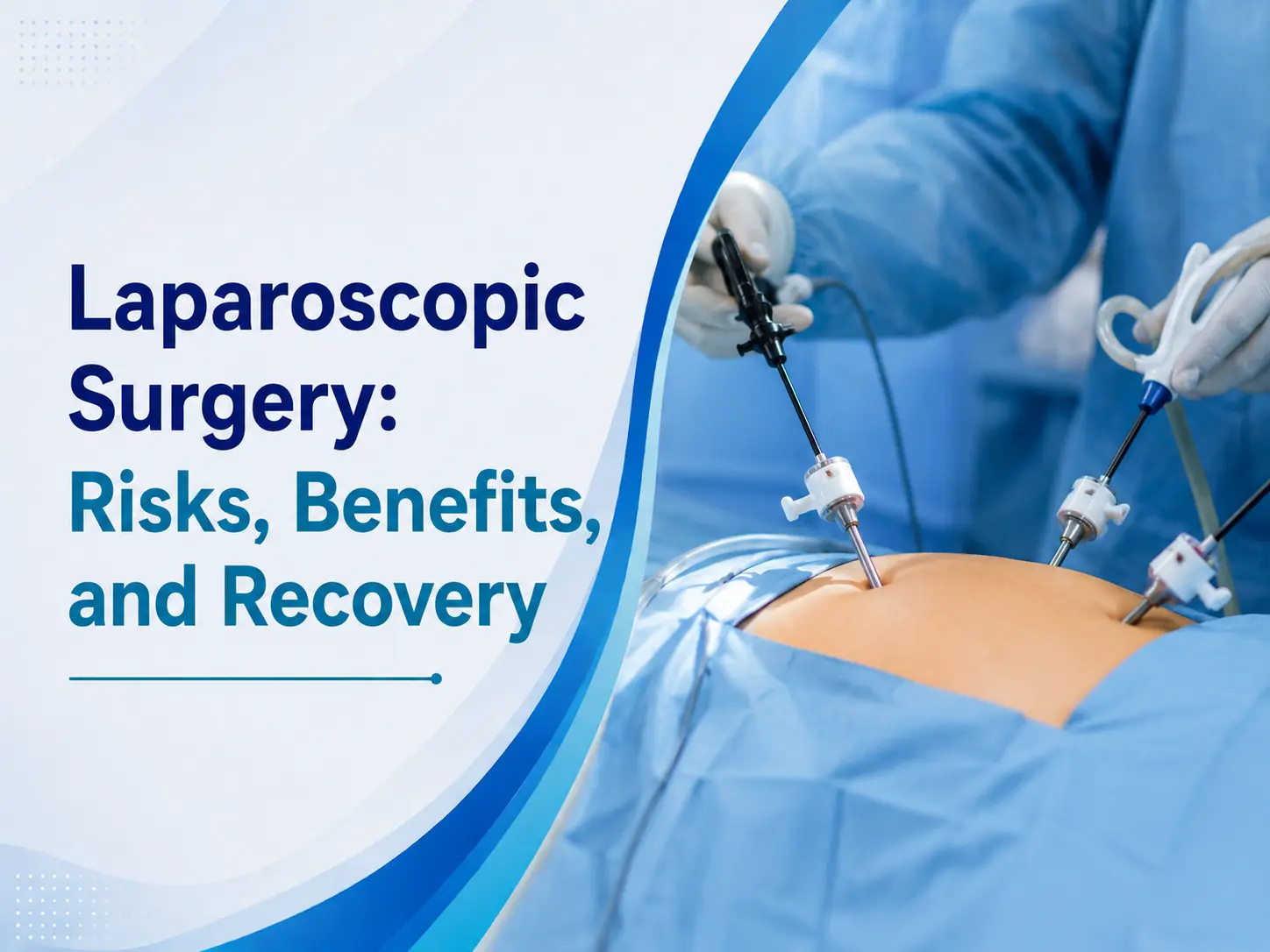
Modern appendectomy is commonly performed using laparoscopic techniques.
Benefits include:
- Smaller incisions
- Less pain
- Faster recovery
- Reduced infection risk
- Shorter hospital stay
- Minimal scarring
These advantages make laparoscopic procedures a preferred treatment option at many appendicitis surgery hospital in kota facilities.
Recovery After Appendicitis Surgery
Most patients recover well following surgery.
Helpful recovery recommendations include:
- Walking regularly
- Drinking adequate fluids
- Following dietary advice
- Avoiding heavy lifting temporarily
- Attending follow-up appointments
Recovery time varies depending on the severity of the condition and surgical approach used.
Can Appendicitis Be Prevented?
There is no guaranteed way to prevent appendicitis.
However, maintaining good digestive health may support overall gastrointestinal function.
Healthy habits include:
- Eating fiber-rich foods
- Staying hydrated
- Exercising regularly
- Managing digestive health
While prevention is not always possible, early symptom recognition remains the best defense against complications.
Advanced Appendicitis Care at Jain Surgical Hospital
Jain Surgical Hospital provides comprehensive diagnosis and treatment for appendicitis using modern surgical techniques and advanced facilities.
Services include:
- Emergency appendicitis evaluation
- Diagnostic imaging
- Laparoscopic appendectomy
- Postoperative care
- Minimally invasive surgery
- Comprehensive surgical consultation
Frequently Asked Questions (FAQs)
What is usually the first symptom of appendicitis?
Pain around the belly button that gradually moves to the lower right abdomen is often the earliest symptom of appendicitis.
How quickly can appendicitis become serious?
Appendicitis can worsen within hours to a few days. Delayed treatment increases the risk of rupture and infection.
Is appendicitis always treated with surgery?
In most cases, surgical removal of the appendix is recommended. Some carefully selected patients may initially receive antibiotics under medical supervision.
Conclusion
Recognizing the 10 Early Warning Signs of Appendicitis can help prevent serious complications and ensure timely treatment. Symptoms such as abdominal pain, nausea, fever, appetite loss, and worsening discomfort should never be ignored, particularly when they occur together.
Appendicitis is a medical emergency that often requires prompt diagnosis and surgical treatment. Early intervention can significantly improve recovery outcomes and reduce the risk of appendix rupture.
At Jain Surgical Hospital, patients receive expert evaluation, advanced diagnostic services, and modern minimally invasive surgical treatment designed to provide safe and effective care.
Book Your Consultation Today
If you or a loved one is experiencing abdominal pain or other possible signs of appendicitis, do not delay medical attention. Contact Jain Surgical Hospital for expert diagnosis and advanced treatment options that prioritize your safety, recovery, and long-term health.