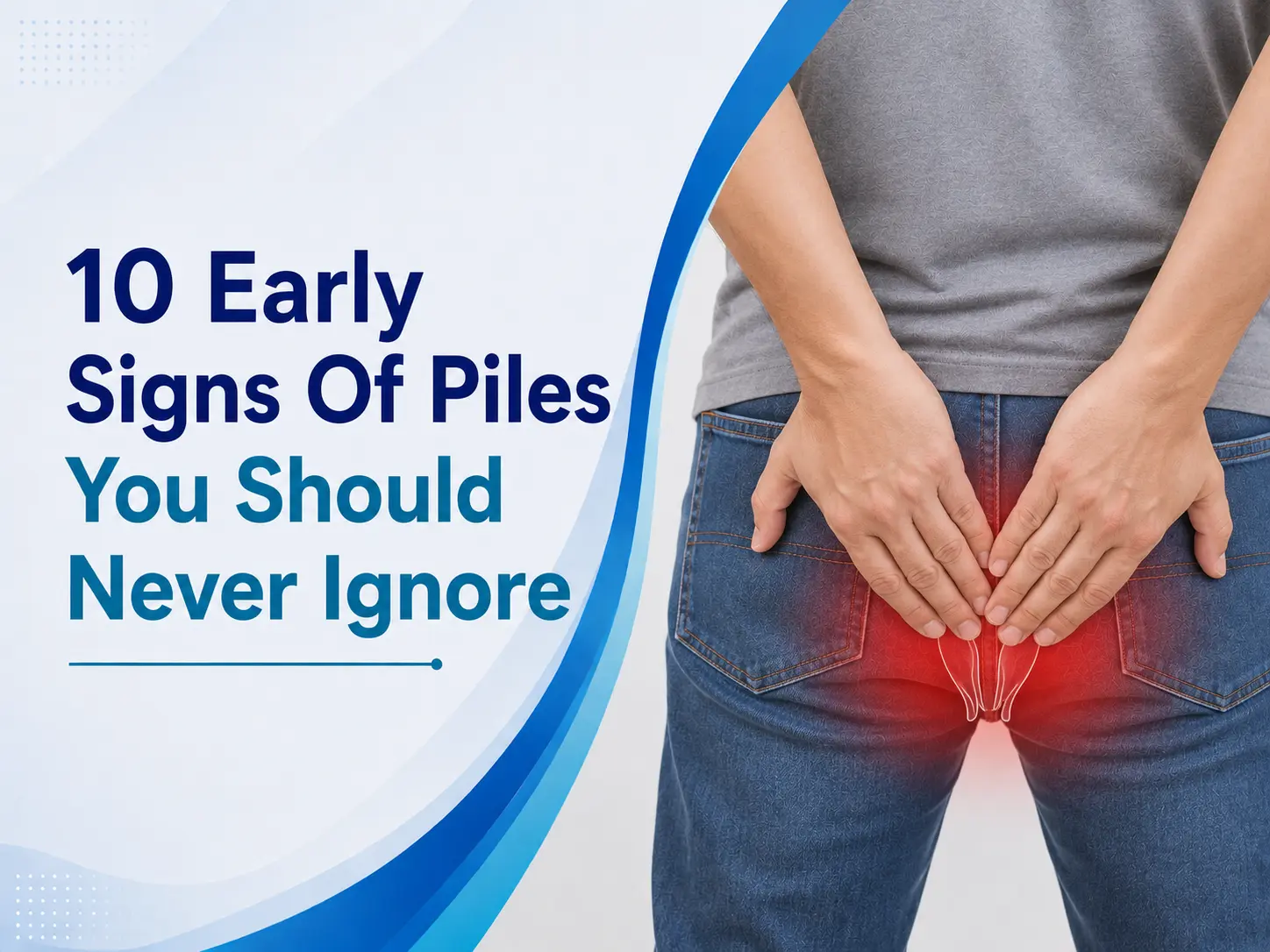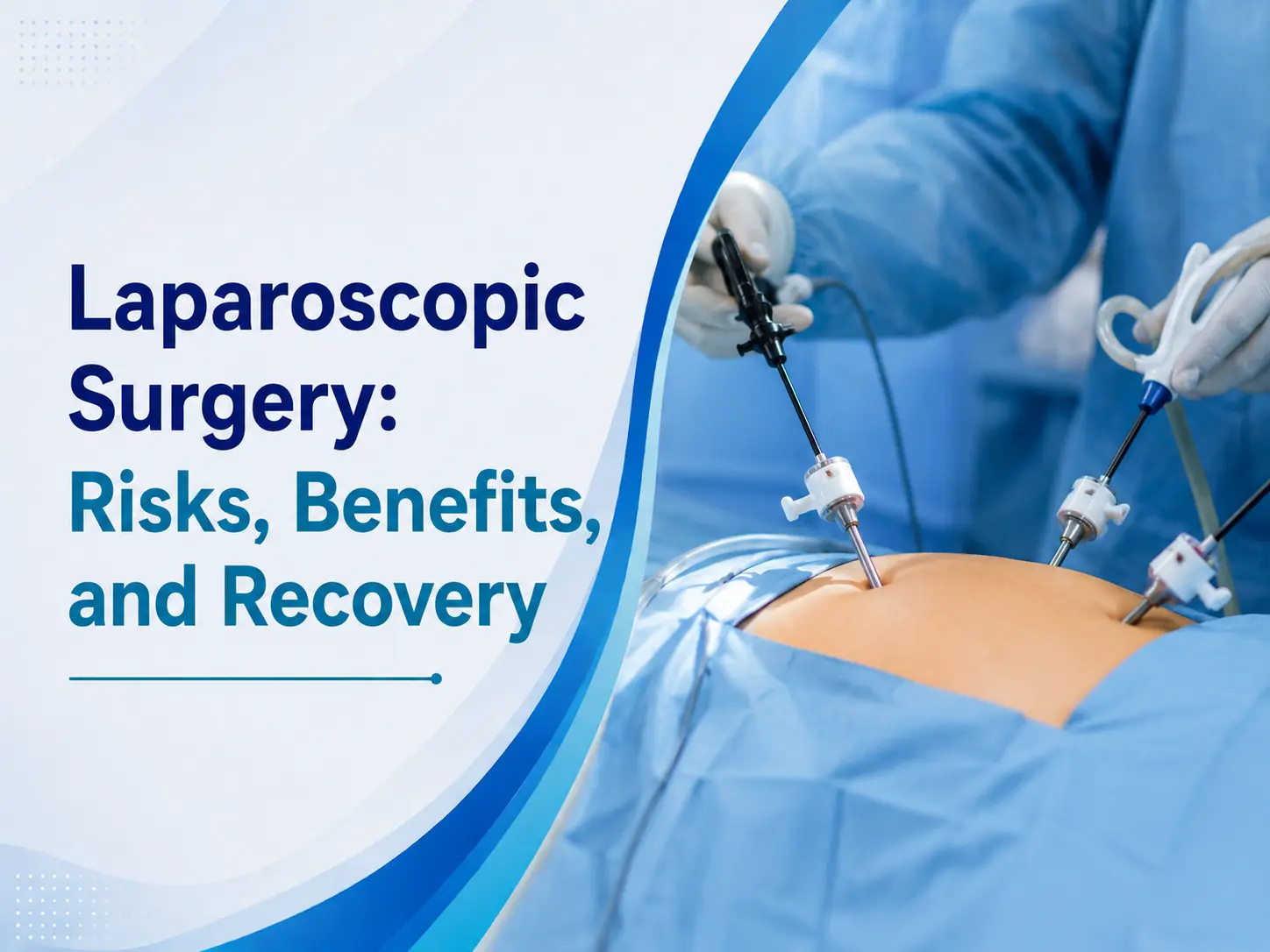

Many patients try creams, tablets, and home remedies for months before asking the real question: do I need laser surgery for piles? In mild cases, medicines and diet changes work well. But when bleeding continues, pain worsens, or a lump keeps coming back, medicines alone are no longer enough. At Jain Surgical Hospital, one of the trusted names for piles surgery in Kota, our specialists help patients recognise these signs early so treatment is faster, safer, and more effective.
What Are Piles and Why Do Medicines Sometimes Stop Working?
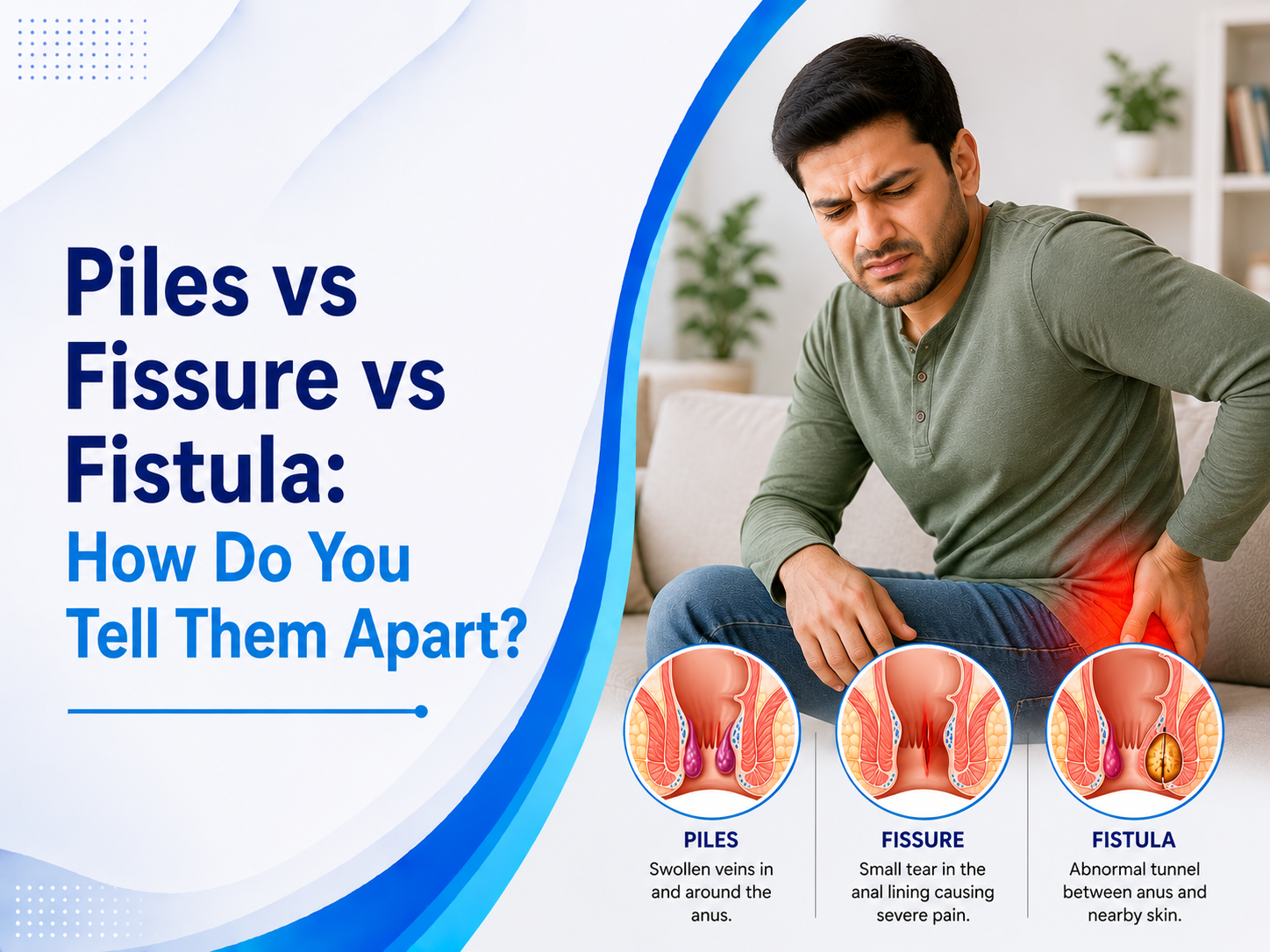
Piles, also called hemorrhoids, are swollen blood vessels in the rectum or anus. They form due to constant pressure from straining, prolonged sitting, constipation, pregnancy, or a low-fibre diet.
In the early stages, doctors usually recommend:
- High-fibre diet and more water intake
- Stool softeners or fibre supplements
- Topical creams or suppositories
- Warm sitz baths
- Lifestyle changes, such as less sitting and more movement
These steps work well for Grade 1 and early Grade 2 piles. However, as piles grow larger or prolapse further, the swollen tissue does not shrink back on its own. Medicines can reduce discomfort temporarily, but they cannot reverse advanced piles, which is why symptoms often return again and again.
Signs You Need Laser Surgery for Piles Instead of Medicines
Here are the clearest signs that medicines are no longer enough and it may be time to consider laser piles surgery.
1. Bleeding that does not stop or keeps recurring. Occasional light bleeding may respond to creams, but frequent or heavy bleeding during bowel movements is a sign the piles have progressed.
2. A lump that does not go back in on its own. In Grade 3 piles, the swollen tissue prolapses and needs to be pushed back manually. In Grade 4, it stays out permanently. Both usually need surgical treatment.
3. Persistent pain that affects daily life. If sitting, walking, or passing stool causes ongoing pain despite medication, this points to advanced piles that medicines cannot fully control.
4. No improvement after weeks of treatment. If creams, tablets, and diet changes have been tried consistently for several weeks without real improvement, it is a sign the condition needs a different approach.
5. Recurring symptoms even after temporary relief. Medicines often mask symptoms rather than treat the root cause, so piles that keep coming back are a strong indicator for laser treatment.
6. Itching, discharge, or discomfort that keeps disrupting daily routine. Ongoing irritation that affects work, sleep, or confidence is a valid reason to seek a permanent solution.
Understanding the Grades of Piles
Doctors classify piles into four grades based on severity, which helps decide whether medicines or laser surgery is the right path.
| Grade | Description | Usual Treatment |
| Grade 1 | Small swelling inside, bleeding possible, no prolapse | Medicines and diet changes |
| Grade 2 | Prolapses during straining, goes back in on its own | Medicines, sometimes minor procedures |
| Grade 3 | Prolapses and needs to be pushed back manually | Laser surgery usually recommended |
| Grade 4 | Prolapses permanently, cannot be pushed back | Laser surgery or surgical treatment |
If you fall into Grade 3 or Grade 4, or if Grade 2 symptoms keep returning, this is generally when laser surgery for piles becomes the more reliable option.
How Laser Surgery for Piles Works
Laser treatment for piles uses focused laser energy to shrink the swollen tissue and seal the blood vessels feeding it. This cuts off the blood supply to the piles, causing them to shrink gradually without the need for traditional cutting.
Key benefits of this approach include:
- No cuts or stitches in most cases
- Minimal bleeding during the procedure
- Shorter procedure time, often under an hour
- Lower risk of infection compared to open surgery
- Faster return to daily activities
Unlike traditional hemorrhoidectomy, which involves a longer, more painful recovery, laser treatment is designed to be gentler on the surrounding tissue while still treating the problem at its source.
What Happens If Piles Are Left Untreated?
Ignoring advanced piles symptoms can lead to complications that are harder to manage later. These include:
- Chronic anaemia from ongoing blood loss
- Thrombosed piles, which cause sudden, severe pain
- Infection or abscess formation
- Permanent prolapse that affects daily comfort
- A significant drop in quality of life due to constant discomfort
Timely treatment prevents these complications and often leads to a quicker, smoother recovery than waiting until the condition becomes severe.
Why Choose Jain Surgical Hospital for Piles Surgery in Kota
Patients looking for the best Hospital in Kota usually want three things: an accurate diagnosis, a comfortable procedure, and a fast recovery. Jain Surgical Hospital is built around all three.
- Experienced proctology team skilled in advanced laser techniques
- Accurate grading and diagnosis before recommending any treatment
- Sutureless, minimally invasive procedures for most piles cases
- Same-day or short-stay recovery for the majority of patients
- Judgement-free consultations, since many patients delay treatment out of hesitation
As one of the most recommended centres for laser piles surgery in Kota, the hospital focuses on giving patients a clear, honest recommendation rather than pushing surgery when medicines can still help.
Recovery After Laser Surgery for Piles
Recovery from laser piles treatment is typically much smoother than traditional surgery. Most patients notice the following.
- Mild discomfort for a day or two, easily managed with medication
- Return to light work within 2 to 3 days
- Full recovery within 1 to 2 weeks
- Lower chance of recurrence with proper diet and lifestyle follow-up
- Guidance on fibre intake and hydration to support long-term healing
The team at Jain Surgical Hospital also provides a personalised aftercare plan, since diet and daily habits play a big role in preventing piles from returning.
Common Myths About Laser Surgery for Piles
Many patients delay treatment because of misinformation. Here are a few myths worth clearing up.
Myth: Laser surgery is only for very old patients. In reality, laser piles surgery is suitable for adults of almost any age once the grade of piles calls for it.
Myth: Surgery always means a long hospital stay. Most laser procedures are done on a day-care basis or with a single night of observation, not a prolonged admission.
Myth: Piles surgery is always extremely painful. Traditional surgery can be uncomfortable, but laser treatment is specifically designed to reduce pain by avoiding large cuts and stitches.
Myth: Once treated, piles never come back. Laser surgery treats existing piles effectively, but new piles can still develop without ongoing attention to diet, hydration, and bowel habits.
Understanding these facts can make the decision to seek treatment far less stressful for patients who have been putting it off.
Frequently Asked Questions
1. How do I know if I need laser surgery instead of medicines for piles?
If you have Grade 3 or Grade 4 piles, recurring bleeding, a lump that does not go back in, or no improvement after weeks of medication, laser surgery is usually recommended.
2. Is laser surgery for piles painful?
The procedure is performed under anaesthesia, so there is no pain during surgery. Most patients feel only mild discomfort for a day or two afterward.
3. How long does recovery take after laser piles surgery?
Most patients return to light activity within 2 to 3 days and are fully recovered within 1 to 2 weeks.
4. Can piles come back after laser treatment?
Recurrence is less common after laser surgery, but it can still happen if diet, hydration, and bowel habits are not managed properly afterward.
5. Is laser surgery better than traditional piles surgery?
For most patients, yes. Laser surgery involves less pain, minimal bleeding, no stitches in most cases, and a significantly faster recovery than traditional hemorrhoidectomy.
Struggling With Piles Symptoms That Won’t Go Away?
If medicines are no longer giving you relief, do not wait for the condition to get worse. The specialists at Jain Surgical Hospital can evaluate your symptoms, explain your grade of piles clearly, and recommend the safest treatment path, whether that is medication, minor procedures, or laser surgery.
Book a consultation with Jain Surgical Hospital today and take the first step toward lasting relief.
Conclusion
Medicines work well for mild piles, but they are not designed to treat advanced cases. Recurring bleeding, a lump that will not go back in, ongoing pain, or symptoms that keep returning are all signs it may be time for laser surgery for piles. Getting evaluated early means simpler treatment, faster recovery, and far less discomfort in the long run.