
Infertility is more common than most people realise. According to the Indian Society for Assisted Reproduction, approximately 10 to 15% of couples in India struggle to conceive naturally. Yet many wait years before seeking medical help, often due to social stigma, misinformation, or the belief that it will eventually happen on its own.
If you have been trying to conceive for 12 months or more without success (or 6 months if you are over 35), it is time to speak with an infertility specialist in Kota. At Jain Surgical, we offer comprehensive infertility treatment in Kota for both men and women, addressing root causes rather than just symptoms.
Understanding Infertility: What It Means and When to Seek Help
Infertility is defined as the inability to achieve a successful pregnancy after 12 months of regular, unprotected intercourse. For women over 35, the threshold is 6 months.
It is important to understand that infertility is not always a permanent condition. In most cases, a clear cause is found and effective treatment is available.
Infertility is divided into two categories:
- Primary infertility: The couple has never achieved a pregnancy
- Secondary infertility: The couple has had at least one previous pregnancy but is now struggling to conceive again
Both types are equally common and both respond well to evaluation and treatment at a specialist centre offering infertility treatment in Kota.
Infertility Causes in Females: What Can Stop a Woman from Conceiving?
Female factors account for approximately 40 to 50% of all infertility cases. Here are the most important causes your infertility specialist in Kota will evaluate:
1. Ovulation Disorders
Ovulation problems are the single most common cause of female infertility. If an egg is not released regularly, conception cannot occur.
Conditions causing ovulation problems include:
- Polycystic Ovary Syndrome (PCOS): The most widespread hormonal disorder in women of reproductive age, affecting up to 20% of Indian women
- Hypothalamic dysfunction: Irregular or absent periods due to stress, extreme weight changes, or excessive exercise
- Premature ovarian insufficiency: The ovaries stop functioning normally before age 40
- Thyroid disorders: Both overactive and underactive thyroid glands disrupt ovulation
Ovulation problem treatment in Kota at Jain Surgical uses hormonal evaluation and ultrasound monitoring to identify the exact cause and recommend the right correction.
2. Tubal Infertility (Blocked or Damaged Fallopian Tubes)
The fallopian tubes carry eggs from the ovary to the uterus and are also where fertilisation occurs. If the tubes are blocked, damaged, or scarred, sperm cannot reach the egg.
Common causes of tubal damage include:
- Previous pelvic infections or sexually transmitted infections
- Endometriosis
- Previous abdominal surgery with adhesion formation
- Tuberculosis of the reproductive tract, which is more common in India than in Western countries
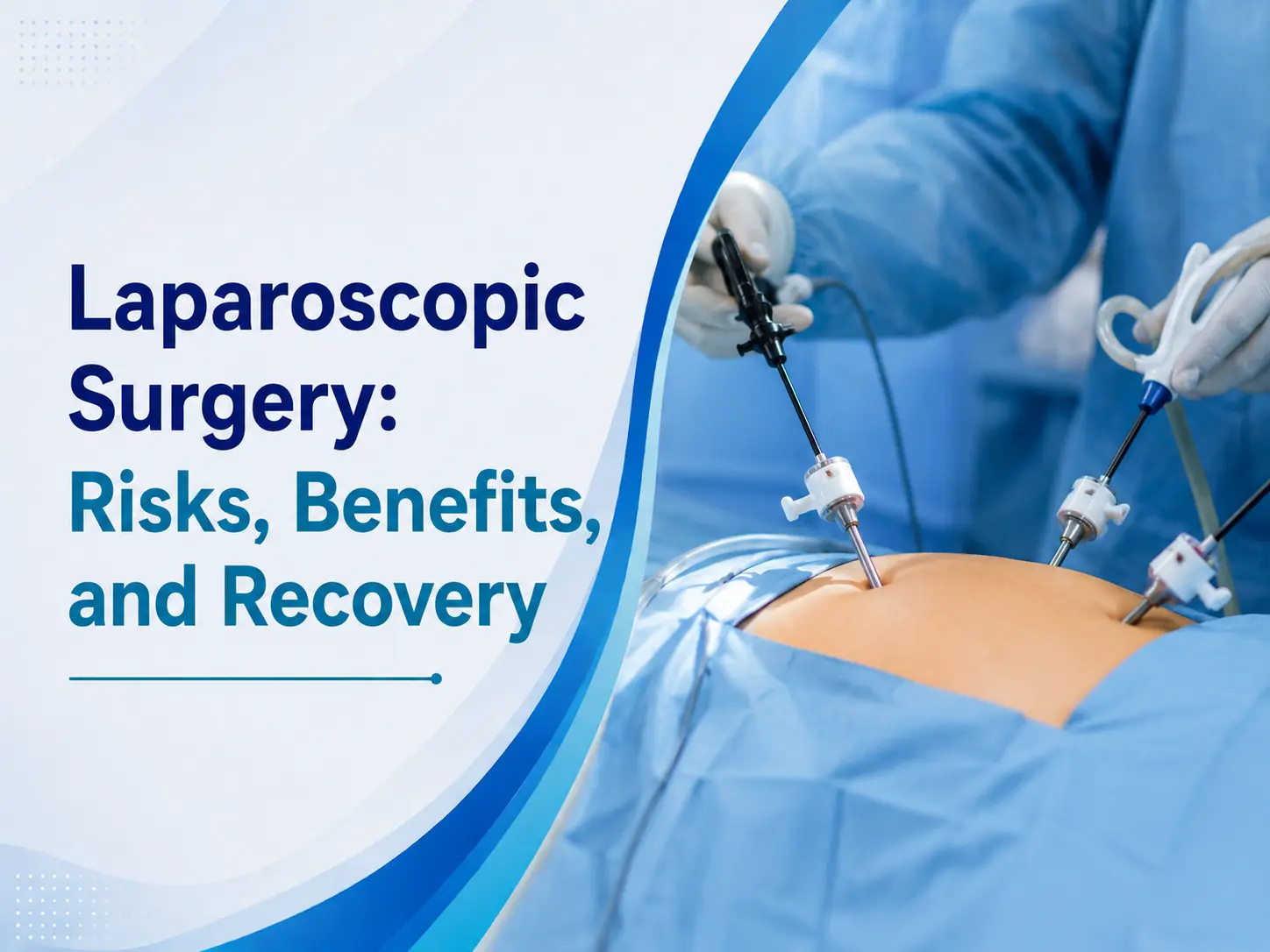
Tubal infertility treatment in Kota often involves laparoscopy for infertility in Kota to visualise the tubes directly, clear blockages, and restore normal anatomy where possible.
3. Endometriosis
Endometriosis occurs when tissue similar to the uterine lining grows outside the uterus, on the ovaries, tubes, or pelvic lining. It affects an estimated 10% of women globally and is a significant cause of both pain and infertility.
Many women with endometriosis have no obvious symptoms other than difficulty conceiving. Diagnosis is confirmed through laparoscopy for infertility in Kota, which allows direct visualisation and surgical treatment in the same procedure.
4. Uterine Abnormalities
Structural problems within the uterus can prevent a fertilised egg from implanting successfully. These include:
- Uterine fibroids (non-cancerous growths in the uterine wall)
- Uterine polyps (small growths in the uterine lining)
- A septate uterus (a wall of tissue dividing the uterine cavity)
- Asherman’s syndrome (intrauterine adhesions from previous surgery or infection)
Female infertility treatment in Kota for uterine causes is often performed laparoscopically or hysteroscopically, with excellent results.
5. Age-Related Decline in Egg Quality
A woman is born with a fixed number of eggs. As age increases, both the quantity and quality of eggs decline. After 35, this decline accelerates significantly. This does not mean conception is impossible, but it does mean earlier evaluation is important.
Infertility Causes in Male: What Can Stop a Man from Fathering a Child?
Male factors contribute to approximately 40 to 50% of all infertility cases. Despite this, male infertility is significantly under-evaluated in India. A semen analysis is the single most important first test and should be done early in any fertility workup.
1. Low Sperm Count (Oligospermia)
A normal sperm count is above 15 million sperm per millilitre of semen. A count below this threshold reduces the probability of fertilisation. Severe cases with very few or no sperm present (azoospermia) require specialised evaluation.
Male infertility treatment in Kota at Jain Surgical begins with identifying whether low sperm count is due to a production problem or a blockage in the reproductive tract.
2. Poor Sperm Motility (Asthenospermia)
Even with an adequate count, sperm must swim effectively to reach and fertilise the egg. Poor motility is one of the most common findings in male infertility workups.
Causes include oxidative stress, varicocele (enlarged veins in the scrotum), infections, and lifestyle factors.
3. Abnormal Sperm Shape (Teratospermia)
Sperm with abnormal shape have difficulty penetrating the egg. When more than 96% of sperm have abnormal morphology, fertilisation rates drop significantly.
4. Varicocele
A varicocele is an enlargement of the veins within the scrotum, similar to varicose veins in the legs. It raises the temperature around the testicles and impairs sperm production. Varicocele is found in approximately 40% of men evaluated for infertility and is highly treatable with surgery.
5. Hormonal Imbalance in Men
Testosterone and other hormones regulate sperm production. Low levels of FSH, LH, or testosterone due to pituitary or testicular dysfunction can significantly reduce fertility. A simple blood test identifies this cause.
6. Lifestyle and Environmental Factors
Several modifiable factors significantly affect male fertility:
- Smoking reduces sperm count and motility
- Excessive alcohol consumption affects testosterone levels
- Obesity increases estrogen and reduces testosterone
- Prolonged heat exposure (hot baths, laptop use on lap) damages sperm temporarily
- Anabolic steroid use severely suppresses natural sperm production
When Both Partners Have a Role: Combined Infertility Factors
In approximately 20 to 30% of couples, both partners have contributing factors. This is why evaluating both partners simultaneously is essential. Treating only one partner when both have issues wastes valuable time and reduces treatment success.
At Jain Surgical, the approach to infertility treatment in Kota always involves a thorough evaluation of both partners before any treatment recommendation is made.
How Is Infertility Diagnosed at Jain Surgical?
A methodical diagnosis is the foundation of successful infertility treatment in Rajasthan. At Jain Surgical, the evaluation process includes:
For Women:
- Hormone profile: FSH, LH, AMH, prolactin, thyroid
- Pelvic ultrasound: Ovarian reserve, follicle tracking, uterine assessment
- HSG (Hysterosalpingography): X-ray test to check tubal patency
- Laparoscopy for infertility in Kota: Definitive diagnosis of endometriosis, adhesions, and tubal blockage
For Men:
- Semen analysis: Count, motility, morphology, volume
- Hormone profile: Testosterone, FSH, LH
- Scrotal ultrasound: To detect varicocele or structural abnormalities
- Genetic testing if indicated
Most results are available within a few days, allowing the best infertility doctor in Kota to recommend a personalised treatment plan quickly.
Infertility Treatment in Kota: What Are Your Options?
Once a cause is identified, the right treatment is matched to the specific problem. Options available at Jain Surgical include:
1. Ovulation Induction: Oral or injectable medications stimulate the ovaries to produce and release eggs. Combined with timed intercourse or intrauterine insemination (IUI), this is effective for most ovulation problem treatment in Kota cases.
2. Laparoscopic Surgery for Female Infertility: Laparoscopy for infertility in Kota treats endometriosis, removes fibroids or polyps, clears tubal blockages, and corrects structural abnormalities. Many couples conceive naturally following this procedure.
3. Varicocele Repair for Male Infertility: Surgical correction of varicocele improves sperm parameters in most men within 3 to 6 months of the procedure.
4. IUI (Intrauterine Insemination): Processed sperm is placed directly into the uterus at the time of ovulation, increasing the chances of fertilisation. A good option for mild male factor or unexplained infertility.
5. IVF (In Vitro Fertilisation): Eggs and sperm are fertilised outside the body and the resulting embryo is transferred to the uterus. Recommended for more complex cases including tubal blockage, advanced age, or failed simpler treatments.
6. Hormonal Treatment for Men: Hormonal imbalances causing low sperm production are treated with targeted medication, often restoring fertility within a few months.
Lifestyle Changes That Support Fertility Treatment
While medical treatment addresses the root cause, these changes support overall fertility for both partners:
- Maintain a healthy body weight as both obesity and being underweight affect hormone levels
- Quit smoking completely as it damages eggs, sperm, and the uterine lining
- Limit alcohol to occasional, low amounts during treatment
- Manage stress through yoga, meditation, or counselling
- Take prescribed folic acid and other supplements as directed
- Ensure 7 to 8 hours of sleep per night as sleep deprivation affects reproductive hormones
Frequently Asked Questions
Q1. What is the most common cause of infertility in women?
Ovulation disorders, particularly PCOS, are the most common cause of female infertility. Blocked fallopian tubes, endometriosis, and uterine abnormalities are also frequently diagnosed causes. A hormone profile and ultrasound are the starting points for evaluation.
Q2. Can male infertility be treated without surgery?
Yes, in many cases. Hormonal imbalances, lifestyle-related sperm problems, and mild motility issues often respond to medication, lifestyle changes, and targeted supplements. Varicocele, however, typically requires a minor surgical procedure for the best outcome.
Q3. How long does infertility treatment take in Kota?
The timeline varies by treatment type. Ovulation induction cycles take one month each. Laparoscopic surgery for structural causes is a day care or overnight procedure. IUI requires one to two cycles for initial assessment. The best infertility doctor in Kota will give you a personalised timeline at your first consultation.
Q4. Is laparoscopy painful for infertility evaluation?
Laparoscopy is performed under general anaesthesia and is not painful during the procedure. Post-operative discomfort is mild and usually resolves within 2 to 3 days. Laparoscopy for infertility in Kota at Jain Surgical is a day care procedure in most cases.
Q5. At what age should a woman see an infertility specialist?
Women under 35 should seek evaluation after 12 months of trying. Women over 35 should consult a pregnancy specialist in Kota after 6 months. Women with known PCOS, irregular periods, or previous pelvic infections should seek evaluation earlier.
Q6. Can stress cause infertility?
Chronic stress can disrupt the hormonal signals that regulate ovulation in women and sperm production in men. While stress alone is rarely the sole cause, it can worsen existing hormonal imbalances. Stress management is routinely included in infertility treatment in Kota at Jain Surgical.
Q7. Is infertility treatment available under insurance in Kota?
Coverage varies by insurance provider and policy type. Some diagnostic tests and surgical procedures such as laparoscopy for infertility may be covered. Contact Jain Surgical directly to check your specific insurance eligibility before your first visit.
Q8. Who is the best infertility doctor in Kota?
Jain Surgical has a dedicated team of reproductive specialists with extensive experience in both female infertility treatment in Kota and male infertility treatment in Kota. The hospital is trusted by couples across Kota and across Rajasthan for its thorough diagnostic approach and high success rates.
Conclusion
Struggling to conceive is one of the most emotionally difficult experiences a couple can face. But in most cases, there is a clear reason and a clear solution. Both partners carry equal weight in the fertility equation, and both deserve a thorough evaluation. Whether the cause is a hormonal imbalance, a structural problem, or a sperm quality issue, the infertility specialists in Kota at Jain Surgical have the tools, experience, and compassion to guide you toward parenthood. The right diagnosis changes everything. Do not let another cycle pass without answers. Your journey to parenthood can begin with a single consultation.