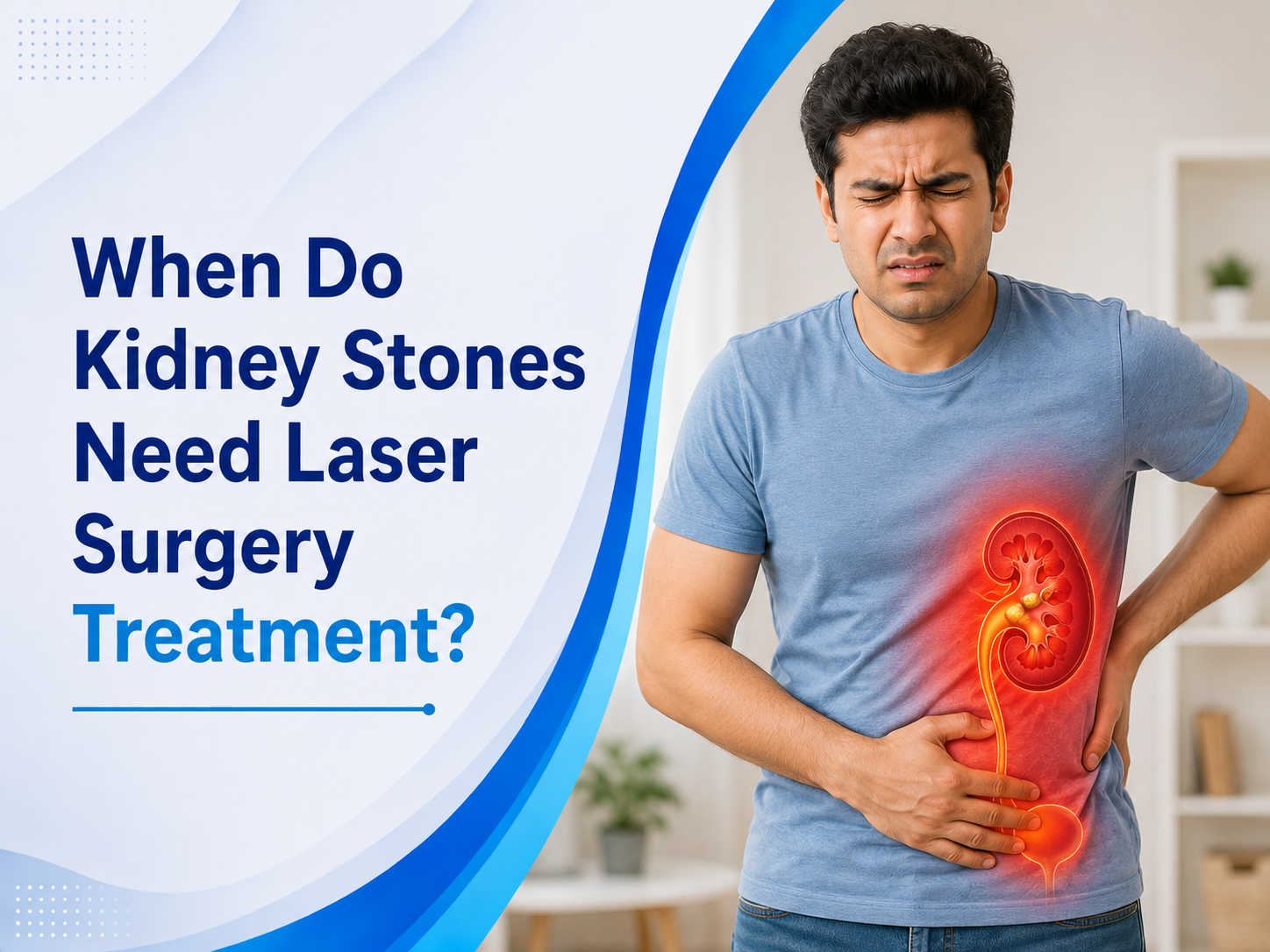
Kidney stones are one of the most common urological problems in India, and many patients ask the same question: when do kidney stones need laser surgery? The short answer is that laser surgery is usually needed when a stone is larger than 10mm, is stuck in the urinary tract, causes an infection, or does not pass out on its own after a few weeks. At Jain Surgical Hospital, a trusted kidney stone treatment hospital in Kota, our urology team helps patients understand exactly when laser treatment becomes the safest and fastest option.
What Are Kidney Stones and Why Do They Form?
Kidney stones are hard deposits made of minerals and salts that form inside the kidneys. They develop when urine becomes concentrated, allowing minerals like calcium, oxalate, and uric acid to crystallize and stick together.
Common causes include:
- Not drinking enough water
- A diet high in salt, sugar, or animal protein
- Family history of stone disease
- Obesity or a sedentary lifestyle
- Certain medical conditions, such as gout or urinary tract infections
Small stones often pass on their own through urine. Larger or oddly shaped stones, however, tend to get stuck and cause pain, blockage, or infection. This is where laser treatment for kidney stones becomes necessary.
When Do Kidney Stones Need Laser Surgery? Key Signs to Watch For
Not every kidney stone requires surgery. Doctors generally recommend laser surgery for kidney stones when one or more of the following apply.
1. The stone is larger than 10mm (1 cm). Stones this size rarely pass naturally and are more likely to block urine flow.
2. The stone is blocking urine flow. A blocked ureter can cause swelling in the kidney, a condition called hydronephrosis, which needs urgent treatment.
3. The stone is causing severe or recurring pain. Persistent pain in the back, side, or lower abdomen that does not improve with medication is a strong indicator.
4. There are signs of infection. Fever, chills, cloudy urine, or a burning sensation while urinating alongside a stone means treatment cannot wait.
5. Other treatments have failed. If shock wave lithotripsy (ESWL) or medication has not cleared the stone, laser surgery is usually the next step.
6. The stone is in a difficult location. Stones in the lower part of the kidney or upper ureter are harder to pass and often respond better to laser removal.
Kidney Stone Size Chart: When Laser Treatment Becomes Necessary
Stone size is one of the biggest factors doctors use to decide on treatment. Here is a general guide used by urologists.
| Stone Size | Typical Approach |
| Under 5mm | Usually passes naturally with fluids and medication |
| 5mm to 10mm | May pass on its own; monitored closely, medication often tried first |
| 10mm to 20mm | Laser surgery (RIRS) is commonly recommended |
| Over 20mm (2 cm) | Larger procedures such as PCNL may be needed, though advanced laser techniques are increasingly used for these too |
This chart is only a general reference. The exact kidney stone treatment plan depends on stone location, shape, kidney anatomy, and the patient’s overall health, which is why a proper evaluation at a specialised kidney stone treatment hospital in Kota is important before deciding on any procedure.
Types of Laser Surgery for Kidney Stones
There are two main laser-based procedures used today, both aimed at breaking stones into smaller pieces that the body can pass naturally.
Retrograde Intrarenal Surgery (RIRS)
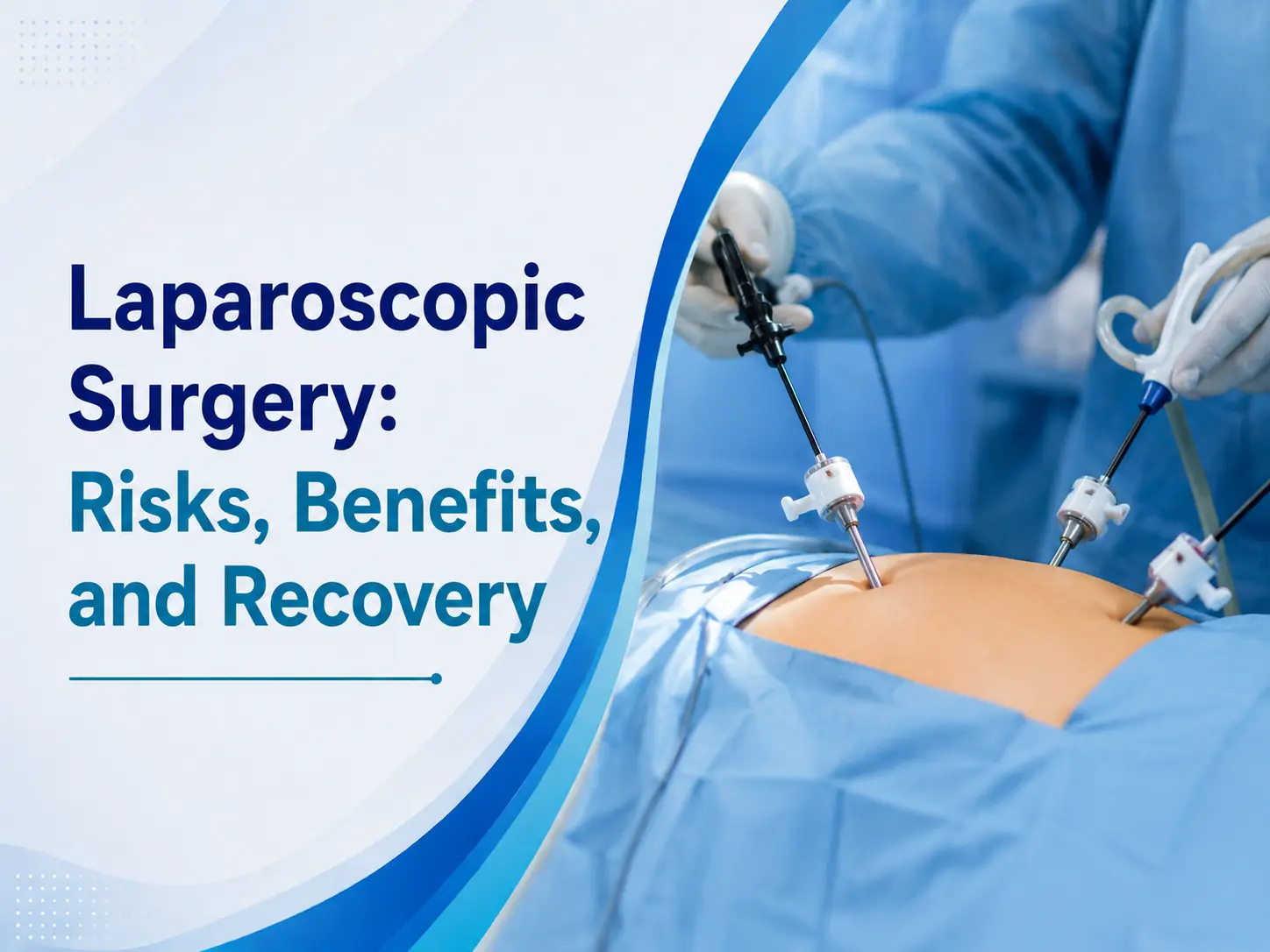
RIRS uses a thin, flexible scope passed through the natural urinary passage, with no cuts or stitches involved. A laser fibre breaks the stone into fine dust or small fragments inside the kidney. This method works especially well for stones between 1 cm and 2 cm, and many surgeons now use it successfully for stones up to 2.5 cm or more, depending on the case.
Laser Lithotripsy (Ureteroscopy with Laser)
This procedure targets stones stuck in the ureter, the tube connecting the kidney to the bladder. A scope reaches the stone directly, and laser energy breaks it apart for easy removal or natural passage.
Both procedures are minimally invasive, generally performed under anaesthesia, and usually allow the patient to go home the same day or after one night in the hospital.
Symptoms That Indicate You May Need Laser Surgery
If you are experiencing any of the following, it is worth getting evaluated for kidney stone treatment right away.
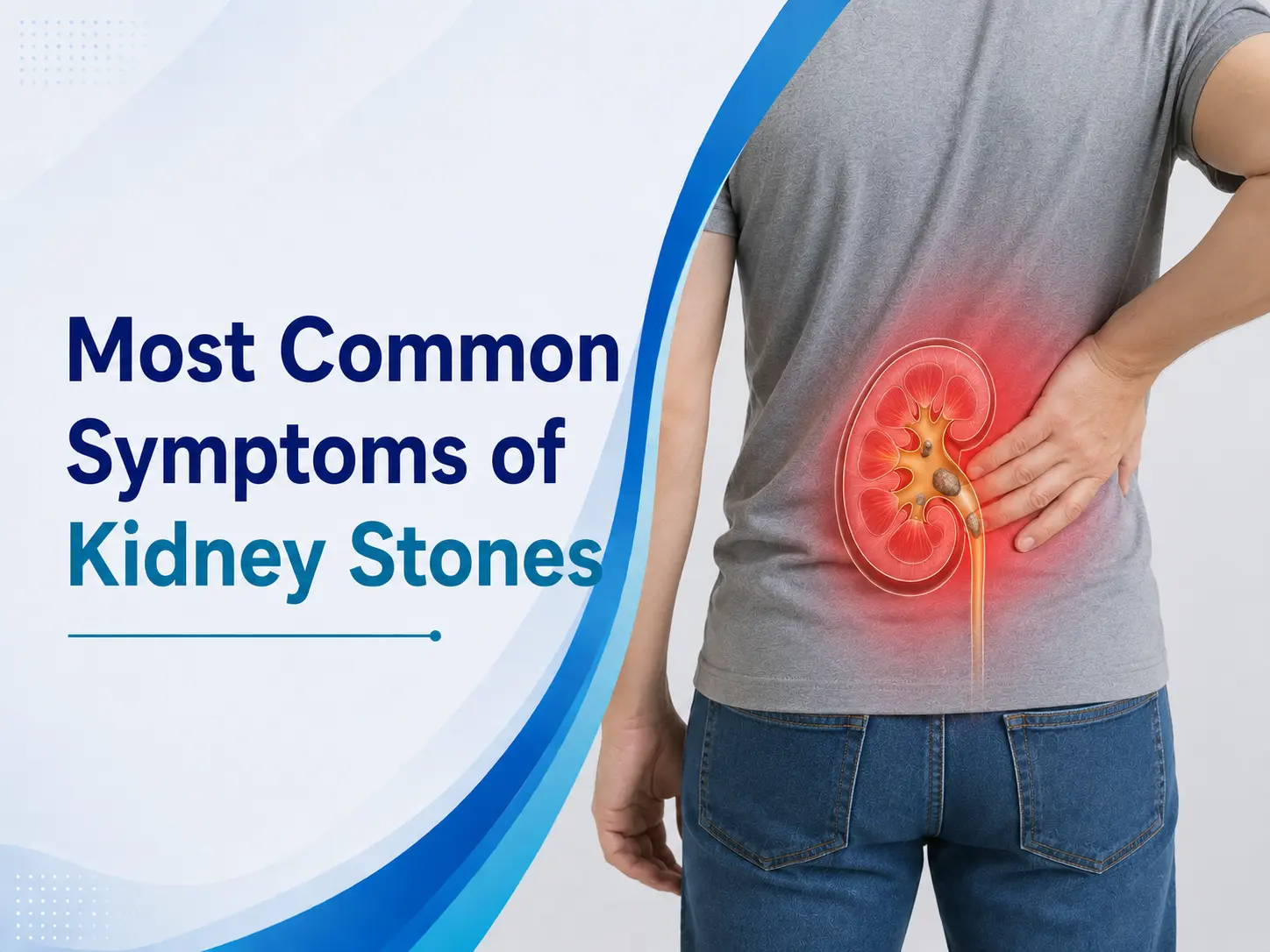
- Sharp pain in the back or side that comes in waves
- Pain that spreads to the lower abdomen or groin
- Blood in the urine
- Nausea or vomiting alongside stone pain
- Frequent urge to urinate with little output
- Fever or chills combined with stone symptoms
These symptoms do not automatically mean surgery is required, but they are strong signs that a stone needs professional assessment rather than home remedies.
Why Choose Jain Surgical Hospital for Kidney Stone Treatment in Kota
Patients searching for the best hospital in Kota for stone-related problems often look for three things: experienced surgeons, modern laser technology, and a comfortable recovery process. Jain Surgical Hospital was built around exactly these priorities.
- Experienced urology team with years of hands-on experience in RIRS and laser lithotripsy
- Modern laser equipment for precise, minimally invasive stone removal
- Personalised treatment plans based on stone size, location, and patient health
- Same-day or short-stay recovery for most laser procedures
- Transparent guidance on whether laser surgery, medication, or monitoring is the right path
As a leading name in kidney stone treatment Kota, the hospital focuses on reducing pain, avoiding unnecessary procedures, and helping patients get back to normal life quickly.
Recovery After Laser Surgery for Kidney Stones
Recovery from laser kidney stone surgery is generally quick compared to open surgery. Most patients can expect the following.
- Mild discomfort or a stent-related sensation for a few days
- Return to light activity within 2 to 3 days
- Full recovery and normal activity within 1 to 2 weeks
- A follow-up scan to confirm the stone has fully cleared
- Advice on diet and hydration to lower the risk of new stones
Doctors at Jain Surgical Hospital also guide patients on long-term prevention, since kidney stones tend to recur without lifestyle changes.
How Jain Surgical Hospital Diagnoses and Plans Your Treatment
Before recommending laser surgery, the team at this kidney stone treatment hospital in Kota follows a clear evaluation process.
- Detailed history and symptom review
- Ultrasound, X-ray, or CT scan to confirm stone size and location
- Blood and urine tests to rule out infection
- Discussion of all treatment options, from medication to laser surgery
- A personalised plan based on the patient’s specific case
This step-by-step approach ensures that laser surgery is recommended only when it is genuinely the best option, not the default choice.
Frequently Asked Questions
1. At what size does a kidney stone need laser surgery?
Stones larger than 10mm generally need laser treatment, since they rarely pass on their own. Stones between 10mm and 20mm are the most common candidates for RIRS.
2. Is laser surgery for kidney stones painful?
The procedure is performed under anaesthesia, so patients feel no pain during surgery. Mild discomfort for a few days afterward is normal and manageable with medication.
3. How long does recovery take after laser kidney stone surgery?
Most patients return to light activities within 2 to 3 days and resume full normal activity within 1 to 2 weeks.
4. Can kidney stones come back after laser surgery?
Yes, kidney stones can recur if diet, hydration, and underlying causes are not addressed. Doctors typically provide a prevention plan after treatment.
5. Is laser surgery better than open surgery for kidney stones?
Yes, in most cases. Laser surgery is minimally invasive, requires no large incision, and offers a much shorter recovery time compared to traditional open surgery.
Ready to Get Relief from Kidney Stone Pain?
If you are searching for reliable kidney stone treatment in Kota, do not wait for the pain to get worse. The specialists at Jain Surgical Hospital can evaluate your stone, explain your options clearly, and recommend the safest path forward, whether that is monitoring, medication, or laser surgery.
Book a consultation with Jain Surgical Hospital today and take the first step toward a stone-free, pain-free life.
Conclusion
So, when do kidney stones need laser surgery? In short, when the stone is larger than 10mm, blocking urine flow, causing infection, or has not responded to other treatments. Laser surgery is safe, minimally invasive, and offers a fast recovery for most patients. If you are dealing with stone pain or have been told you may need a procedure, getting the right diagnosis early makes all the difference.