
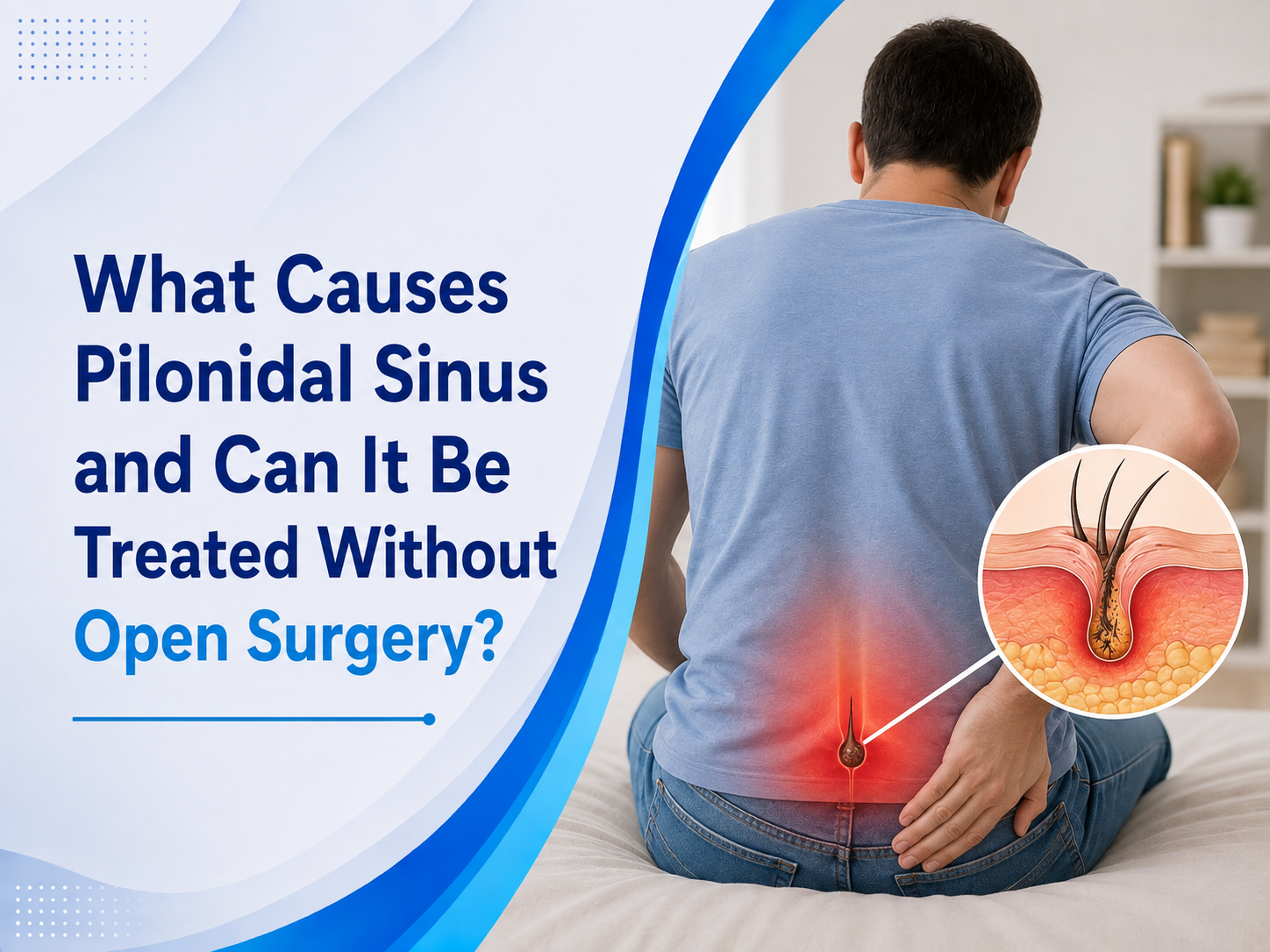
A Pilonidal Sinus is a small tunnel or tract that forms under the skin, usually near the tailbone. It often develops when loose hair and dead skin get trapped in the natal cleft, triggering irritation, infection, and swelling. The good news is that many cases of Pilonidal Sinus no longer require traditional open surgery, thanks to modern minimally invasive techniques now available at Jain Surgical Hospital, a trusted multispeciality hospital in Kota..
What Is a Pilonidal Sinus?
The word “pilonidal” literally means “nest of hair.” A Pilonidal Sinus forms when hair, sweat, and skin debris get pushed beneath the surface of the skin in the crease between the buttocks.
Over time, the body reacts to this trapped material as a foreign object. This reaction causes inflammation, and a small channel or sinus tract develops under the skin. In many cases, the tract becomes infected and forms a painful abscess.
This condition is common in young adults, particularly men, though it can affect anyone. It is not cancerous and is not contagious, but it can become a recurring problem if left untreated.
What Causes Pilonidal Sinus? Key Risk Factors
There is no single cause of Pilonidal Sinus, but doctors have identified several contributing factors. Understanding these can help you recognise your own risk level.
- Excess body hair: Thick or coarse hair near the tailbone is more likely to get trapped under the skin.
- Prolonged sitting: Jobs or lifestyles that involve long hours of sitting, such as driving or desk work, increase pressure and friction in the area.
- Obesity: Extra weight adds pressure to the natal cleft and creates deeper skin folds where hair and debris collect.
- Poor hygiene: Inadequate cleaning of the area allows sweat, bacteria, and dead skin to build up.
- Friction and trauma: Repeated rubbing from tight clothing or physical activity can push hair into the skin.
- Family history: A genetic tendency toward deep natal clefts or ingrown hair can raise the risk.
- Gender and age: The condition is most common between the ages of 15 and 30, and more frequent in men.

Common Symptoms of Pilonidal Sinus You Shouldn’t Ignore
Recognising the early signs of a Pilonidal Sinus can help you seek treatment before the condition worsens. Common symptoms include:
- A small dimple or opening in the skin above the buttocks crease
- Pain and tenderness, especially while sitting
- Redness, swelling, or a lump near the tailbone
- Pus or blood draining from the sinus, often with a foul smell
- Fever, fatigue, or a general feeling of being unwell if infection sets in
If you experience worsening pain, spreading redness, or fever along with drainage, you should consult a doctor promptly. Delayed treatment can lead to recurring abscesses and more complex infections.
Can Pilonidal Sinus Be Treated Without Open Surgery?
Yes. In many uncomplicated and moderately complex cases, Pilonidal Sinus can be treated without traditional open excision surgery. Advances in minimally invasive pilonidal sinus treatment now allow doctors to close the sinus tract with far less cutting, pain, and downtime.
Open surgery was once the standard approach, but it usually meant a large wound, weeks of dressing changes, and significant time away from work. Today, techniques such as laser ablation, endoscopic treatment, and phenol injection offer effective alternatives for many patients.
At Jain Surgical Hospital, our surgical team evaluates each case individually. Not every patient is a candidate for a non-surgical approach, but a large number of early and moderate cases respond very well to these newer methods.
Non-Surgical and Minimally Invasive Pilonidal Sinus Treatment Options
Here is a simple comparison of the main pilonidal sinus treatment options available today, from conservative care to minimally invasive procedures.
| Treatment Option | How It Works | Recovery Time | Best Suited For |
| Hygiene and hair removal | Regular shaving or hair removal creams keep the area clean | Ongoing | Mild or symptom-free cases |
| Phenol injection | A chemical solution is injected to close the sinus tract | 1 to 3 weeks | Small, uncomplicated sinuses |
| Laser-assisted closure (SiLaC/PiLaT) | Laser energy seals the tract from the inside without a large cut | 3 to 7 days | Chronic or recurring sinus cases |
| Endoscopic Pilonidal Sinus Treatment (EPSiT) | A small camera guides cleaning and closure of the tract | 1 to 2 weeks | Complex or multi-tract sinuses |
| Open excision surgery | The sinus and surrounding tissue are surgically removed | 3 to 6 weeks | Severe, deep, or repeatedly infected sinuses |
Clinical studies on laser-assisted and endoscopic techniques report healing rates of around 87 to 90 percent, with most patients returning to normal activity within a few days rather than weeks. These outcomes make minimally invasive pilonidal sinus treatment a strong first option for suitable patients.
When Does Pilonidal Sinus Still Need Open Surgery?
While many patients avoid open surgery, some cases genuinely require it. Your surgeon may recommend traditional excision if:
- The sinus is very large, deep, or has multiple branching tracts
- There is an active abscess that needs urgent drainage
- The condition has recurred multiple times after minimally invasive treatment
- Scar tissue from previous procedures makes laser or endoscopic access difficult
Even in these situations, modern surgical techniques at Jain Surgical Hospital focus on minimising tissue removal and supporting faster healing wherever possible.
Why Choose Jain Surgical Hospital for Pilonidal Sinus Treatment in Kota
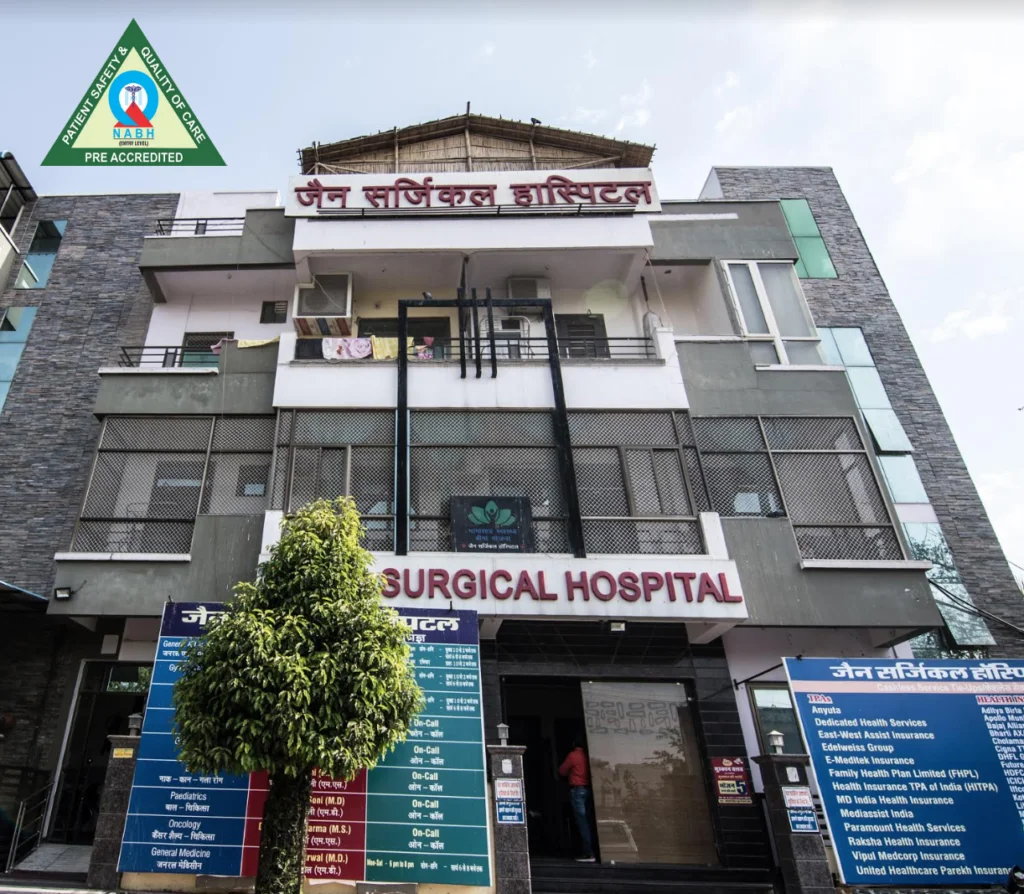
Jain Surgical Hospital is recognised as one of the best hospitals in Kota for the diagnosis and treatment of Pilonidal Sinus and related surgical conditions. Our approach combines experienced surgical expertise with modern, patient-friendly technology.
- Experienced surgeons: Our colorectal and general surgery team has treated hundreds of pilonidal sinus cases, from simple to complex.
- Advanced technology: We offer laser-assisted and minimally invasive options alongside conventional surgery, so treatment is matched to your specific condition.
- Accurate diagnosis: Every patient undergoes a thorough clinical evaluation before any treatment is recommended.
- Multispeciality support: As a full multispeciality hospital in Kota, we provide access to anesthesia, wound care, and follow-up services under one roof.
- Patient-first care: From your first consultation to full recovery, our team focuses on comfort, clear communication, and long-term results.
Choosing the right pilonidal sinus treatment in Kota can make the difference between a quick recovery and months of recurring discomfort. Our goal is to help you get back to your daily routine as soon as safely possible.
How to Prevent Pilonidal Sinus Recurrence
Prevention plays a major role in managing this condition long term, especially after treatment. Consider the following steps:
- Keep the natal cleft area clean and dry
- Remove hair regularly through shaving, laser hair removal, or depilatory creams
- Avoid sitting for long, unbroken periods; take short breaks to stand and move
- Maintain a healthy body weight to reduce pressure and friction in the area
- Wear breathable, well-fitted clothing rather than tight garments
- Follow your surgeon’s post-treatment care instructions closely
These habits reduce the chances of a Pilonidal Sinus returning after treatment and support better long-term skin health in the area.
Frequently Asked Questions
1. Is Pilonidal Sinus a serious condition?
Pilonidal Sinus is usually not dangerous or cancerous, but it can become painful and infected if left untreated. Early evaluation helps prevent complications such as abscess formation.
2. Can Pilonidal Sinus heal on its own without treatment?
A very mild case with no symptoms may be managed through hygiene and hair removal alone. However, once a sinus tract or infection develops, medical treatment is usually needed to fully resolve it.
3. How painful is laser treatment for Pilonidal Sinus compared to open surgery?
Laser and endoscopic treatments generally involve significantly less pain than open surgery, since they avoid a large surgical wound. Most patients manage discomfort with simple pain relief and resume normal activity within days.
4. Will Pilonidal Sinus come back after non-surgical treatment?
Recurrence is possible with any treatment method, including surgery, but following proper hygiene and hair removal habits significantly lowers this risk. Regular follow-up with your surgeon also helps catch early signs of recurrence.
5. How do I know if I need surgery or a non-surgical option for Pilonidal Sinus?
The right choice depends on the size, depth, and complexity of the sinus tract, along with your medical history. A clinical evaluation at a qualified hospital, such as Jain Surgical Hospital in Kota, is the best way to determine the most suitable treatment.
Conclusion
Pilonidal Sinus develops when trapped hair and skin debris cause irritation and infection near the tailbone, with risk factors including prolonged sitting, excess body hair, obesity, and poor hygiene. While it was once treated almost exclusively with open surgery, many patients today can benefit from minimally invasive pilonidal sinus treatment options such as laser closure, EPSiT, or phenol injection, with faster recovery and less discomfort.
If you are experiencing pain, swelling, or discharge near your tailbone, do not wait for the condition to worsen. Book a consultation with the surgical team at Jain Surgical Hospital, the trusted multispeciality hospital in Kota, and find out which pilonidal sinus treatment is right for you. Call us today or visit our website to schedule your appointment and take the first step toward lasting relief.