Anal fissures are one of the most common yet underdiagnosed anorectal conditions affecting people of all ages. Despite being highly treatable, many patients delay seeking medical care due to embarrassment or lack of awareness. At Jain Surgical Hospital, kota, our experienced surgical team provides compassionate, state-of-the-art treatment for anal fissures, helping thousands of patients regain their quality of life. In this blog, we explain what anal fissures are, what causes them, and how they can be effectively treated.
What Is an Anal Fissure?
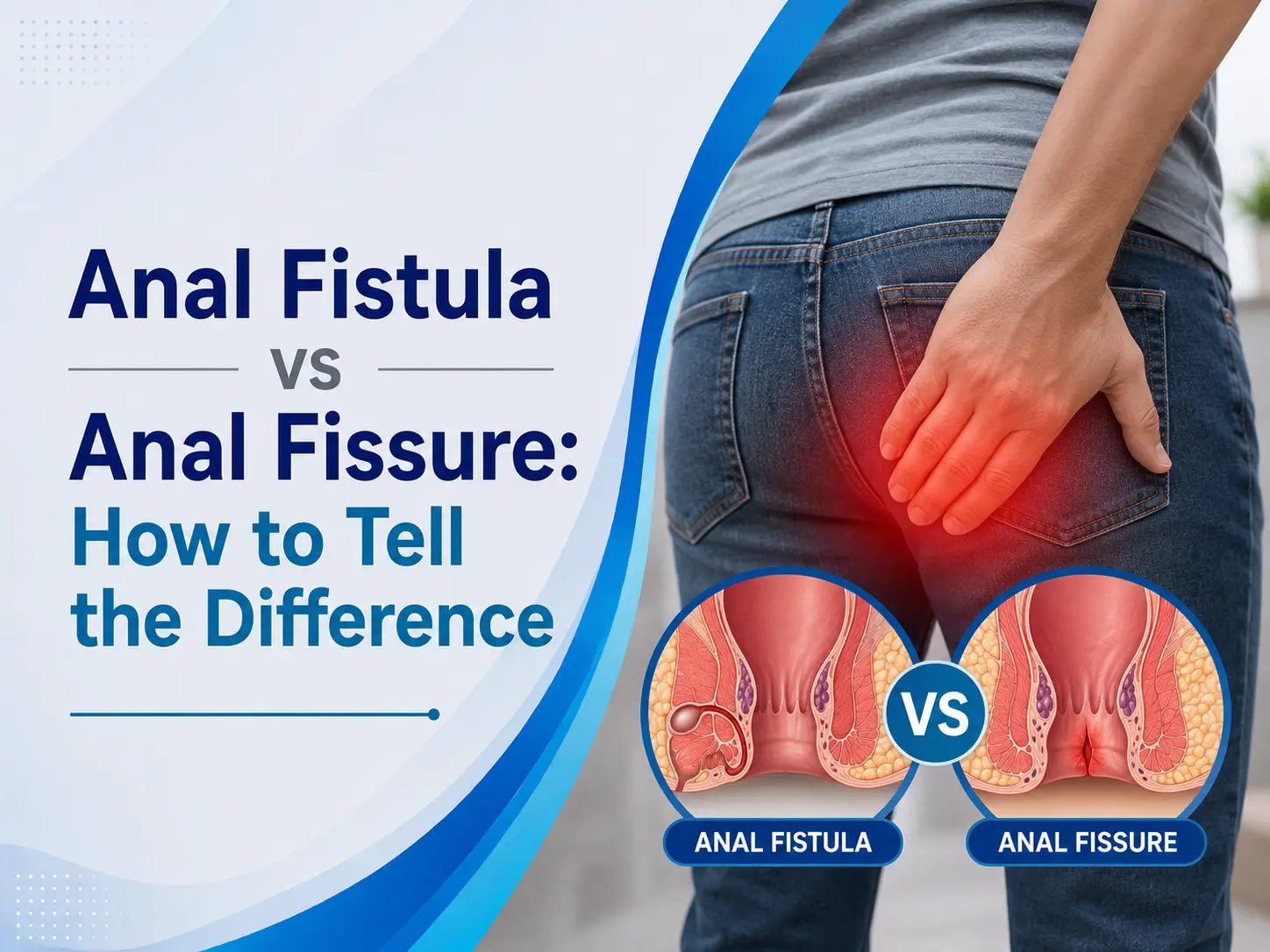
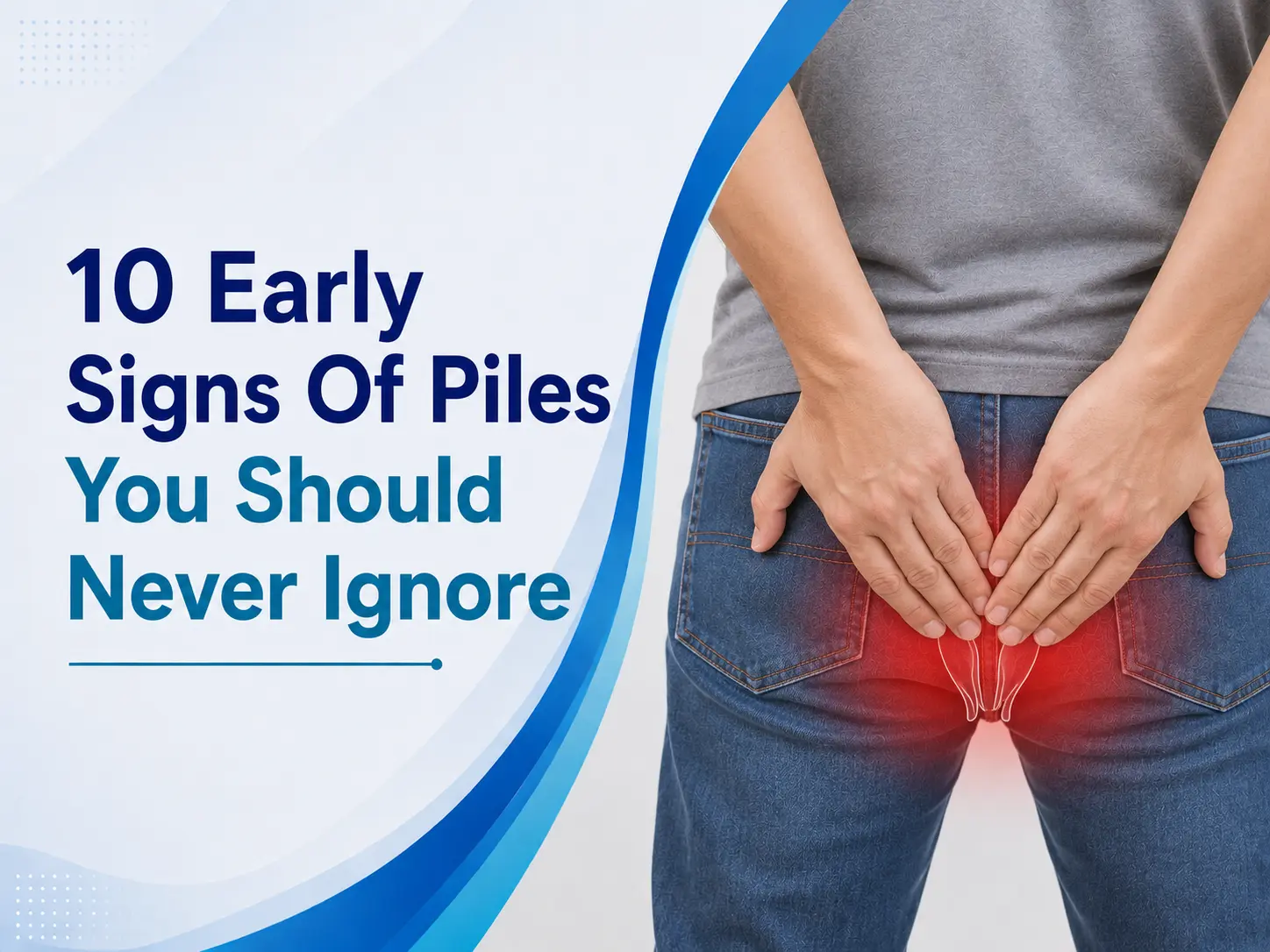
An anal fissure is a small tear or cut in the thin, moist tissue (mucosa) lining the anus — the opening through which stool passes out of the body. These tears can cause significant pain, burning, and sometimes bleeding during or after bowel movements. Anal fissures can be acute (short-term, lasting less than 6 weeks) or chronic (long-term, persisting beyond 6 weeks and often requiring medical intervention).
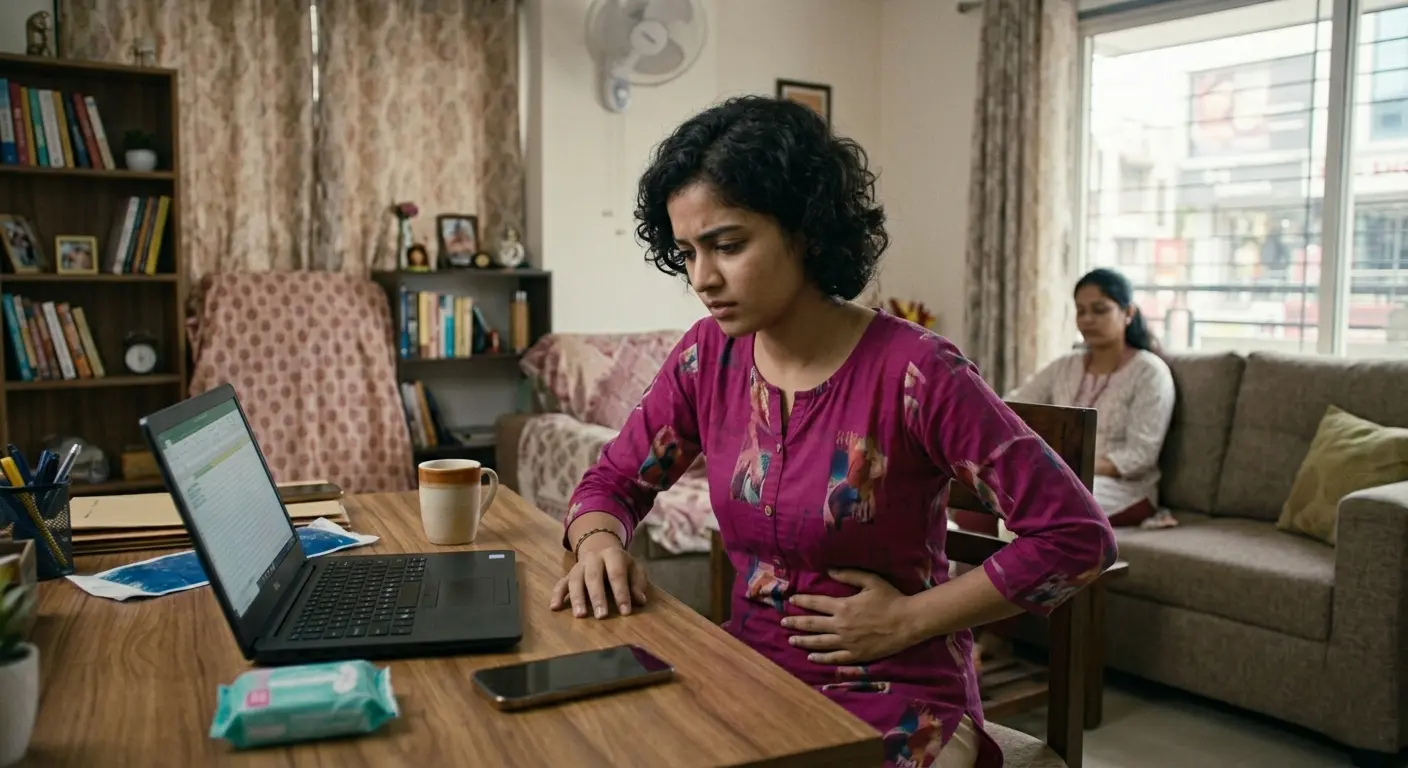
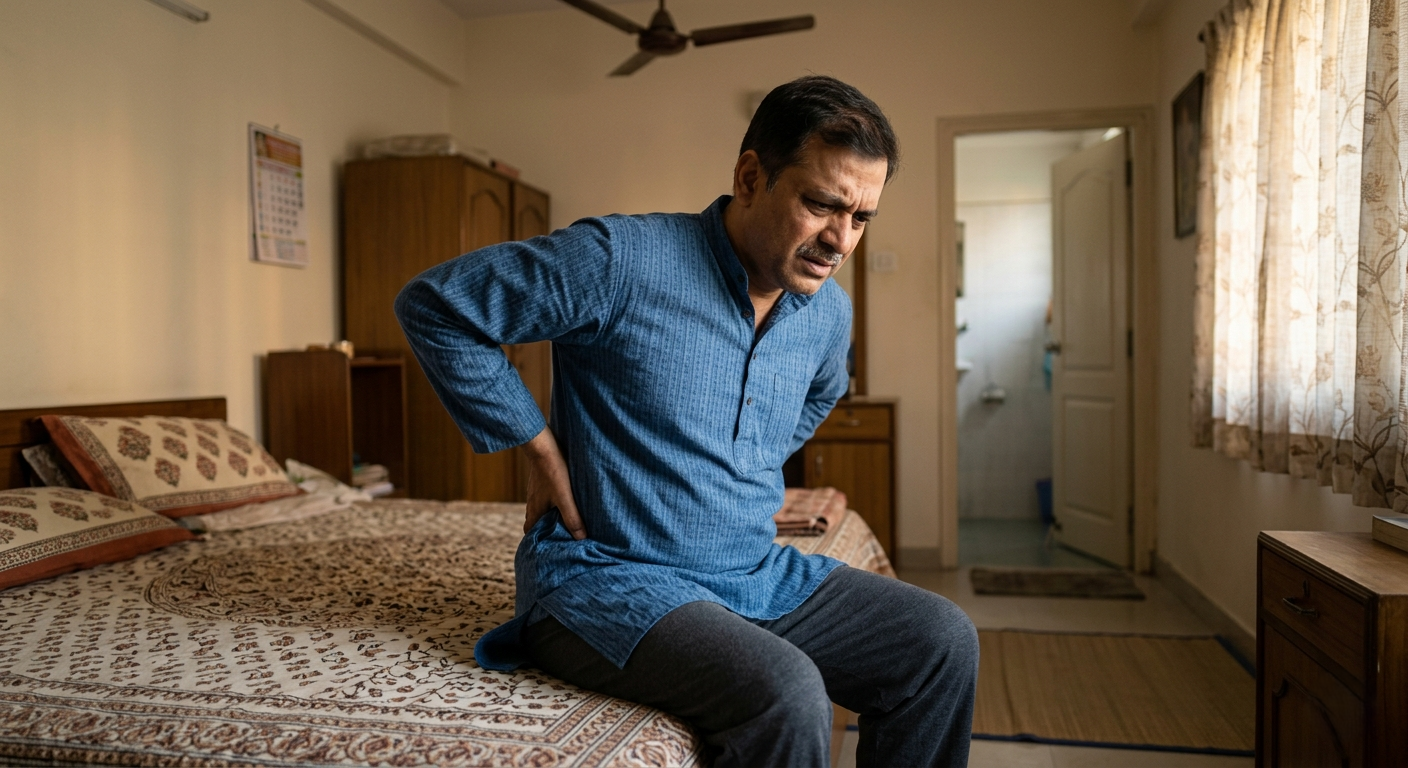
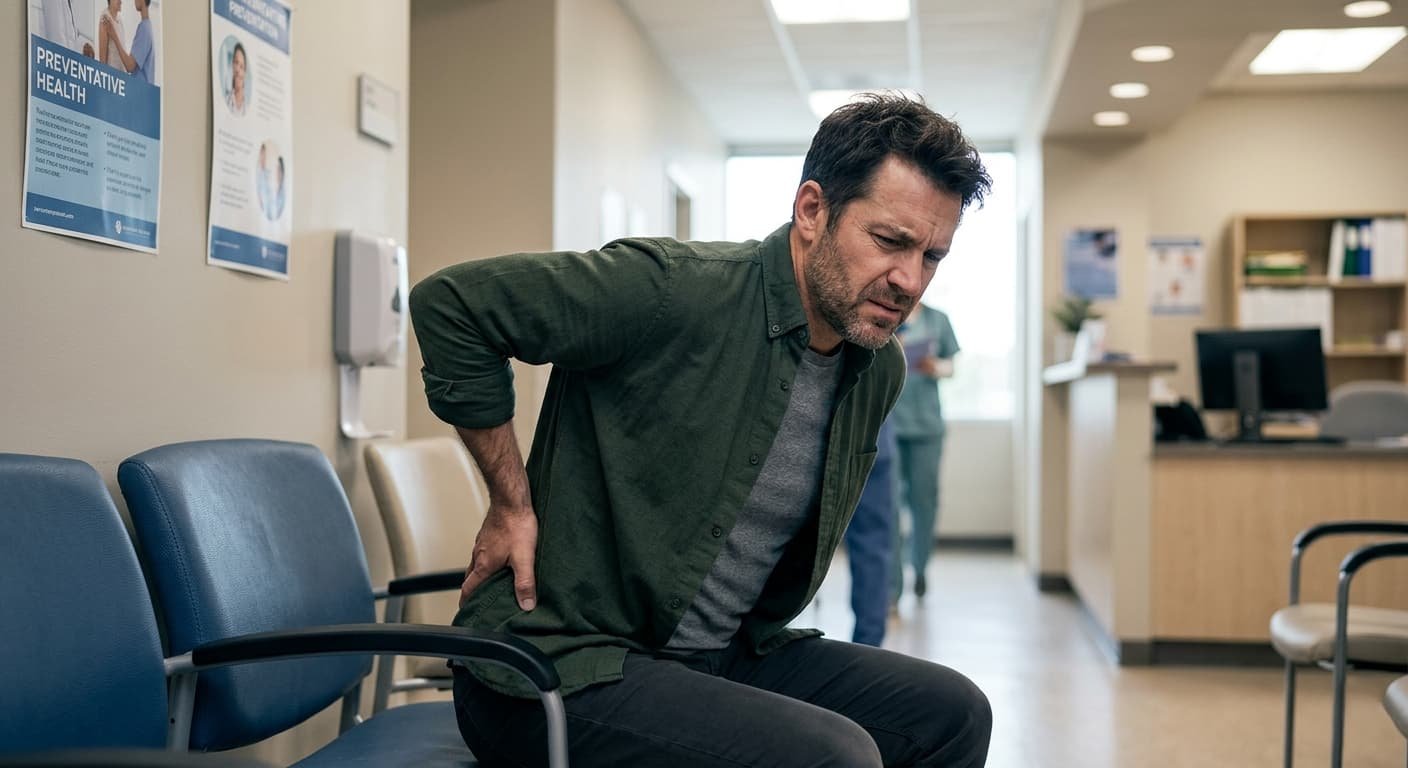
While the condition sounds minor, the pain associated with anal fissures can be severe, often described as a sharp, burning sensation that may last for hours after a bowel movement. Many patients also notice bright red blood on toilet paper or in the toilet bowl. Left untreated, chronic anal fissures can significantly affect a person’s daily life.
Common Causes of Anal Fissures
Understanding the root causes of anal fissures is the first step toward effective treatment and prevention. The most common causes include:
1. Constipation and Hard Stools
Chronic constipation is the leading cause of anal fissures. When stools are hard and dry, passing them puts excessive pressure on the anal canal, causing small tears in the delicate tissue. Straining during bowel movements worsens this trauma. A diet low in fibre, inadequate water intake, and a sedentary lifestyle are the main contributors to constipation-related anal fissures.
2. Chronic Diarrhoea
On the opposite end of the spectrum, repeated episodes of diarrhoea can irritate and erode the anal lining. The frequent passage of loose, acidic stools creates constant friction and chemical irritation, making the tissue vulnerable to tearing. Individuals suffering from irritable bowel syndrome (IBS), Crohn’s disease, or food intolerances are at higher risk of developing anal fissures for this reason.
3. Childbirth and Pregnancy
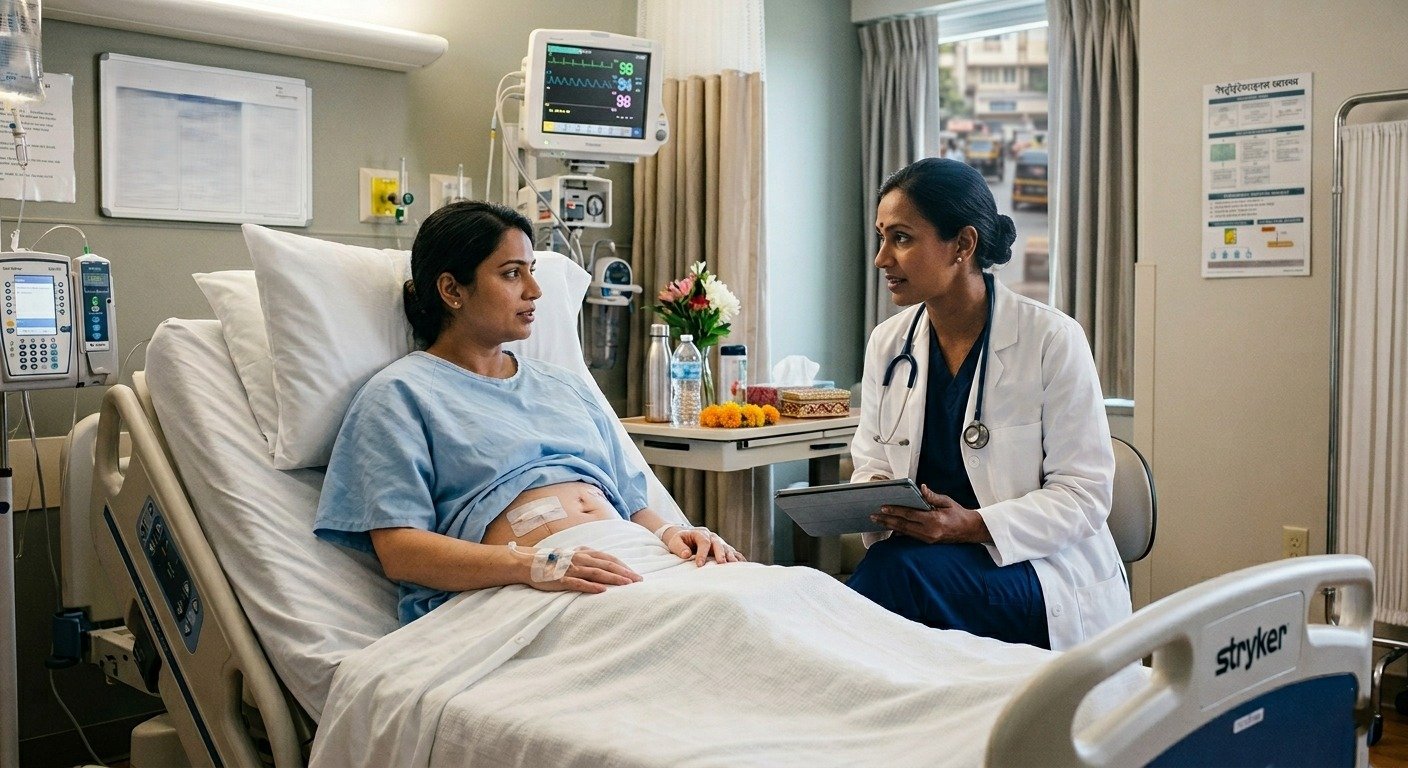
Women who have recently given birth, especially through vaginal delivery, are particularly susceptible to anal fissures. The intense pressure and stretching during labour can cause tears in the perineal and anal tissue. Anal fissures postpartum are extremely common and are often a hidden cause of post-delivery discomfort that many new mothers hesitate to discuss. Early treatment ensures faster recovery.
4. Increased Anal Sphincter Muscle Tension
The internal anal sphincter is a ring of muscle that controls the anal opening. When this muscle is abnormally tight or in chronic spasm, it reduces blood flow to the anal lining and makes the tissue less elastic. Even moderate bowel activity can then cause or perpetuate fissures. High internal sphincter tone is a key reason why many anal fissures become chronic rather than healing on their own.
5. Low-Fibre Diet and Poor Hydration
Diet plays a central role in anal fissure formation. A diet lacking in dietary fibre — found in fruits, vegetables, whole grains, and legumes — leads to harder stools and infrequent bowel movements. Dehydration similarly contributes by making stool drier and more difficult to pass. Improving fibre intake and drinking at least 8 glasses of water per day are among the simplest and most powerful preventive measures.
6. Inflammatory Bowel Disease (IBD)
Conditions like Crohn’s disease and ulcerative colitis cause chronic inflammation of the gastrointestinal tract, including the anal region. Persistent inflammation weakens the anal tissue, making it prone to fissuring. Anal fissures in patients with IBD tend to be deeper, more painful, and slower to heal — often requiring specialised medical management alongside treatment of the underlying condition.
7. Anal Trauma or Injury
Direct trauma to the anal area — whether from medical procedures (such as colonoscopy or haemorrhoid banding), anal intercourse, or accidental injury — can trigger fissures. Although less common than the causes above, trauma-related anal fissures can be quite painful and may require prompt medical evaluation to rule out other complications.
Key Symptoms of Anal Fissures
Recognising the symptoms early leads to faster and more effective treatment. Common symptoms of anal fissures include:
- Sharp, intense pain during and after bowel movements — sometimes lasting 1 to 2 hours
- Bright red blood on toilet paper or in the toilet — a hallmark sign of anal fissures
- Burning or itching sensation around the anus
- Visible tear or small cut in the skin around the anus
- A small skin tag or lump near the fissure in chronic cases (sentinel pile)
- Reluctance or fear of having bowel movements due to anticipated pain
Anal Fissure Treatment Options at Jain Surgical Hospital
At Jain Surgical Hospital, kota, we offer a comprehensive, patient-centred approach to anal fissure treatment. The right treatment depends on whether the fissure is acute or chronic, its underlying cause, and the patient’s overall health.
Conservative (Non-Surgical) Treatment
Most acute anal fissures heal with conservative management. This includes increasing dietary fibre and fluid intake to soften stools, using stool softeners and laxatives, warm sitz baths (soaking in warm water for 15–20 minutes, 2–3 times daily), and application of topical anaesthetic creams or ointments to relieve pain. These measures help relax the sphincter, improve blood flow, and allow the fissure to heal naturally.
Topical Medications
For chronic fissures, topical medications such as glyceryl trinitrate (GTN) ointment or calcium channel blockers (e.g., diltiazem cream) are applied to the anal region to relax the internal sphincter and promote healing. These are effective in a significant proportion of patients and are often the first-line treatment before considering surgical options.
Botulinum Toxin (Botox) Injection
Injection of botulinum toxin into the internal anal sphincter temporarily paralyses the muscle, reducing spasm and allowing the fissure to heal. This is a minimally invasive, outpatient procedure with a good success rate for chronic anal fissures that have not responded to topical therapy.
Lateral Internal Sphincterotomy (LIS) — Surgical Treatment
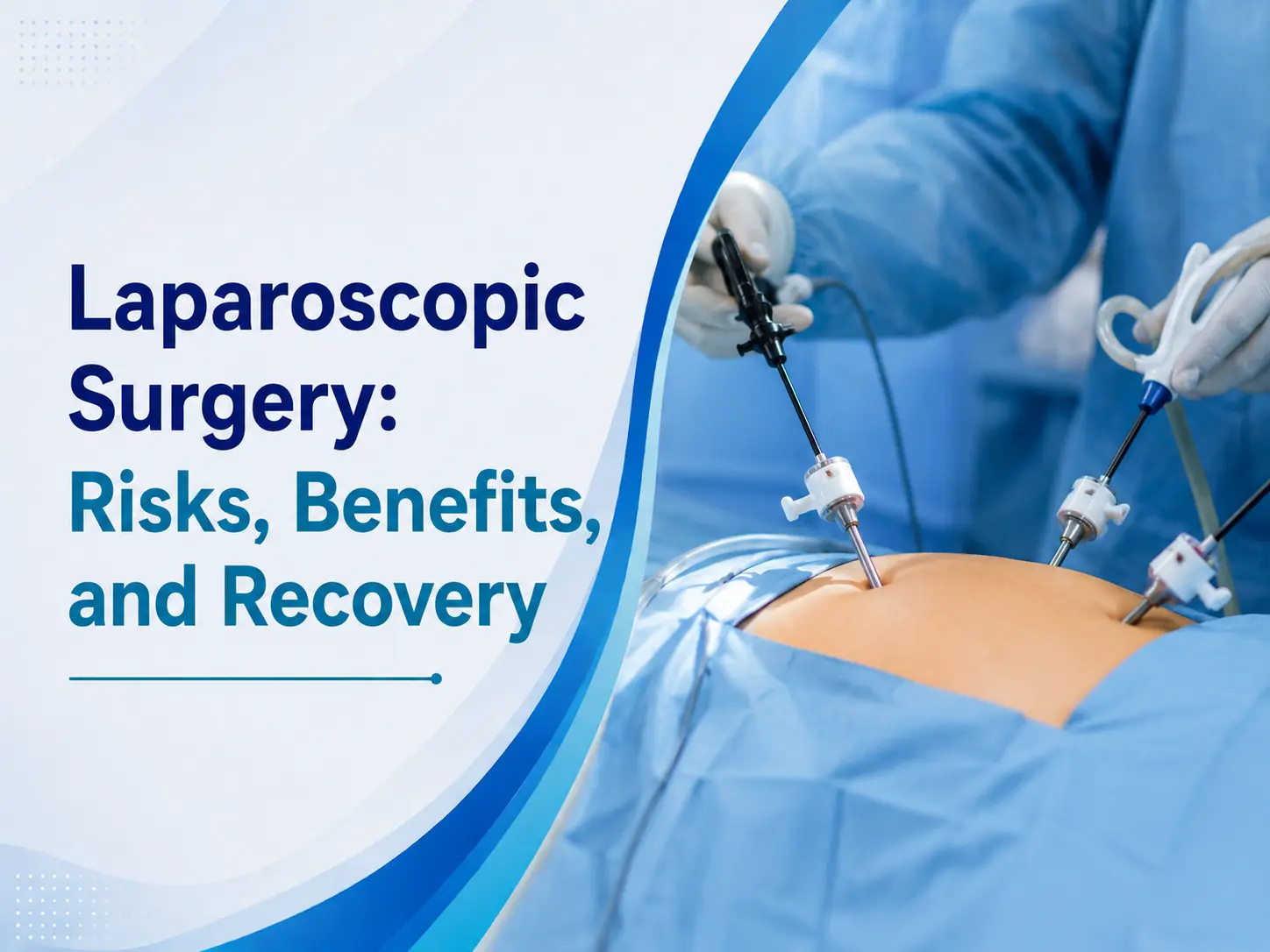
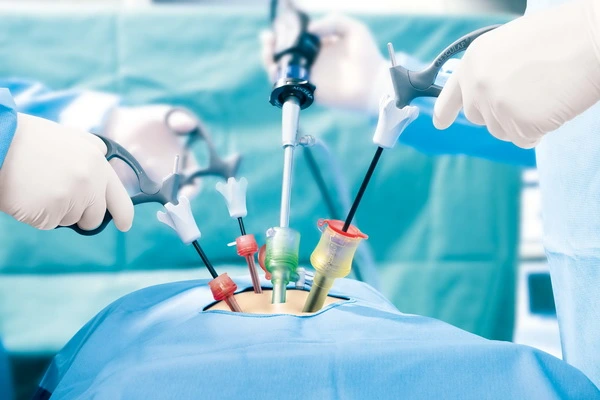
Lateral Internal Sphincterotomy (LIS) is the gold-standard surgical treatment for chronic anal fissures that do not respond to conservative or medical management. During this procedure, a small portion of the internal anal sphincter muscle is carefully cut to reduce tension and promote healing. LIS has an exceptionally high success rate of over 90%. At Jain Surgical Hospital, this procedure is performed laparoscopically as a day-care surgery with minimal discomfort and rapid recovery.
Preventing Anal Fissures: Simple Lifestyle Changes
Prevention is always better than cure. Adopt these habits to significantly reduce your risk:
- Eat a high-fibre diet rich in fruits, vegetables, whole grains, and pulses (aim for 25–35 g of fibre per day)
- Drink plenty of water — at least 8 to 10 glasses per day — to keep stools soft
- Avoid straining during bowel movements; never ignore the urge to go
- Exercise regularly to stimulate healthy bowel function
- Maintain good anal hygiene with gentle cleaning after each bowel movement
- Seek early medical advice if you notice rectal bleeding or pain — early treatment prevents chronicity
When Should You See a Doctor?
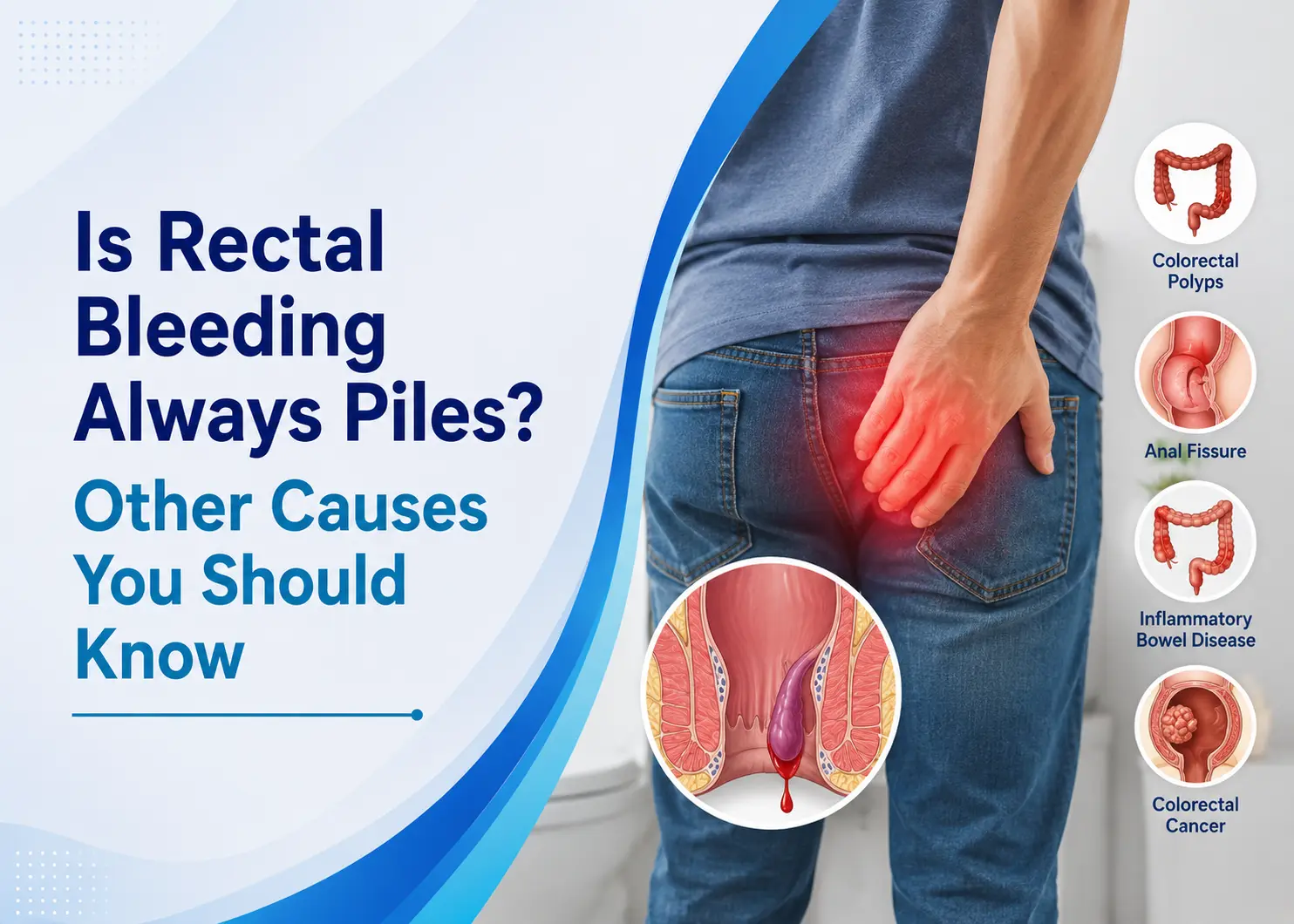
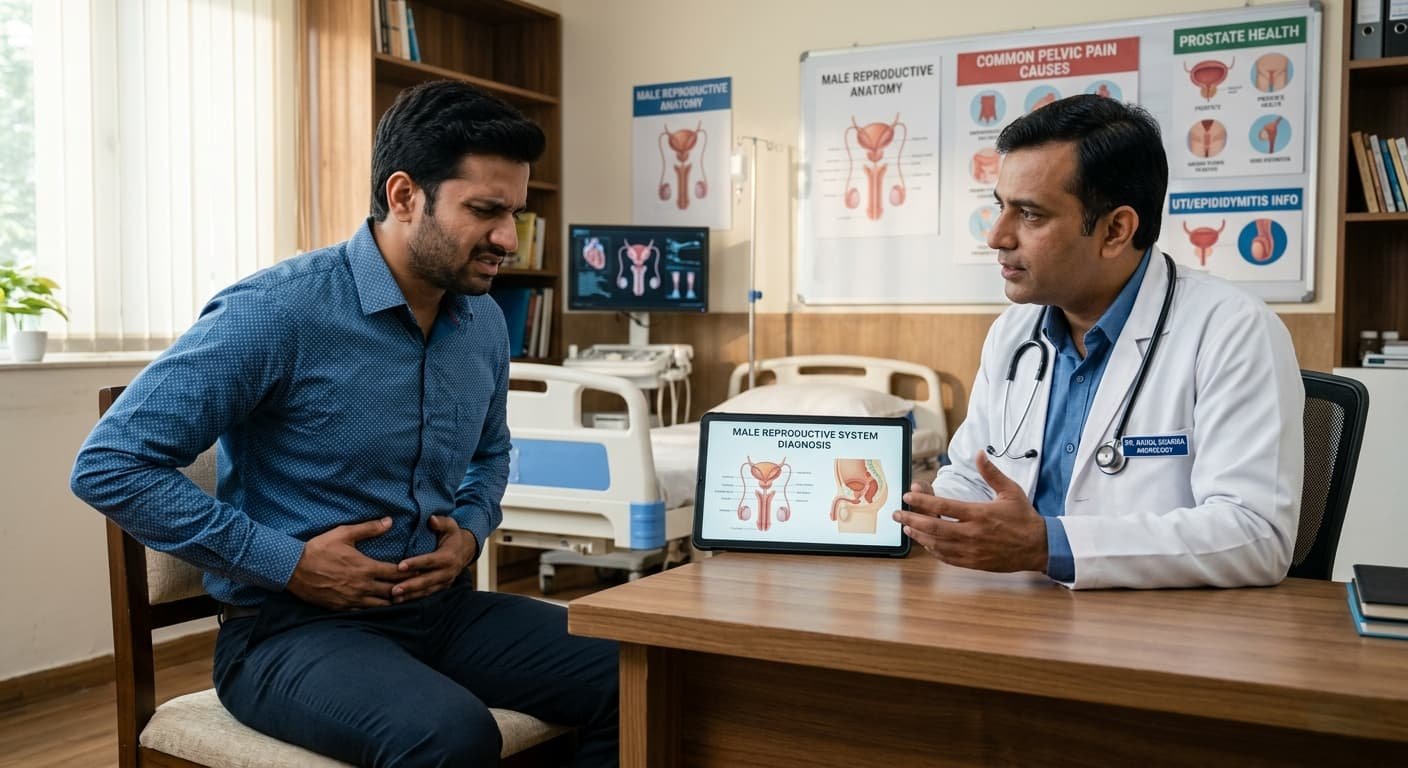
You should consult a doctor if you experience persistent rectal pain or bleeding, if symptoms do not improve after 2 weeks of home care, or if you notice a recurring or worsening pattern. Never self-diagnose rectal bleeding — while it often indicates an anal fissure or haemorrhoids, it can occasionally signal more serious conditions such as colorectal cancer. An early, accurate diagnosis by a qualified surgeon is essential.
Why Choose Jain Surgical Hospital for Anal Fissure Treatment in kota?
At Jain Surgical Hospital, kota, we understand that conditions like anal fissures involve a great deal of personal discomfort — both physical and emotional. Our team of experienced surgeons and gastroenterologists provides confidential, dignified, and evidence-based care. From conservative management to minimally invasive laparoscopic procedures, we offer the full spectrum of treatments for all anorectal conditions including anal fissures, haemorrhoids (piles), fistula-in-ano, and rectal prolapse.
- Experienced team of general and laparoscopic surgeons
- State-of-the-art operation theatres and day-care surgical facility
- Personalised, patient-centred treatment plans
- Confidential and comfortable consultation environment
- Affordable and transparent pricing
- Convenient location in kota with easy access from all areas of Madhya Pradesh
Don’t suffer in silence. If you or a loved one is experiencing symptoms of anal fissures, reach out to the specialists at Jain Surgical Hospital today. Early diagnosis and treatment can make a world of difference. Book Your Appointment Today
Reach us at: Jain Surgical Hospital