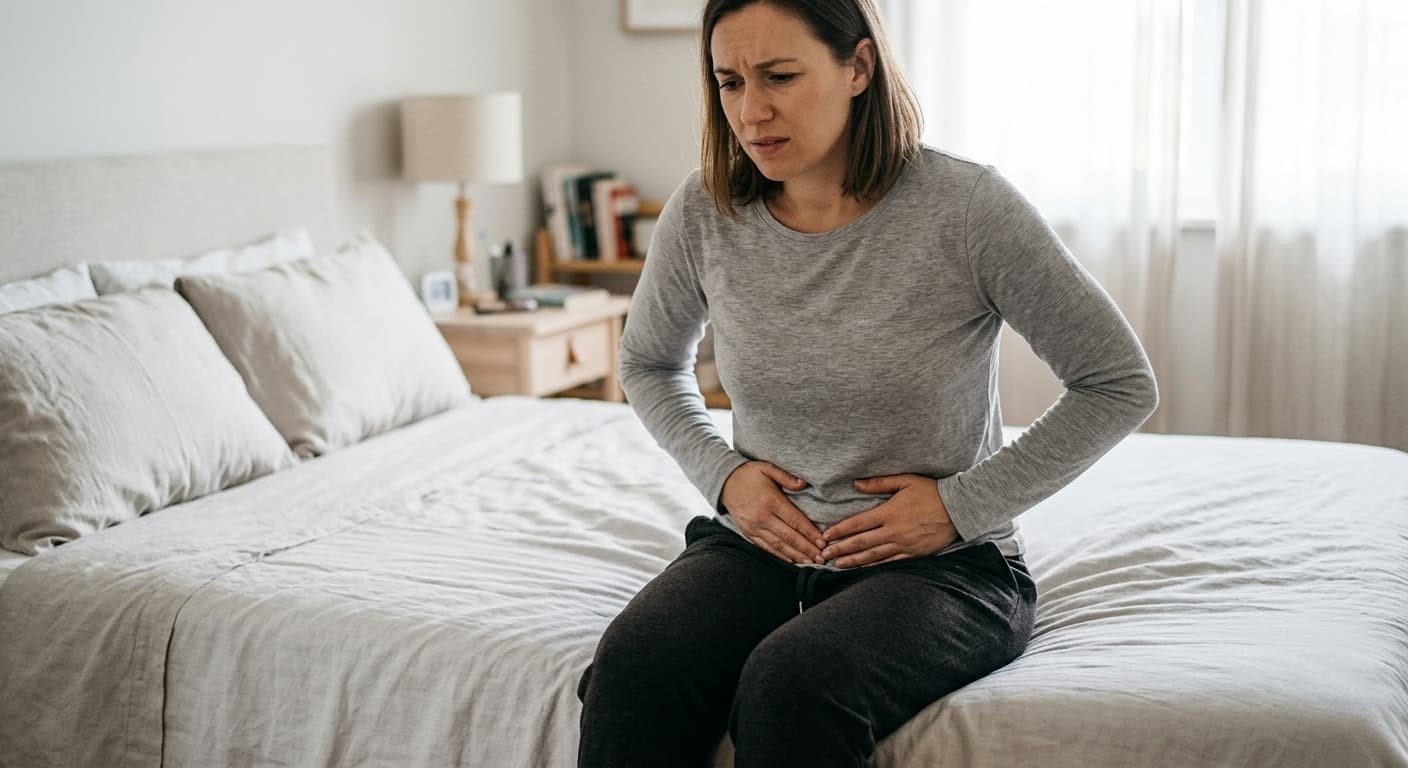

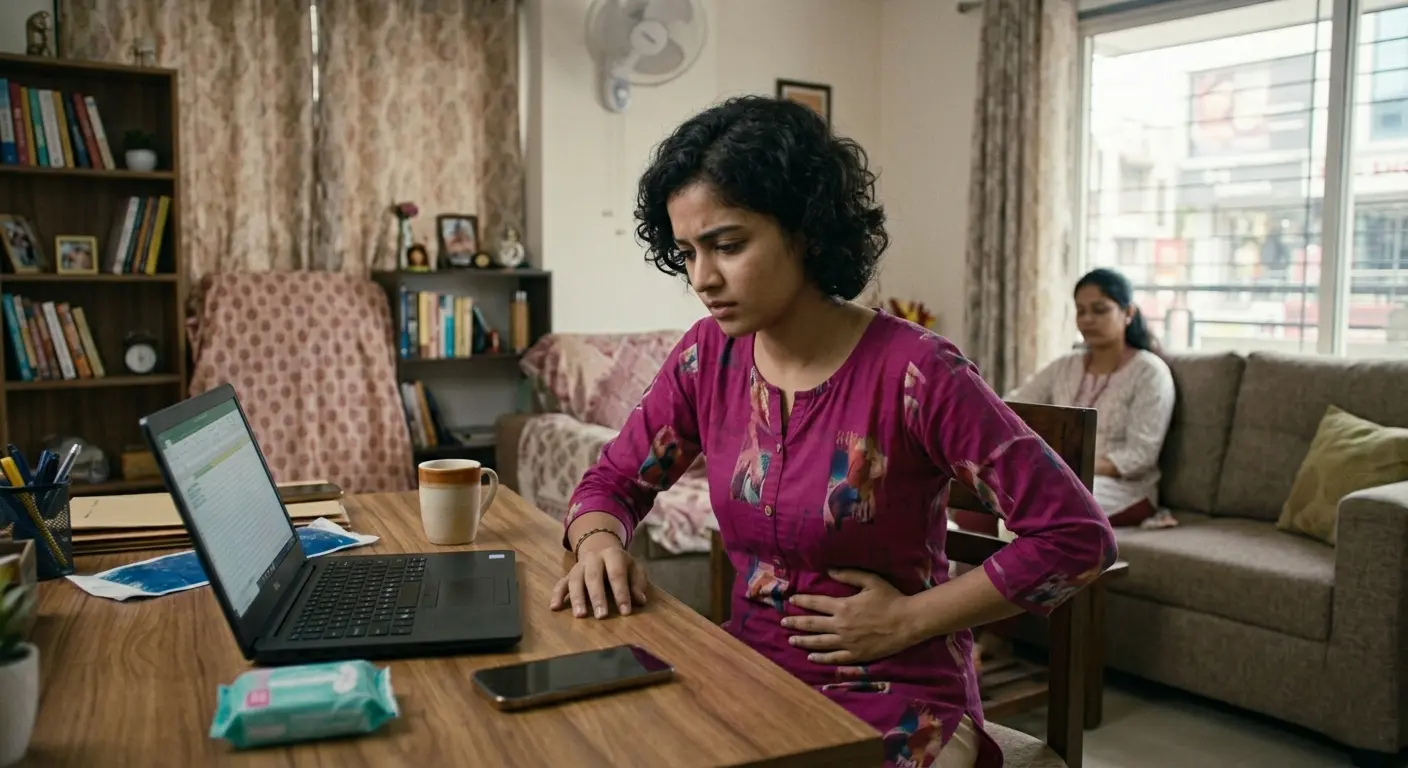
Menstrual cycles vary from woman to woman, but excessively heavy bleeding should never be ignored. Many women assume that painful or prolonged periods are normal, which often delays proper diagnosis and treatment. Understanding Heavy Periods and recognizing when medical attention is needed can help prevent complications and improve overall reproductive health.
Heavy menstrual bleeding, also called menorrhagia, can affect daily activities, energy levels, emotional well-being, and long-term health. Women searching for the best gynecologist kota or a trusted lady gynecologist kota often seek expert guidance when periods become unusually painful, prolonged, or difficult to manage.
At Jain Surgical Hospital, experienced gynecology specialists provide advanced diagnosis and treatment for menstrual disorders with personalized care focused on women’s health and comfort.
What Are Heavy Periods?
Heavy periods refer to excessive menstrual bleeding that interferes with normal daily activities or lasts longer than usual.
Although menstrual flow naturally differs among women, signs of abnormally heavy bleeding may include:
- Bleeding lasting more than seven days
- Passing large blood clots
- Frequently changing pads or tampons
- Bleeding through clothes or bedding
- Severe weakness or fatigue during periods
- Needing double sanitary protection
- Difficulty performing routine activities
Many women tolerate these symptoms for years without realizing that treatment options are available.
When Are Heavy Periods Considered Normal?
Heavy bleeding may occasionally occur during certain stages of life and may not always indicate a serious problem.
Temporary hormonal fluctuations can cause heavier periods during:
- Adolescence
- Perimenopause
- After childbirth
- Stress-related hormonal imbalance
In some cases, occasional heavy flow improves naturally over time. However, persistent or worsening symptoms should be medically evaluated.
Women visiting the best gynecologist hospital in Kota often seek answers after repeated heavy cycles begin affecting their health and quality of life.
Common Causes of Heavy Periods
Several gynecological and hormonal conditions can contribute to excessive menstrual bleeding.
Hormonal Imbalance
Hormonal irregularities may affect ovulation and lead to thickening of the uterine lining, resulting in heavy bleeding.
Uterine Fibroids
Fibroids are non-cancerous growths in the uterus that commonly cause heavy or prolonged periods.
Polycystic Ovary Syndrome (PCOS)
PCOS can disrupt normal hormonal patterns and menstrual cycles.
Endometriosis
This condition occurs when tissue similar to the uterine lining grows outside the uterus and may cause painful heavy periods.
Adenomyosis
The uterine lining grows into the muscular wall of the uterus, causing severe bleeding and pain.
Thyroid Disorders
Thyroid hormone imbalance may affect menstrual regularity and flow.
Pregnancy-Related Conditions
Certain pregnancy complications can also lead to abnormal bleeding.
Accurate diagnosis is important because treatment depends on the underlying cause.
Symptoms Associated with Heavy Menstrual Bleeding
Women with heavy periods may experience symptoms beyond excessive bleeding.
Common associated symptoms include:
- Severe menstrual cramps
- Pelvic pain
- Fatigue
- Dizziness
- Weakness
- Shortness of breath
- Mood changes
- Anemia symptoms
Heavy blood loss over time may reduce iron levels and lead to chronic fatigue or weakness.
Consulting a lady gynecologist kota can help identify the cause and prevent complications.
How Heavy Periods Affect Daily Life
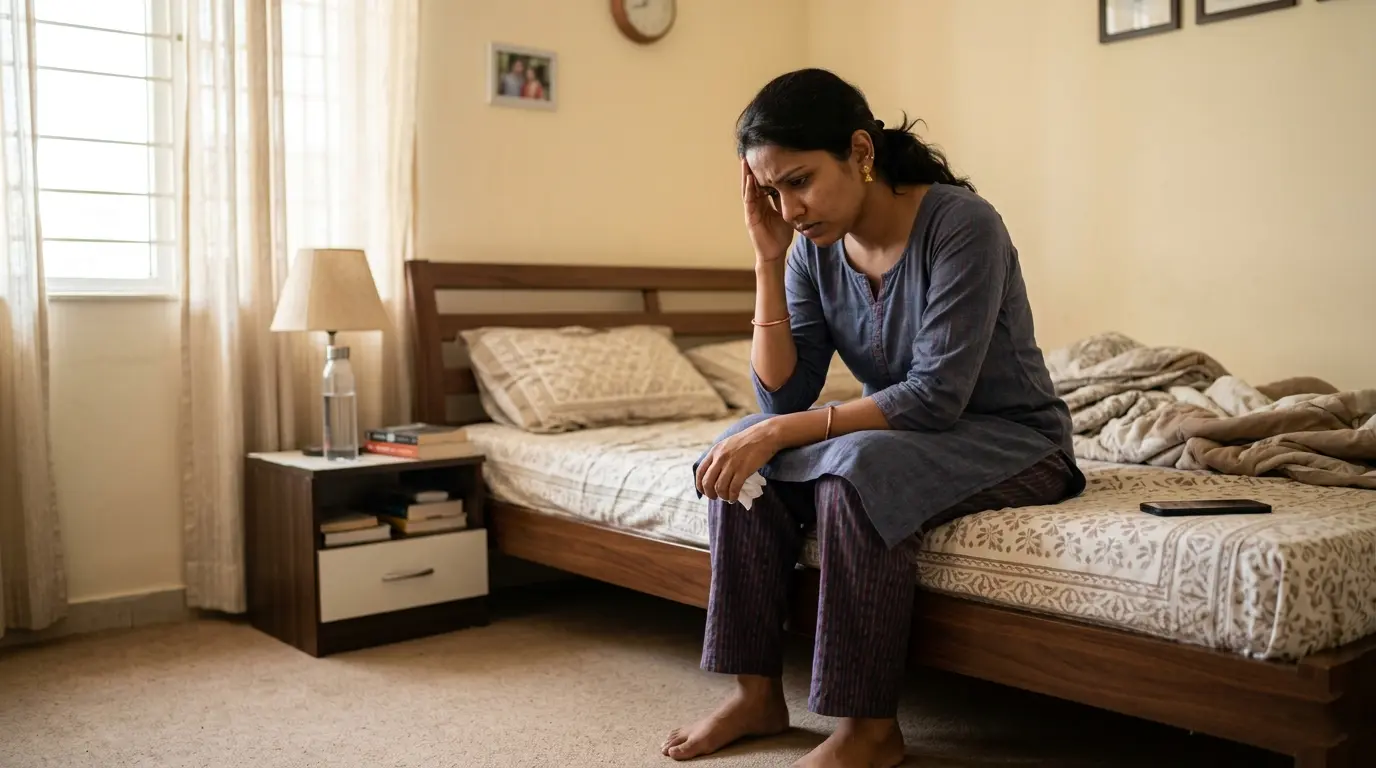
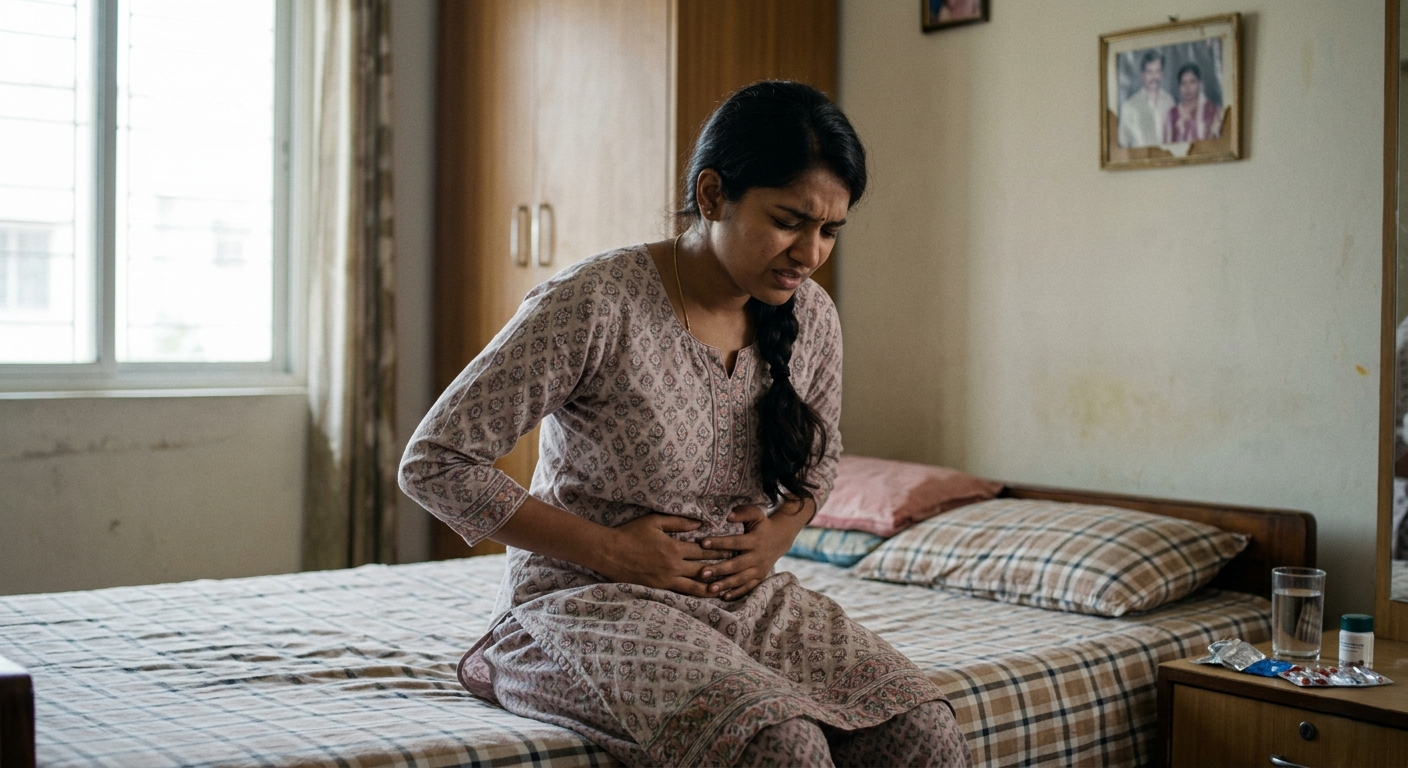
Heavy menstrual bleeding can affect physical, emotional, and social well-being.
Women may struggle with:
- Workplace productivity
- Sleep disturbances
- Social discomfort
- Anxiety about leakage
- Reduced physical activity
- Emotional stress
In severe cases, heavy periods may significantly reduce quality of life and confidence.
Seeking timely medical care can improve both health and emotional wellness.
When Should You See a Gynecologist for Heavy Periods?
Medical evaluation becomes important when heavy bleeding starts affecting daily activities or overall health.
You should consult a gynecologist if:
- Periods last longer than seven days
- Bleeding becomes unusually heavy
- Large clots are frequently passed
- Severe pain occurs during periods
- Weakness or dizziness develops
- Cycles become irregular
- Bleeding occurs between periods
Early diagnosis helps identify treatable conditions before complications worsen.
Women often consult the best gynecologist kota for advanced evaluation and personalized treatment planning.
How Doctors Diagnose Heavy Periods
Gynecologists perform detailed evaluations to determine the exact cause of abnormal menstrual bleeding.
Medical History
Doctors ask about cycle duration, bleeding patterns, pain, pregnancy history, and associated symptoms.
Physical Examination
Pelvic examination helps identify abnormalities in reproductive organs.
Ultrasound
Ultrasound imaging checks for fibroids, ovarian cysts, or uterine abnormalities.
Blood Tests
Blood tests may evaluate anemia, hormonal imbalance, or thyroid problems.
Additional Procedures
In some cases, hysteroscopy or endometrial biopsy may be recommended.
Proper diagnosis helps doctors recommend the most effective treatment approach.
Non-Surgical Treatment Options for Heavy Periods
Not all women with heavy bleeding require surgery. Many cases improve with medications and lifestyle management.
Hormonal Medications
Birth control pills or hormone therapy may help regulate cycles and reduce bleeding.
Iron Supplements
Iron therapy helps treat anemia caused by blood loss.
Pain Relief Medications
Anti-inflammatory medicines may reduce cramps and menstrual discomfort.
Lifestyle Changes
Maintaining healthy weight, managing stress, and regular exercise may support hormonal balance.
Early medical treatment often prevents worsening symptoms.
When Surgical Treatment May Be Needed
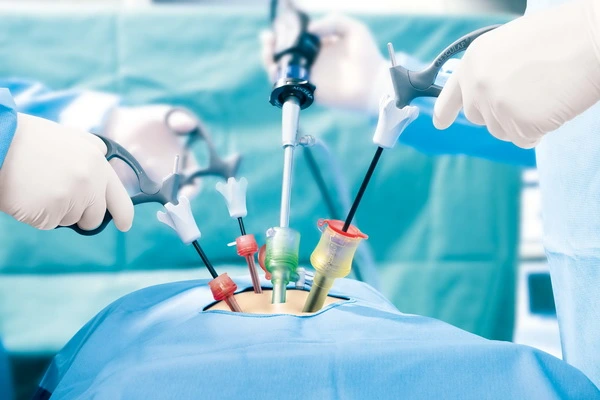
Some women may require surgical treatment if medications do not improve symptoms or if structural abnormalities are present.
Fibroid Removal Surgery
Large or symptomatic fibroids may require surgical removal.
Hysteroscopy Procedures
Doctors may remove polyps or treat uterine abnormalities using minimally invasive techniques.
Endometrial Ablation
This procedure reduces or destroys the uterine lining to control bleeding.
Hysterectomy
In severe cases, removal of the uterus may be considered when other treatments fail.
The decision for surgery depends on:
- Age
- Severity of symptoms
- Family planning goals
- Underlying condition
- Overall health
Advanced gynecology care at the best gynecologist hospital kota focuses on personalized treatment plans for every patient.
Can Heavy Periods Affect Fertility?
Certain conditions causing heavy bleeding may also affect fertility.
Examples include:
- PCOS
- Endometriosis
- Fibroids
- Hormonal imbalance
Timely diagnosis and treatment can improve reproductive health outcomes for women planning pregnancy.
Women visiting a trusted maternity hospital kota often undergo gynecological evaluation before pregnancy planning.
Heavy Periods During Teenage Years
Teenagers may experience irregular or heavy periods during the first few years after menstruation begins due to hormonal adjustment.
However, persistent excessive bleeding should still be evaluated to rule out:
- Hormonal disorders
- Bleeding disorders
- Nutritional deficiencies
Early gynecology consultation helps ensure healthy reproductive development.
Heavy Bleeding After Childbirth
Some women experience heavier menstrual cycles after pregnancy or childbirth.
Postpartum hormonal changes, breastfeeding patterns, or uterine recovery may temporarily affect periods.
However, prolonged heavy bleeding should always be medically assessed at a reliable maternity hospital kota to rule out complications.
Importance of Regular Gynecological Check-Ups
Routine gynecology visits help detect menstrual problems early.
Benefits include:
- Early diagnosis
- Better treatment outcomes
- Fertility protection
- Improved hormonal health
- Prevention of anemia
Gynecology Care at Jain Surgical Hospital
Jain Surgical Hospital provides comprehensive women’s healthcare services with modern diagnostic and treatment facilities.
Services include:
- Menstrual disorder treatment
- Fibroid management
- Hormonal evaluation
- Pregnancy care
- Gynecological surgery
- Fertility support
- Minimally invasive gynecology procedures
Women searching for the best gynecologist hospital kota, trusted lady gynecologist kota, or advanced maternity hospital kota services can benefit from experienced care and patient-focused treatment support.
Tips to Manage Heavy Periods Naturally
While medical treatment may still be necessary, some healthy habits can support menstrual wellness.
Helpful lifestyle tips include:
- Eating iron-rich foods
- Staying hydrated
- Managing stress
- Exercising regularly
- Maintaining healthy body weight
- Tracking menstrual cycles
Frequently Asked Questions (FAQs)
Are heavy periods dangerous?
Heavy periods can lead to anemia, fatigue, and reduced quality of life if left untreated. Persistent heavy bleeding should be medically evaluated.
Can fibroids cause heavy menstrual bleeding?
Yes, uterine fibroids are one of the most common causes of heavy and prolonged periods in women.
When is surgery needed for heavy periods?
Surgery may be recommended when medications fail, fibroids are large, bleeding is severe, or structural uterine problems are present.
Conclusion
Understanding Heavy Periods is important because excessive menstrual bleeding should not be ignored as a normal part of life. While occasional heavy cycles may occur due to hormonal changes, persistent symptoms often indicate underlying gynecological conditions that require medical attention.
Early diagnosis and timely treatment can help reduce pain, improve quality of life, prevent anemia, and protect reproductive health. Whether the cause involves hormonal imbalance, fibroids, or other gynecological disorders, proper medical evaluation is essential.
Jain Surgical Hospital provides advanced gynecology care with experienced specialists, modern diagnostic support, and personalized treatment plans for women experiencing heavy menstrual bleeding and related health concerns.