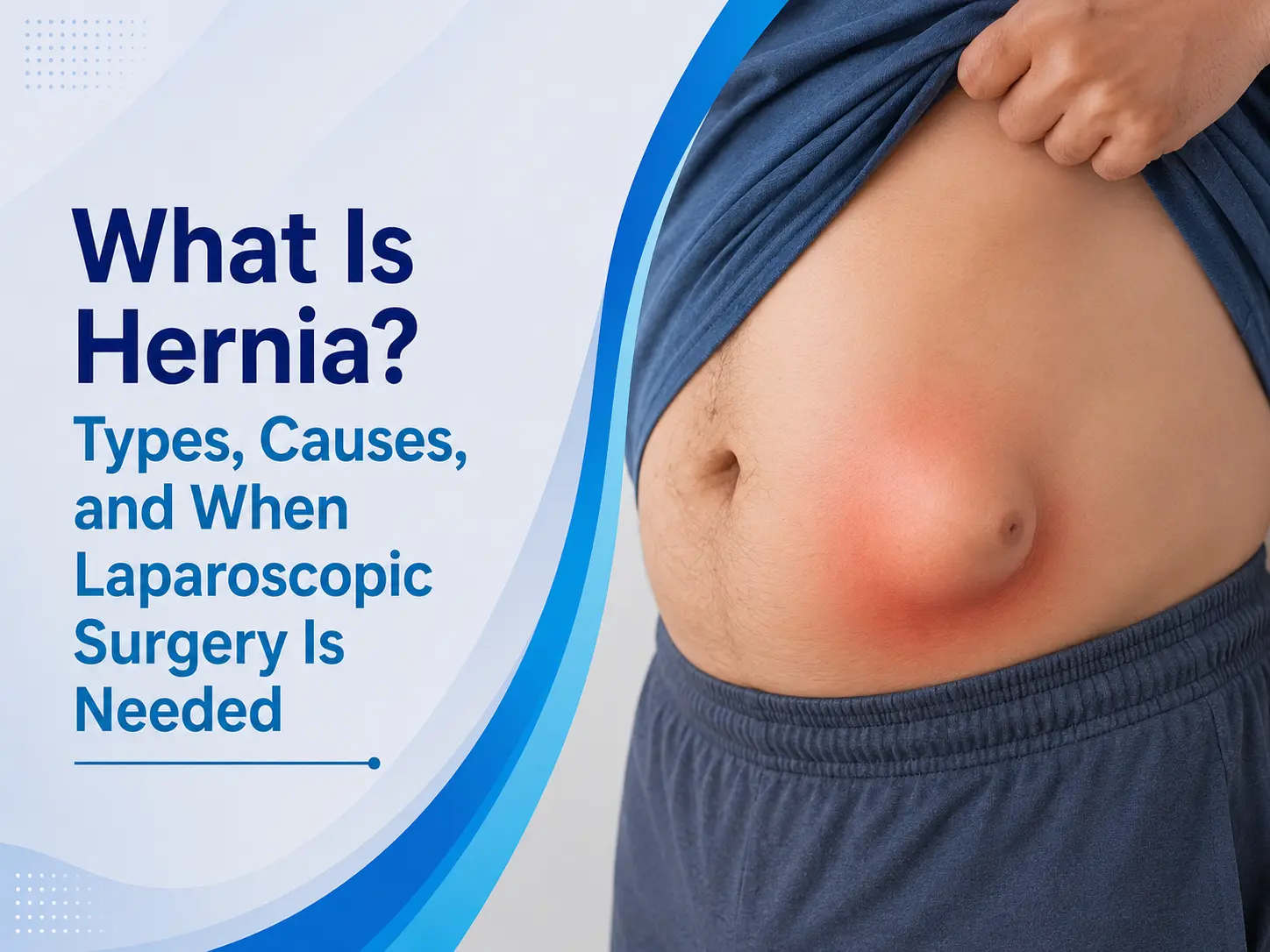
What Is Hernia? A hernia is a common surgical condition that occurs when an internal organ or fatty tissue pushes through a weak area in the surrounding muscle or connective tissue. While some hernias may remain small and painless for years, others gradually enlarge and can lead to discomfort, pain, or even serious complications if left untreated.
Many people ignore the early signs of a hernia, assuming the swelling or discomfort will resolve on its own. However, hernias do not heal without medical treatment. Early diagnosis and timely surgical repair can prevent complications and improve quality of life. At Jain Surgical Hospital, patients receive comprehensive evaluation and advanced laparoscopic surgery in Kota, offering effective treatment with faster recovery and minimal discomfort.
What Is Hernia?
A hernia develops when part of an organ or tissue protrudes through a weak spot in the muscle or abdominal wall.
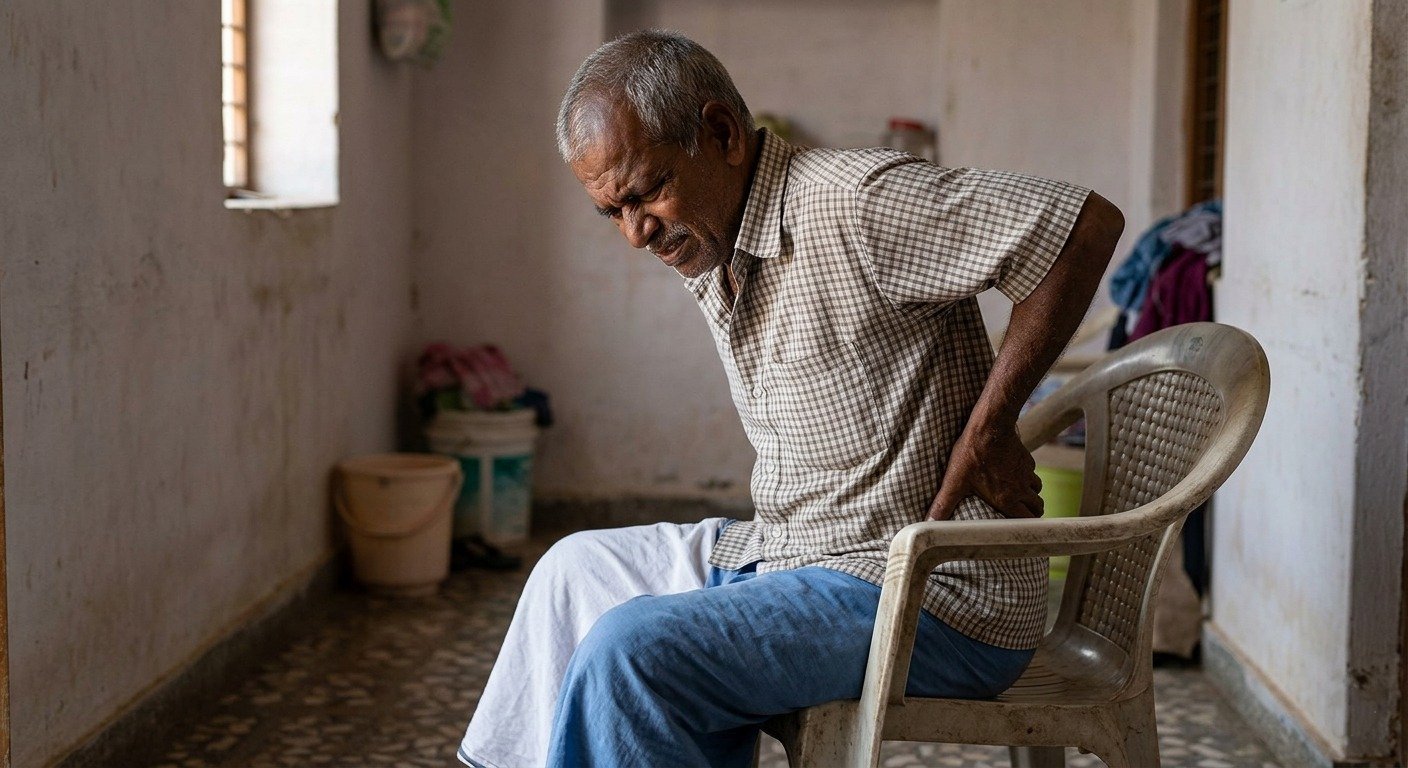
Although hernias can occur in different parts of the body, they are most commonly found in the abdomen and groin. The condition may appear as a visible bulge that becomes more noticeable while standing, coughing, or lifting heavy objects.
Some hernias remain painless in the early stages, but they generally increase in size over time if not treated.
Common Types of Hernia
Different types of hernias affect different areas of the body.
Inguinal Hernia
This is the most common type and occurs in the groin when tissue pushes through a weakened abdominal wall.
It is more common in men but can also affect women.
Femoral Hernia
This type develops just below the groin and is more frequently seen in women.
Although less common, femoral hernias have a higher risk of complications.
Umbilical Hernia
An umbilical hernia develops near the belly button.
It may occur in infants or adults, especially after pregnancy or significant weight gain.
Incisional Hernia
This type develops at the site of a previous abdominal surgery where the surgical incision has weakened over time.
Hiatal Hernia
A hiatal hernia occurs when part of the stomach moves upward through the diaphragm into the chest cavity.
Unlike other hernias, it usually does not produce an external swelling but may cause acid reflux and heartburn.
What Causes a Hernia?
A hernia usually develops due to a combination of muscle weakness and increased pressure inside the abdomen.
Common causes include:
- Heavy lifting
- Chronic coughing
- Constipation and straining
- Obesity
- Pregnancy
- Aging
- Previous abdominal surgery
- Family history of hernia
Not everyone with these risk factors develops a hernia, but they significantly increase the likelihood.
Signs and Symptoms of Hernia
Symptoms vary depending on the type and size of the hernia.
Common signs include:
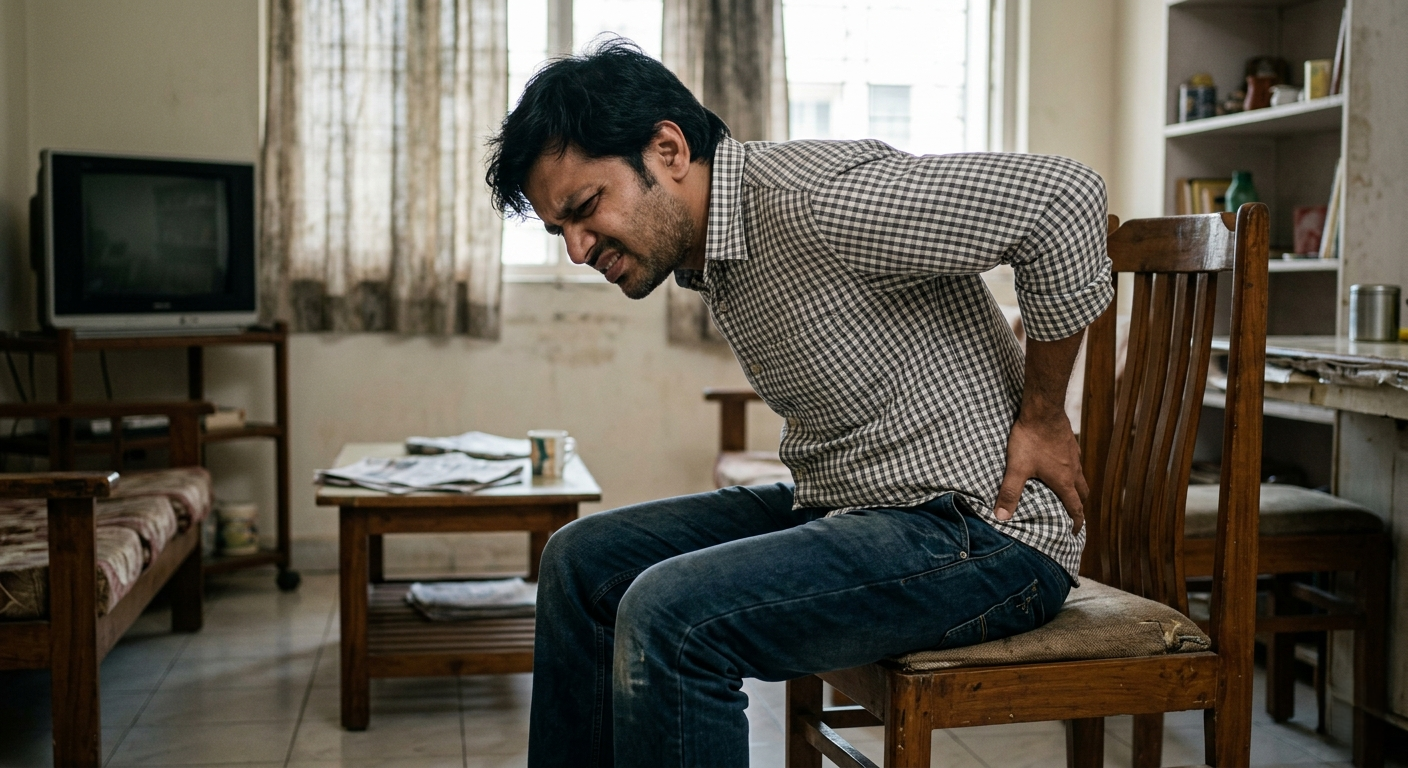
- A visible bulge or swelling
- Pain while lifting heavy objects
- Groin discomfort
- Burning or aching sensation
- Feeling of heaviness in the abdomen
- Pain after prolonged standing
- Swelling that becomes more noticeable during coughing
Some patients experience only mild discomfort initially, making early diagnosis especially important.
When Does a Hernia Become an Emergency?
Although many hernias develop gradually, certain symptoms require immediate medical attention.
Seek emergency care if you experience:
- Sudden severe pain
- A bulge that cannot be pushed back
- Redness over the swelling
- Fever
- Nausea or vomiting
- Inability to pass stool or gas
These symptoms may indicate a strangulated hernia, where the blood supply to the trapped tissue is cut off. This is a surgical emergency.
How Is a Hernia Diagnosed?
Most hernias can be diagnosed through a physical examination.
Additional investigations may include:
Ultrasound
Helpful for evaluating groin and abdominal hernias.
CT Scan
Provides detailed images in complex cases.
MRI
Occasionally recommended when diagnosis remains uncertain.
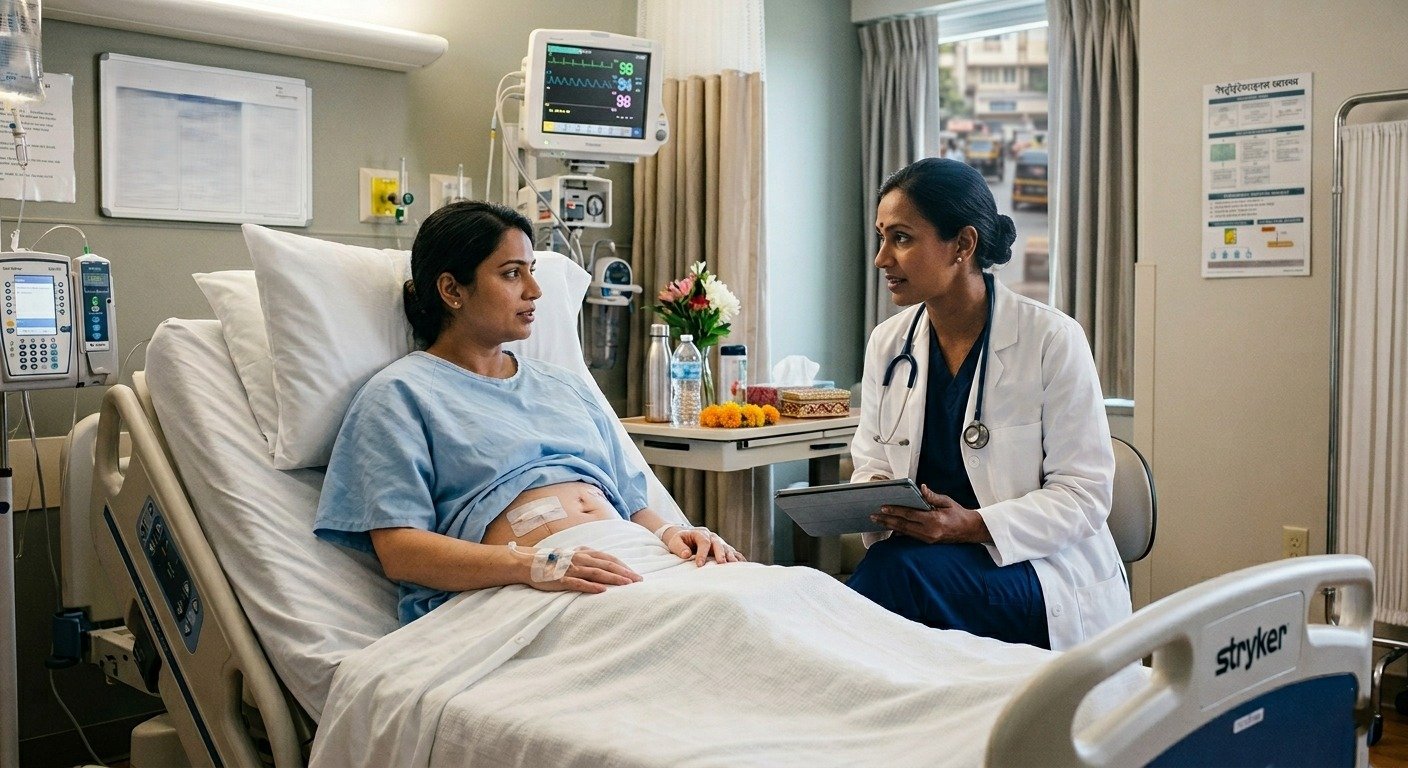
Early diagnosis allows surgeons to plan treatment before complications develop.
Can a Hernia Heal Without Surgery?
Unfortunately, no.
Unlike muscle strains or minor injuries, a hernia does not heal on its own because the weakness in the abdominal wall remains.
Support belts may temporarily reduce discomfort but do not correct the underlying problem.
Surgery remains the only definitive treatment.
When Is Laparoscopic Surgery Needed?
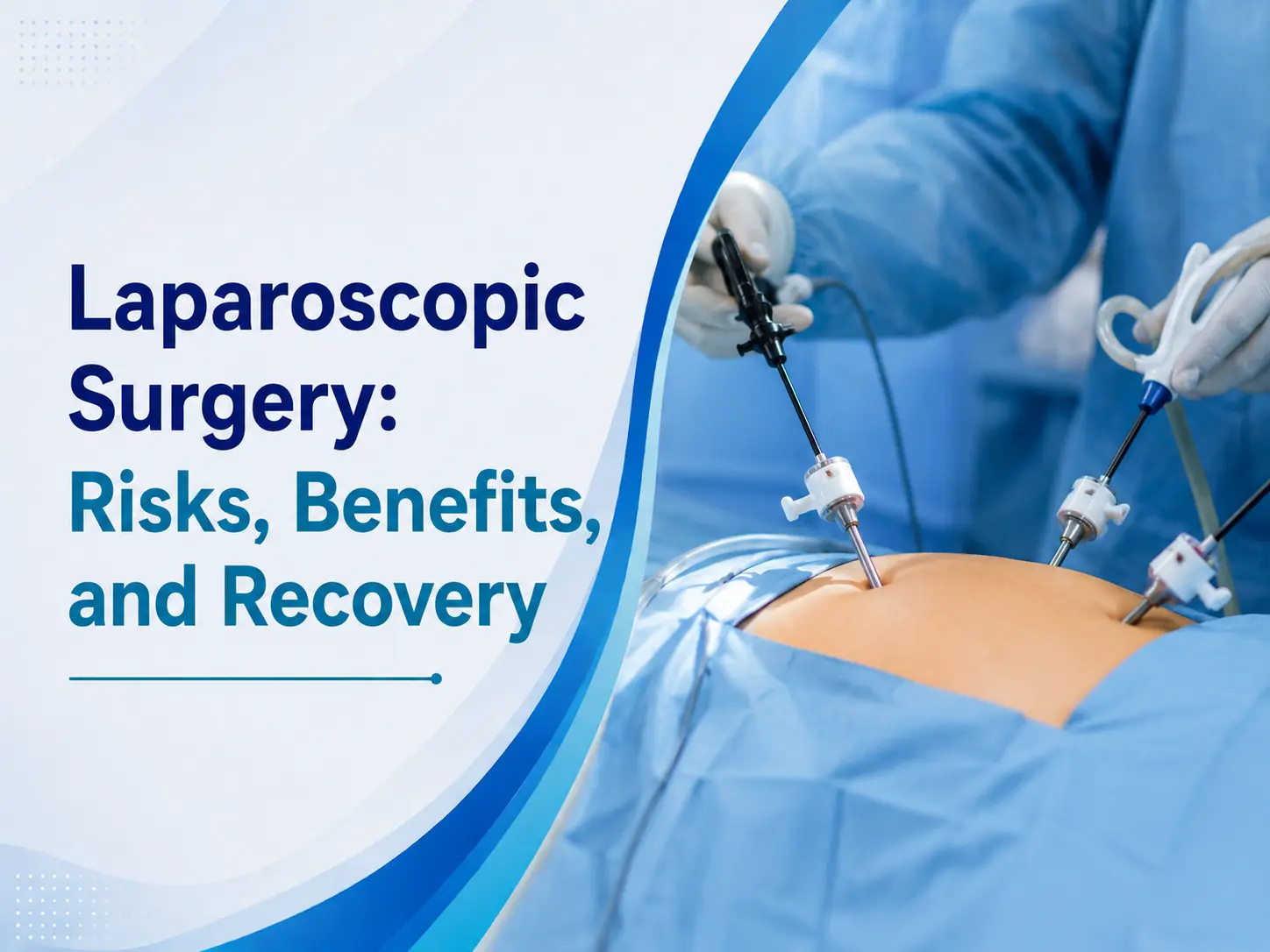
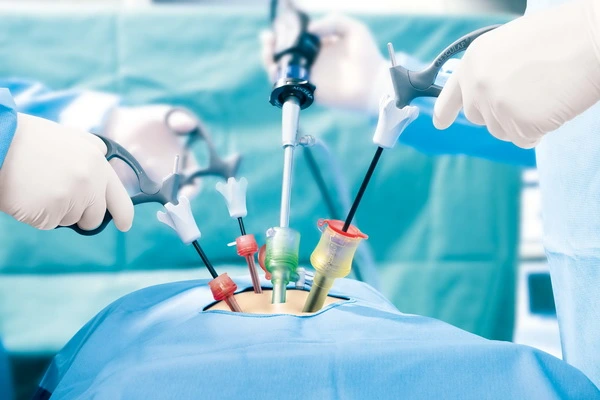
Modern laparoscopic surgery has become one of the preferred methods for hernia repair in many patients.
Your surgeon may recommend laparoscopic hernia surgery in Kota if:
- The hernia is increasing in size
- Pain interferes with daily activities
- There are recurrent hernias
- Both sides require repair
- The patient is medically fit for minimally invasive surgery
Not every hernia requires immediate surgery, but delaying treatment unnecessarily may increase the risk of complications.
Benefits of Laparoscopic Hernia Surgery
Laparoscopic surgery offers several advantages over conventional open surgery for suitable patients.
Benefits include:
- Smaller incisions
- Less postoperative pain
- Faster recovery
- Minimal blood loss
- Reduced hospital stay
- Lower infection risk
- Earlier return to normal activities
- Better cosmetic results
These advantages have made laparoscopic surgery in Kota a preferred option for many patients.
Recovery After Laparoscopic Hernia Surgery
Recovery is generally quicker than traditional open surgery.
Patients are usually encouraged to:
- Walk soon after surgery
- Avoid heavy lifting for several weeks
- Eat a balanced diet
- Follow prescribed medications
- Attend scheduled follow-up appointments
Most patients gradually resume their routine activities within a short period, depending on the type of hernia repaired.
Can Hernias Be Prevented?
Although not every hernia can be prevented, healthy lifestyle habits reduce the risk.
Helpful preventive measures include:
- Maintain a healthy body weight
- Avoid smoking
- Treat chronic cough promptly
- Prevent constipation
- Lift heavy objects correctly
- Strengthen abdominal muscles safely
Early medical evaluation of suspicious swelling also helps prevent complications.
Why Choose Jain Surgical Hospital?
Jain Surgical Hospital provides advanced surgical care using modern minimally invasive techniques and individualized treatment plans.
Our services include:
- Comprehensive hernia evaluation
- Advanced laparoscopic surgery in Kota
- Minimally invasive hernia repair
- Postoperative rehabilitation guidance
- Personalized patient care
- Experienced laparoscopic surgical team
Patients searching for the best laparoscopic hospital Kota, an experienced best laparoscopic surgeon Kota, or a trusted laparoscopy hospital Kota Rajasthan receive compassionate care focused on safety, comfort, and long-term results.
Frequently Asked Questions (FAQs)
Can a hernia disappear without surgery?
No. A hernia does not heal on its own because the weakness in the abdominal wall remains. Surgery is the only permanent treatment.
Is laparoscopic hernia surgery safe?
Yes. For suitable patients, laparoscopic hernia repair is considered a safe and effective procedure that offers faster recovery and less postoperative discomfort compared with many traditional open procedures.
How long does recovery take after laparoscopic hernia surgery?
Most patients can resume light daily activities within a few days, while complete recovery varies depending on the type of hernia, overall health, and the surgeon’s recommendations.
Understanding What Is Hernia is the first step toward recognizing a condition that often begins with mild symptoms but can become serious if ignored. A hernia develops when internal tissue pushes through a weak area of the abdominal wall, leading to swelling, discomfort, and, in some cases, severe complications. Early diagnosis allows treatment before the condition worsens and helps avoid emergency surgery.
For many patients, laparoscopic hernia surgery Kota offers an excellent treatment option with smaller incisions, reduced pain, quicker recovery, and faster return to normal life. Choosing the appropriate surgical approach depends on the type of hernia, its size, symptoms, and the patient’s overall health.
At Jain Surgical Hospital, patients receive expert evaluation, advanced minimally invasive procedures, and personalized surgical care. Whether you require hernia diagnosis or advanced laparoscopic treatment, our experienced team is committed to providing safe, effective, and compassionate care for the best possible outcomes.
Book Your Consultation Today
If you notice a swelling in your abdomen or groin, persistent discomfort, or symptoms suggestive of a hernia, don’t delay treatment. Schedule a consultation at Jain Surgical Hospital for expert evaluation, advanced laparoscopic surgery in Kota, and comprehensive care from an experienced surgical team dedicated to helping you recover with confidence.