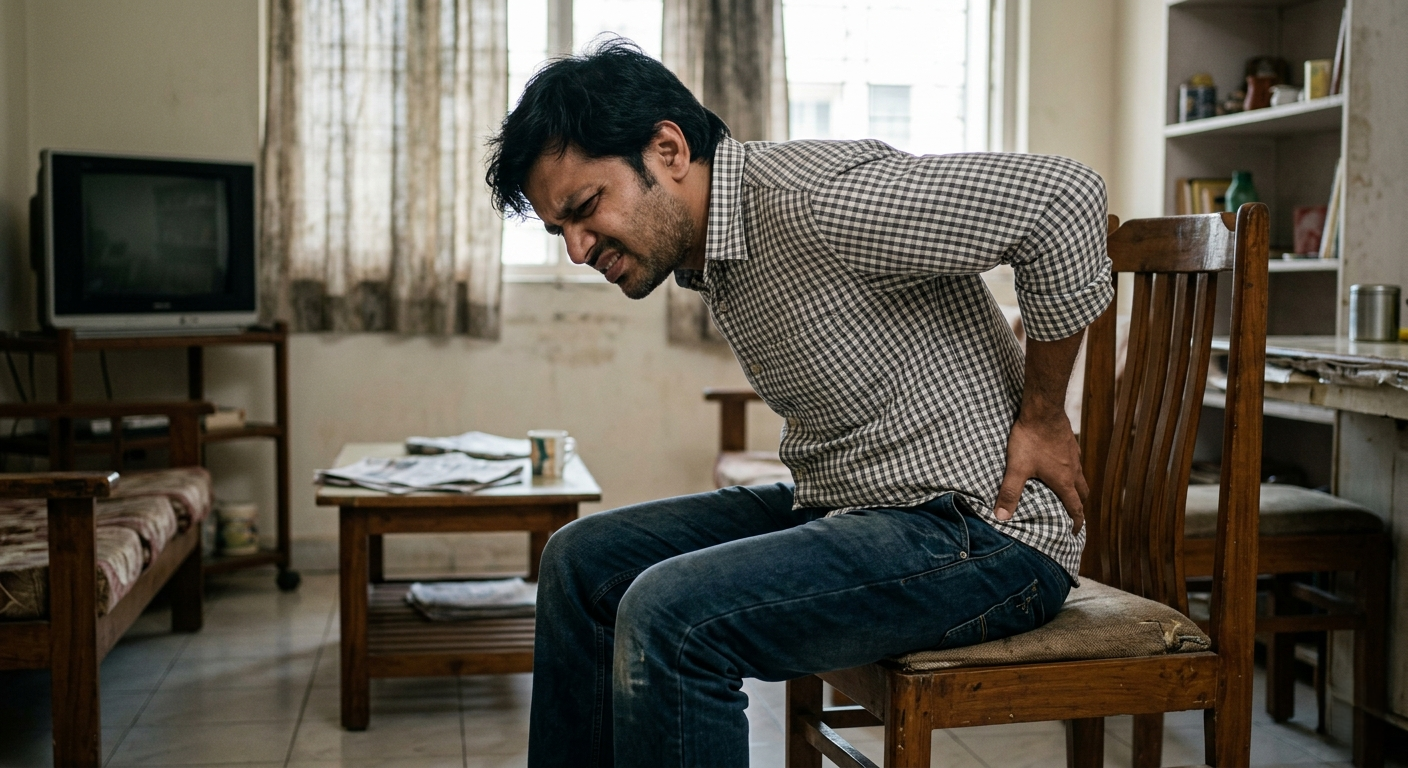

Injuries involving bones, joints, muscles, and ligaments are common in people of all age groups. However, many patients struggle to understand whether they have a fracture, sprain, or ligament tear because the symptoms can sometimes appear similar. Understanding the difference is important because each condition requires a different treatment approach and recovery plan.
People searching for the best orthopedic doctor in kota often visit hospitals after falls, sports injuries, road accidents, or sudden twisting movements that cause severe pain and swelling. Early diagnosis and proper orthopedic care help prevent long-term complications and improve recovery outcomes.
At Jain Surgical Hospital, experienced orthopedic specialists provide advanced diagnosis and treatment for fractures, sprains, ligament injuries, and other musculoskeletal conditions using modern orthopedic care techniques.
What Is the Difference Between a Fracture, Sprain, and Ligament Tear?
Although these injuries may cause pain, swelling, and difficulty moving the affected area, they involve different body structures.
Fracture
A fracture is a break or crack in a bone. Fractures can range from small hairline cracks to complete bone breaks.
Sprain
A sprain occurs when ligaments are stretched or partially torn due to sudden twisting or impact.
Ligament Tear
A ligament tear is a more severe injury where the ligament is partially or completely torn, often affecting joint stability.
Understanding these differences helps doctors recommend the correct treatment and rehabilitation plan.
Common Causes of Fractures, Sprains, and Ligament Tears
These injuries may happen during daily activities, sports, workplace accidents, or road traffic incidents.
Common causes include:
- Falls
- Sudden twisting movements
- Sports injuries
- Heavy impact accidents
- Slipping on uneven surfaces
- Direct trauma
- Overuse injuries
Athletes and physically active individuals are particularly at risk of ligament injuries and sprains.
Patients often consult a top orthopedic doctor in Kota after experiencing severe swelling, instability, or inability to walk properly following an injury.
Symptoms of a Bone Fracture
Fractures usually cause immediate pain and functional difficulty.
Common signs include:
- Severe pain
- Swelling
- Bruising
- Visible deformity
- Difficulty moving the limb
- Inability to bear weight
- Tenderness over the bone
In severe fractures, the bone may appear misaligned or protrude through the skin.
Hairline fractures may present with milder symptoms but still require proper medical evaluation.
Symptoms of a Sprain
A sprain affects ligaments surrounding a joint, most commonly in the ankle, wrist, or knee.
Typical symptoms include:
- Mild to moderate pain
- Swelling around the joint
- Bruising
- Joint stiffness
- Difficulty moving the joint
- Tenderness
Mild sprains may improve with rest, while severe sprains may require immobilization or further treatment.
Symptoms of a Ligament Tear
Ligament tears are generally more serious than mild sprains and may significantly affect joint stability.
Common symptoms include:
- Sharp pain at the time of injury
- Popping sound during injury
- Severe swelling
- Joint instability
- Difficulty standing or walking
- Reduced range of motion
Knee ligament tears such as ACL injuries are especially common among athletes.
Consulting an experienced orthopedic doctor in kota helps ensure proper diagnosis and treatment planning.
How Doctors Diagnose Fractures, Sprains, and Ligament Tears
Accurate diagnosis is essential because treatment differs for each condition.
Doctors usually perform:
Physical Examination
The injured area is checked for swelling, tenderness, instability, and movement limitation.
X-rays
X-rays help identify fractures and bone alignment problems.
MRI Scan
MRI is commonly used to evaluate ligament tears, cartilage damage, and soft tissue injuries.
CT Scan
Complex fractures may require CT imaging for detailed evaluation.
Early imaging and orthopedic consultation help reduce complications and improve healing.
Why Proper Diagnosis Matters
Many people ignore injuries, assuming they are simple sprains when they may actually involve fractures or ligament damage.
Incorrect self-treatment can lead to:
- Chronic pain
- Joint instability
- Improper healing
- Reduced mobility
- Long-term arthritis risk
This is why patients should consult the best orthopedic doctor in kota when symptoms persist or worsen after injury.
Treatment Options for Bone Fractures
Fracture treatment depends on the severity, location, and type of bone injury.
Immobilization
Casts, splints, or braces help stabilize the bone during healing.
Medications
Pain relief and anti-inflammatory medicines may be prescribed.
Surgical Treatment
Some fractures require surgery using plates, screws, or rods to restore proper alignment.
Physiotherapy
Rehabilitation exercises help restore strength and movement after healing.
Timely treatment reduces the risk of permanent bone deformity or mobility problems.
Treatment Options for Sprains
Mild to moderate sprains often improve with conservative treatment.
RICE Method
Doctors commonly recommend:
- Rest
- Ice
- Compression
- Elevation
Pain Management
Anti-inflammatory medicines may help reduce pain and swelling.
Supportive Braces
Braces provide stability and prevent further injury.
Physiotherapy
Strengthening exercises improve recovery and reduce future injury risk.
Proper rehabilitation is important even after mild sprains.
Treatment for Ligament Tears
Ligament tear treatment depends on whether the tear is partial or complete.
Non-Surgical Treatment
Some partial tears improve with:
- Bracing
- Rest
- Physiotherapy
- Strengthening exercises
Surgical Repair or Reconstruction
Complete ligament tears may require surgery, especially in athletes or active individuals.
Rehabilitation
Recovery often includes structured physiotherapy programs to restore joint function.
Experienced care from a top orthopedic doctor in kota helps patients return safely to normal activities.
How Long Does Recovery Take?
Recovery duration varies depending on injury severity and treatment type.
Fractures
Healing may take several weeks to months depending on the bone involved.
Sprains
Mild sprains may improve within days or weeks.
Ligament Tears
Recovery after ligament reconstruction surgery may take several months.
Following medical advice and physiotherapy recommendations plays a major role in recovery success.
When Should You Seek Immediate Medical Attention?
Some injury symptoms require urgent orthopedic evaluation.
Seek immediate care if you experience:
- Severe pain
- Bone deformity
- Inability to move the limb
- Sudden joint instability
- Numbness
- Excessive swelling
- Open wounds near injury
Prompt treatment can help prevent permanent complications.
Preventing Fractures and Ligament Injuries
While not all injuries are preventable, certain habits can reduce the risk.
Maintain Bone Health
Adequate calcium and vitamin D support strong bones.
Exercise Regularly
Strength and balance training improve joint stability.
Wear Proper Footwear
Supportive shoes reduce slipping and twisting injuries.
Warm Up Before Sports
Stretching helps prepare muscles and ligaments for activity.
Avoid Overtraining
Excessive strain increases injury risk.
Preventive orthopedic care is important for athletes, elderly individuals, and physically active people.
Importance of Physiotherapy After Injury
Physiotherapy is an essential part of orthopedic recovery.
Benefits include:
- Improved flexibility
- Better muscle strength
- Reduced stiffness
- Enhanced joint stability
- Faster return to daily activities
Orthopedic Care at Jain Surgical Hospital
Jain Surgical Hospital provides advanced orthopedic care for fractures, sports injuries, ligament tears, and joint problems.
Services include:
- Fracture management
- Joint injury treatment
- Sports injury care
- Ligament repair procedures
- Physiotherapy guidance
- Trauma care
Patients searching for the best orthopedic doctor in Kota, an experienced orthopedic doctor in Kota, or a trusted top orthopedic doctor in Kota can benefit from modern orthopedic diagnosis and comprehensive treatment support.
Long-Term Complications of Untreated Injuries
Ignoring orthopedic injuries may lead to serious long-term problems.
Potential complications include:
- Chronic joint pain
- Reduced mobility
- Arthritis
- Weakness
- Joint instability
- Improper bone healing
Frequently Asked Questions (FAQs)
How do I know if I have a fracture or sprain?
Fractures usually cause severe pain, difficulty bearing weight, and sometimes deformity. Sprains mainly affect ligaments and often cause swelling and joint pain. Imaging tests help confirm the diagnosis.
Can a ligament tear heal without surgery?
Some partial ligament tears may heal with rest, bracing, and physiotherapy. Complete tears may require surgical treatment depending on the joint and activity level.
How long should swelling last after an injury?
Mild swelling may improve within a few days, but persistent or worsening swelling should be evaluated by an orthopedic specialist.
Conclusion
Understanding the difference between fractures, sprains, and ligament tears is important for choosing the right treatment and ensuring proper recovery. Although these injuries may share similar symptoms, they affect different structures in the body and require different management approaches.
Early diagnosis, advanced imaging, and proper orthopedic care help reduce pain, improve healing, and prevent long-term complications. Whether the injury is caused by sports, falls, or accidents, timely consultation with the best orthopedic doctor in kota can significantly improve recovery outcomes.
Jain Surgical Hospital offers comprehensive orthopedic care with modern diagnostic facilities, experienced specialists, and personalized treatment plans designed to help patients recover safely and return to normal life.