

Bladder cancer is one of the most common cancers affecting the urinary system. Like many cancers, it often develops gradually and may not cause severe symptoms in its earliest stages. Understanding the Signs and Symptoms of Bladder Cancer can help individuals seek medical attention sooner, improving the chances of successful treatment and recovery.
Many people dismiss early warning signs such as blood in the urine or changes in urination because they resemble common urinary tract problems. However, early detection is one of the most important factors in achieving positive treatment outcomes. Patients searching for bladder cancer treatment kota often learn that timely diagnosis can significantly improve treatment options and quality of life.
At Jain Surgical Hospital, advanced diagnostic facilities and comprehensive cancer care help patients receive prompt evaluation and personalized treatment plans for bladder-related conditions.
What Is Bladder Cancer?
The bladder is a hollow organ that stores urine before it leaves the body.
Bladder cancer occurs when abnormal cells begin growing uncontrollably within the lining of the bladder. Over time, these cells can form tumors and may spread to nearby tissues or other parts of the body if left untreated.
Early-stage bladder cancer is often highly treatable, which makes recognizing symptoms especially important.
Why Understanding the Signs and Symptoms of Bladder Cancer Matters
Bladder cancer may not cause noticeable symptoms initially.
As the condition progresses, warning signs often appear. Recognizing these symptoms early can help:
- Improve treatment success
- Reduce complications
- Prevent disease progression
- Expand treatment options
- Support better long-term outcomes
Awareness is one of the most effective tools for early detection.
Blood in the Urine Is Often the First Warning Sign
One of the most common and important symptoms of bladder cancer is blood in the urine, medically known as hematuria.
Patients may notice:
- Pink-colored urine
- Red urine
- Rust-colored urine
- Blood appearing intermittently
In some cases, blood may only be detected through laboratory testing.
Even painless blood in the urine should never be ignored.
Frequent Urination
Many patients experience an increased need to urinate.
Symptoms may include:
- Urinating more often than usual
- Frequent nighttime urination
- Feeling the urge to urinate repeatedly
While frequent urination can result from several conditions, persistent symptoms should be evaluated by a specialist.
Pain or Burning During Urination
Some individuals with bladder cancer report discomfort while urinating.
Common sensations include:
- Burning
- Stinging
- Pain during urination
Because these symptoms are similar to urinary tract infections, they are sometimes overlooked.
Feeling the Need to Urinate Even When the Bladder Is Empty
Another common symptom is a persistent urge to urinate despite having little or no urine to pass.
Patients often describe:
- Constant urinary urgency
- Feeling unable to empty the bladder completely
- Ongoing discomfort
This symptom may significantly affect daily activities and sleep quality.
Weak or Interrupted Urine Flow
Changes in urinary stream may occur as bladder function becomes affected.
Some individuals notice:
- Weak urine flow
- Difficulty starting urination
- Interrupted stream
- Straining to urinate
Persistent urinary changes should be investigated promptly.
Pelvic Pain or Lower Abdominal Discomfort
As bladder cancer progresses, pain may develop in the pelvic region.
Symptoms can include:
- Pressure in the lower abdomen
- Pelvic discomfort
- Persistent aching sensation
Although pelvic pain can have many causes, ongoing symptoms should not be ignored.
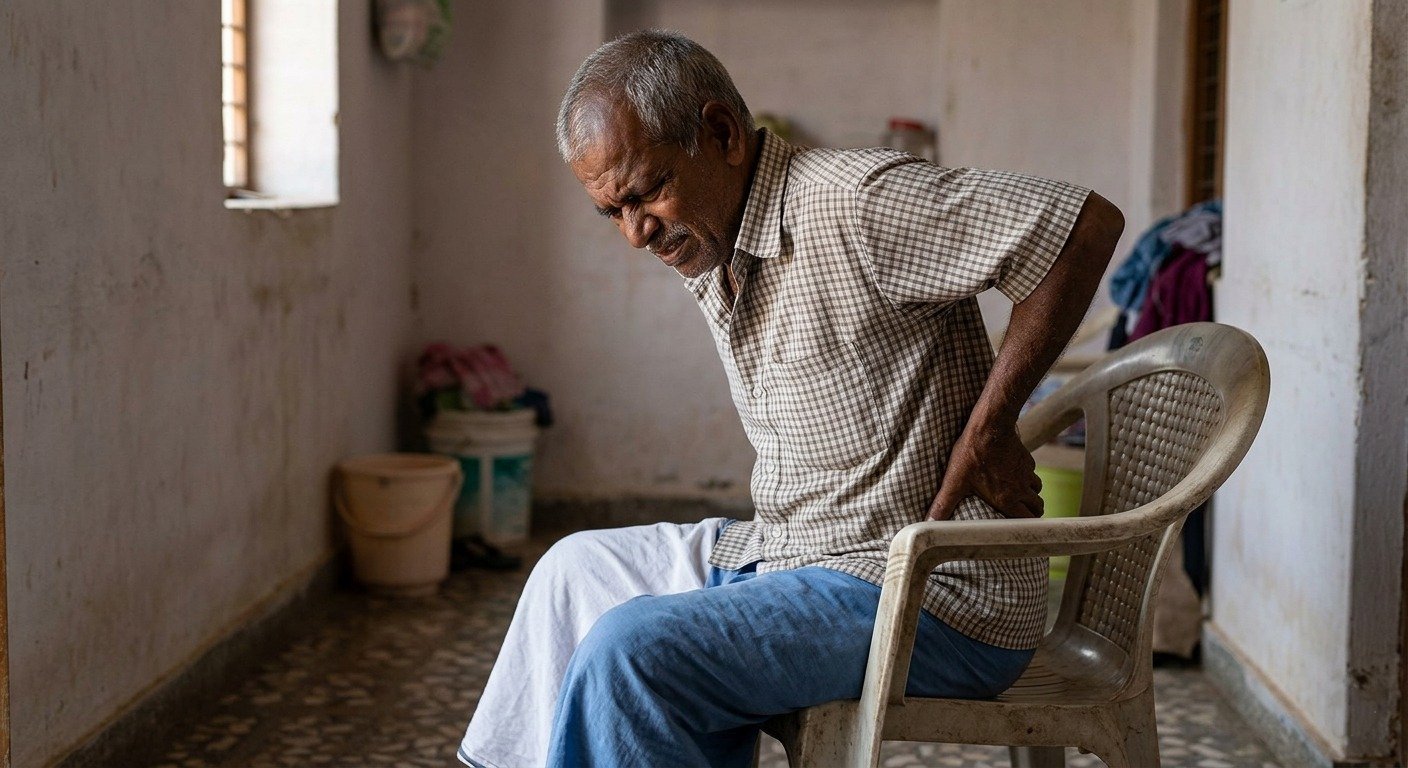
Lower Back Pain
Advanced bladder cancer may sometimes cause pain in the lower back.
This discomfort can:
- Occur on one or both sides
- Persist over time
- Worsen gradually
Any unexplained lower back pain accompanied by urinary symptoms warrants medical evaluation.
Unexplained Weight Loss
Unexpected weight loss may occur in some cancer patients.
While weight loss alone does not confirm bladder cancer, it may be a sign of an underlying health condition that requires attention.
Patients should consult a doctor if they experience significant unexplained weight changes.
Fatigue and Reduced Energy Levels
Cancer can place considerable demands on the body.
Some patients report:
- Persistent tiredness
- Low energy levels
- Difficulty performing routine activities
Fatigue becomes more concerning when combined with other urinary symptoms.
Recurrent Urinary Tract Symptoms
Repeated urinary symptoms that fail to improve with treatment may require further investigation.
Examples include:
- Recurring urinary infections
- Persistent burning
- Ongoing urinary urgency
- Frequent urination
Chronic symptoms should never be dismissed without proper evaluation.
Risk Factors for Bladder Cancer
Certain factors may increase the likelihood of developing bladder cancer.
Smoking
Smoking is one of the strongest risk factors because harmful chemicals are filtered through the urinary system.
Increasing Age
The risk generally rises with age.
Occupational Exposure
Exposure to certain industrial chemicals may increase risk.
Chronic Bladder Irritation
Long-term irritation or inflammation may contribute to cellular changes.
Family History
Genetic factors may play a role in some cases.
Understanding risk factors can encourage earlier screening and medical attention.
Early Detection Tips for Bladder Cancer
Early detection significantly improves treatment outcomes.
Helpful steps include:
Do Not Ignore Blood in the Urine
Even a single episode should be medically evaluated.
Monitor Changes in Urination
Persistent urinary symptoms deserve professional assessment.
Schedule Regular Health Checkups
Routine examinations help identify problems early.
Avoid Smoking
Smoking cessation reduces the risk of bladder cancer and other diseases.
Seek Prompt Evaluation for Persistent Symptoms
Early action often leads to better treatment options.
How Bladder Cancer Is Diagnosed
Doctors use several methods to diagnose bladder cancer accurately.
Medical History and Physical Examination
A detailed symptom review is usually the first step.
Urine Tests
Laboratory testing helps detect blood, abnormal cells, or infection.
Imaging Studies
Ultrasound, CT scans, or MRI scans may be recommended.
Cystoscopy
A small camera is used to examine the inside of the bladder.
Biopsy
A tissue sample may be collected for confirmation.
Accurate diagnosis helps guide the most effective treatment plan.
Treatment Options for Bladder Cancer
Treatment depends on the stage, location, and extent of the disease.
Surgical Treatment
Surgery is often recommended for localized tumors.
Minimally Invasive Procedures
Certain early-stage tumors may be treated using specialized endoscopic techniques.
Intravesical Therapy
Medication may be delivered directly into the bladder in selected cases.
Chemotherapy
May be used before or after surgery depending on individual circumstances.
Radiation Therapy
Can be recommended in specific situations.
Patients seeking a trusted bladder cancer hospital kota benefit from personalized treatment plans designed around their specific diagnosis.
When Is Surgery Needed for Bladder Cancer?
Surgery may be necessary when cancerous tissue needs to be removed from the bladder.
The type of surgery depends on:
- Tumor size
- Cancer stage
- Overall health
- Disease spread
Patients requiring advanced care often seek treatment at a bladder cancer surgery hospital in kota where experienced specialists provide comprehensive surgical management.
Recovery After Bladder Cancer Treatment
Recovery varies depending on the treatment approach.
Patients are often advised to:
- Stay hydrated
- Attend follow-up appointments
- Follow dietary recommendations
- Monitor urinary symptoms
- Maintain a healthy lifestyle
Regular monitoring remains important because bladder cancer can recur in some cases.
Advanced Bladder Cancer Care at Jain Surgical Hospital
Jain Surgical Hospital offers comprehensive evaluation and treatment for bladder cancer using modern diagnostic technology and patient-focused care.
Services include:
- Bladder cancer screening
- Advanced imaging
- Diagnostic cystoscopy
- Surgical management
- Post-treatment follow-up
- Long-term monitoring programs
Frequently Asked Questions (FAQs)
What is usually the first symptom of bladder cancer?
Blood in the urine is often the earliest and most common symptom of bladder cancer.
Does bladder cancer always cause pain?
No. Early bladder cancer may not cause pain. Many patients initially experience painless blood in the urine.
Can bladder cancer be cured if detected early?
Early-stage bladder cancer is often highly treatable, and outcomes are generally better when diagnosis occurs before the disease spreads.
Conclusion
Recognizing the Signs and Symptoms of Bladder Cancer is essential for early detection and successful treatment. Symptoms such as blood in the urine, frequent urination, burning during urination, pelvic discomfort, and persistent urinary changes should never be ignored.
Early diagnosis often provides more treatment options and better long-term outcomes. Individuals who experience ongoing urinary symptoms should seek medical evaluation as soon as possible.
At Jain Surgical Hospital, patients receive expert diagnosis, advanced treatment, and compassionate care designed to support recovery and improve quality of life.
Book Your Consultation Today
If you are experiencing urinary symptoms or have concerns about bladder health, schedule a consultation at Jain Surgical Hospital. Our experienced specialists provide comprehensive evaluation, advanced diagnostic services, and personalized treatment plans to help you achieve the best possible outcomes.