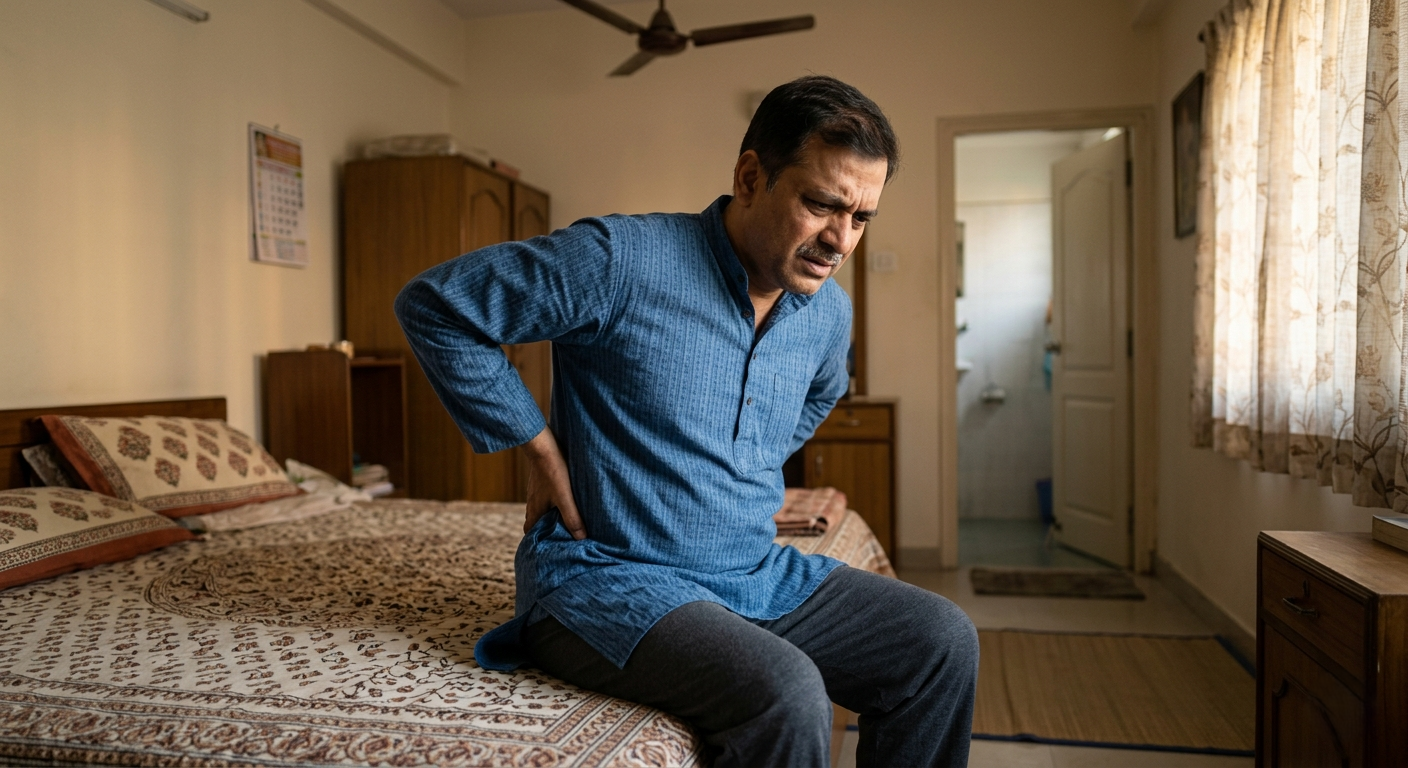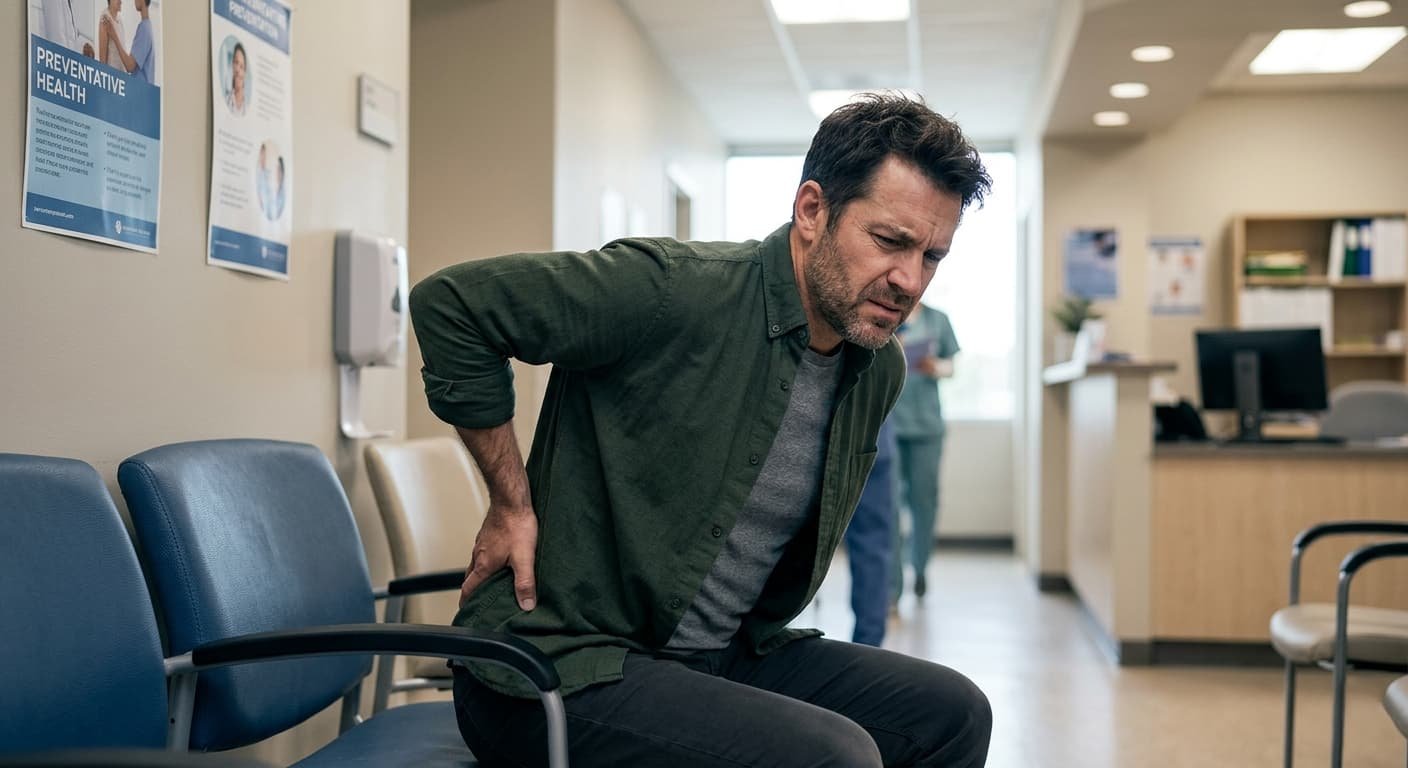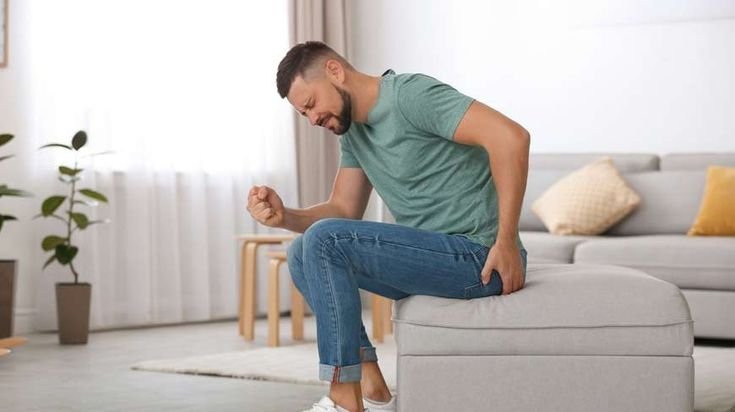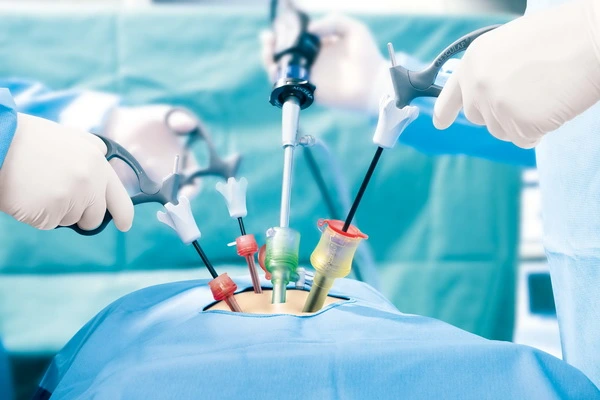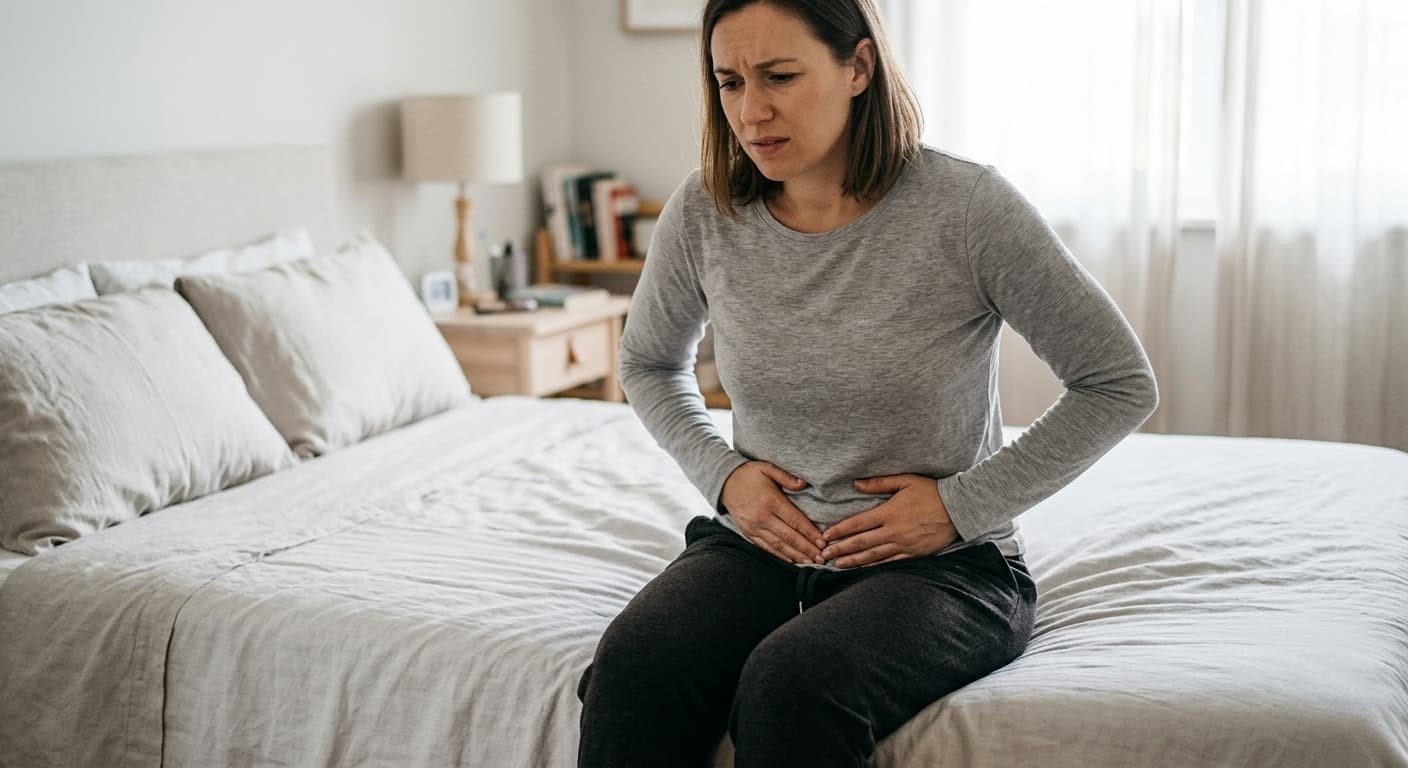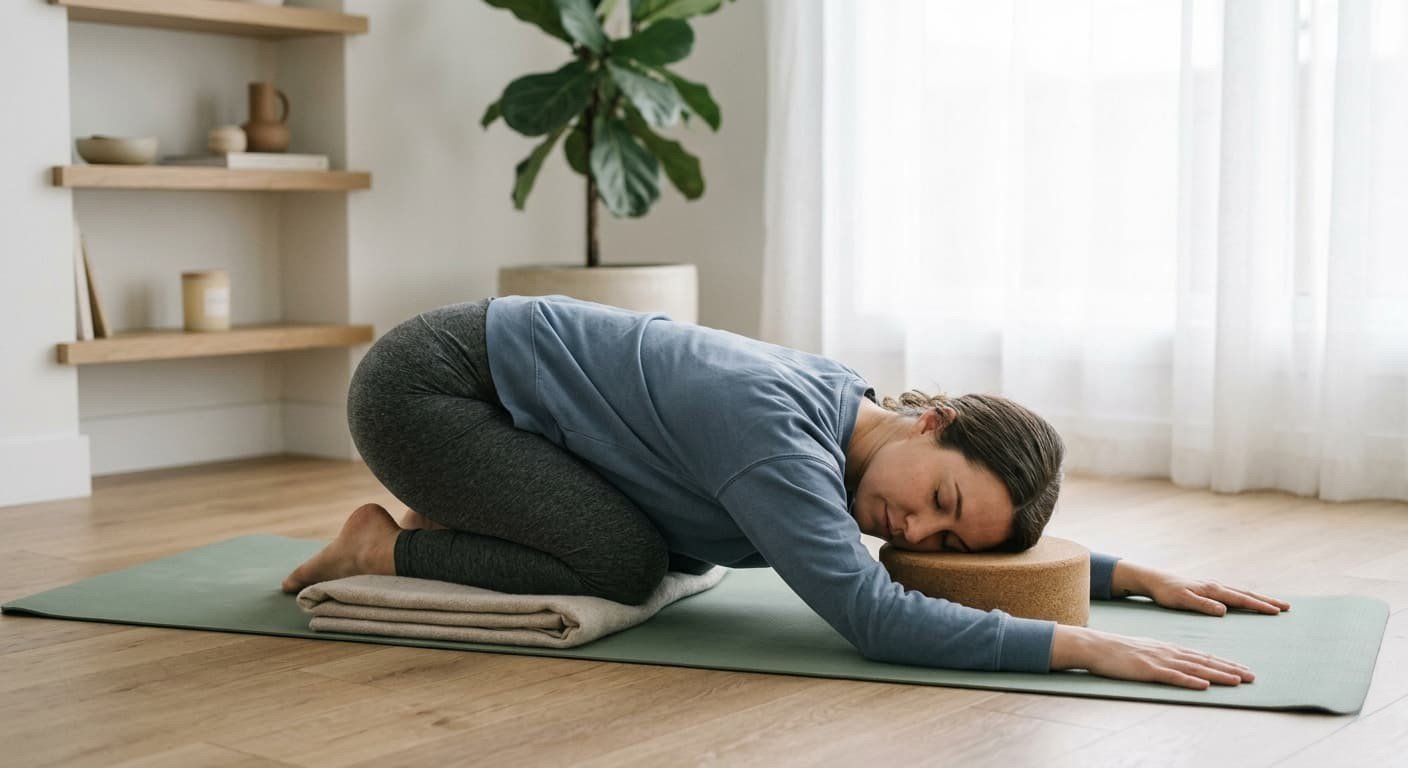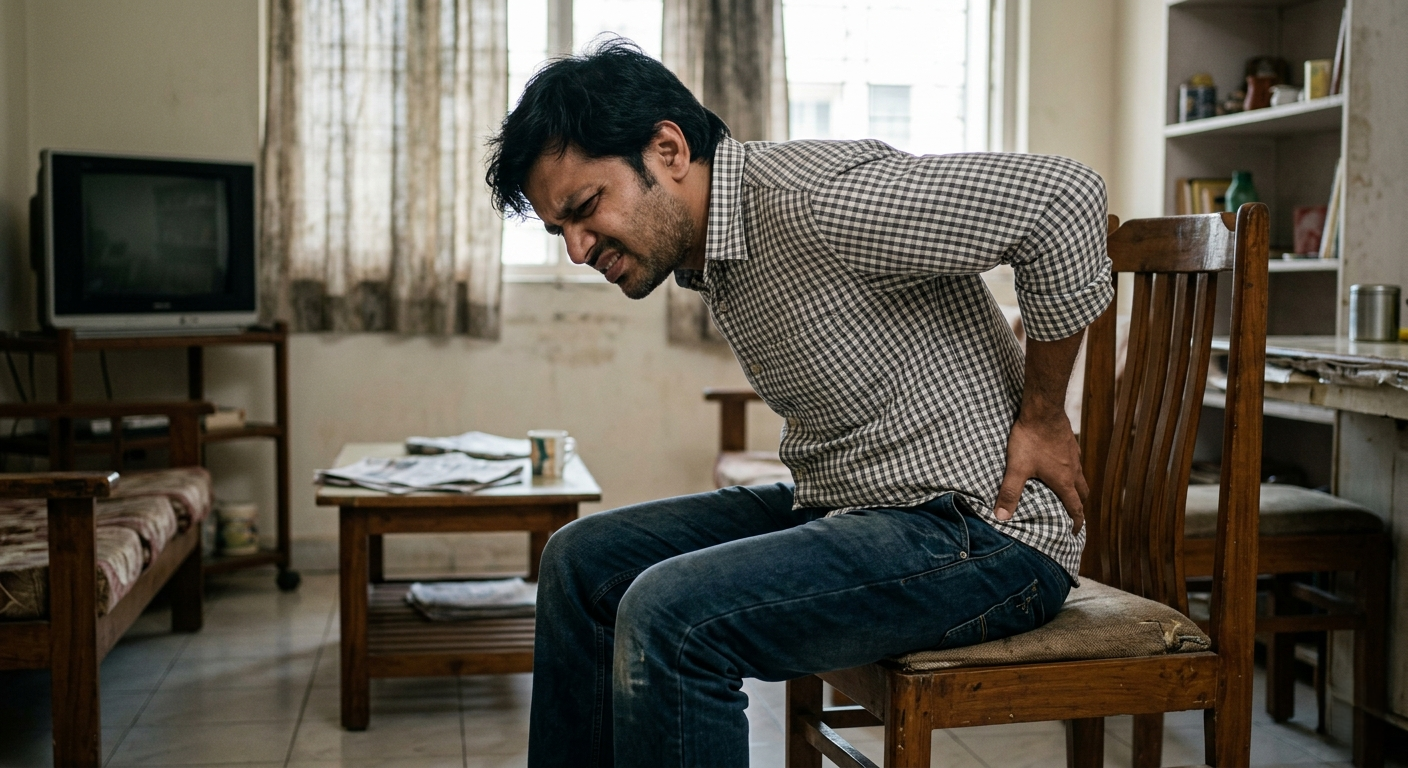
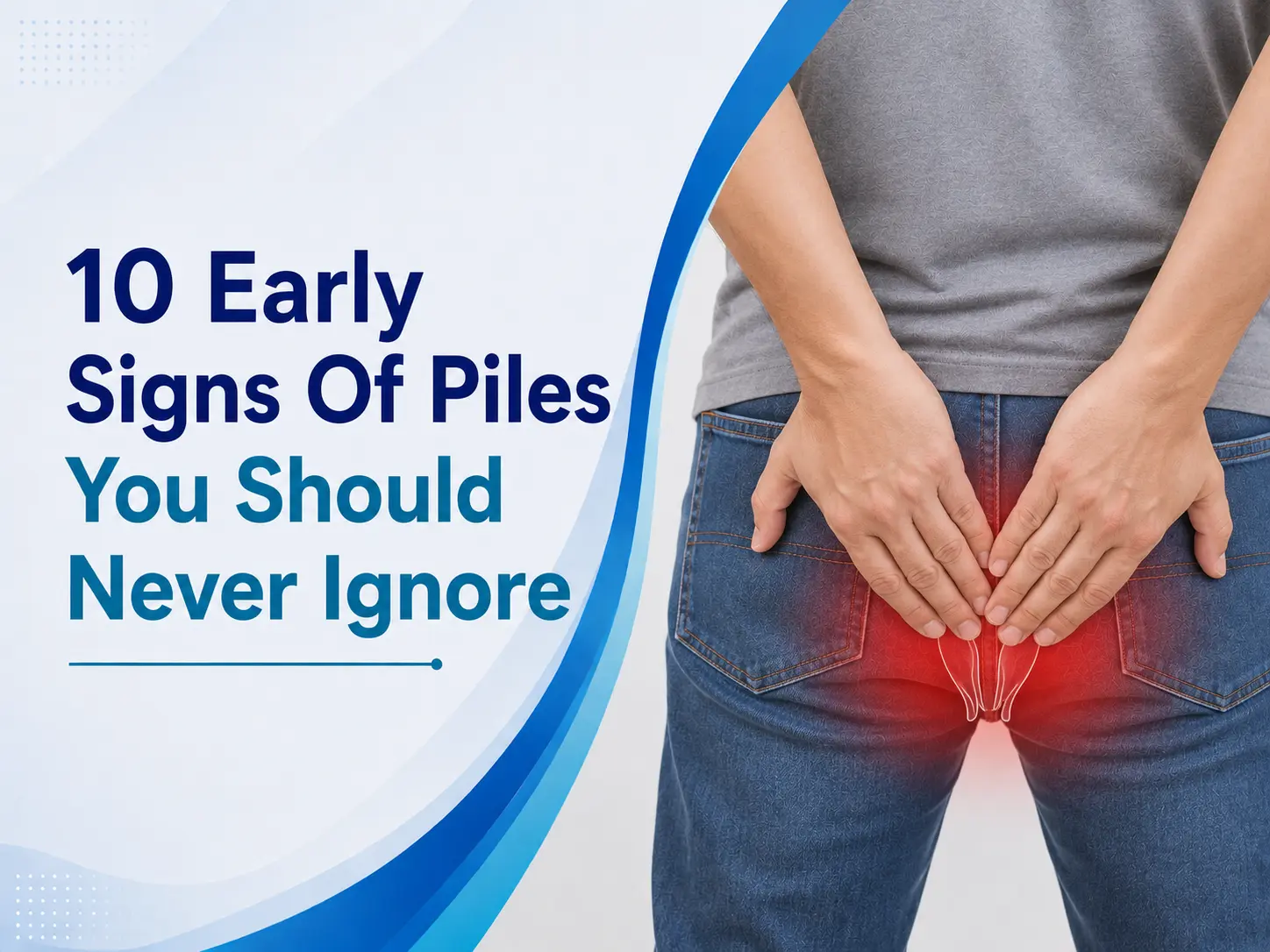
Piles, also known as hemorrhoids, are a common condition that affects millions of people worldwide. Despite being common, many individuals ignore the early symptoms due to embarrassment or the belief that the problem will resolve on its own. However, recognizing the 10 Early Signs Of Piles can help prevent the condition from worsening and reduce the risk of complications.
Piles develop when veins in the lower rectum or anus become swollen due to increased pressure. While some cases remain mild, untreated piles can lead to significant discomfort, bleeding, and difficulty performing daily activities. Many patients seeking piles treatment kota often report experiencing symptoms for months before finally consulting a specialist.
At Jain Surgical Hospital, patients receive advanced diagnosis and modern treatment options, including minimally invasive and laser-based procedures designed to provide effective relief and faster recovery.
What Are Piles?
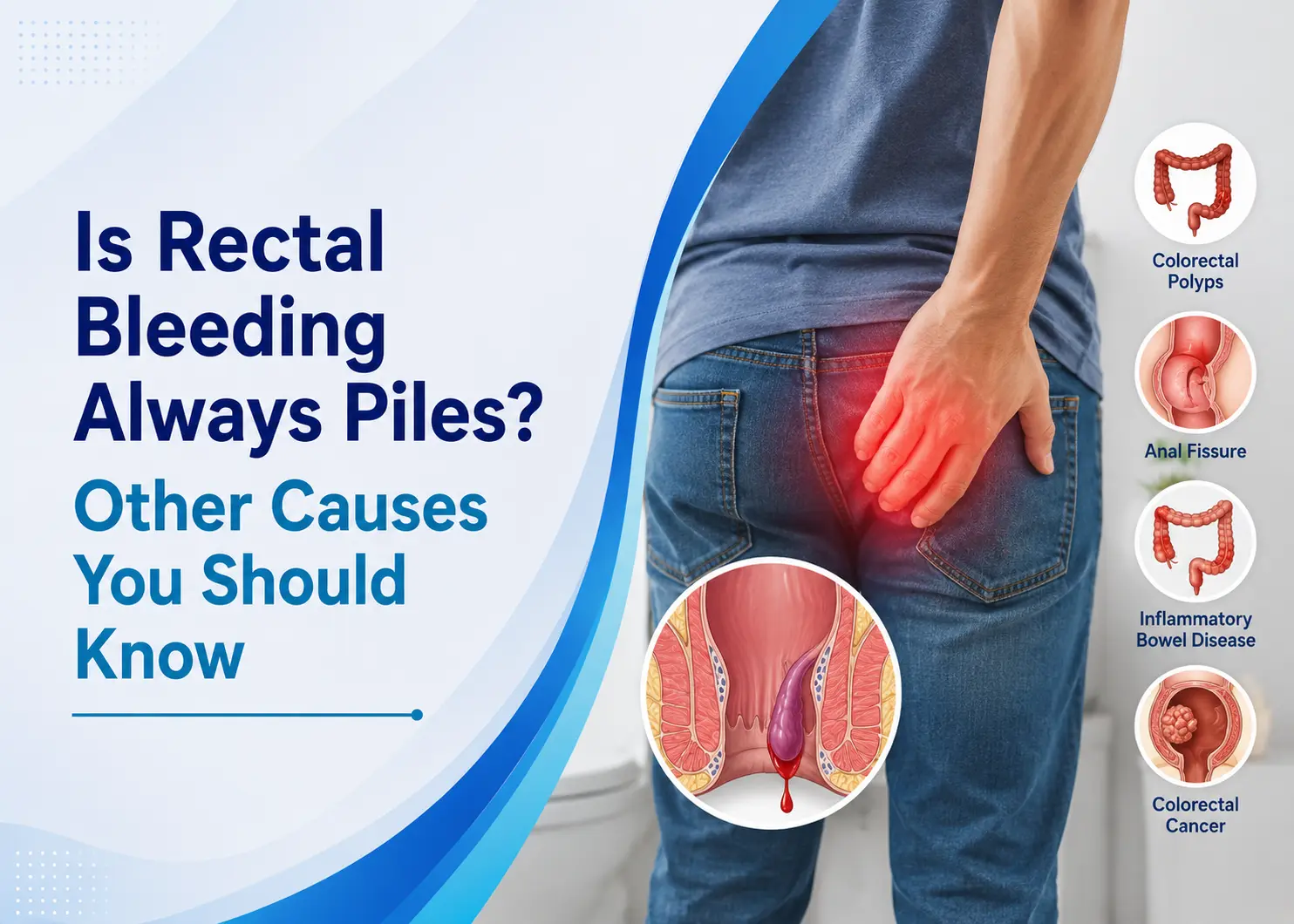
Piles are swollen blood vessels located inside the rectum or around the anus.
They are generally classified into two types:
Internal Piles
These develop inside the rectum and may not initially cause pain.
External Piles
These form around the anal opening and are often associated with discomfort, itching, and swelling.
Understanding the condition is the first step toward identifying the 10 Early Signs Of Piles before they become severe.
Why Early Detection of Piles Matters
Many people delay treatment because symptoms appear mild in the beginning.
Ignoring early symptoms may lead to:
- Increased pain
- Frequent bleeding
- Prolapsed piles
- Blood clot formation
- Chronic discomfort
- Reduced quality of life
Early diagnosis often allows simpler and more effective treatment options.
1. Bright Red Blood During Bowel Movements
One of the earliest and most common signs of piles is bleeding during or after passing stool.
You may notice:
- Blood on toilet paper
- Blood drops in the toilet bowl
- Streaks of blood on stool
Although piles are a common cause, any rectal bleeding should be evaluated by a medical professional.
2. Itching Around the Anal Area
Persistent itching around the anus can be an early warning sign.
The irritation occurs due to inflammation, mucus discharge, or swelling associated with hemorrhoids.
Many individuals mistake itching for a minor skin issue and delay seeking treatment.
3. Pain or Discomfort While Sitting
As piles develop, sitting for long periods may become uncomfortable.
Patients often report:
- Mild pressure
- Burning sensation
- Tenderness around the anal region
This symptom may gradually worsen if the condition remains untreated.
4. A Feeling of Incomplete Bowel Emptying
Many patients with piles describe a sensation that the bowel has not completely emptied after a bowel movement.
This feeling may lead to:
- Repeated visits to the toilet
- Excessive straining
- Increased discomfort
Over time, excessive straining can further aggravate piles.
5. Swelling Around the Anus
Swelling near the anal opening is another common symptom.
The swelling may feel like:
- A small lump
- A soft bulge
- Localized tissue enlargement
External piles are often associated with visible swelling around the anus.
6. Mucus Discharge After Passing Stool
Some individuals notice mucus discharge following bowel movements.
This may cause:
- Moisture around the anus
- Irritation
- Persistent itching
Although not always discussed openly, mucus discharge is a common symptom of internal hemorrhoids.
7. Pain During Bowel Movements
Pain is not always present in early piles, but some patients experience discomfort while passing stool.
Symptoms may include:
- Burning sensation
- Sharp pain
- Tenderness afterward
Pain often becomes more noticeable when piles enlarge or become inflamed.
8. A Lump Near the Anal Opening
A small lump around the anus may indicate developing hemorrhoids.
The lump may:
- Appear during bowel movements
- Become more noticeable while straining
- Increase in size over time
Early evaluation can help prevent progression and complications.
9. Increased Straining During Bowel Movements
Difficulty passing stool often contributes to piles and may also signal their presence.
Individuals frequently experience:
- Hard stools
- Constipation
- Excessive effort while using the toilet
Persistent straining places additional pressure on rectal veins.
10. Recurring Discomfort That Comes and Goes
Many people experience symptoms intermittently during the early stages.
Discomfort may improve temporarily before returning.
This pattern often causes patients to underestimate the seriousness of the condition and delay treatment.
Common Causes of Piles
Several factors increase the likelihood of developing hemorrhoids.
Common causes include:
Chronic Constipation
Repeated straining weakens and enlarges rectal veins.
Prolonged Sitting
Sitting for extended periods increases pressure on the anal region.
Low-Fiber Diet
Poor dietary fiber intake contributes to hard stools and constipation.
Obesity
Excess body weight increases pressure on pelvic and rectal veins.
Pregnancy
Hormonal changes and increased abdominal pressure can contribute to piles.
Heavy Lifting
Frequent lifting may strain abdominal and rectal muscles.
Understanding risk factors can help reduce future recurrence.
Symptoms That Require Immediate Medical Attention
While many cases are manageable, certain symptoms require prompt medical evaluation.
Seek medical care if you experience:
- Heavy rectal bleeding
- Severe pain
- Sudden swelling
- Fever
- Persistent symptoms despite treatment
Timely intervention can help prevent complications.
How Piles Are Diagnosed
Diagnosis usually begins with a detailed medical history and physical examination.
Additional tests may include:
Visual Examination
Used to assess external hemorrhoids.
Digital Rectal Examination
Allows evaluation of internal abnormalities.
Proctoscopy
A specialized examination of the anal canal and rectum.
Colon Evaluation
May be recommended when bleeding requires further investigation.
Accurate diagnosis ensures the most appropriate treatment plan.
Treatment Options for Piles
Treatment depends on the severity of symptoms and the stage of the condition.
Lifestyle Modifications
Many early cases improve with:
- Increased fiber intake
- Better hydration
- Regular exercise
- Improved bowel habits
Medications
Doctors may recommend creams, ointments, or medications to reduce symptoms.
Minimally Invasive Procedures
Advanced techniques may be used for persistent hemorrhoids.
Surgical Treatment
Severe or recurrent piles may require surgical intervention.
Patients seeking the best piles doctor kota often benefit from individualized treatment plans tailored to their condition.
Benefits of Laser Piles Treatment
Modern technology has transformed hemorrhoid treatment.
Laser piles surgery kota offers several advantages:
- Minimal pain
- Reduced bleeding
- Faster recovery
- Shorter hospital stay
- Lower risk of complications
- Early return to daily activities
These benefits make laser treatment an increasingly popular option for suitable patients.
How to Prevent Piles Naturally
Preventive habits can significantly reduce the risk of developing piles.
Helpful measures include:
Eat a High-Fiber Diet
Fruits, vegetables, and whole grains promote healthy bowel movements.
Stay Hydrated
Adequate water intake softens stool and reduces straining.
Exercise Regularly
Physical activity supports digestive health.
Avoid Delaying Bowel Movements
Responding promptly to bowel urges prevents stool hardening.
Limit Prolonged Sitting
Taking breaks helps reduce pressure on rectal veins.
These lifestyle strategies can help maintain long-term colorectal health.
Why Early Treatment Leads to Better Outcomes
Early diagnosis provides several advantages:
- Simpler treatment
- Faster recovery
- Reduced complications
- Less discomfort
- Better quality of life
Recognizing the 10 Early Signs Of Piles allows patients to seek care before symptoms become severe.
Advanced Piles Care at Jain Surgical Hospital
Jain Surgical Hospital provides comprehensive diagnosis and treatment for hemorrhoids using advanced technology and modern surgical techniques.
Services include:
- Piles evaluation
- Conservative treatment
- Minimally invasive procedures
- Laser piles treatment
- Postoperative care
- Long-term prevention guidance
Frequently Asked Questions (FAQs)
What is usually the first sign of piles?
Bright red bleeding during bowel movements is often one of the earliest and most common symptoms of piles.
Can piles go away without surgery?
Many mild cases improve with lifestyle changes, dietary modifications, and medical treatment. However, advanced cases may require procedural or surgical intervention.
Is laser treatment effective for piles?
Laser piles treatment is a modern, minimally invasive option that can reduce pain, bleeding, and recovery time for suitable patients.
Conclusion
Recognizing the 10 Early Signs Of Piles can help prevent complications and improve treatment outcomes. Symptoms such as rectal bleeding, itching, swelling, discomfort, and changes in bowel habits should never be ignored.
Piles are highly treatable, especially when diagnosed early. Modern treatment options, including laser piles surgery kota, offer effective relief with minimal discomfort and faster recovery compared to traditional approaches.
At Jain Surgical Hospital, patients receive expert diagnosis, advanced treatment, and personalized care designed to restore comfort and improve long-term colorectal health.
Book Your Consultation Today
If you are experiencing symptoms of piles or rectal discomfort, schedule a consultation at Jain Surgical Hospital. Our experienced specialists provide advanced diagnosis and treatment options, helping you achieve lasting relief and return to a healthier, more comfortable life.