
Parents naturally become anxious when their child requires surgery. One of the most common questions families ask today is Can Laparoscopic Surgery Be Done for Children safely and effectively. With advancements in minimally invasive techniques, laparoscopic surgery is now widely used for several pediatric surgical conditions and is considered safe in many cases when performed by experienced surgeons.
Children often recover faster with minimally invasive procedures compared to traditional open surgeries. Many parents searching for laparoscopy surgery kota services want treatment options that involve smaller incisions, less pain, and shorter hospital stays for their children.
At Jain Surgical Hospital, advanced laparoscopic procedures are performed using modern surgical technology and patient-focused care to ensure safe and comfortable treatment experiences for both children and parents.
What Is Laparoscopic Surgery for Children?
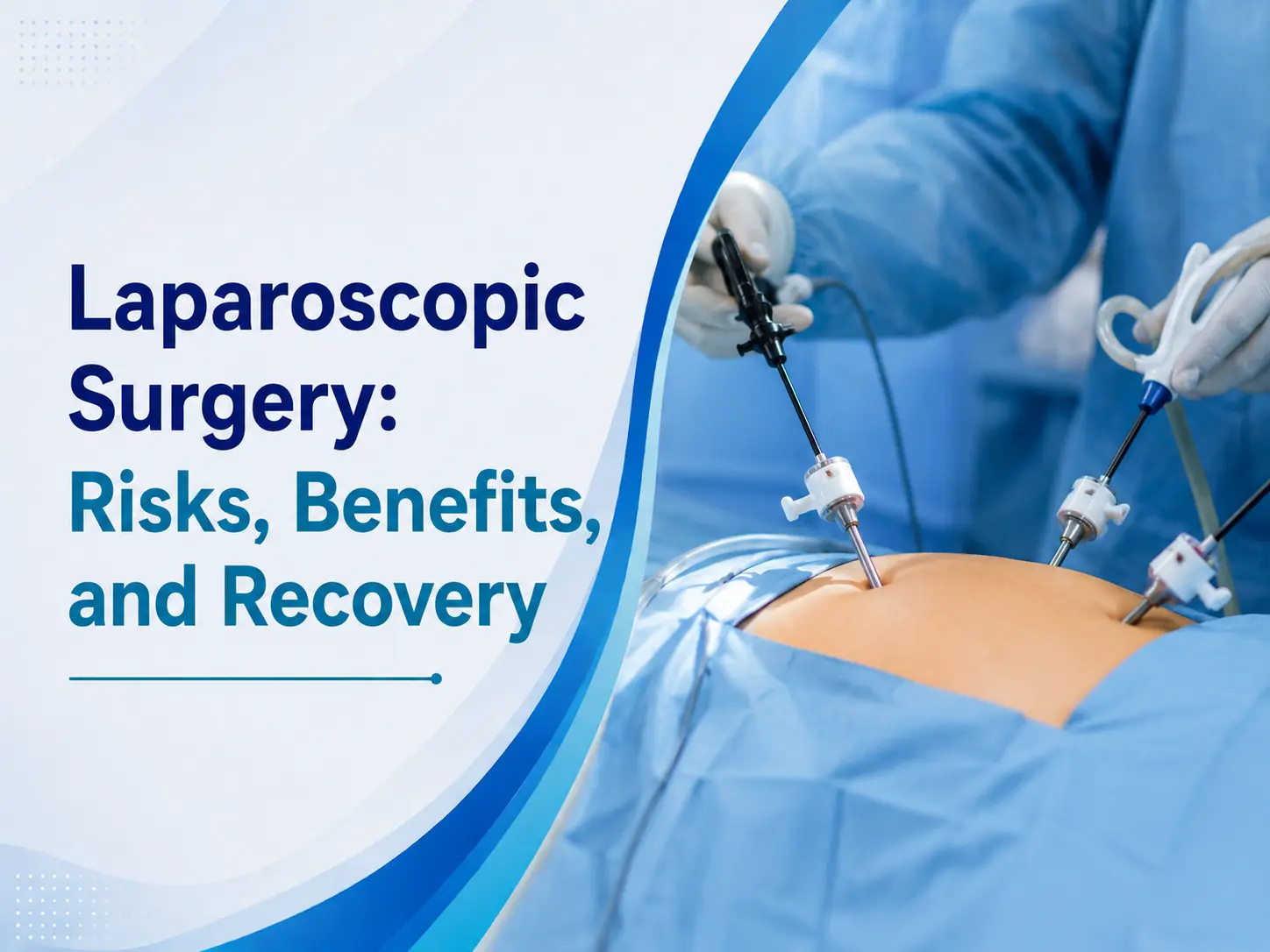
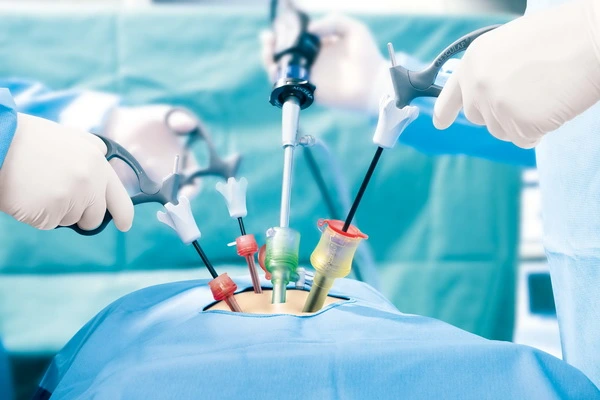
Laparoscopic surgery is a minimally invasive surgical procedure performed using small incisions, a tiny camera called a laparoscope, and specialized surgical instruments.
Instead of making a large cut, surgeons insert the camera through a small opening to view the internal organs on a monitor. Additional small incisions are used for surgical instruments.
In pediatric patients, laparoscopic surgery may be used for conditions involving:
- Appendix problems
- Gallbladder diseases
- Hernia repair
- Undescended testes
- Ovarian cysts
- Intestinal conditions
- Diagnostic procedures
Because the cuts are much smaller than traditional surgery, children often experience quicker healing and reduced discomfort.
Can Laparoscopic Surgery Be Done for Children Safely?
Yes, in many cases, laparoscopic surgery can be safely performed in children by trained and experienced surgeons. Pediatric minimally invasive surgery has advanced significantly over the years and is now commonly recommended for various surgical conditions.
The safety of the procedure depends on several factors, including:
- The child’s age
- Overall health condition
- Type of surgical problem
- Surgical expertise
- Hospital infrastructure
Modern pediatric anesthesia techniques and specialized laparoscopic instruments designed for children have improved surgical safety and recovery outcomes.
Parents searching for the best hospital for laparoscopy in Kota often look for hospitals with advanced technology, experienced surgeons, and comprehensive pediatric care support.
Benefits of Laparoscopic Surgery in Children
One of the major reasons why minimally invasive surgery is preferred today is because of the multiple advantages it offers compared to traditional open surgery.
Understanding the benefits of laparoscopic surgery can help parents make informed treatment decisions.
Smaller Incisions
Laparoscopic surgery uses tiny cuts instead of large surgical openings. This reduces visible scarring and improves cosmetic outcomes.
Less Pain After Surgery
Children usually experience less post-operative pain due to smaller incisions and minimal tissue damage.
Faster Recovery
Many children recover more quickly and return to school and daily activities sooner.
Shorter Hospital Stay
Hospital stays are often shorter, reducing emotional stress for both children and parents.
Lower Risk of Infection
Smaller wounds may reduce the risk of surgical site infections.
Better Visualization for Surgeons
The laparoscopic camera provides magnified internal views, helping surgeons perform precise procedures.
These advantages make laparoscopic procedures a preferred option for many pediatric surgeries when medically appropriate.
Common Pediatric Conditions Treated with Laparoscopic Surgery
Several childhood surgical conditions may be managed using minimally invasive techniques.
Appendicitis
Laparoscopic appendectomy is commonly performed in children with appendix inflammation.
Hernia Repair
Minimally invasive hernia repair can reduce recovery time and discomfort.
Gallbladder Disorders
Although gallbladder diseases are more common in adults, some children may require gallbladder surgery kota services due to gallstones or related complications.
Undescended Testes
Laparoscopy helps diagnose and treat undescended testicles in boys.
Ovarian Cysts
In adolescent girls, ovarian cysts may sometimes require laparoscopic treatment.
Diagnostic Laparoscopy
Doctors may use laparoscopy to investigate unexplained abdominal pain or other conditions.
How Is Pediatric Laparoscopic Surgery Different from Adult Surgery?
Children are not simply small adults. Pediatric surgery requires specialized surgical planning, instruments, anesthesia management, and post-operative care.
Differences include:
- Smaller surgical instruments
- Pediatric anesthesia protocols
- Child-focused recovery monitoring
- Specialized nursing support
- Age-specific surgical approaches
Surgeons performing pediatric laparoscopic procedures require experience in managing children safely during surgery and recovery.
This is why choosing the best hospital for laparoscopy in Kota with proper surgical expertise becomes important for parents.
Preparing Your Child for Laparoscopic Surgery
Parents play an important role in helping children feel calm and prepared before surgery.
Helpful preparation steps include:
Explain the Procedure Calmly
Use simple and reassuring language appropriate for the child’s age.
Follow Pre-Surgery Instructions
Doctors may advise fasting before surgery or temporary medication adjustments.
Carry Medical Records
Bring previous reports, medications, and allergy information.
Offer Emotional Support
Children often feel less anxious when parents remain calm and supportive.
Proper preparation helps reduce stress and supports smoother recovery.
What Happens During Pediatric Laparoscopic Surgery?
The procedure usually begins with general anesthesia so the child remains asleep and pain-free during surgery.
The surgeon then:
- Makes small incisions
- Inserts the laparoscope
- Inflates the abdomen gently with gas for better visibility
- Performs the procedure using specialized instruments
- Closes the incisions with stitches or surgical glue
Depending on the condition, surgery duration may vary from less than an hour to several hours.
Recovery After Laparoscopic Surgery in Children
Recovery after minimally invasive surgery is generally faster compared to open surgery.
Most children may experience:
- Mild soreness
- Temporary tiredness
- Minor swelling around incision sites
Parents are usually advised to monitor:
- Fever
- Severe pain
- Vomiting
- Redness around wounds
- Difficulty eating or urinating
Children can often resume normal activities gradually within days or weeks depending on the procedure performed.
The faster healing process is one of the major benefits of laparoscopic surgery in pediatric patients.
Are There Any Risks of Laparoscopic Surgery in Children?
Like any surgical procedure, laparoscopic surgery also carries some risks, although complications are generally uncommon when performed by experienced surgeons.
Possible risks may include:
- Bleeding
- Infection
- Anesthesia complications
- Injury to nearby organs
- Conversion to open surgery if necessary
Doctors carefully evaluate each child’s condition before recommending surgery to ensure maximum safety.
Parents should discuss all concerns openly with the surgical team before the procedure.
When Is Open Surgery Preferred Over Laparoscopy?
Although minimally invasive surgery offers many advantages, it may not always be suitable for every child.
Open surgery may sometimes be preferred when:
- The condition is highly complicated
- Severe infection is present
- There is extensive internal damage
- Emergency surgery is required
- Previous surgeries have caused scar tissue
The final surgical decision depends on medical evaluation and the child’s overall condition.
Emotional Concerns Parents Often Experience
Hearing that a child needs surgery can create emotional stress for families.
Parents commonly worry about:
- Anesthesia safety
- Pain after surgery
- Hospital stay
- Surgical complications
- Long-term recovery
Open communication with the surgical team helps reduce anxiety and builds confidence in the treatment plan.
At Jain Surgical Hospital, patient-centered care focuses on both medical safety and emotional support for families.
Why Early Surgical Evaluation Is Important
Delaying treatment for surgical conditions may increase complications in some cases.
Early diagnosis helps:
- Prevent worsening symptoms
- Reduce infection risk
- Improve recovery outcomes
- Allow minimally invasive options when appropriate
Parents noticing persistent abdominal pain, vomiting, swelling, or digestive problems in children should seek timely medical evaluation.
Advanced Laparoscopic Care at Jain Surgical Hospital
Jain Surgical Hospital provides advanced minimally invasive surgical care using modern technology and experienced surgical expertise.
The hospital focuses on:
- Safe laparoscopic procedures
- Faster patient recovery
- Minimally invasive treatment
- Pediatric-friendly surgical care
- Advanced operation facilities
Families searching for trusted laparoscopy surgery kota, expert gallbladder surgery kota, or the best hospital for laparoscopy in kota can benefit from comprehensive surgical care and modern treatment approaches.
Long-Term Outcomes After Pediatric Laparoscopic Surgery
Most children recover very well after laparoscopic surgery and return to normal activities without long-term problems.
Benefits often include:
- Minimal scarring
- Faster healing
- Reduced emotional trauma
- Better cosmetic outcomes
- Lower post-operative discomfort
Following post-surgery instructions carefully helps support smoother healing and recovery.
Frequently Asked Questions (FAQs)
Is laparoscopic surgery painful for children?
Children generally experience less pain after laparoscopic surgery compared to traditional open surgery because the incisions are much smaller.
How long does recovery take after pediatric laparoscopic surgery?
Recovery time depends on the procedure performed, but many children return to normal activities within a few days to a few weeks.
Can all surgeries in children be done laparoscopically?
No. While many pediatric conditions can be treated laparoscopically, some complicated or emergency situations may still require open surgery.
Conclusion
Understanding Can Laparoscopic Surgery Be Done for Children helps parents make informed decisions about modern surgical care. Pediatric laparoscopic surgery is now widely used for many conditions because it offers smaller incisions, reduced pain, shorter hospital stays, and faster recovery.
The safety and success of the procedure depend on proper evaluation, experienced surgeons, and advanced hospital facilities. Parents should seek timely consultation whenever a child experiences symptoms that may require surgical treatment.
Jain Surgical Hospital provides advanced minimally invasive surgical care with a strong focus on patient safety, comfort, and faster recovery outcomes for children and families.