
If the hernia is not treated, it usually grows larger and more painful over time. In some cases, the trapped tissue can get stuck, block the intestine, or lose its blood supply, which becomes a medical emergency. A hernia never heals on its own, so the problem rarely goes away without repair. At Jain Surgical Hospital, a trusted hospital in Kota, patients receive clear advice on when a hernia can be watched and when it needs timely surgery. This guide explains the risks, warning signs, and treatment options.
What Is a Hernia and Why Doesn’t It Heal on Its Own?
A hernia happens when an organ or fatty tissue pushes through a weak spot in the muscle wall that normally holds it in place. The most common sign is a bulge in the groin, belly button, or abdomen that may grow when you cough, lift, or stand.
The muscle wall cannot repair a gap by itself. Pressure from coughing, lifting, and straining keeps pushing against the weak area, which is why hernias tend to enlarge over time.
Medication, belts, and exercises may ease discomfort, but they do not close the opening. Only surgery can repair it.
What Can Happen If the Hernia Is Not Treated: Key Risks
Left alone, a hernia can lead to several problems, some mild and some serious. The main risks include:
- Growing size: The bulge slowly enlarges as the weak area widens
- Increasing pain: Discomfort worsens with activity, lifting, or long standing
- Incarceration: Tissue becomes trapped and cannot be pushed back
- Bowel obstruction: The intestine gets blocked, stopping food and gas from passing
- Strangulation: The blood supply to the trapped tissue is cut off
- Tissue death and infection: Without blood, the tissue can die and spread infection
Not every hernia reaches the serious stages, but there is no way to predict which one will. That uncertainty is why doctors take hernias seriously.
Incarcerated Hernia: When Tissue Gets Stuck
An incarcerated hernia means the bulge cannot be pushed back into place. It may feel firm, tender, and painful. Nausea, vomiting, or trouble passing stool and gas can follow if the bowel is involved.
This stage needs prompt medical attention. An incarcerated hernia can quickly turn into a strangulated one, which is far more dangerous.
If your usual hernia bulge suddenly becomes hard, painful, or stuck, do not wait to see if it settles.
Strangulated Hernia: A Medical Emergency
Strangulation is the most serious complication. Here, the trapped tissue swells and its blood supply is cut off. Without blood, the tissue can begin to die within hours.
Warning signs include:
- Sudden, severe, and rapidly worsening pain
- A bulge that turns red, purple, or dark
- Fever and a fast heartbeat
- Nausea and repeated vomiting
- Inability to pass stool or gas
Go to the nearest emergency department immediately if you notice these signs. A strangulated hernia needs urgent surgery, sometimes including removal of damaged bowel.
Comparing Hernia Stages and Their Urgency
The table below shows how a hernia can progress and how urgent each stage is.
| Stage | What Happens | Urgency |
| Reducible hernia | Bulge goes back in when you lie down or push gently | Plan surgery with your doctor |
| Incarcerated hernia | Bulge is stuck and painful | Needs prompt medical attention |
| Obstructed hernia | Bowel is blocked, causing vomiting and bloating | Urgent care required |
| Strangulated hernia | Blood supply is cut off | Emergency surgery |
Recognising the stage early gives you more choices and safer outcomes.
How Likely Are Serious Complications?
It is important to be honest and balanced. Research suggests that the yearly risk of strangulation in an adult with an untreated inguinal hernia is small, estimated at under 1 percent per year. Many men with a mild, painless groin hernia can safely be monitored.
However, the risk is not zero, and it is higher in certain situations. Femoral hernias, large hernias, and hernias in older adults or people with other illnesses carry a higher chance of complications. Women are often advised to have repair sooner, since femoral hernias are more common in women and more likely to cause problems.
Your surgeon can explain your personal risk after an examination.
Emergency Surgery vs Planned Surgery
Planned surgery before complications arise is generally safer and simpler. Emergency surgery tends to be more complex, since the bowel may be swollen or damaged.
Compared with planned repair, emergency surgery often means:
- A higher risk of infection and other complications
- A longer hospital stay
- A longer recovery
- A greater chance that part of the bowel will need removal
This is one of the strongest reasons why many doctors recommend repair before an emergency develops.
Which Hernias Are Most Likely to Cause Problems?
Some types carry more risk than others:
- Femoral hernias: Small, but more likely to become trapped
- Incisional hernias: Can enlarge and trap bowel, especially if large
- Large hernias: More tissue can get stuck
- Umbilical hernias in adults: Can enlarge and become painful over time
Hiatal hernias in the chest area are managed differently and may be treated with lifestyle changes and medicines first.
Who Should Not Delay Hernia Treatment?
Surgery should be considered sooner if you:
- Have pain that interferes with daily life
- Notice the hernia growing
- Have had an episode of the hernia getting stuck
- Are older or have other health conditions that make emergency surgery riskier
- Live far from emergency care or cannot recognise warning signs easily
- Are a woman with a groin hernia
A consultation with an experienced surgeon helps you decide whether to monitor or repair.
Modern Treatment Options for Hernia Repair
Hernia repair is a common, well-established surgery. Options include open repair and minimally invasive repair, usually strengthened with a surgical mesh.
Many patients prefer laparoscopic hernia surgery Kota options because the small cuts usually mean less pain, smaller scars, and a quicker return to normal activities. The best technique depends on the hernia type, size, and your health.
Choosing a reliable laparoscopy hospital Kota patients trust means asking your surgeon which approach suits you and why.
What to Expect From Laparoscopic Hernia Repair
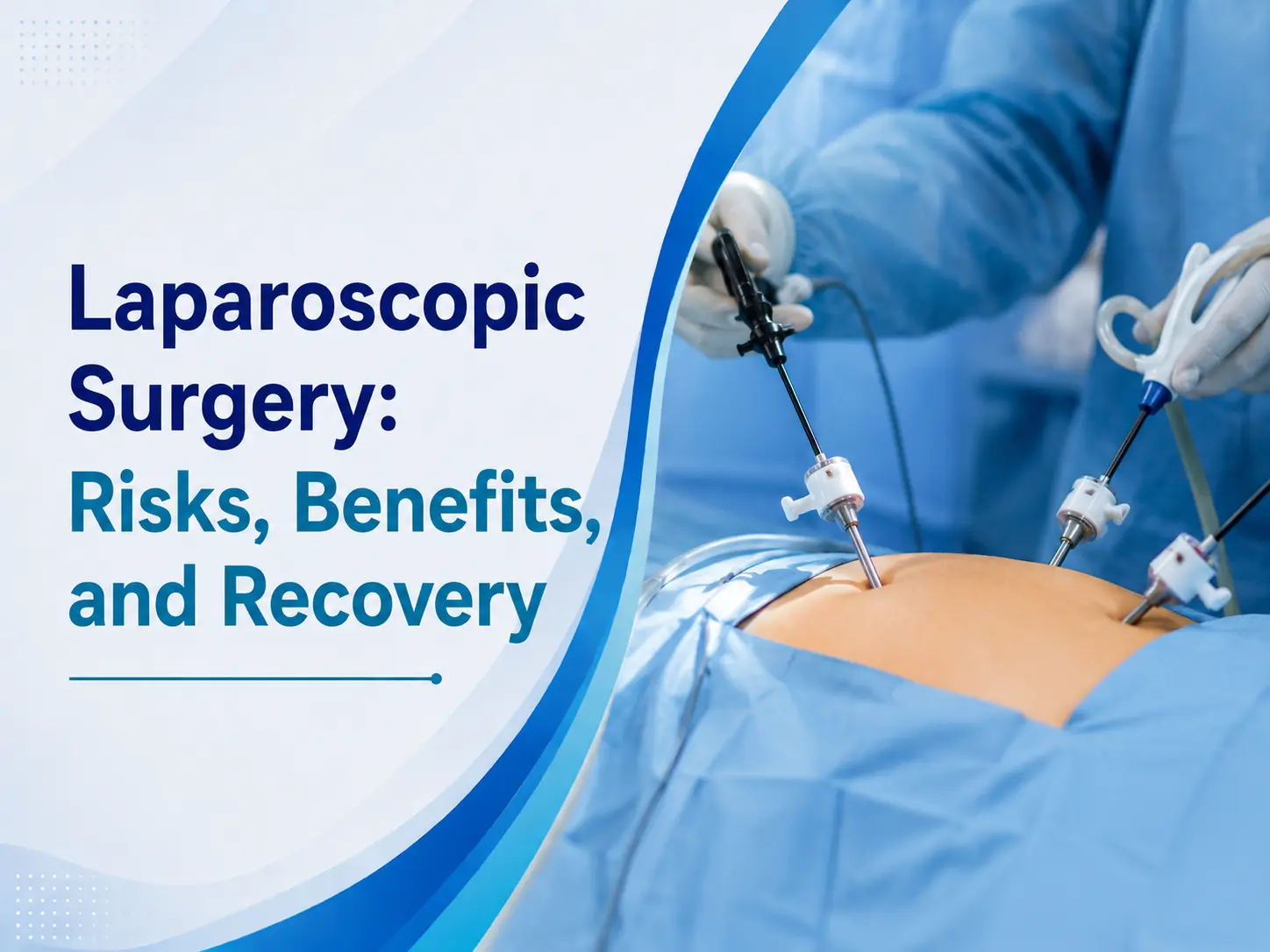
In laparoscopic repair, the surgeon makes a few small cuts and uses a camera to guide the operation. The weak area is repaired and usually reinforced with mesh.
Many people go home the same day or the next day and return to light activity within days. Full recovery for heavier activity can take a few weeks. Your surgeon will give personalised advice.
Looking for laparoscopic treatment in Kota is worthwhile if you want a minimally invasive option, but remember that some hernias, such as very large or complex ones, may still need open surgery.
Simple Habits to Reduce Strain While You Wait
If you are monitoring a small hernia with your doctor, these habits can reduce stress on the weak area:
- Avoid heavy lifting and use proper lifting technique
- Treat chronic cough and constipation promptly
- Eat fiber-rich foods and drink enough water
- Maintain a healthy weight
- Quit smoking
- Do not ignore changes in pain or bulge size
These steps do not cure a hernia, but they may help prevent flare-ups.
Why Choose Jain Surgical Hospital for Hernia Care
Deciding about surgery can feel stressful. Jain Surgical Hospital offers experienced surgeons, modern diagnostic support, and honest, simple explanations so you understand each option.
As one of the best hospitals in Kota, the team focuses on accurate diagnosis, safe surgery, and careful follow-up. You will never be rushed into a decision.
Frequently Asked Questions
1. Can a hernia go away on its own?
No. A hernia is a gap in the muscle wall, and it does not close without surgery. Supports and exercises may ease symptoms but cannot repair it.
2. How long can I wait before getting hernia surgery?
There is no fixed time. Small, painless hernias may be watched, but painful, growing, or trapped hernias should be repaired sooner. Your surgeon will advise based on your case.
3. What are the signs that a hernia has become an emergency?
Sudden severe pain, a hard bulge that will not go back, redness or dark color, fever, vomiting, and inability to pass stool or gas are danger signs. Seek emergency care immediately.
4. Is a painless hernia safe to ignore?
Not completely. A painless hernia can still enlarge or become trapped. Regular check-ups help your doctor decide if and when repair is needed.
5. Is hernia surgery safe?
Yes. Hernia repair is one of the most common surgeries and is generally safe, especially when planned in advance rather than done as an emergency.
Book Your Hernia Consultation Today
A hernia will not fix itself, and waiting can turn a simple repair into an emergency. If you have noticed a bulge or discomfort, get it checked early. Visit Jain Surgical Hospital, a trusted name for hernia care in Kota, and consult an experienced surgeon who can explain your options clearly. Book your appointment today and protect your health with timely treatment.