
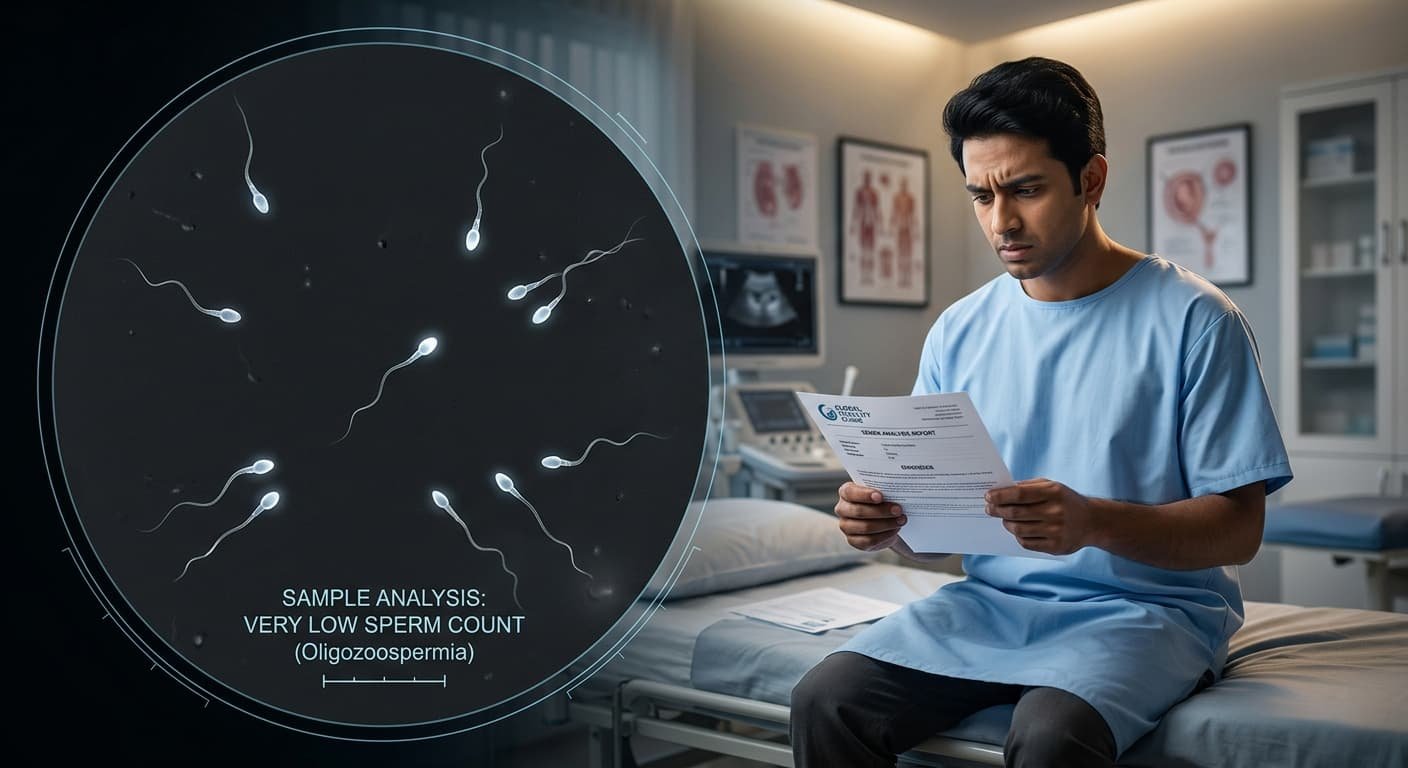
Male infertility is a significant and often underdiagnosed condition. According to the World Health Organization’s 2023 global infertility data, male factors contribute to approximately 40–50% of all infertility cases. Yet, male infertility carries a substantial social stigma that prevents many men from seeking timely help. At Jain Surgical Hospital — home to the best infertility doctor in Kota and a dedicated andrologist in Kota — we provide confidential, comprehensive male infertility evaluation and infertility treatment.
What Is Male Infertility?
Male infertility is defined as a man’s inability to cause pregnancy in a fertile female partner after 12 months of regular, unprotected intercourse. It is diagnosed through semen analysis, hormonal tests, and physical examination. The three most common causes of male infertility are varicocele, abnormal sperm production, and hormonal imbalances.
Top 3 Causes of Male Infertility
1. Varicocele — The #1 Correctable Cause
A varicocele is an enlargement of the veins within the scrotum — similar to varicose veins in the legs. It is present in:
- 15% of the general male population
- 35–40% of men evaluated for primary infertility
- 80% of men with secondary infertility (infertility after a previous successful conception)
How does varicocele cause infertility?
- Increases scrotal temperature, impairing sperm production (spermatogenesis)
- Creates oxidative stress that damages sperm DNA
- Disrupts hormonal signalling between the brain and testes
A 2025 meta-analysis in Fertility and Sterility confirmed that varicocele repair (varicocelectomy) improves sperm parameters in 60–70% of patients and achieves natural pregnancy in 30–40% of couples.
Treatment at Jain Surgical Hospital:
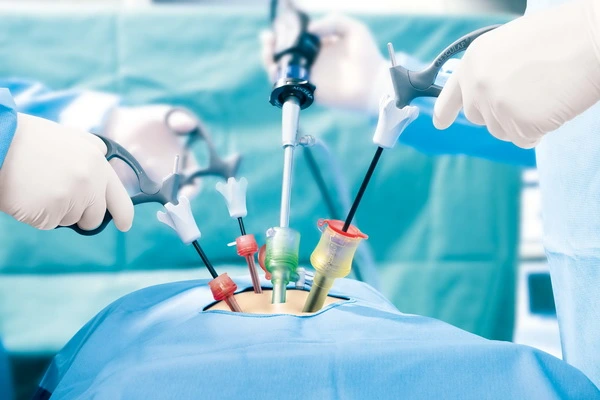
- Microsurgical varicocelectomy — gold standard, highest success rate
- Laparoscopic varicocele repair
- Percutaneous embolisation
2. Abnormal Sperm Production — Oligospermia, Asthenospermia, Azoospermia
Problems with sperm production and quality are the second most common cause of male infertility. These include:
- Oligospermia: Low sperm count (less than 15 million sperm per mL)
- Asthenospermia: Poor sperm motility (less than 32% progressively motile sperm)
- Teratospermia: Abnormal sperm morphology (less than 4% normal forms)
- Azoospermia: Complete absence of sperm in ejaculate — affects 1% of all men and 10–15% of infertile men
Causes of abnormal sperm production include:
- Genetic conditions: Klinefelter syndrome (XXY), Y-chromosome microdeletions
- Undescended testes (cryptorchidism) in childhood — if untreated, significantly impairs sperm production
- Mumps orchitis — viral infection of the testes
- Radiation or chemotherapy exposure
- Excessive heat exposure (prolonged sitting, saunas, tight clothing)
- Lifestyle factors: Smoking, alcohol, anabolic steroid use, obesity
Diagnosis and Treatment:
- Semen analysis is the cornerstone diagnostic test — performed at Jain Surgical Hospital
- Genetic testing for Klinefelter syndrome or Y-chromosome deletions where indicated
- Lifestyle modification — stopping smoking and alcohol can improve sperm quality within 3 months
- Antioxidant therapy: Vitamin C, E, CoQ10, zinc supplementation
- For azoospermia: Surgical sperm retrieval (TESA, PESA, micro-TESE) for IVF/ICSI
3. Hormonal Imbalances and Endocrine Disorders
The hypothalamic-pituitary-gonadal (HPG) axis controls sperm production. Any disruption causes hypogonadism and impaired fertility. This accounts for 8–10% of male infertility cases.
Common hormonal causes:
- Hypogonadotropic hypogonadism: Low LH and FSH from the pituitary lead to insufficient testosterone and sperm production
- Hyperprolactinaemia: Elevated prolactin suppresses testosterone
- Hypothyroidism and hyperthyroidism: Thyroid disorders affect sperm motility and morphology
- Anabolic steroid abuse: Exogenous testosterone suppresses natural hormone production and can cause azoospermia
Treatment:
- Gonadotropin therapy (FSH/LH injections): Highly effective for hypogonadotropic hypogonadism — pregnancy rates of 50–80% in suitable patients
- Clomiphene citrate or tamoxifen: For idiopathic oligospermia with low testosterone
- Bromocriptine/cabergoline: For hyperprolactinaemia
- Thyroid hormone replacement for hypothyroidism
Other Important Causes of Male Infertility
Obstructive Azoospermia
Sperm are produced normally but cannot exit due to blockage in the vas deferens or epididymis. Causes include:
- Previous vasectomy (reversible)
- Congenital absence of the vas deferens (CAVD) — associated with CFTR gene mutations
- Post-infective obstruction from chlamydia or gonorrhoea
Surgical reconstruction or sperm retrieval (PESA/TESA) combined with IVF/ICSI offers excellent outcomes.
Lifestyle and Environmental Factors
Often overlooked but significantly impactful:
- Obesity: Reduces testosterone and increases scrotal temperature
- Smoking: Reduces sperm count by 22% on average (WHO 2023 data)
- Alcohol: High intake reduces testosterone production
- Chronic stress: Elevates cortisol, suppressing HPG axis
- Pesticide and chemical exposure: Endocrine disruptors in agriculture and industry
When to Seek Male Infertility Treatment in Kota
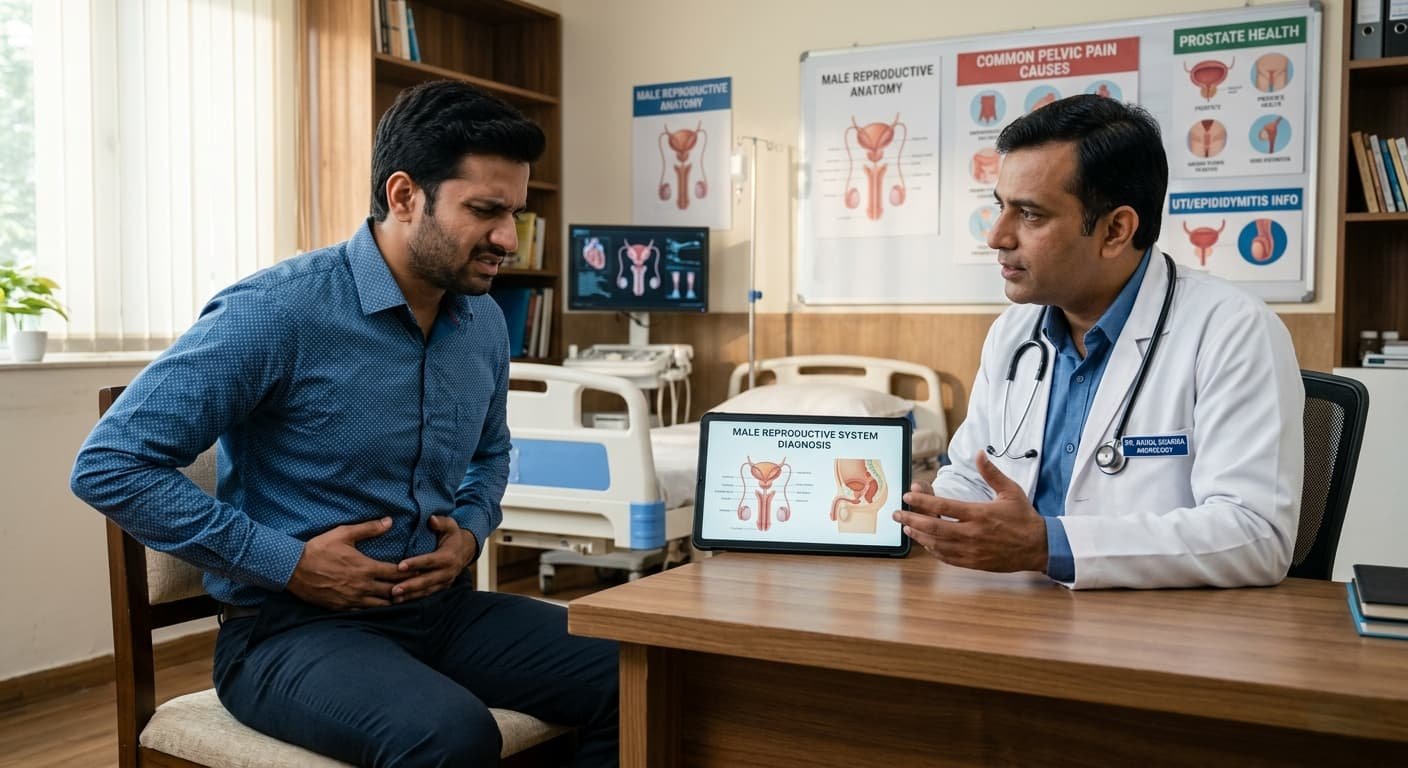
See an andrologist in Kota or infertility specialist in Kota if:
- You have been trying to conceive for 12+ months without success
- You have a known history of varicocele, undescended testes, or testicular injury
- Your semen analysis shows abnormalities
- You experience erectile dysfunction or ejaculation problems
Frequently Asked Questions (FAQ)
Q1 : Can male infertility be cured?
Q2: How is male infertility diagnosed?
Expert Male Infertility Care at Jain Surgical Hospital, Kota
Our dedicated andrologist in Kota and infertility specialist team provide confidential, compassionate, evidence-based care for all aspects of male infertility. From diagnosis to surgical and medical treatment, Jain Surgical Hospital is Kota’s comprehensive male fertility centre.
Jain Surgical Hospital | 559, Sector-A, Shrinath Puram, Kota, Rajasthan | +91 9799617999 | jainsurgicalhospital.in
Reach us at: Jain Surgical Hospital