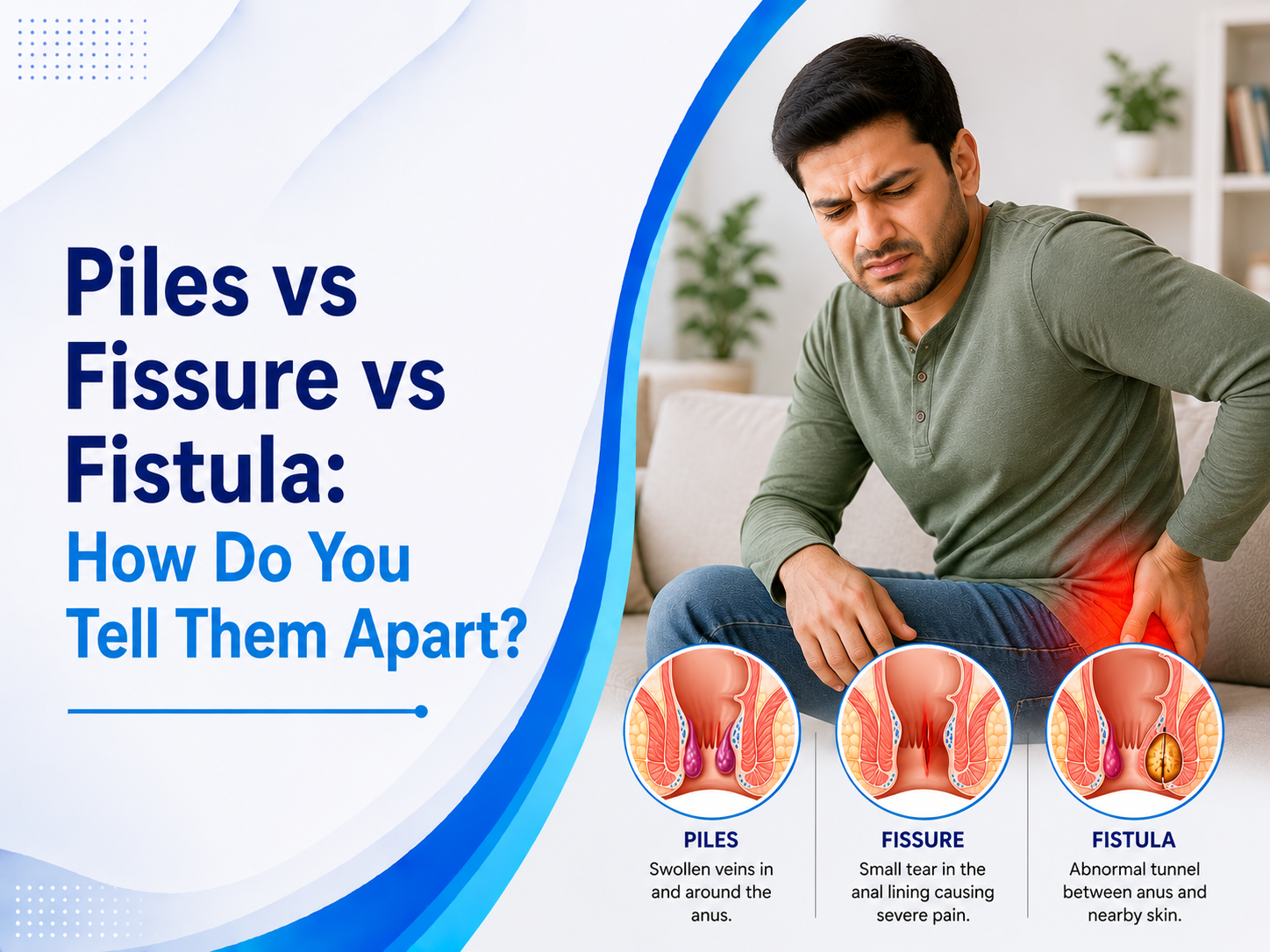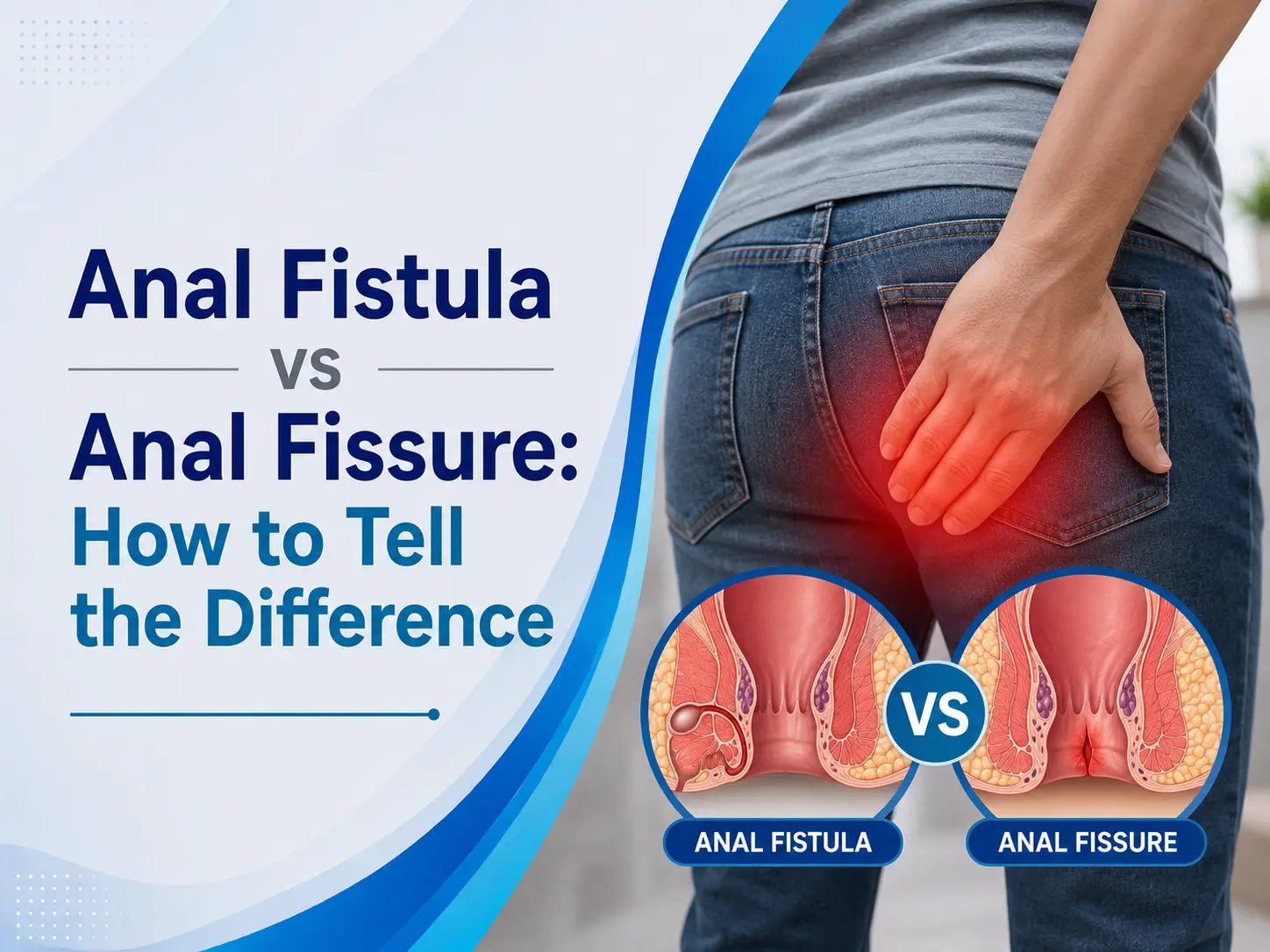


An anal fissure is a small tear in the lining of the anus that causes intense pain and bleeding during bowel movements. While fissure treatment in Kota typically involves medication, dietary changes, and sometimes surgery, targeted exercises can significantly aid healing and prevent recurrence. The best exercises for fissures are those that relax the anal sphincter, improve circulation, and promote healthy bowel habits.
Understanding Anal Fissures: Why Exercise Matters
Anal fissures are often caused by constipation, hard stools, and excessive straining. The internal anal sphincter goes into spasm after a fissure forms, reducing blood supply and preventing healing. Exercise breaks this cycle by:
- Reducing constipation through improved bowel motility
- Releasing sphincter spasm through targeted relaxation techniques
- Improving blood circulation to the anal region
- Reducing stress — a significant contributor to constipation and fissure persistence
According to a 2025 review in the International Journal of Colorectal Disease, patients who combined pelvic floor exercises with medical treatment for anal fissures showed 40% faster healing compared to medication alone.
The Best Exercises for Anal Fissure Healing
1. Walking
Regular brisk walking is one of the best overall exercises for fissure patients:
- Stimulates intestinal peristalsis, preventing constipation
- Improves blood flow to the entire pelvic region
- Reduces stress hormones that contribute to bowel dysfunction
- Low impact — does not strain the anal region
Aim for 20–30 minutes of brisk walking daily. Even short 10-minute walks after meals significantly improve bowel regularity.
2. Yoga Poses for Anal Fissure
Certain yoga poses are particularly beneficial for fissure patients:
- Pawanmuktasana (Wind-Relieving Pose): Relieves gas, stimulates bowel movement, reduces constipation
- Vajrasana (Diamond Pose): Aids digestion when practised after meals
- Malasana (Squat Pose): Mimics natural squatting posture, relaxing the anal sphincter and making defecation easier
- Setu Bandhasana (Bridge Pose): Strengthens pelvic muscles and improves pelvic circulation
- Balasana (Child’s Pose): Relieves anal sphincter tension and reduces stress
Practise these under guidance if you are new to yoga. Avoid any pose that causes direct pressure on the anal region during an acute fissure episode.
3. Deep Breathing and Relaxation Exercises
Stress worsens anal sphincter spasm. Diaphragmatic breathing:
- Activates the parasympathetic (rest and digest) nervous system
- Reduces cortisol levels that contribute to constipation
- Directly relaxes pelvic floor tension
Practise 10 minutes of slow, deep belly breathing twice daily for best results.
4. Swimming (For Chronic Fissure Patients)
Once acute pain subsides, swimming is excellent as it provides gentle, full-body exercise without any impact on the pelvic floor. It improves circulation and promotes regular bowel habits.
Exercises to AVOID If You Have an Anal Fissure
- Heavy weight lifting: Increases intra-abdominal pressure and worsens fissure symptoms
- Cycling: Direct pressure on the anal region aggravates pain and delays healing
- High-intensity running or jumping: Can increase straining and pelvic floor tension
- Sit-ups and crunches: Increase intra-abdominal pressure
Exercise + Diet: A Combined Approach
Exercise alone is insufficient without dietary support. Patients at Jain Surgical Hospital receiving fissure treatment in Kota are counselled to:
- Consume 25–35g of dietary fibre daily
- Drink 2–3 litres of water
- Use fibre supplements (ispaghula/psyllium husk) if dietary fibre is inadequate
- Avoid spicy, processed, and low-fibre foods
When Is Surgery Needed for Fissures?
If exercises and conservative fissure treatment in Kota — including topical creams, botulinum toxin injections, or calcium channel blockers — do not heal the fissure within 6–8 weeks, surgical intervention may be needed. Jain Surgical Hospital offers:
- Lateral Internal Sphincterotomy (LIS): Gold standard surgery for chronic anal fissure
- Laser fissure treatment: Minimally invasive option for suitable patients
- Advancement flap procedures: For complex cases
Frequently Asked Questions (FAQ)
Q1: Can exercises cure an anal fissure?
A: Exercises — particularly Kegel exercises and yoga — can significantly aid healing of acute fissures and prevent recurrence. Chronic fissures may still require medical fissure treatment in Kota. Consult a fissure doctor in Kota for a personalised treatment plan.
Q2: How long does an anal fissure take to heal?
A: Acute fissures typically heal within 4–8 weeks with lifestyle changes and medical treatment. Chronic fissures lasting more than 8 weeks may require surgical intervention at a fissure hospital in Kota like Jain Surgical Hospital.
Q3: Is walking good for fissures?
A: Yes. Walking 20–30 minutes daily is among the best exercises for fissure patients — it improves bowel regularity, reduces constipation, and promotes circulation to the anal region.
Expert Fissure Care at Jain Surgical Hospital, Kota
Jain Surgical Hospital is the best proctology hospital in Kota for comprehensive anal fissure treatment. Our proctology specialists combine medical management, lifestyle counselling, and — when needed — advanced surgical techniques to ensure complete, lasting relief.
Jain Surgical Hospital 559, Sector-A, Shrinath Puram, Kota, Rajasthan | +91 9799617999 | jainsurgicalhospital.in
Reach us at: Jain Surgical Hospital