
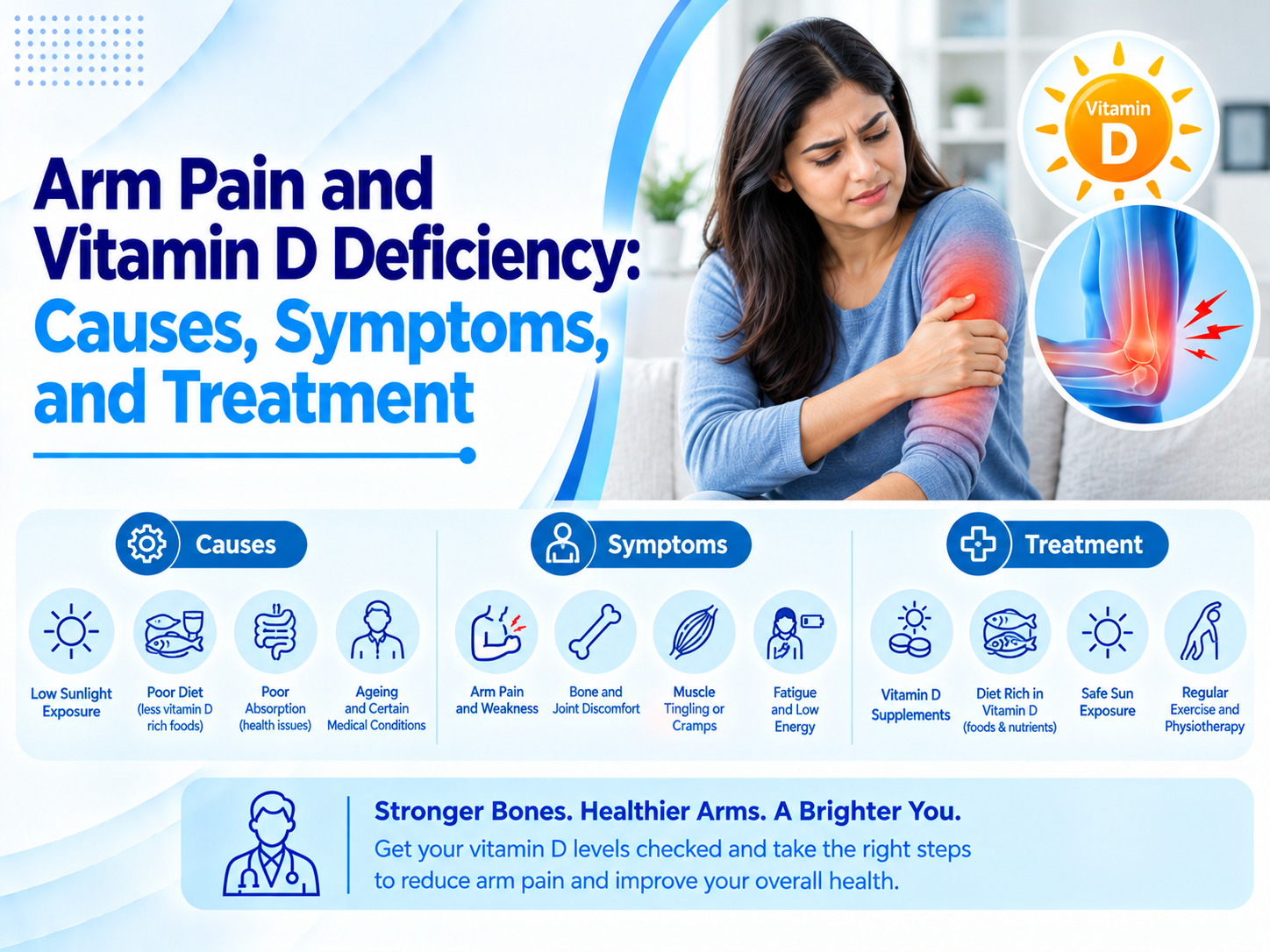
Yes, low vitamin D can cause arm pain. Without enough vitamin D, the body cannot absorb calcium properly, which can lead to aching bones, tender muscles, and weakness in the arms and shoulders. Arm pain and vitamin D deficiency are often linked, yet many people never connect the two. At Jain Surgical Hospital, a trusted hospital in Kota, patients get a thorough evaluation to find the real reason behind persistent arm pain. This guide explains the causes, symptoms, and treatment options in simple language.
How Are Arm Pain and Vitamin D Deficiency Connected?
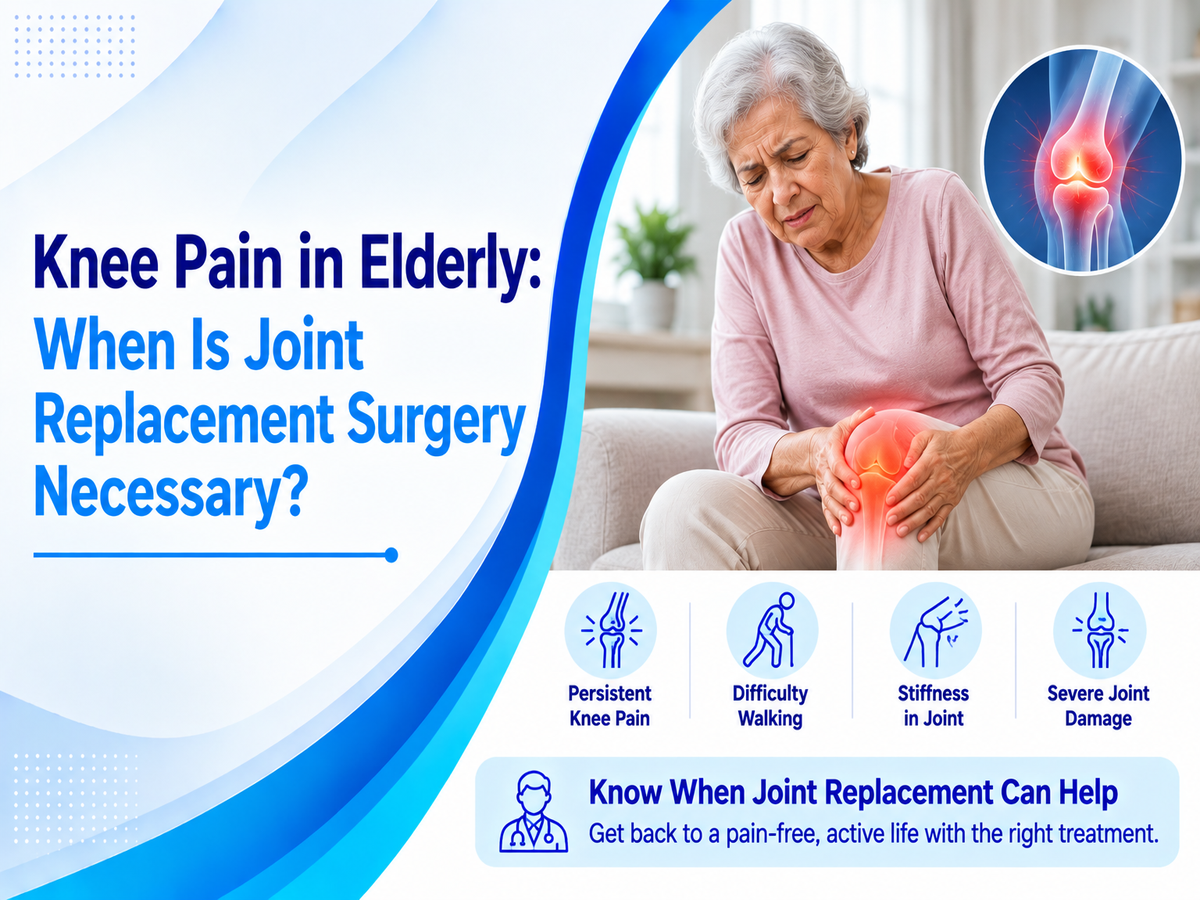
Vitamin D helps the body absorb calcium and phosphorus, two minerals that keep bones strong and muscles working well. When vitamin D levels drop, bones can become soft and tender, and muscles may ache or feel weak. In adults, this bone-softening condition is called osteomalacia.
The pain often appears as a deep, dull ache in the upper arm, shoulder, or forearm. It tends to be constant and may worsen with activity. Because it feels like a pulled muscle or arthritis, it is easy to misdiagnose.
Seeing an orthopedic doctor in Kota helps confirm whether your arm pain comes from low vitamin D or from a bone, joint, or nerve problem.
What Causes Vitamin D Deficiency?

Vitamin D deficiency is surprisingly common, even in sunny regions. Common causes include:
- Limited sun exposure: Working indoors, wearing covering clothing, or using heavy sunscreen reduces vitamin D production in the skin
- Darker skin tone: More melanin means the skin makes less vitamin D from sunlight
- Poor diet: Few dairy products, fish, or fortified foods in daily meals
- Poor absorption: Conditions affecting the gut, liver, or kidneys can block vitamin D use
- Age: Older adults make less vitamin D and often spend more time indoors
- Obesity: Body fat can trap vitamin D and lower the amount available to the body
Understanding the cause helps doctors plan the right treatment instead of guessing.
Symptoms of Vitamin D Deficiency in the Arms and Body
Many people with mild deficiency feel nothing at all. When symptoms do appear, they usually build slowly. Common signs include:
- Aching or tender bones in the upper arm, shoulder, or forearm
- Muscle pain, cramps, or weakness in the arms
- Difficulty lifting objects or raising the arms overhead
- Back, hip, or leg pain
- Tiredness and low energy
- Low mood or frequent illness
- Tingling or numb sensations in the hands
These symptoms are not unique to vitamin D deficiency. That is why a blood test and proper examination matter more than self-diagnosis.
When Arm Pain Is Not Vitamin D Deficiency
Arm pain has many possible causes, so it is important not to assume low vitamin D is always the answer. Other common causes include:
- Muscle strain or overuse
- Tendon problems such as tendonitis
- Shoulder or elbow joint conditions
- Pinched nerve in the neck or arm
- Arthritis
- Fractures or old injuries
Pain that is sharp, starts suddenly after an injury, or comes with swelling and limited movement needs an orthopedic check-up rather than supplements alone.
Warning: Arm Pain That Needs Emergency Care
Some arm pain signals a medical emergency. Seek urgent help immediately if arm pain, especially in the left arm, comes with:
- Chest pain, pressure, or tightness
- Shortness of breath
- Sweating, nausea, or dizziness
- Pain spreading to the jaw or back
These can be signs of a heart problem, not a vitamin deficiency. Never wait or self-treat in such situations.
Who Is Most at Risk of Arm Pain and Vitamin D Deficiency?
Some groups are more likely to develop arm pain and vitamin D deficiency together. These include office workers who spend most of the day indoors, older adults, people with darker skin, and those with limited dairy or fish in their diet.
Women after menopause and people with long-term kidney, liver, or gut conditions also face a higher risk. If you fall into any of these groups and have ongoing aches, a simple vitamin D test is worth discussing with your doctor.
How Is Vitamin D Deficiency Diagnosed?
Doctors begin by asking about your symptoms, diet, sun exposure, and medical history. A simple blood test measures your vitamin D level and confirms whether you are deficient.
| Diagnostic Step | Purpose |
| Physical Examination | Checks arm movement, tenderness, and muscle strength |
| Vitamin D Blood Test | Measures vitamin D level in the blood |
| Calcium and Phosphorus Tests | Checks mineral balance linked to bone health |
| X-ray or Bone Scan | Assesses bone structure if bone pain is severe |
A visit to an established orthopedic hospital in Kota gives you access to blood tests and imaging in one place, so the cause of your arm pain is not left unclear.
Treatment for Arm Pain Caused by Vitamin D Deficiency
Treatment focuses on restoring healthy vitamin D levels. The main steps include:
- Vitamin D supplements: Doctors prescribe the right dose based on your blood level. Food alone is usually not enough to correct a true deficiency
- Calcium support: Often added to help bones rebuild
- Sunlight exposure: Short, sensible time in morning sun can help
- Vitamin D-rich foods: Fatty fish, eggs, and fortified milk or cereals
- Gentle exercise: Weight-bearing activity supports bone and muscle strength
Please do not start high-dose supplements on your own. Too much vitamin D can cause its own problems, so your doctor should guide the dose and duration.
How Long Does It Take for Arm Pain to Improve?
Many people notice better energy and less muscle pain within a few weeks of starting treatment. Bone pain can take longer to settle, sometimes a few months, since bones need time to rebuild.
Follow-up blood tests help your doctor check whether your levels are improving. If arm pain continues even after vitamin D levels return to normal, another cause is likely, and further orthopedic evaluation is needed.
Simple Daily Habits to Prevent Vitamin D Deficiency
Prevention is easier than treatment. Helpful habits include:
- Spend 15 to 20 minutes in sunlight a few times a week, as advised by your doctor
- Include fish, eggs, and fortified foods in your meals
- Get your vitamin D level checked if you work indoors or have risk factors
- Stay physically active to protect bone and muscle health
- Take supplements only when recommended
These small steps protect your bones, muscles, and long-term joint health.
Why Choose Jain Surgical Hospital for Arm and Bone Pain
Persistent arm pain deserves a proper diagnosis, not guesswork. Jain Surgical Hospital offers experienced doctors, modern diagnostic facilities, and a patient-first approach for bone, joint, and muscle concerns.
As one of the best hospitals in Kota, the team explains every test and treatment plan in clear language. Whether your arm pain is linked to vitamin D deficiency or another orthopedic condition, you receive a plan designed around your health and daily routine.
Frequently Asked Questions
1. Can vitamin D deficiency really cause arm pain?
Yes. Low vitamin D can cause bone tenderness and muscle aches, which may be felt in the upper arm, shoulder, or forearm.
2. Which vitamin D level is considered deficient?
Doctors interpret results based on your overall health and symptoms, so your report should always be reviewed by a doctor rather than judged by a number alone.
3. How long should I take vitamin D supplements?
Duration depends on how low your level is and how you respond. Your doctor will usually recheck your level after a few months and adjust the plan.
4. Can I treat vitamin D deficiency with food alone?
Food helps, but it is usually not enough to correct a true deficiency. Supplements prescribed by a doctor are often needed along with diet and sunlight.
5. When should I see an orthopedic doctor for arm pain?
See a doctor if arm pain lasts more than a few weeks, follows an injury, limits movement, or comes with swelling or weakness.
Book Your Orthopedic Consultation Today
Do not ignore arm pain that keeps coming back. A simple test and a proper examination can reveal whether vitamin D deficiency or another condition is behind it. Visit Jain Surgical Hospital, a trusted name for orthopedic care in Kota, and consult an experienced doctor who can guide you to the right treatment. Book your appointment today and take the first step toward pain-free movement.