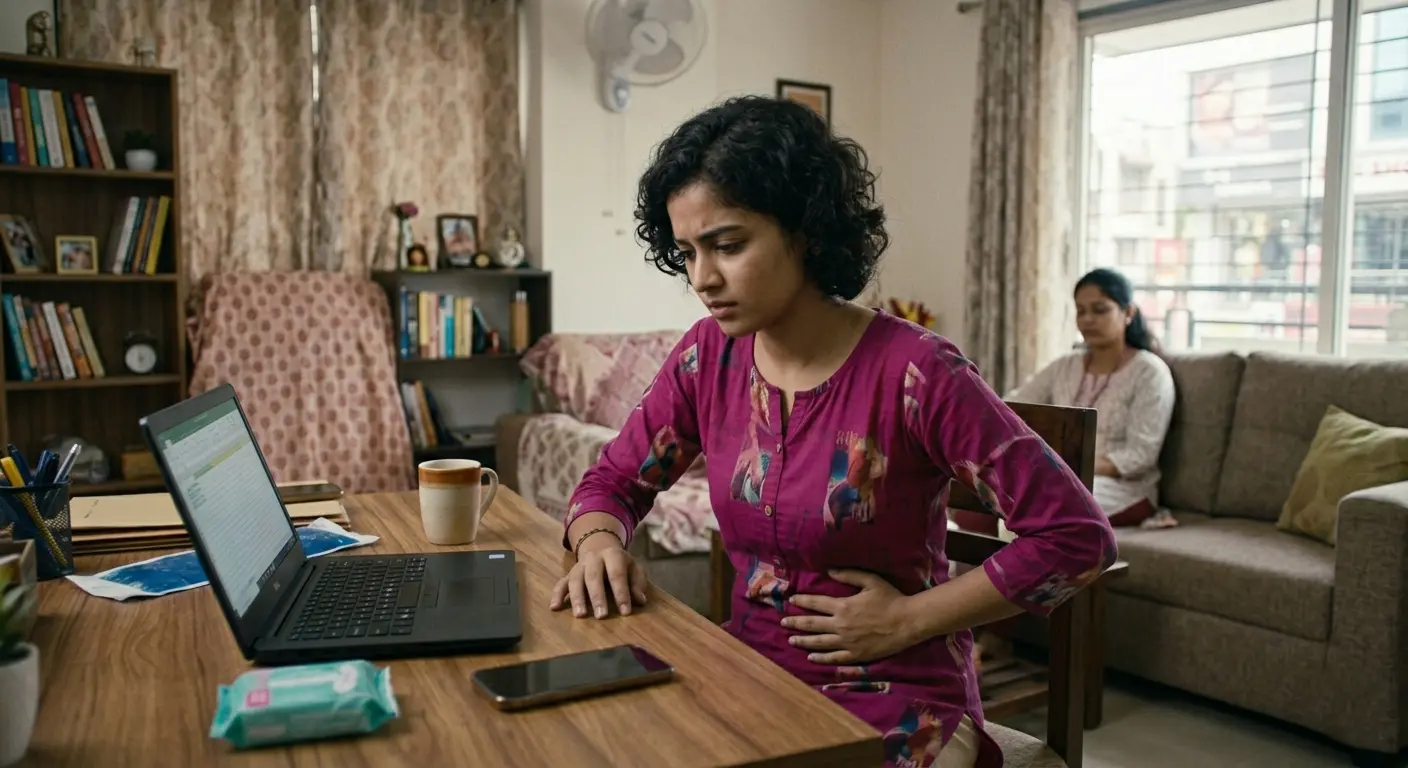


Frequent urination means needing to pass urine more often than usual, such as more than eight times a day or waking up several times at night. It is not a disease on its own. It is a sign that something is affecting your bladder, prostate, or body fluids, from simple causes like too much tea to conditions like infection or diabetes. At Jain Surgical Hospital, a trusted hospital in Kota, patients get a careful check-up to find the real reason behind this common problem. This guide explains what it means, why it happens, and how to stop it.
What Counts as Frequent Urination?
Most healthy adults pass urine about 6 to 8 times a day. The number varies with how much you drink, the weather, and your age. Going more often than your usual pattern, without drinking more, deserves attention.
Doctors also separate frequency from urgency. Frequency means going often. Urgency means a sudden, strong need to go that is hard to delay.
Waking at night to urinate is called nocturia. Needing to wake once is common with age, but waking two or more times regularly should be checked by a urologist in Kota.
Common Causes of Frequent Urination

Many different conditions can lead to frequent urination. The most common include:
- Drinking more fluids: Large amounts of water, tea, or coffee
- Caffeine and alcohol: Both act as bladder irritants and increase urine
- Urinary tract infection (UTI): Bacteria irritate the bladder lining
- Diabetes: High blood sugar pulls extra water into the urine
- Overactive bladder: The bladder muscle contracts too often
- Enlarged prostate in men: The gland presses on the urine tube
- Pregnancy: Hormones and the growing baby press on the bladder
- Medicines: Water pills (diuretics) increase urine output
- Bladder stones or inflammation: Cause irritation and a constant urge
- Anxiety and stress: Can make you feel the need to go more often
Finding the exact cause is key, since treatment depends on it.
Frequent Urination With Burning: Think Infection First
If you feel burning, pain, or cloudy urine along with frequent trips to the bathroom, a urinary tract infection is a likely cause. UTIs are common, especially in women, because the female urethra is shorter.
Treatment is usually a short course of antibiotics after a urine test. Drinking enough water helps flush out bacteria, but it does not replace medicine if infection is present.
Untreated infections can spread to the kidneys, so do not delay seeing a doctor.
Frequent Urination With Thirst: Check for Diabetes
When blood sugar is high, the kidneys work harder to remove the extra sugar, pulling more water into the urine. This leads to passing large amounts of urine and feeling very thirsty.
Other signs include tiredness, blurred vision, slow-healing wounds, and unexplained weight loss. A simple blood sugar test can confirm the diagnosis. Controlling blood sugar usually reduces urination.
Frequent Urination in Men: The Prostate Connection
In men, an enlarged prostate is one of the most common reasons for frequent urination, especially after age 50. The prostate surrounds the urine tube, so as it grows, it blocks the flow and stops the bladder from emptying completely.
Typical signs include a weak stream, straining, dribbling, and waking at night. Prostate infection and a narrowed urine tube can cause similar symptoms.
Consulting the best urologist in Kota helps separate these conditions, since each needs a different treatment.
Frequent Urination in Women: Common Triggers
Women commonly experience frequent urination because of UTIs, pregnancy, overactive bladder, and weak pelvic floor muscles. Hormonal changes around menopause can also irritate the bladder and urinary tract.
Women who notice leaking, sudden urges, or pain should speak to a doctor rather than assume it is normal. Many of these issues are very treatable.
Quick Guide: Cause, Clues and Treatment
| Possible Cause | Typical Clues | Common Treatment |
| UTI | Burning, cloudy or smelly urine | Antibiotics after testing |
| Diabetes | Extreme thirst, tiredness, weight loss | Blood sugar control |
| Overactive bladder | Sudden urges, possible leaks | Bladder training, medicines |
| Enlarged prostate | Weak stream, night-time urination | Medicines or procedures |
| Pregnancy | Missed period, or pressure on the bladder in late pregnancy | Usually settles after delivery |
| Medicines | Started after a new tablet | Doctor may adjust medication |
When to See a Doctor for Frequent Urination
Occasional increase in urination is not always serious. However, see a doctor if you notice:
- Pain or burning when urinating
- Blood in the urine or red, brown, or cloudy urine
- Extreme thirst or unexplained weight loss
- Trouble starting urination or a weak stream
- Leaking or loss of bladder control
- Waking multiple times each night
- Symptoms that interfere with sleep or daily life
Seek urgent care if you cannot pass urine, or have fever with back or side pain. These can signal a serious infection or blockage.
How Is Frequent Urination Diagnosed?
A doctor begins by asking about your drinking habits, medicines, and symptoms. You may be asked to keep a bladder diary for a few days, noting how much you drink and how often you pass urine.
Common tests include:
- Urine test to check for infection or blood
- Blood tests, including blood sugar
- Ultrasound of the bladder and kidneys
- Urine flow test
- Prostate check in men
- Cystoscopy, a thin camera test, when needed
A best urology hospital Kota patients rely on should offer these tests in one place so you get answers quickly.
How to Stop Frequent Urination: Simple Lifestyle Steps
Many people improve with small daily changes:
- Cut back on caffeine and alcohol: Especially in the evening
- Avoid bladder irritants: Spicy foods, carbonated drinks, and artificial sweeteners
- Time your fluids: Drink more earlier in the day and less before bedtime
- Try bladder training: Slowly increase the time between bathroom visits
- Strengthen pelvic floor muscles: Practice Kegel exercises daily
- Maintain a healthy weight: Extra weight puts pressure on the bladder
- Manage blood sugar: If you have diabetes, follow your treatment plan
- Quit smoking: Smoking irritates the bladder
Do not cut water drastically. Dehydration makes urine more concentrated and can irritate the bladder further.
Medical Treatment Options
If lifestyle changes are not enough, treatment depends on the cause:
- Antibiotics for infections
- Medicines to relax an overactive bladder
- Prostate medicines to improve urine flow in men
- Diabetes control with medicines and diet
- Procedures or surgery for stones, strictures, or a severely enlarged prostate
Timely urology treatment Kota patients can access helps prevent complications such as repeated infections, bladder damage, and poor sleep.
Can Frequent Urination Be Prevented?
You cannot prevent every cause, but healthy habits lower your risk:
- Drink enough water, but not excessive amounts
- Limit caffeine and alcohol
- Treat infections early
- Do pelvic floor exercises
- Manage diabetes and blood pressure
- Do not hold urine for long periods
- Get regular check-ups after age 40 or 50
Why Choose Jain Surgical Hospital for Urology Care
Frequent urination can disturb sleep, work, and confidence. Jain Surgical Hospital offers a private, respectful setting where patients can discuss urinary problems openly and receive clear explanations.
As one of the best hospitals in Kota, the team focuses on finding the root cause, explaining every option in simple language, and planning treatment that fits your health and lifestyle.
Frequently Asked Questions
1. How many times a day is considered frequent urination?
Most adults pass urine about 6 to 8 times a day. Going more than eight times, or much more often than your usual pattern, may be considered frequent.
2. Can drinking too much water cause frequent urination?
Yes. Large amounts of fluids, especially tea, coffee, or alcohol, increase urine output. If frequency continues when you drink normally, see a doctor.
3. Is frequent urination a sign of diabetes?
It can be, especially with extreme thirst, tiredness, and weight loss. A simple blood sugar test can confirm whether diabetes is the cause.
4. Why do I wake up at night to urinate?
Common reasons include drinking fluids late, an enlarged prostate, overactive bladder, diabetes, and some medicines. Waking two or more times regularly should be checked by a doctor.
5. When should I see a urologist for frequent urination?
See a urologist if you have pain, blood in urine, a weak stream, leaking, or symptoms that disturb sleep and daily life. Seek emergency care if you cannot pass urine.
Book Your Urology Consultation Today
You do not have to live with constant bathroom trips. A simple check-up can uncover the cause and bring lasting relief. Visit Jain Surgical Hospital, a trusted name for urology care in Kota, and consult an experienced urologist who can guide your diagnosis and treatment. Book your appointment today and take the first step toward better bladder health and better sleep.