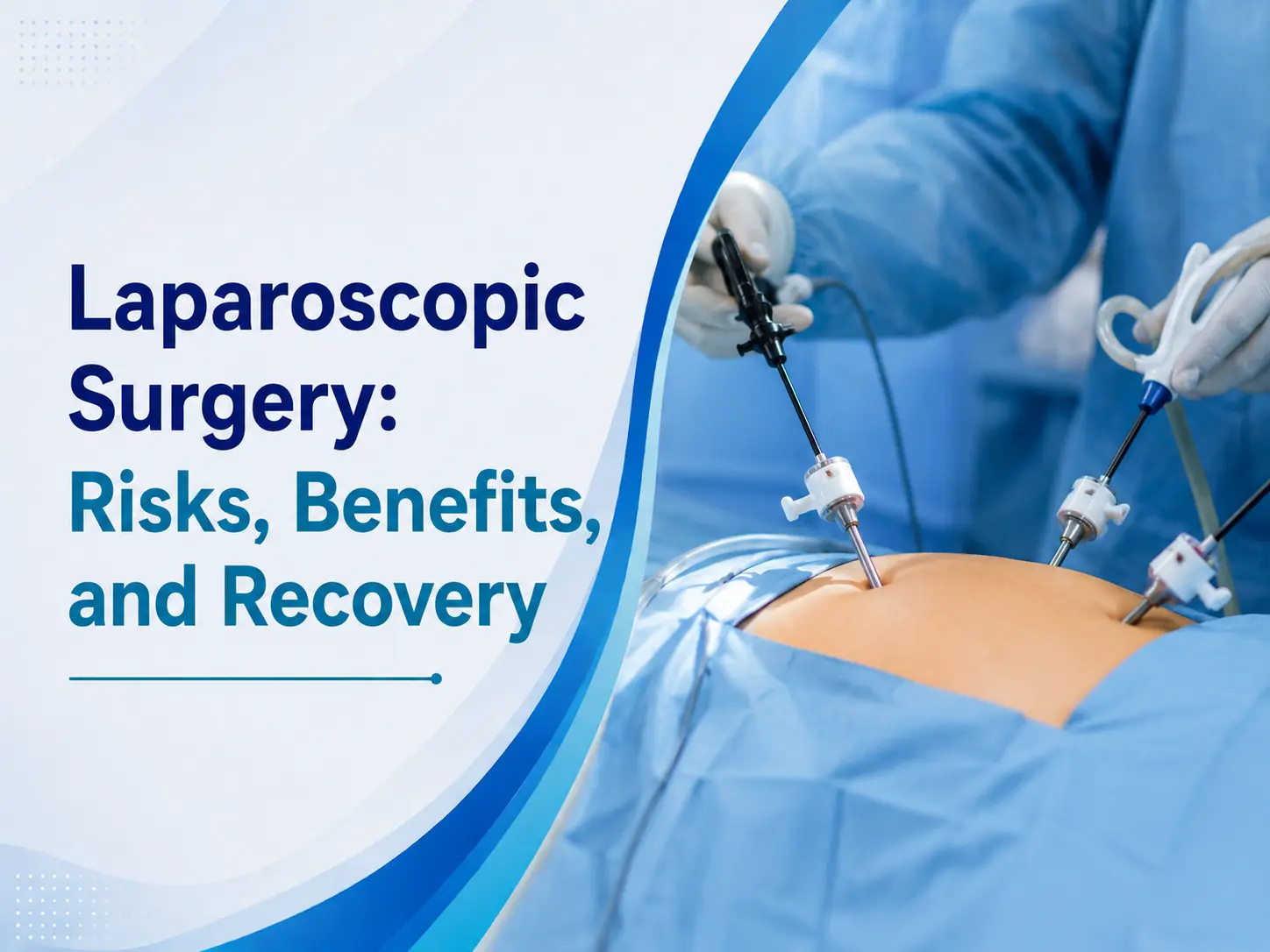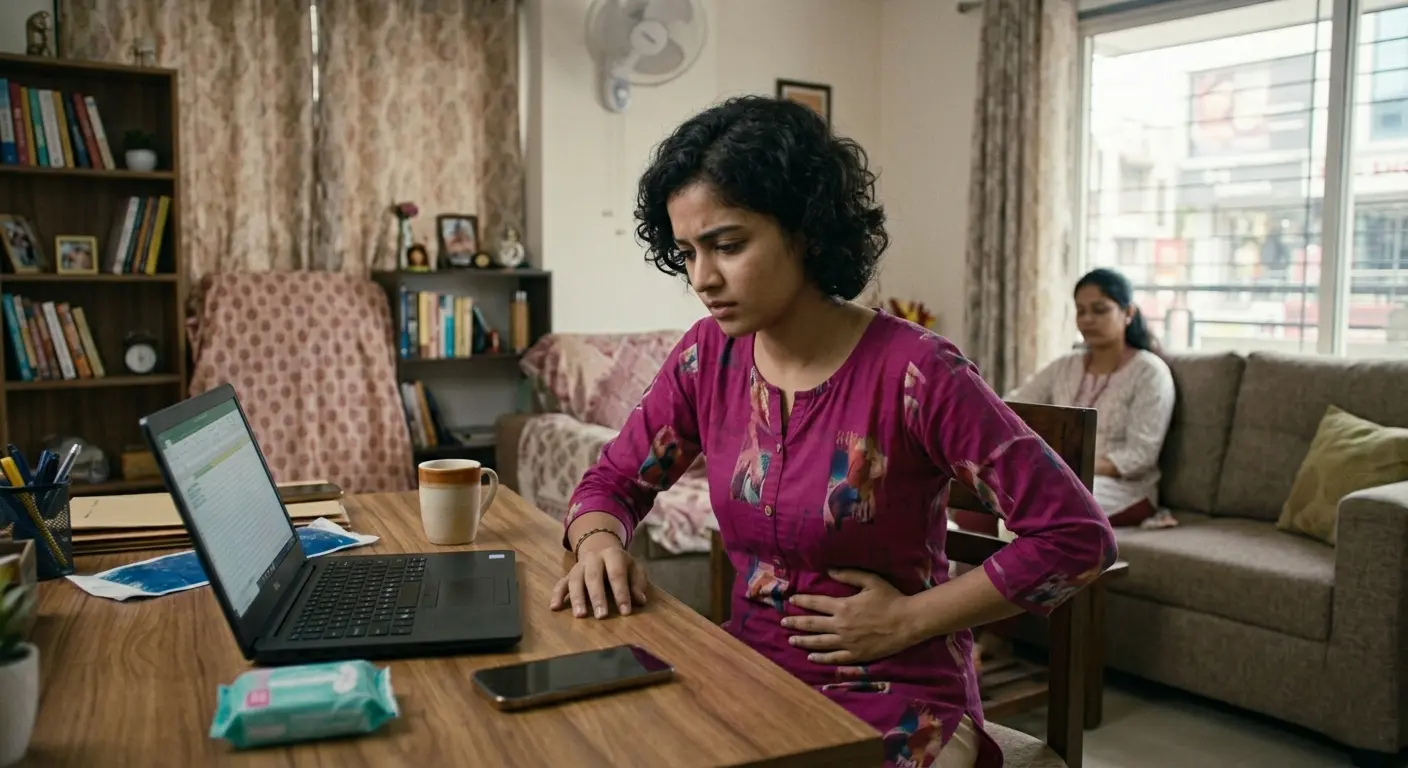

Piles, Fissure & Fistula Treatment is a topic many people avoid discussing until the discomfort becomes impossible to ignore. These three anorectal conditions are common, treatable, and nothing to feel embarrassed about, yet delayed consultation remains one of the biggest reasons patients experience prolonged pain and complications.
This guide explains the warning signs of each condition and, more importantly, helps you understand exactly when home care is no longer enough and a doctor’s visit becomes necessary.
Understanding Piles, Fissures, and Fistulas
Before deciding when to seek help, it is useful to understand what each condition actually involves, since they affect the same general area but in very different ways.
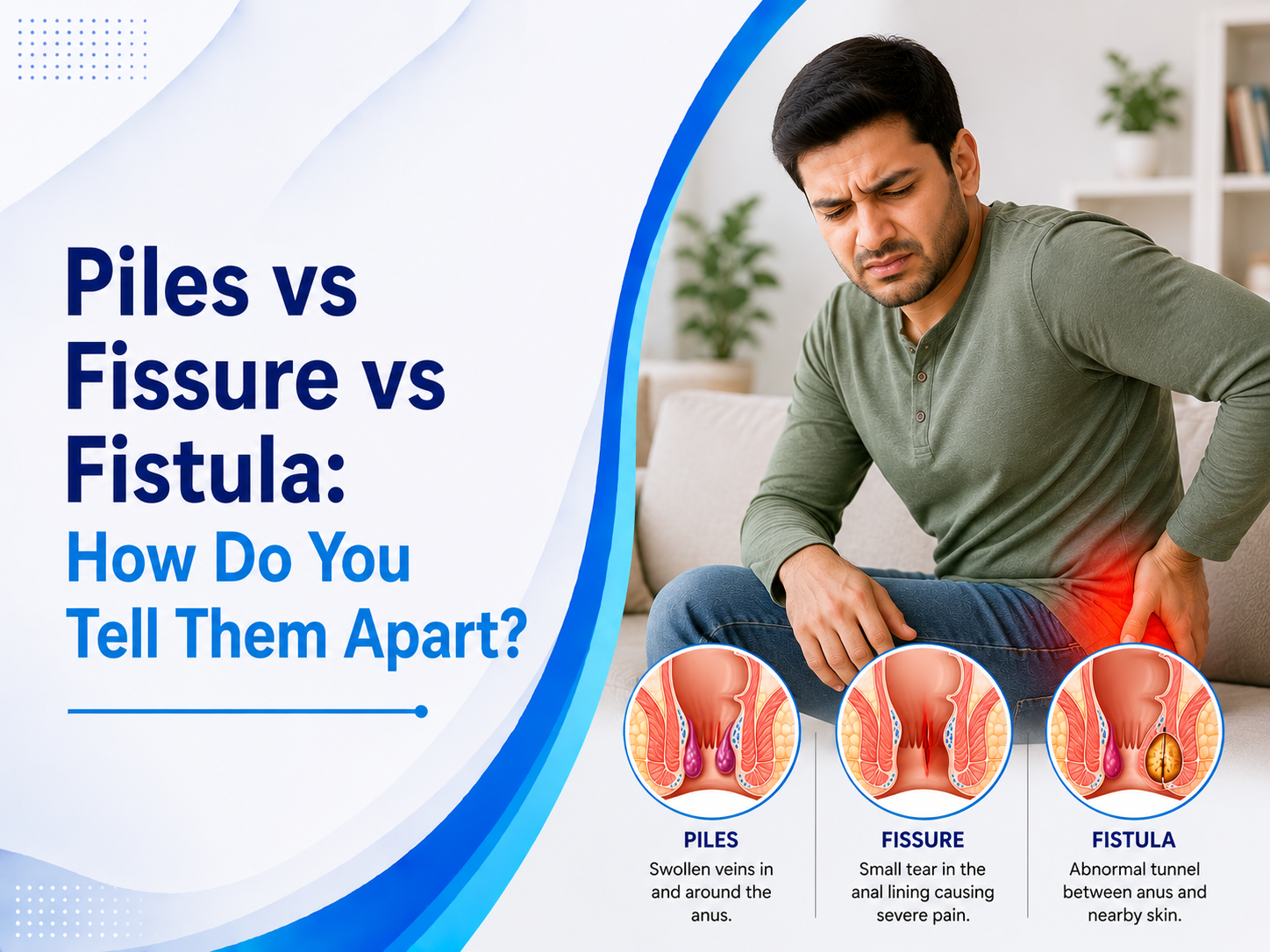
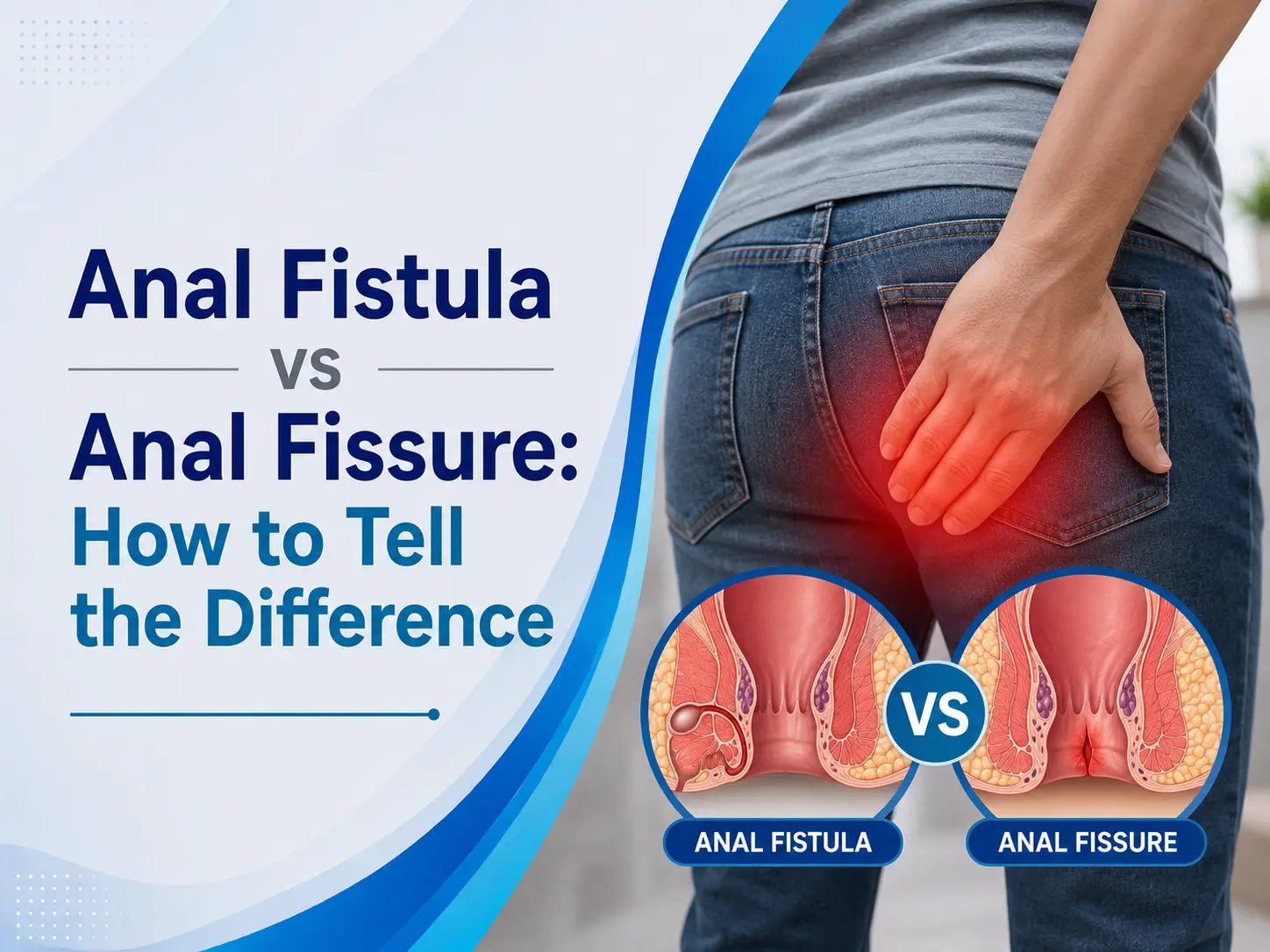
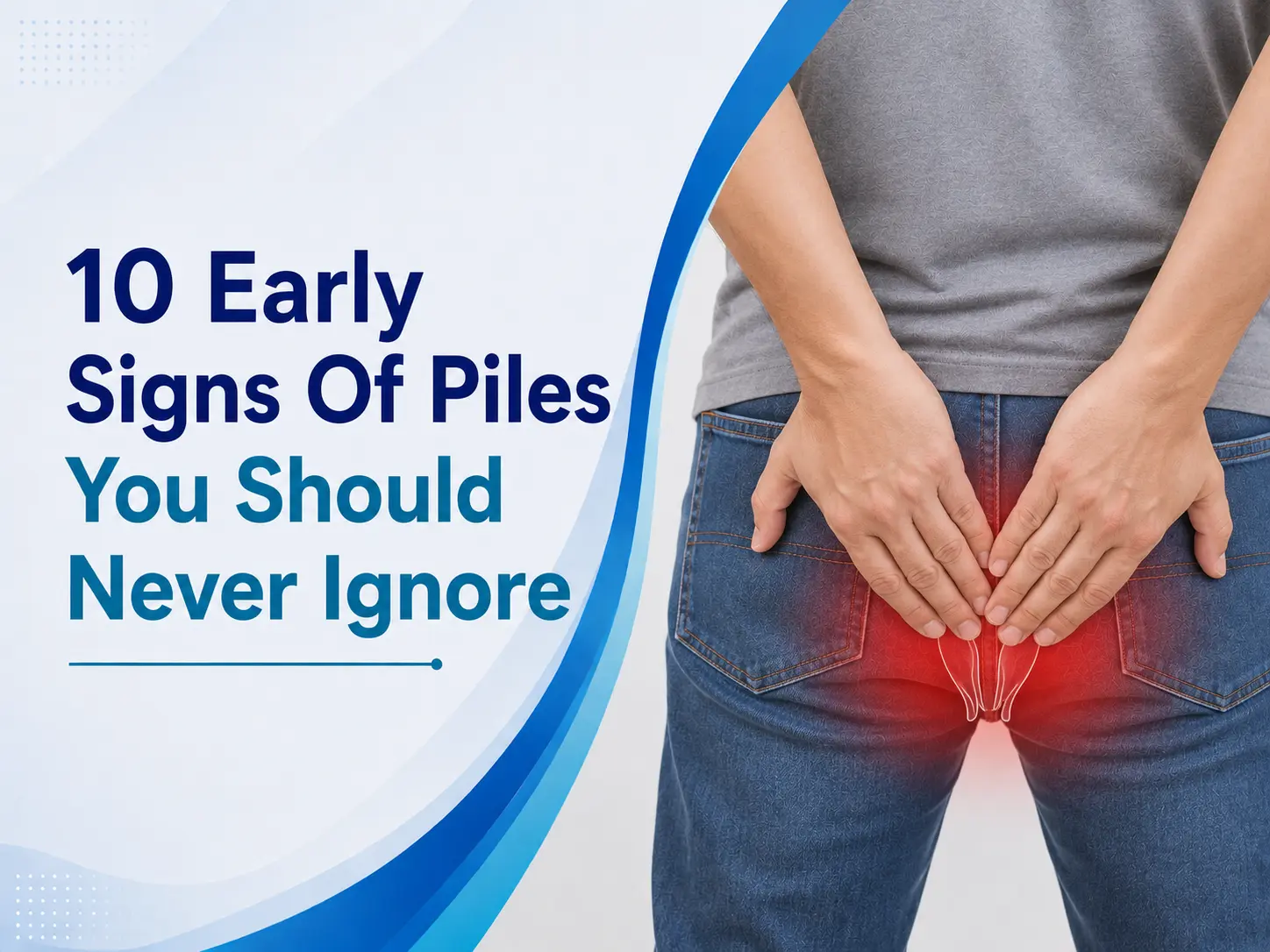
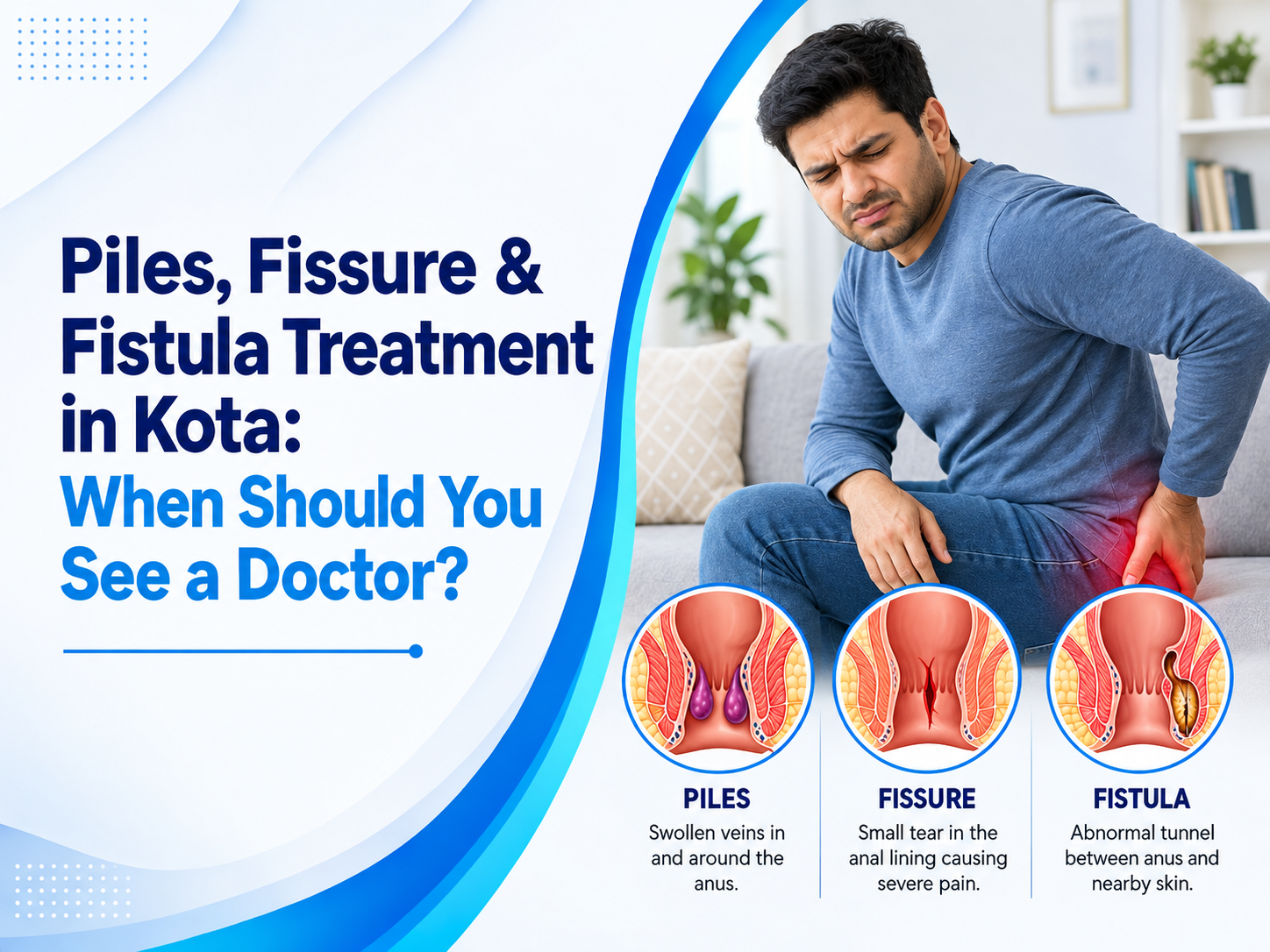
Piles, or hemorrhoids, are swollen veins inside or around the anus, often caused by straining or prolonged pressure on the lower rectum. A fissure is a small tear in the lining of the anal canal, usually resulting from passing hard stools. A fistula is an abnormal tunnel that forms between the anal canal and the skin outside, typically developing after an untreated abscess.
Early Symptoms That Are Easy to Overlook
Many patients dismiss early symptoms as minor or temporary, which often allows the condition to progress further before treatment begins. Common early signs include:
- Mild itching or irritation around the anus
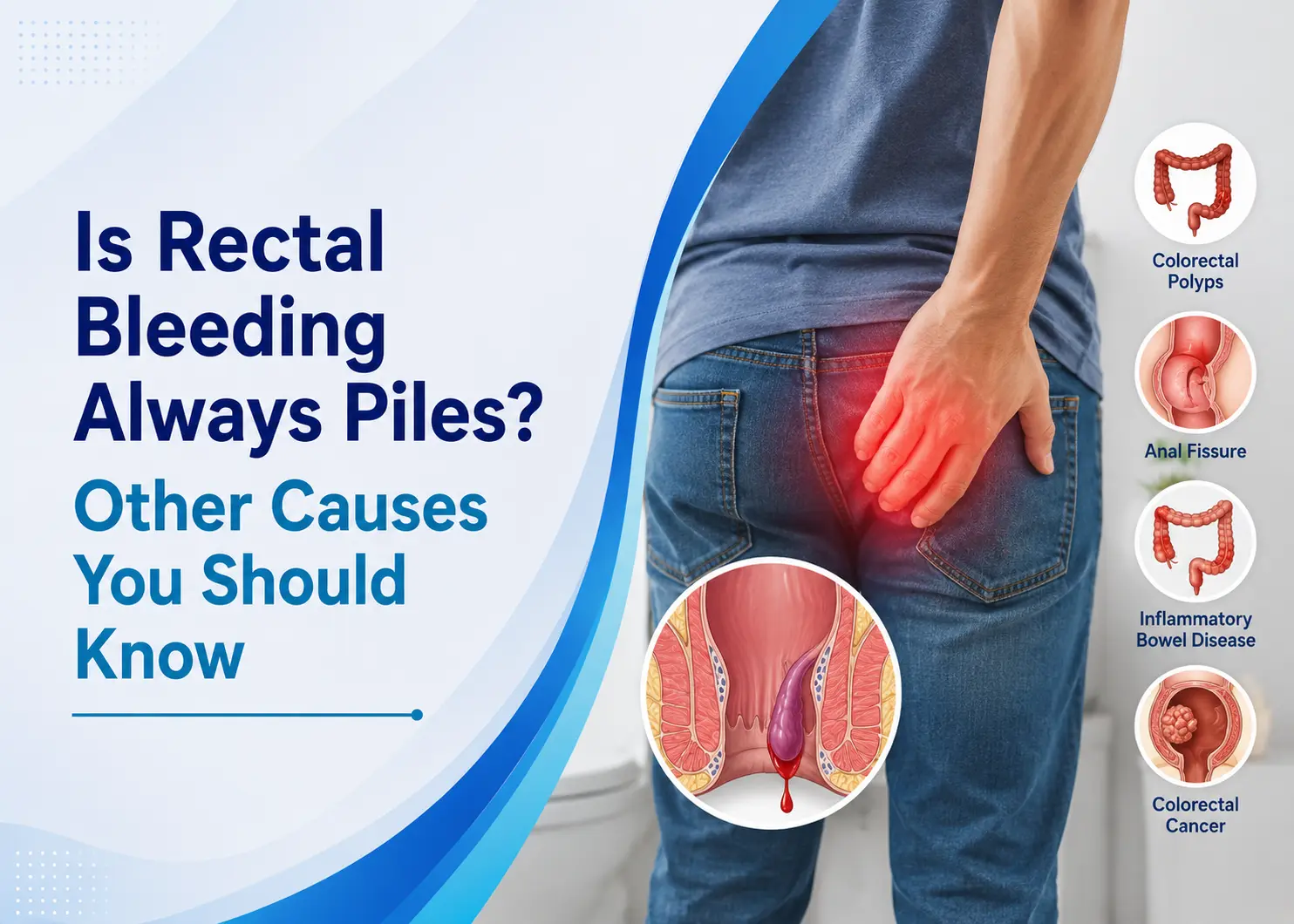
- Occasional light bleeding, especially after passing stool
- A vague sense of fullness or pressure in the rectal area
- Slight discomfort that seems to come and go
- Minor changes in bowel habits without an obvious cause
While these symptoms can feel easy to brush aside, they are often the earliest indicators that something needs medical attention before it becomes more painful or complex to treat.
Warning Signs You Should Not Ignore
Certain symptoms signal that a condition has progressed beyond what home care alone can manage. If you notice any of the following, it is time to consult a specialist rather than wait.
- Persistent or heavy bleeding during bowel movements
- Sharp, intense pain during or after passing stool
- A lump near the anus that does not go away or continues to grow
- Pus, blood, or foul-smelling discharge from an opening near the anus
- Fever, chills, or a general feeling of being unwell alongside anal pain
- Pain that continues even when you are not passing stool
Discharge and fever in particular often point toward a fistula, while sharp cutting pain with bleeding is more typical of a fissure, and painless bleeding with swelling usually suggests piles.
When Is It Time to See a Doctor?
Many people wait far too long before seeking medical care for anorectal symptoms, often due to embarrassment or the hope that things will simply resolve on their own. However, certain situations call for prompt medical evaluation.
- Symptoms that last longer than a week despite home remedies
- Bleeding that is heavy, frequent, or increasing over time
- Pain severe enough to interfere with daily activities or sleep
- Any signs of infection, including discharge, fever, or spreading redness
- A lump that continues to enlarge or becomes hard and very tender
- Recurring symptoms after a previous diagnosis or treatment
Seeking care early not only prevents complications but often means a wider range of simpler, less invasive treatment options remain available.
Diagnostic Process: How Doctors Identify the Right Condition
Since symptoms often overlap, a proper clinical evaluation is essential before starting treatment. At Jain Surgical Hospital, our diagnostic approach typically includes:
- A detailed symptom history and physical examination
- A digital rectal exam to assess swelling, tears, or abnormal openings
- Proctoscopy or anoscopy for a closer internal view of the anal canal
- Imaging tests, such as MRI or fistulography, when a fistula’s exact path needs to be mapped
This structured evaluation ensures that treatment is based on an accurate diagnosis rather than guesswork, which significantly improves outcomes.
Piles Treatment in Kota: What to Expect
Effective piles treatment in Kota depends on the severity of the condition at the time of diagnosis. Mild cases often respond well to dietary changes, increased fibre intake, and topical treatments, while more advanced piles may require procedures such as rubber band ligation, sclerotherapy, or laser hemorrhoidectomy.
Most patients see significant improvement once the correct grade and severity of their piles is identified, which is why an accurate initial evaluation matters more than trying multiple over-the-counter remedies first.
Treatment for Fissure in Kota: Options That Work
Treatment for fissure in Kota generally begins with conservative measures aimed at relaxing the anal sphincter and allowing the tear to heal naturally. This typically includes fibre supplements, warm sitz baths, and topical ointments designed to ease muscle spasm.
For fissures that become chronic and do not heal with these measures, a minor surgical procedure called lateral sphincterotomy may be recommended. This approach has a high success rate and significantly reduces the pain associated with long-standing fissures.
Fistula Treatment in Kota: A More Involved Process
Unlike piles and fissures, a fistula rarely heals on its own and almost always requires some form of procedural intervention. Fistula treatment in Kota may involve a fistulotomy, seton placement for more complex tracts, or laser-based fistula treatment for a less invasive, muscle-sparing approach.
The right procedure depends heavily on the location, depth, and complexity of the fistula tract, which is why imaging and careful surgical planning are especially important for this condition compared to the other two.
Why Delaying Treatment Often Makes Things Worse
Postponing care for anorectal conditions rarely makes them go away on their own. A minor fissure left untreated can become chronic and require surgery, while an untreated abscess can develop into a complex fistula requiring more extensive treatment.
Similarly, piles that are ignored can progress from mild internal swelling to painful, prolapsed hemorrhoids that are far more difficult to manage conservatively. Early intervention consistently leads to simpler treatment, faster recovery, and a lower chance of recurrence.
What Happens During Your First Consultation
Understanding what to expect can make that first appointment feel far less intimidating. Your doctor will ask about your symptoms, bowel habits, and any relevant medical history before conducting a physical examination.
Most initial consultations are quick and far less uncomfortable than patients anticipate, and your doctor will explain any further tests needed before recommending a treatment plan. Being open and specific about your symptoms helps your doctor reach an accurate diagnosis more quickly.
Choosing the Right Hospital for Your Care
When symptoms point toward one of these conditions, choosing a facility experienced in anorectal care becomes especially important for both accurate diagnosis and comfortable treatment. A hospital that offers the full range of options, from simple lifestyle guidance to advanced surgical care, allows your treatment to be tailored precisely to your condition rather than following a generic protocol.
A Trusted Name Among Hospitals in Kota Rajasthan
Among the well-regarded hospitals in Kota Rajasthan, Jain Surgical Hospital has built a strong reputation specifically for managing anorectal conditions with both clinical precision and genuine patient sensitivity. Our team understands that these symptoms can feel uncomfortable to discuss, and we prioritise a respectful, judgment-free consultation experience.
Frequently Asked Questions
1. How do I know if my symptoms are piles, a fissure, or a fistula?
Painless bleeding with swelling usually points to piles, sharp pain during bowel movements suggests a fissure, and persistent discharge with fever indicates a fistula. However, a proper clinical examination is the only reliable way to confirm the exact condition.
2. Can these conditions heal without any medical treatment?
Very mild cases of piles or fissures sometimes improve with diet and lifestyle changes alone, but this is not guaranteed. Fistulas almost never heal without a procedure, since the tunnel structure does not close on its own.
3. Is surgery always required for these conditions?
No, many cases of piles and fissures are managed successfully without surgery, especially when caught early. Fistulas are the exception, as they typically require some form of procedural or surgical treatment for a full resolution.
4. How painful is the treatment for these conditions?
Modern treatment options, including laser-based procedures, involve significantly less pain than older surgical techniques. Most patients manage post-treatment discomfort well with standard pain relief measures.
5. How soon should I see a doctor after noticing symptoms?
It is best to consult a doctor within one to two weeks if symptoms do not improve with basic home care, and immediately if you notice fever, heavy bleeding, or a rapidly growing lump. Early evaluation almost always leads to simpler, more effective treatment.
Conclusion
Recognising when Piles, Fissure & Fistula Treatment is needed comes down to paying attention to warning signs like persistent bleeding, worsening pain, discharge, or fever, rather than waiting for symptoms to resolve on their own. Early consultation not only leads to more comfortable treatment but also significantly lowers the risk of complications down the line.
If you are experiencing any of these symptoms and are unsure what they mean, do not wait for the discomfort to worsen. Book a consultation with the specialists at Jain Surgical Hospital today for an accurate diagnosis and a treatment plan suited to your specific condition.