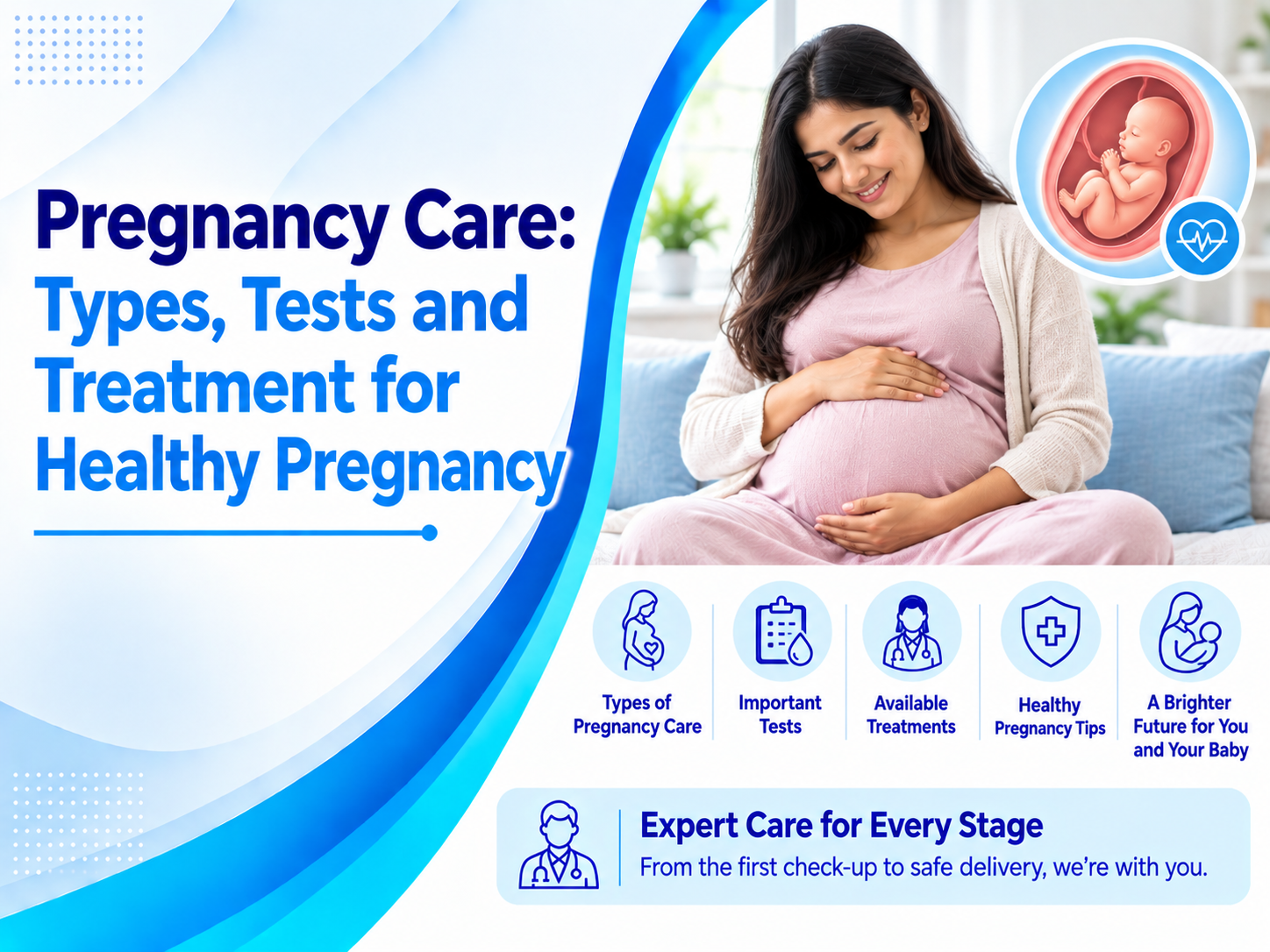

Good nutrition in pregnancy and lactation means eating a balanced, nutrient-rich diet that supports your health, your baby’s growth, and healthy milk production. You do not need to “eat for two.” You need better food choices, a few extra calories, and key nutrients like folic acid, iron, calcium, and protein. At Jain Surgical Hospital, a trusted hospital in Kota, expecting and new mothers receive practical, personalised diet guidance alongside their medical care. This guide explains exactly what to eat, what to avoid, and why it matters.
Why Nutrition in Pregnancy and Lactation Matters
What you eat becomes the building material for your baby’s brain, bones, and organs. A healthy diet also lowers the risk of anemia, low birth weight, and complications such as gestational diabetes.
After delivery, your body keeps working hard. Breastfeeding uses extra energy and nutrients, so your diet continues to shape both your recovery and your baby’s early growth.
Many women look for the best hospital for pregnancy in Kota because they want care that covers more than check-ups, including nutrition counselling from the very first visit.
How Many Extra Calories Do You Really Need?
Most healthy women need only about 300 to 500 extra calories a day, mainly during the second and third trimesters and while breastfeeding. This is roughly one small, healthy meal, not a second full plate.
Your exact needs depend on your pre-pregnancy weight, activity level, and whether you are carrying one baby or more. Use your extra calories on nutritious foods such as:
- A bowl of dal with a roti
- Curd with fruit and nuts
- A handful of roasted chana or peanuts
- A glass of milk with a banana
- Vegetable poha or upma with sprouts
Gaining weight within the range your doctor advises is healthy. Too little or too much weight gain can both cause problems.
Key Nutrients for a Healthy Pregnancy
Some nutrients need extra attention. The table below shows what they do and where to find them.
| Nutrient | Why You Need It | Good Food Sources |
| Folic acid (folate) | Protects baby’s brain and spine development | Green leafy vegetables, beans, citrus fruits, fortified cereals |
| Iron | Prevents anemia and supports blood supply | Spinach, lentils, jaggery, dates, meat, eggs |
| Calcium | Builds baby’s bones and protects your bones | Milk, curd, paneer, ragi, sesame seeds |
| Protein | Supports growth of baby and tissues | Dal, eggs, fish, chicken, soy, nuts |
| Iodine | Supports brain development | Iodised salt, dairy, seafood |
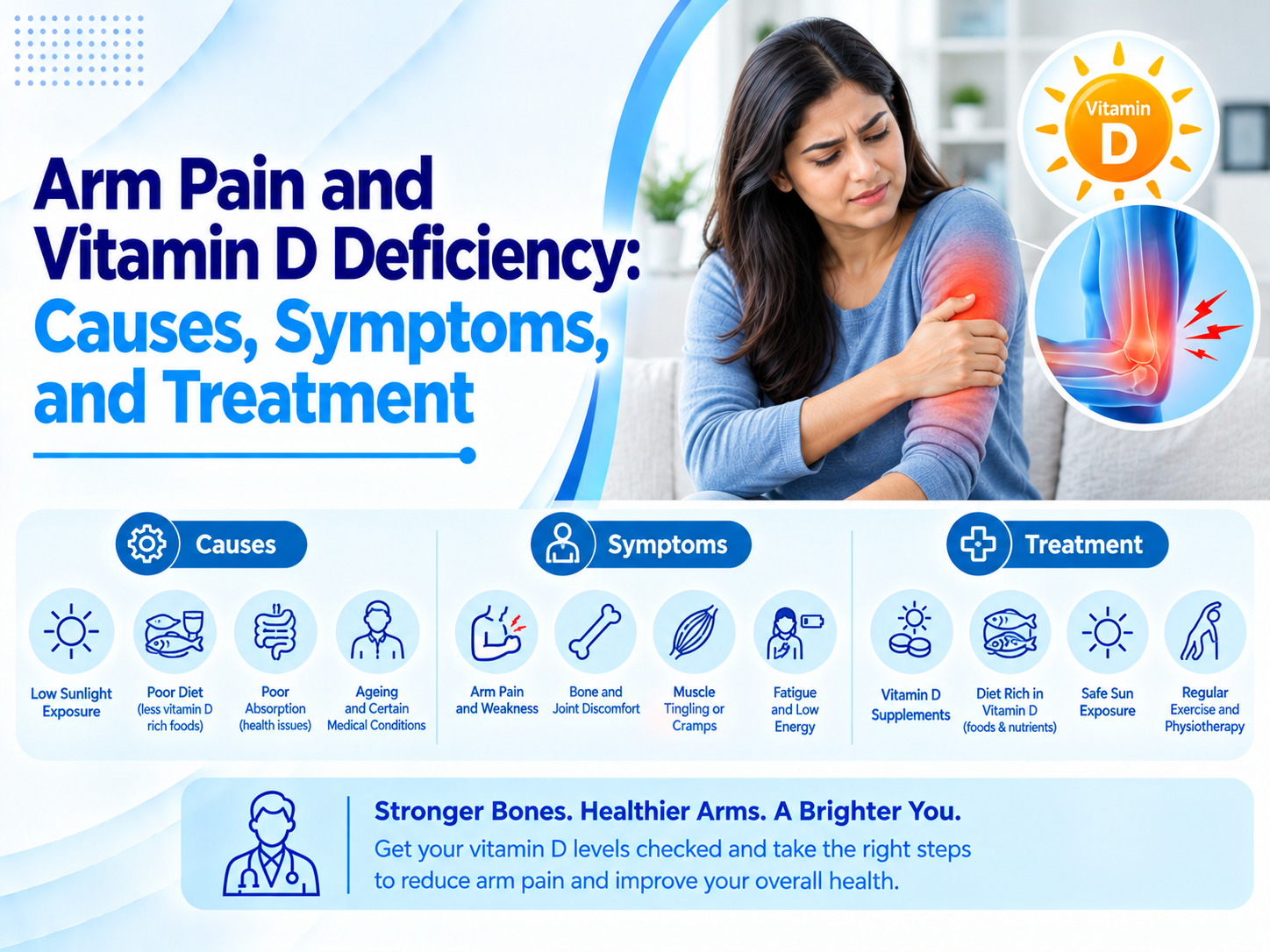
| Vitamin D | Helps absorb calcium | Sunlight, eggs, fortified milk |
| Omega-3 fats | Supports baby’s brain and eyes | Fish, walnuts, flaxseeds |
Folic acid is especially important before conception and in the first weeks of pregnancy, when the baby’s brain and spine form. Doctors commonly advise at least 400 micrograms a day at this stage.
Nutrition in the Three Trimesters
Your needs change as the pregnancy progresses.
First trimester: Focus on folic acid, hydration, and small, frequent meals if you feel nauseous. Plain foods like toast, rice, or bananas can help. Calorie needs rarely rise much at this stage.
Second trimester: Appetite usually improves. Add extra protein, calcium, and iron as your baby grows quickly and your blood volume increases.
Third trimester: Eat smaller meals more often, since the growing baby presses on the stomach. Keep up calcium, iron, and protein, and drink plenty of fluids.
Foods to Avoid or Limit During Pregnancy
Some foods can carry bacteria or substances that are harmful to the baby. Avoid or limit the following:
- Raw or undercooked meat, fish, and eggs
- Unpasteurised milk and soft cheeses made from it
- Fish high in mercury, such as shark and king mackerel
- Raw or unripe papaya, which is commonly advised against in pregnancy
- Alcohol, which has no safe amount in pregnancy
- Excess caffeine, usually kept under about 200 mg a day, or roughly one to two cups of coffee
- Unwashed fruits and vegetables
- Heavily processed and sugary snacks
Always check with your doctor about any herbal remedies or supplements, since “natural” does not always mean safe in pregnancy.
Tips to Manage Common Pregnancy Diet Problems
Everyday issues can make eating harder. These simple steps often help:
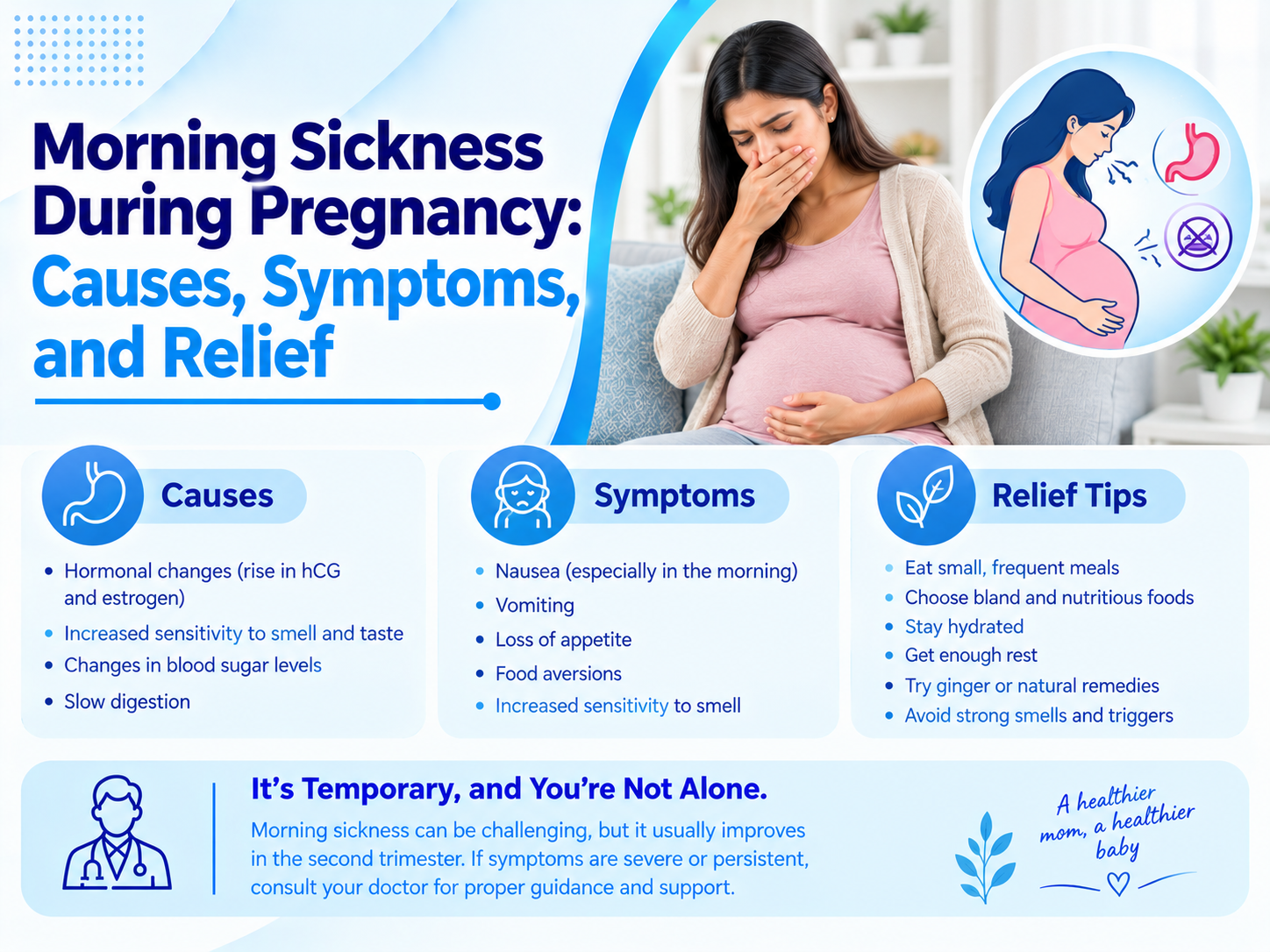
- Nausea: Eat small meals, sip ginger tea, and avoid strong smells
- Heartburn: Avoid spicy or oily food and do not lie down right after eating
- Constipation: Add fiber from fruits, vegetables, and whole grains, and drink enough water
- Cravings: Enjoy them in moderation, and balance them with healthy meals
- Low appetite: Choose nutrient-dense snacks like nuts, milk, and fruit
If vomiting is severe or you cannot keep food down, speak to your gynecologist promptly.
Prenatal Supplements: What You Should Know
A healthy diet is the foundation, but supplements often fill the gaps. Doctors commonly prescribe iron and folic acid, and sometimes calcium and vitamin D, based on your blood tests.
Please do not self-prescribe or take high doses without advice. Too much of some vitamins, such as vitamin A, can be harmful. Vegetarians and vegans may also need vitamin B12, so discuss this with your doctor.
Consulting the best gynecologist in Kota ensures your supplement plan matches your test results and health history, rather than a generic routine.
Nutrition During Lactation: Feeding Yourself While Feeding Your Baby
Breastfeeding mothers need extra energy, protein, and fluids to produce milk and recover from childbirth. Most women need around 300 to 500 extra calories a day, along with enough calcium, iron, and fluids.
Helpful habits include:
- Drink water or other fluids regularly, especially while nursing
- Eat a variety of vegetables, fruits, whole grains, and protein foods
- Continue iron, calcium, and other supplements as advised by your doctor
- Include healthy fats such as nuts, seeds, and fish
- Limit caffeine and avoid alcohol
There is no single “milk-boosting” food. A balanced diet, enough rest, and frequent feeding are what support a healthy milk supply.
Foods That Support Postpartum Recovery
After delivery, your body needs nourishment to heal. Include iron-rich foods to replace blood loss, protein for tissue repair, and fiber to ease digestion.
Warm, home-cooked meals with dal, vegetables, whole grains, eggs, and dairy are excellent choices. Traditional postpartum foods can be part of your diet, as long as they are balanced and prepared hygienically.
Sample One-Day Meal Plan
This simple plan shows how to build balanced meals:
- Early morning: Warm milk with soaked almonds
- Breakfast: Vegetable paratha or poha with curd
- Mid-morning: A seasonal fruit
- Lunch: Roti, dal, green vegetable, salad, and rice
- Evening snack: Roasted chana or a handful of nuts
- Dinner: Khichdi or roti with paneer or egg curry and vegetables
- Bedtime: A glass of milk
Adjust portions and food choices to your doctor’s advice, any medical conditions, and your cultural preferences.
Why Choose Jain Surgical Hospital for Maternity Care
Nutrition is one part of a healthy pregnancy journey, along with regular check-ups, tests, and timely treatment. Jain Surgical Hospital offers experienced doctors and a caring, patient-first approach for expecting and new mothers.
As one of the best hospitals in Kota, the team explains each step in plain language, and families looking for the best maternity hospital in Kota find a supportive setting from the first visit through delivery and postnatal care.
Frequently Asked Questions
1. Do I really need to eat for two during pregnancy?
No. You need only a modest increase in calories, mostly in the second and third trimesters. Focus on nutritious foods rather than larger portions.
2. Which vitamins are most important during pregnancy?
Folic acid, iron, calcium, vitamin D, and iodine are among the most important. Your doctor will recommend supplements based on your needs and test results.
3. Can I drink tea or coffee while pregnant or breastfeeding?
Yes, in moderation. Most guidelines suggest keeping caffeine under about 200 mg a day, which is roughly one to two cups of coffee.
4. What should I eat to improve breast milk supply?
There is no magic food. Eat a balanced diet, drink enough fluids, rest well, and breastfeed often, since frequent feeding drives milk production.
5. When should I speak to a doctor about my diet during pregnancy?
Speak to your gynecologist if you have severe nausea, poor weight gain, anemia symptoms, gestational diabetes, or any special dietary needs such as a vegetarian or vegan diet.
Book Your Pregnancy Nutrition Consultation Today
Every mother’s needs are different, and a personalised plan makes the biggest difference. If you are pregnant, planning a pregnancy, or breastfeeding, get expert guidance on what to eat for you and your baby. Visit Jain Surgical Hospital, a trusted name for maternity care in Kota, and consult an experienced gynecologist who can guide your diet and health. Book your appointment today and start your journey with confidence.