
Advanced laparoscopic surgery techniques allow surgeons to treat many conditions through tiny cuts instead of one large incision. Patients usually experience less pain, smaller scars, and a faster return to normal life. At Jain Surgical Hospital, a trusted hospital in Kota, the focus is on giving patients safer, gentler surgical options and the knowledge to choose them with confidence. This guide explains how these techniques work, which conditions they treat, and what recovery looks like.
What Is Laparoscopic Surgery?
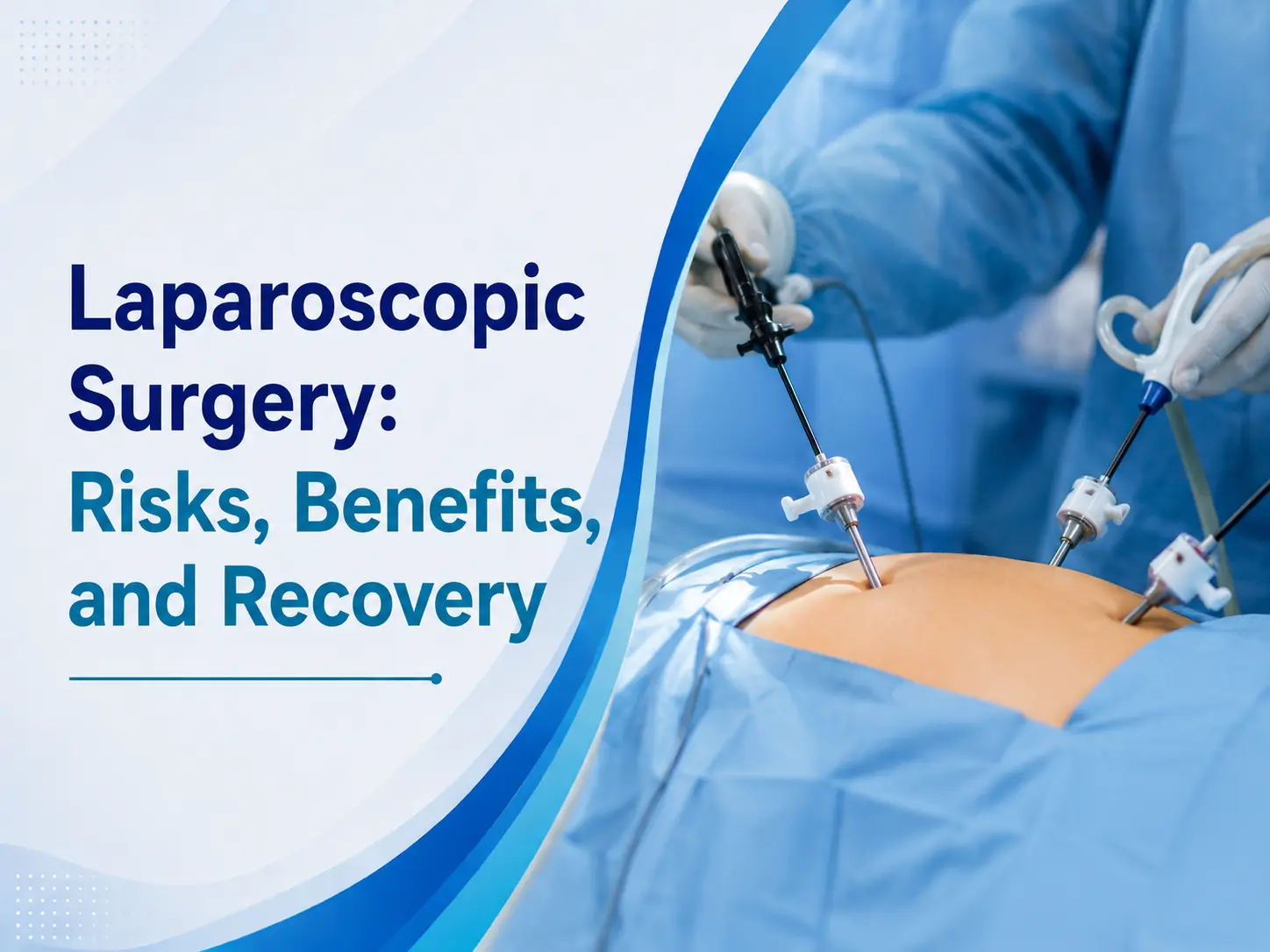
Laparoscopic surgery, also called keyhole or minimally invasive surgery, uses a thin tube with a tiny camera and long, slim instruments. The surgeon makes a few small cuts, usually about 0.5 to 1 centimetre each, instead of a large opening.
The camera sends a clear, magnified image of the inside of the body to a monitor. The surgeon watches this screen and guides the instruments with precision. Gas is gently used to inflate the abdomen so there is room to work safely.
This approach follows the same surgical principles as open surgery, but it causes far less damage to surrounding tissue.
What Makes Laparoscopic Techniques “Advanced”?
Basic laparoscopy has existed for decades. What has changed is the technology and the skill needed to perform complex procedures through small openings. Today, advanced laparoscopic surgery techniques include:
- High-definition (HD) imaging: Sharper pictures help surgeons spot fine details and protect nearby structures
- 3D visualization: Added depth perception improves precision and hand-eye coordination
- Single-incision surgery: The whole procedure is done through one small cut, often hidden in the belly button
- Articulating instruments: Flexible tools bend and rotate to reach tight spaces
- Robotic-assisted surgery: The surgeon controls precise robotic arms from a console for added dexterity in complex cases
Not every hospital offers every technique, and not every patient needs the most advanced option. The right choice depends on your condition, your health, and your surgeon’s experience.
Key Benefits of Advanced Laparoscopic Surgery Techniques
Compared with open surgery, minimally invasive methods offer clear advantages for many patients:
- Smaller incisions and minimal scarring
- Less pain after surgery
- Lower blood loss during the procedure
- Shorter hospital stay, often one to two days
- Quicker return to daily activities
- Lower risk of wound infection and hernia at the incision site
These benefits are especially valuable for people who want to get back to work or family life quickly. They can also be helpful for older adults, who recover better when the body is under less stress.
Conditions Treated With Laparoscopic Surgery
Surgeons use laparoscopic methods for a wide range of problems across many specialties.
| Specialty | Common Conditions or Procedures |
| General surgery | Gallstones, appendicitis, hernia repair |
| Gynecology | Fibroids, ovarian cysts, endometriosis, hysterectomy |
| Urology | Kidney stones, kidney or ureter blockage, certain tumors |
| Digestive surgery | Acid reflux, bowel conditions |
| Weight-loss surgery | Bariatric and metabolic procedures |
An experienced laparoscopic surgeon in Kota will first examine you, review your tests, and explain whether keyhole surgery is safe and suitable for your case.
Advanced Laparoscopic Surgery in Urology
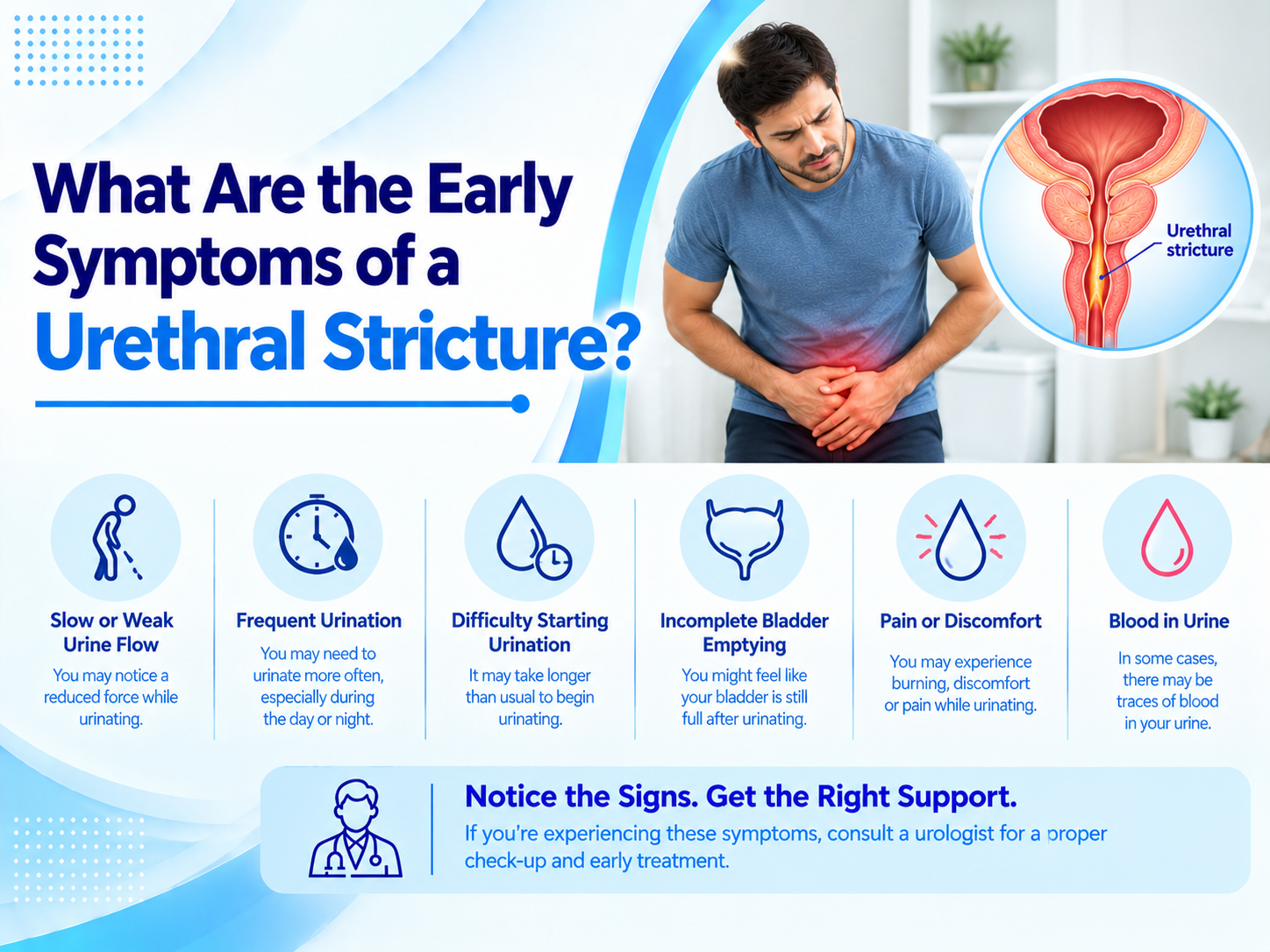
Urology is one of the fields that has gained greatly from minimally invasive methods. Conditions such as certain kidney blockages, stones that cannot pass naturally, and some growths can often be treated through small cuts.
Patients usually experience less discomfort and shorter recovery compared with traditional open operations. Consulting a skilled urologist in Kota helps you understand whether a laparoscopic or endoscopic approach fits your diagnosis.
The aim is always the same: treat the problem effectively while protecting healthy tissue.
Advanced Laparoscopic Surgery in Gynecology
Gynecological care has been transformed by keyhole methods. Fibroids, ovarian cysts, endometriosis, and even hysterectomy can often be done laparoscopically.
Women benefit from smaller scars, less pain, and faster recovery, which matters greatly for those managing family and work. When fertility is a concern, minimally invasive surgery can also help protect delicate reproductive tissue, since it involves less handling and scarring inside the body.
How Does the Procedure Work? A Step-by-Step Overview
Understanding the process reduces anxiety. Here is what usually happens:
- Consultation and tests: Blood tests, scans, and a physical exam confirm the diagnosis
- Preparation: You receive fasting and medicine instructions
- Anesthesia: Most procedures are done under general anesthesia
- Small incisions: The surgeon places tiny ports in the abdomen
- Surgery: The camera and instruments are used to treat the problem
- Closure: The cuts are closed with stitches or surgical glue
- Recovery: You are monitored and encouraged to walk early
Most patients are up and moving within hours of surgery, which helps prevent complications.
Recovery After Laparoscopic Surgery
Recovery depends on the procedure and your overall health, but many patients return to light activity within a week. Helpful tips include:
- Walk short distances daily to improve circulation
- Follow your diet and medicine instructions carefully
- Avoid heavy lifting until your surgeon allows it
- Keep the small wounds clean and dry
- Report fever, increasing pain, or redness promptly
Some people feel mild shoulder discomfort for a day or two. This is caused by the gas used during surgery and usually fades quickly.
Risks and Limitations You Should Know
Laparoscopic surgery is considered safe, but no operation is risk-free. Possible risks include bleeding, infection, injury to nearby organs, and reactions to anesthesia. These are uncommon in experienced hands.
Sometimes the surgeon starts with a laparoscopic approach and switches to open surgery for safety. This is not a failure but a decision to protect the patient. Very complex cases or previous heavy scarring may also make open surgery the better choice.
How to Choose the Right Hospital and Surgeon
Skill and experience matter as much as technology. When choosing a laparoscopy hospital Kota patients trust, consider asking:
- How many laparoscopic procedures does the surgical team perform?
- Which techniques are offered for my condition?
- What are the possible risks in my case?
- What is the expected recovery time?
- What follow-up support is provided?
A reliable surgical hospital in Kota will answer these questions openly and never rush you into a decision.
How Patients Can Take an Active Role in Their Surgical Care
Empowered patients tend to feel calmer and recover better. Before surgery, write down your questions, bring a list of your medicines, and ask for a clear explanation of the plan in simple words.
After surgery, follow the advice you receive, keep your follow-up visits, and report any unusual symptoms early. Small steps like these help you work together with your surgical team, so the benefits of advanced laparoscopic surgery techniques are fully realised.
Why Choose Jain Surgical Hospital for Minimally Invasive Care
Jain Surgical Hospital focuses on safe, patient-centred surgical care. The team takes time to explain your diagnosis, discuss all treatment options, and recommend the approach that suits you best.
For patients searching for Laparoscopic Surgery in Kota, the hospital offers a supportive environment from the first consultation to the final follow-up. As one of the best hospitals in Kota, it aims to make surgery less stressful and recovery smoother.
Frequently Asked Questions
1. Is laparoscopic surgery safer than open surgery?
For many conditions, yes. It usually causes less blood loss, pain, and infection risk. However, the safest option depends on your diagnosis, and sometimes open surgery is the better choice.
2. How long does recovery take after laparoscopic surgery?
Many patients return to light activity within a week, though full recovery depends on the procedure. Your surgeon will give personalised guidance.
3. Will I have visible scars after laparoscopic surgery?
Scars are usually very small and fade over time. Single-incision techniques can hide the scar in the belly button.
4. Can any surgery be done laparoscopically?
No. Many common procedures can be done this way, but very complex cases, emergencies, or patients with extensive previous surgery may need open surgery.
5. How do I know if I am a good candidate for laparoscopic surgery?
A surgeon will review your medical history, scans, and overall health. A consultation is the best way to find out which approach is right for you.
Book Your Surgical Consultation Today
If you have been advised surgery, you deserve clear answers about all your options. Speak with an experienced team who can explain whether minimally invasive surgery suits your condition. Visit Jain Surgical Hospital, a trusted name for laparoscopic care in Kota, and consult an experienced surgeon in a supportive setting. Book your appointment today and take the next step toward a safer, smoother recovery.