
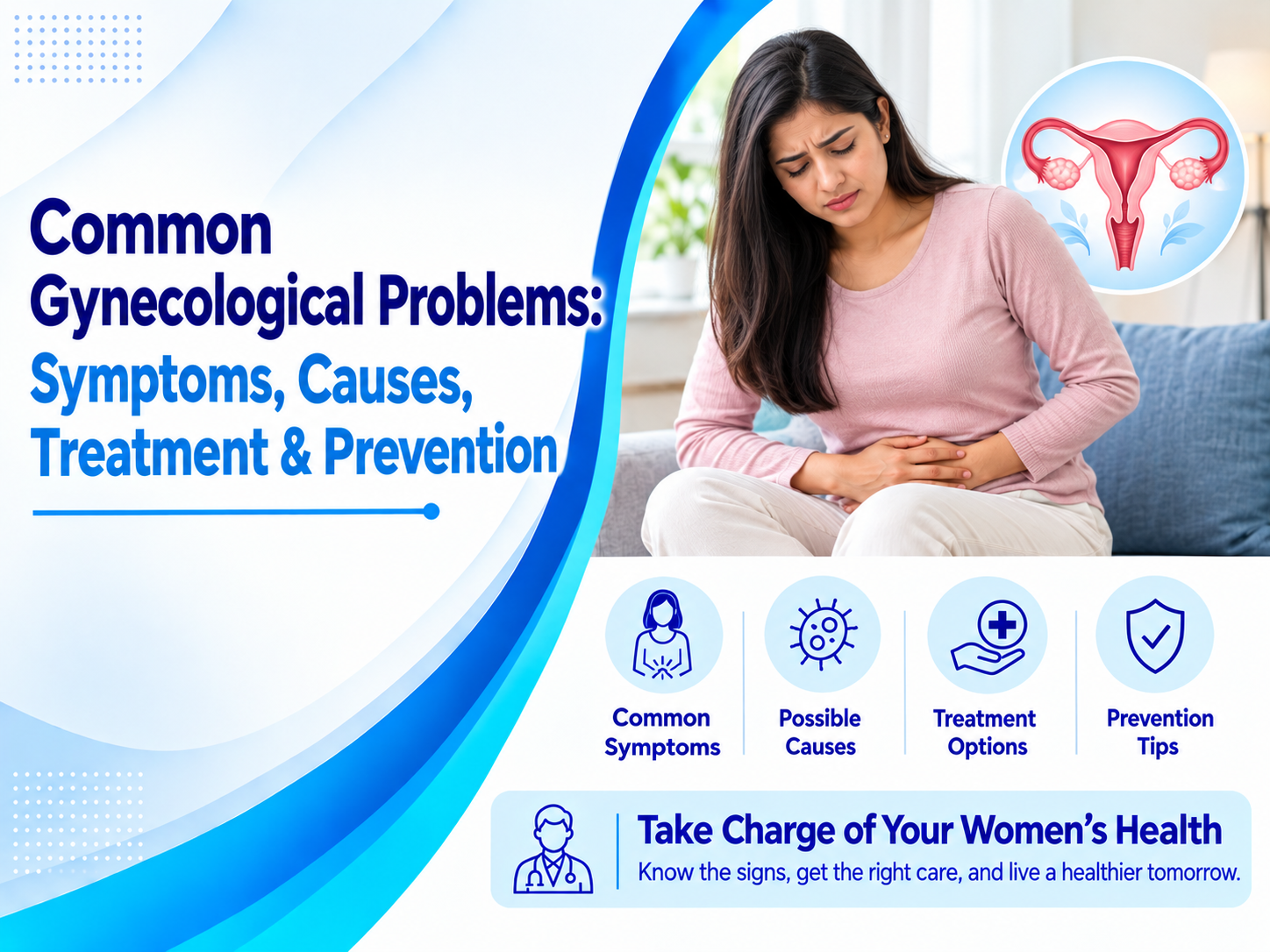
Most women face at least one gynecological health issue at some point in their lives. Common gynecological problems range from irregular periods and infections to fibroids and hormonal imbalances, and many of them are treatable when caught early. At Jain Surgical Hospital, a trusted hospital in Kota, women receive accurate diagnosis and personalised care for these conditions. This guide explains the symptoms, causes, treatment options, and prevention tips every woman should know.
What Are the Most Common Gynecological Problems?
Gynecological health issues affect women differently depending on age, lifestyle, and hormonal balance. Visiting a well-equipped gynaecology hospital in Kota helps ensure the right condition is identified early. The most common gynecological problems women report include:
- Irregular or painful periods (dysmenorrhea)
- Polycystic Ovary Syndrome (PCOS)
- Vaginal infections and abnormal discharge
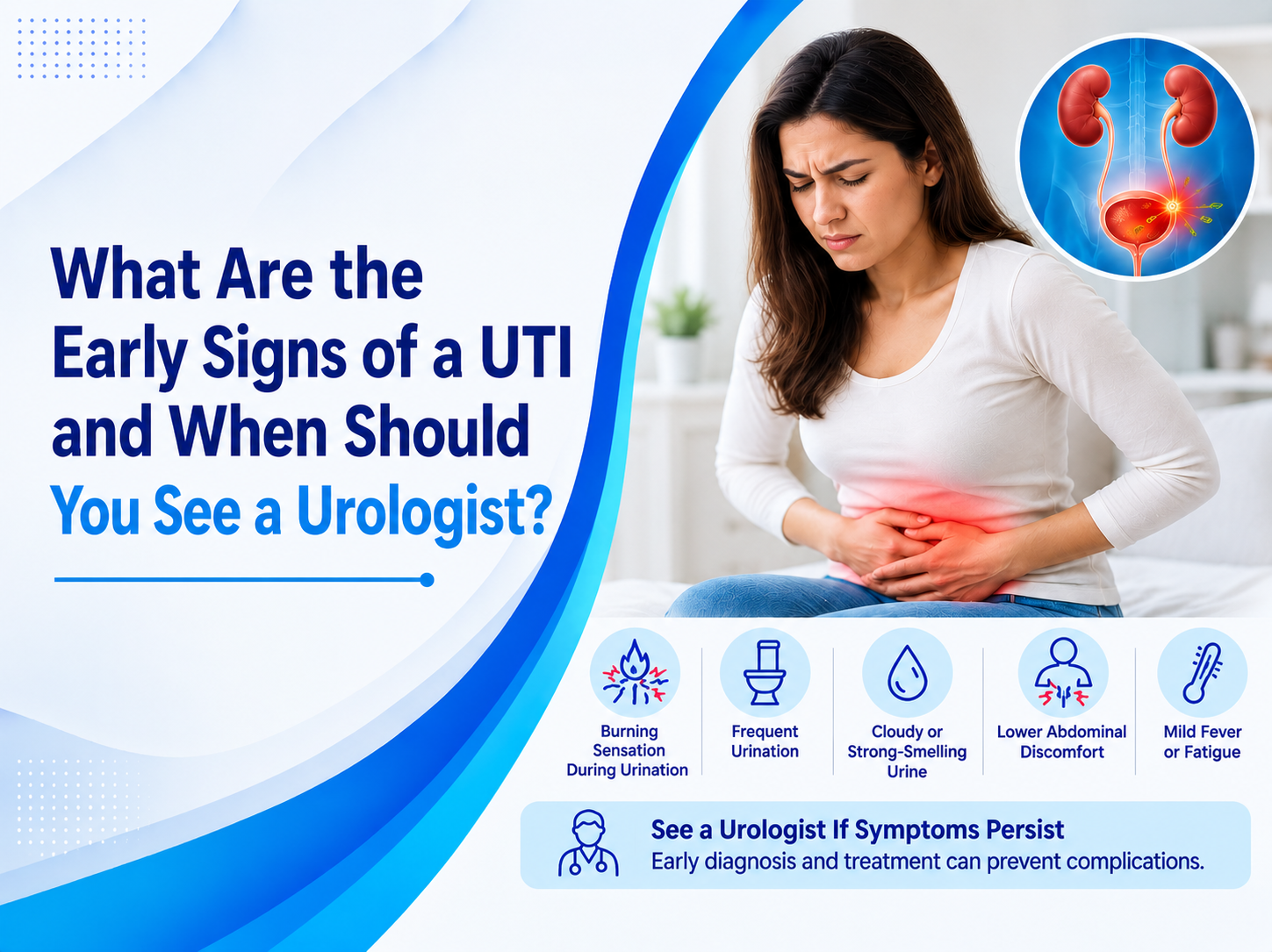
- Urinary tract infections (UTIs)
- Uterine fibroids
- Ovarian cysts
- Pelvic Inflammatory Disease (PID)
- Endometriosis
- Menopause-related changes
Some of these conditions cause mild discomfort. Others, if left untreated, can affect fertility and long-term reproductive health. This is why early consultation with the best gynecologist in Kota matters, especially at a hospital in Kota that offers proper diagnostic support.
Common Symptoms of Gynecological Problems You Shouldn’t Ignore
Recognising early warning signs helps in timely diagnosis. Watch for these symptoms:
- Irregular, heavy, or missed periods
- Severe pelvic or lower abdominal pain
- Unusual vaginal discharge with odor, itching, or discoloration
- Pain during intercourse
- Bloating that does not go away
- Frequent urination or burning while urinating
- Spotting between periods or after menopause
If any of these symptoms persist for more than a few weeks, it is best to schedule a check-up rather than wait for them to resolve on their own.
What Causes Gynecological Problems in Women?
Several factors contribute to gynecological issues, and the causes often overlap:
- Hormonal imbalance: Fluctuations in estrogen and progesterone affect ovulation and menstrual regularity.
- Infections: Bacterial, fungal, or sexually transmitted infections cause discharge, itching, and pelvic pain.
- Lifestyle factors: Poor diet, lack of physical activity, high stress, and inadequate hygiene increase the risk of infections and hormonal disorders.
- Genetic predisposition: Conditions like PCOS and fibroids can run in families.
- Age-related changes: Perimenopause and menopause bring natural hormonal shifts that trigger new symptoms.
Understanding the root cause is the first step toward the right treatment plan.
Menstrual Disorders: Irregular Periods, PCOS & Dysmenorrhea
Menstrual irregularities are among the most frequently reported common gynecological problems. Painful periods, known as dysmenorrhea, occur when the uterus contracts strongly, sometimes limiting the oxygen supply to uterine tissue.
PCOS, on the other hand, is a hormonal disorder that causes irregular ovulation, weight gain, acne, and excess hair growth. It is one of the leading causes of infertility in women of reproductive age. Treatment usually includes lifestyle changes, hormonal medication, and in some cases, fertility support.
Vaginal Infections and Abnormal Discharge: Causes & Treatment
Vaginal infections are extremely common and highly treatable. Bacterial vaginosis, yeast infections, and sexually transmitted infections are the usual culprits behind abnormal discharge, itching, and burning.
A mild, white discharge between periods is normal. However, a change in color, consistency, or smell often signals an infection that needs medical attention. Doctors typically treat these with antifungal or antibiotic medication, along with guidance on hygiene practices to prevent recurrence.
Uterine Fibroids and Ovarian Cysts: Symptoms & Treatment Options
Uterine fibroids are non-cancerous growths in the uterus. They can cause heavy bleeding, pelvic pressure, and pain, though many women with small fibroids experience no symptoms at all.
Ovarian cysts are fluid-filled sacs that form on the ovaries. Most cysts resolve on their own, but larger or persistent cysts may need monitoring or surgical removal, especially if they cause pain or affect fertility.
| Condition | Common Symptoms | Typical Treatment |
| Uterine Fibroids | Heavy bleeding, pelvic pressure | Medication, minimally invasive surgery |
| Ovarian Cysts | Bloating, pelvic pain | Monitoring, hormonal therapy, surgery if needed |
| PCOS | Irregular periods, weight gain | Lifestyle changes, hormonal medication |
| Vaginal Infections | Discharge, itching, odor | Antifungal or antibiotic treatment |
| Endometriosis | Painful periods, pain during intercourse | Pain management, hormonal therapy, surgery |
Pelvic Inflammatory Disease (PID) and Endometriosis
PID is an infection of the reproductive organs, often resulting from untreated sexually transmitted infections. Left untreated, it can lead to chronic pelvic pain and infertility.
Endometriosis occurs when tissue similar to the uterine lining grows outside the uterus, causing severe pain, especially during periods and intercourse. Both conditions require timely diagnosis, since early treatment significantly improves long-term outcomes.
Treatment Options for Common Gynecological Problems
Treatment depends on the diagnosis, severity, and the patient’s reproductive goals. Common approaches include:
- Medication: Hormonal therapy, antibiotics, or antifungal treatment for infections
- Lifestyle modification: Diet, exercise, and stress management for hormonal disorders
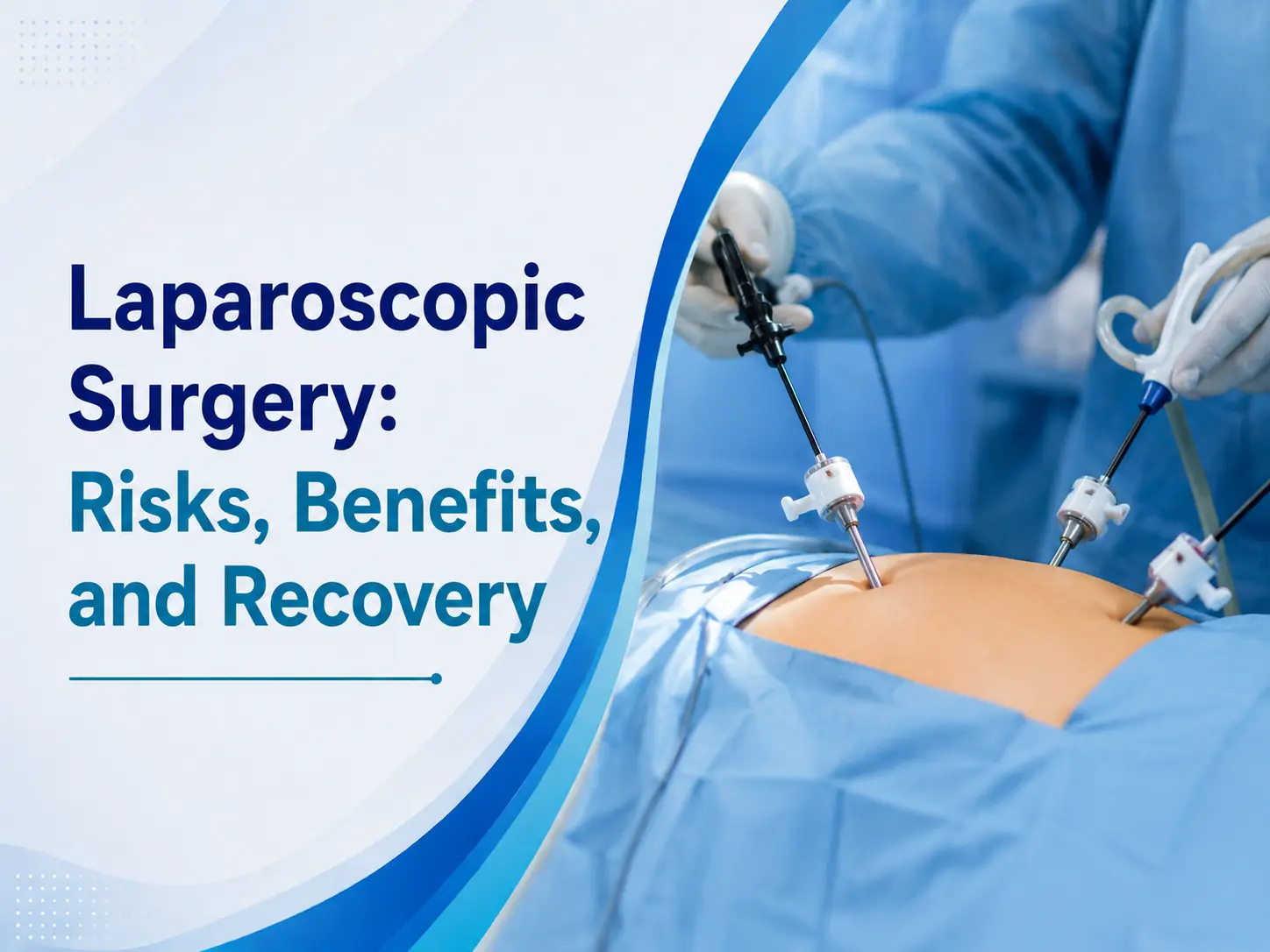
- Minimally invasive procedures: Laparoscopy for fibroids, cysts, or endometriosis
- Surgery: Recommended in advanced cases where other treatments have not worked
- Regular screening: Pap smears and pelvic exams to catch issues early
At a well-equipped gynaecology hospital in Kota like Jain Surgical Hospital, patients get access to accurate diagnostics and a full range of treatment options under one roof.
How to Prevent Gynecological Problems: Expert Tips
Prevention is not always possible, but these habits reduce risk significantly:
- Maintain proper intimate hygiene without over-washing
- Eat a balanced diet rich in fiber, iron, and antioxidants
- Exercise regularly to support hormonal balance
- Practice safe sex to lower the risk of infections
- Schedule annual gynecological check-ups, even without symptoms
- Track your menstrual cycle to notice irregularities early
- Manage stress through sleep, relaxation, and physical activity
When to See a Gynecologist in Kota
Many women delay a gynecology visit out of hesitation or a busy schedule. However, persistent pain, unusual bleeding, or discomfort during intercourse are clear signs that a professional evaluation is needed.
Choosing the best gynecologist in Kota means finding a doctor who listens carefully, explains conditions in simple terms, and offers a clear treatment path. Jain Surgical Hospital, recognised as one of the best hospitals in Kota, brings together experienced gynecologists, modern diagnostic tools, and a comfortable environment for women seeking care for common gynecological problems.
How Jain Surgical Hospital Supports Women’s Gynecological Health
Choosing the right care provider makes a real difference in how comfortable and confident women feel while discussing sensitive health concerns. Jain Surgical Hospital combines experienced gynecologists with modern diagnostic equipment, so conditions like fibroids, cysts, and infections are identified accurately the first time.
As a leading hospital in Kota, the team focuses on clear communication, personalised treatment plans, and follow-up care that respects each patient’s comfort. Whether the concern is a routine screening or a more complex issue like PCOS or endometriosis, patients receive guidance in simple, understandable language rather than confusing medical terms.
Women often postpone gynecological visits due to fear, cost concerns, or lack of awareness. A supportive, judgment-free environment encourages timely check-ups, which is one of the most effective ways to prevent minor issues from becoming serious health complications.
Frequently Asked Questions
1. What are the most common gynecological problems in women?
The most common issues include irregular periods, PCOS, vaginal infections, urinary tract infections, uterine fibroids, ovarian cysts, and endometriosis.
2. How do I know if my vaginal discharge is normal or a sign of infection?
A mild, white, odorless discharge is usually normal. Discharge that changes color, has a strong smell, or comes with itching and burning often indicates an infection that needs treatment.
3. Can gynecological problems affect fertility?
Yes. Conditions like PCOS, endometriosis, and untreated pelvic infections can affect ovulation and fertility. Early diagnosis and treatment improve the chances of a healthy pregnancy.
4. When should I visit a gynecologist for a check-up?
Women should have an annual gynecological check-up even without symptoms. Immediate consultation is recommended for severe pain, heavy bleeding, or unusual discharge.
5. Are gynecological problems treatable without surgery?
Many conditions, including infections, mild PCOS, and small fibroids, are managed effectively with medication and lifestyle changes. Surgery is usually considered only when other treatments do not provide relief.
Book Your Gynecology Consultation Today
Ignoring gynecological symptoms can lead to complications that are harder to treat later. If you are experiencing irregular periods, pelvic pain, or any of the symptoms discussed above, do not wait. Visit Jain Surgical Hospital, a trusted gynaecology hospital in Kota, and consult an experienced gynecologist who can guide you toward the right diagnosis and treatment. Book your appointment today and take the first step toward better reproductive health.