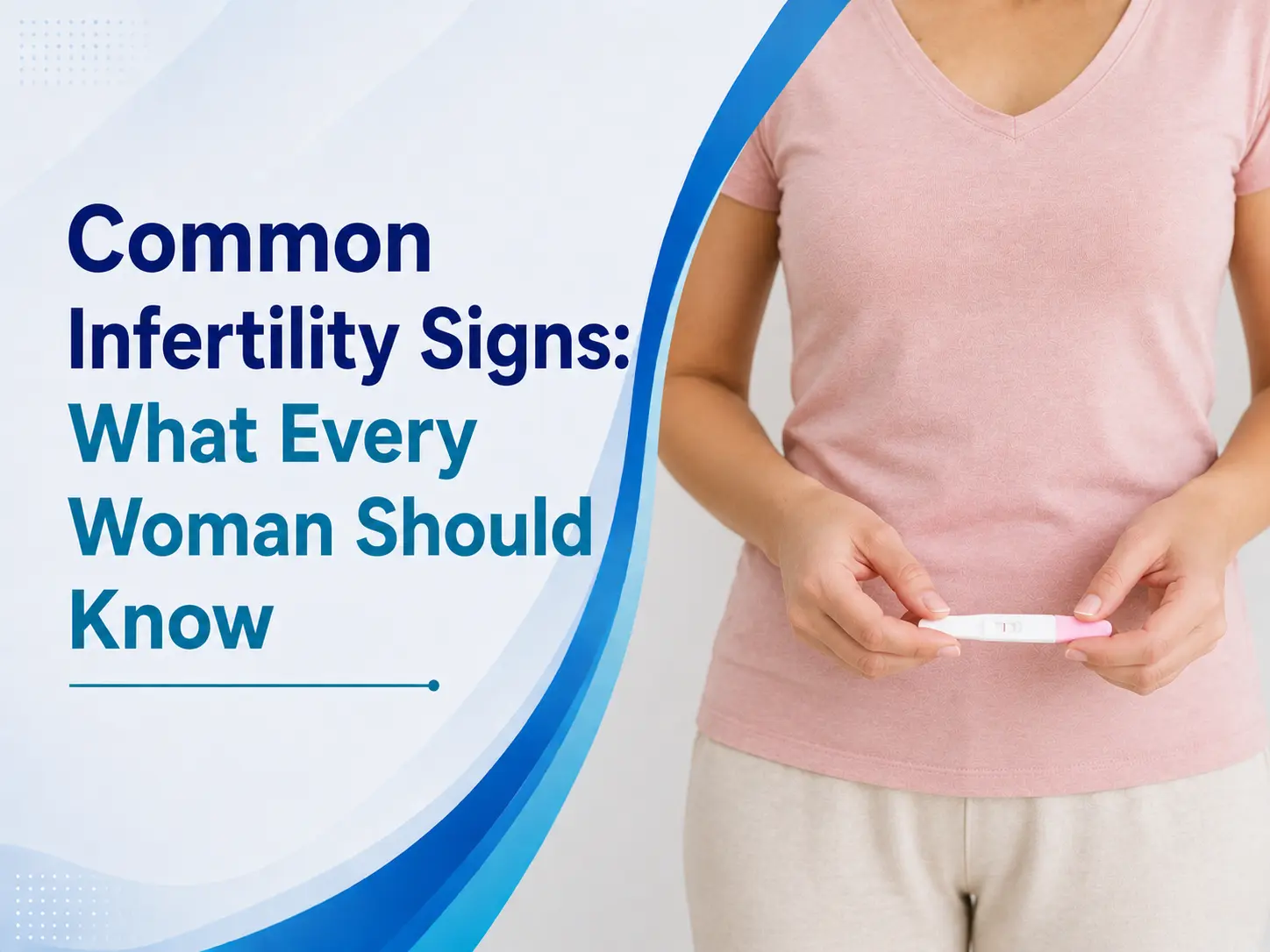

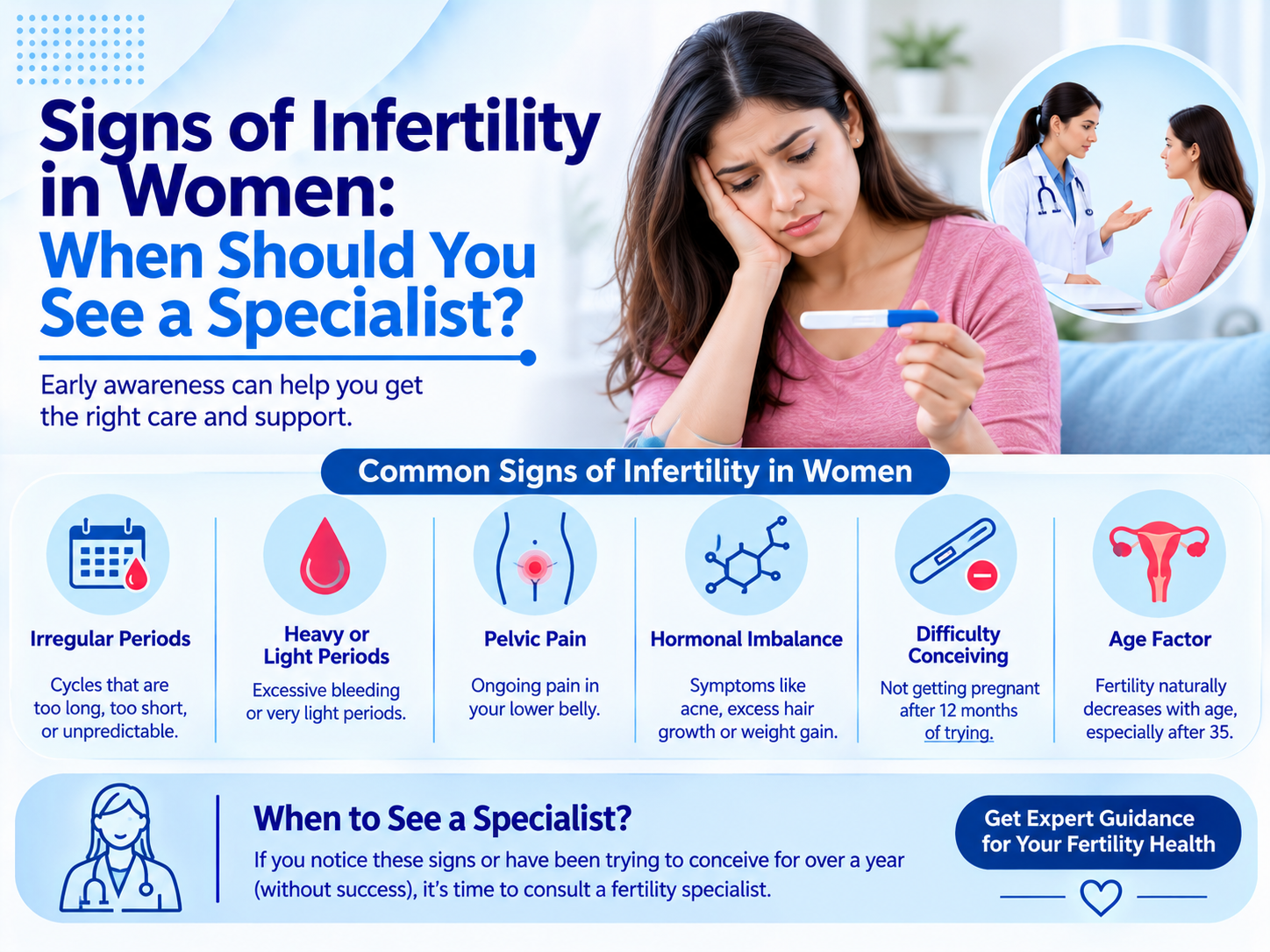
The most common signs of infertility in women are irregular or missed periods, very painful or heavy periods, pelvic pain, and not becoming pregnant after a year of trying. Many women have no clear symptoms at all, and the only sign is difficulty conceiving. You should see a specialist after 12 months of trying if you are under 35, after 6 months if you are 35 or older, and sooner if you have warning signs. At Jain Surgical Hospital, a trusted hospital in Kota, women receive caring, confidential guidance on fertility concerns. This guide explains the signs, causes, tests, and the right time to seek help.
What Is Female Infertility?
Infertility is defined as not becoming pregnant after 12 months or more of regular, unprotected intercourse. For women over 35, doctors often use a shorter period of 6 months.
It does not mean you can never have a baby. Many women with fertility problems go on to conceive with the right diagnosis and treatment.
Infertility is a medical condition, not a personal failing. Understanding the signs of infertility in women early gives you more options and better chances.
Common Signs of Infertility in Women
Some women notice clear warning signs, while others notice none. Common signs include:
- Periods that are irregular, very short, very long, or absent
- Cycles shorter than 21 days or longer than 35 days
- Very painful periods
- Very heavy bleeding or spotting between periods
- Pain in the pelvis or lower belly
- Pain during sex
- Not becoming pregnant after a year of trying (6 months if over 35)
- Two or more miscarriages
- Unusual hair growth, severe acne, or sudden weight changes
- Milky nipple discharge not linked to breastfeeding
Regular periods suggest that ovulation is happening, but they do not guarantee fertility. Blocked tubes, for example, can cause no obvious symptoms.
Menstrual Signs That Point to Ovulation Problems
Ovulation, the release of an egg each month, is the most important step for pregnancy. Problems with ovulation are among the most common causes of female infertility.
Warning signs include missed periods, cycles that vary widely, and very light or very heavy bleeding. Polycystic ovary syndrome (PCOS) and thyroid problems often cause these changes.
If your cycles are unpredictable, consulting a female infertility specialist Kota families trust can help you find the cause quickly. Simple blood tests often show the answer.
Signs of Infertility Linked to Pain and Infection
Pain can be a clue to a hidden problem. Severe period pain, pain during sex, or constant pelvic pain may point to endometriosis, fibroids, or pelvic infection.
Past infections can also scar the fallopian tubes. If you have had pelvic inflammatory disease, a sexually transmitted infection, or abdominal surgery, mention it to your doctor.
These conditions are treatable, and early care can protect your chances of pregnancy.
When Should You See a Specialist? Age-Wise Guide
The right time depends mostly on your age. Egg quantity and quality decline over time, especially after your mid-30s.
| Your Situation | When to See a Specialist |
| Under 35, no known problems | After 12 months of trying |
| Age 35 to 39 | After 6 months of trying |
| Age 40 or older | Promptly, often after 3 months or sooner |
| Irregular or absent periods | Do not wait for a full year |
| Known PCOS, endometriosis, or fibroids | Do not wait for a full year |
| Two or more miscarriages | Seek evaluation now |
| Past pelvic infection or surgery | Seek evaluation early |
About 85 percent of couples under 35 conceive naturally within a year. If you have not, a check-up is the sensible next step.
Other Reasons to See a Specialist Sooner
Do not wait the full time if any of these apply to you:
- You have very irregular or no periods
- You have been diagnosed with PCOS, endometriosis, or fibroids
- You have had cancer treatment such as chemotherapy or radiation
- You have had pelvic surgery or serious pelvic infection
- Your partner has a known or suspected sperm problem
- You feel anxious about waiting because of your age
Seeing the best gynecologist in Kota early can save months of uncertainty.
What Causes Infertility in Women?
Several conditions can affect a woman’s ability to conceive:
- Ovulation disorders: PCOS, thyroid problems, and high prolactin
- Blocked fallopian tubes: Often due to infection, endometriosis, or surgery
- Endometriosis: Tissue similar to the uterine lining grows outside the uterus
- Uterine problems: Fibroids, polyps, or an unusually shaped uterus
- Age-related decline: Fewer and lower-quality eggs
- Lifestyle factors: Very high or low body weight, smoking, heavy alcohol, and chronic stress
In some couples, no clear cause is found. This is called unexplained infertility and can still be treated.
Don’t Forget Your Partner
Infertility is not only a female issue. In many couples, a sperm problem contributes to the difficulty. A simple semen test for your partner is a quick, painless step.
Evaluating both partners together saves time and avoids unnecessary worry. A good specialist will guide you both with respect and privacy.
How Is Female Infertility Diagnosed?
A doctor starts by discussing your periods, medical history, and lifestyle. Then tests may be advised to find the cause:
- Blood tests: Check hormone levels, thyroid function, and ovarian reserve
- Ultrasound: Looks at the uterus and ovaries
- Tubal test: Checks whether the fallopian tubes are open
- Ovulation tracking: Confirms that ovulation is happening
- Laparoscopy or hysteroscopy: Camera tests when needed
Most tests are simple and done in a short time. A well-equipped gynaecology hospital in Kota can complete many of them in one visit.
Treatment Options for Female Infertility
Treatment depends on the cause, your age, and your goals. Options include:
- Lifestyle changes: Healthy weight, balanced diet, exercise, and stress control
- Medicines: To trigger ovulation or treat thyroid and hormone problems
- Surgery: To treat fibroids, polyps, endometriosis, or blocked tubes
- IUI: Placing prepared sperm directly in the uterus
- IVF: Fertilising eggs outside the body and transferring the embryo
Many women conceive with simple medicines or minor treatment, and do not need advanced procedures.
Healthy Habits to Support Fertility
You can support your fertility with simple steps:
- Maintain a healthy body weight
- Eat a balanced diet rich in fruits, vegetables, and whole grains
- Take folic acid as advised by your doctor
- Quit smoking and limit alcohol
- Manage stress through sleep, walking, or relaxation
- Track your cycle to identify fertile days
- Get regular check-ups
Why Choose Jain Surgical Hospital for Fertility Guidance
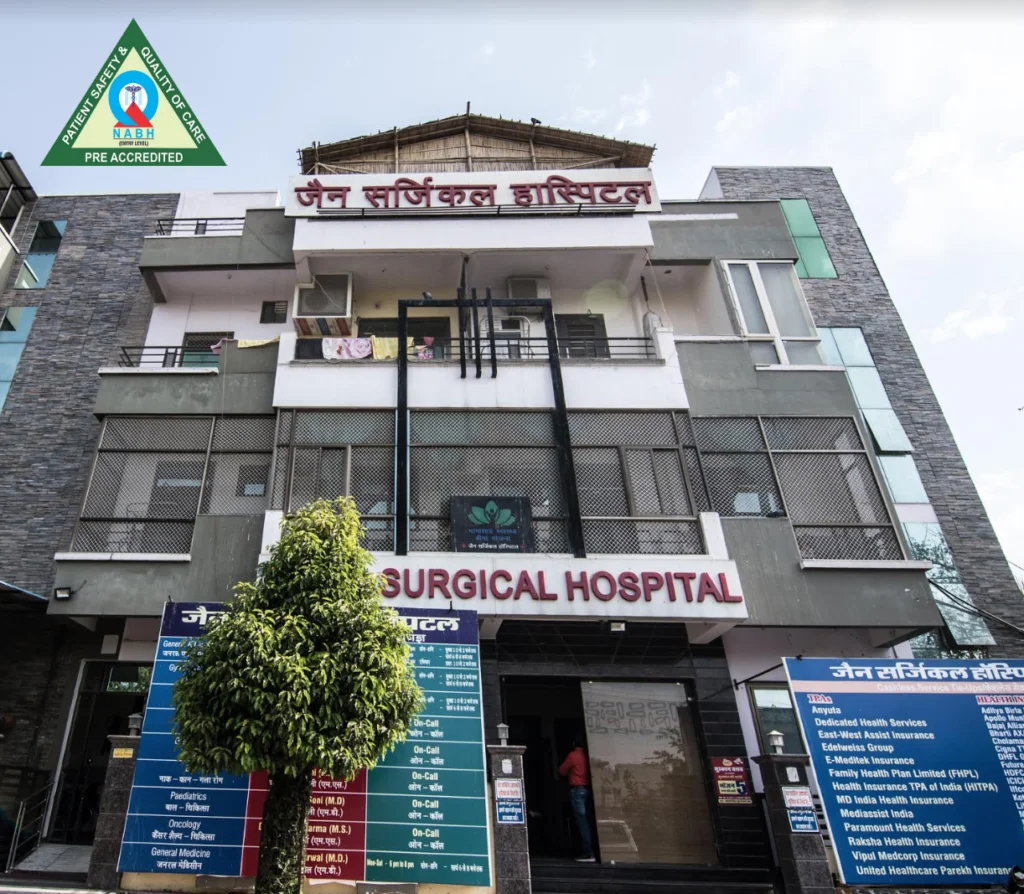
Talking about fertility can feel personal and stressful. Jain Surgical Hospital offers a private, supportive setting where you can ask questions without judgement.
As one of the best hospitals in Kota, the team explains each test and option in plain language. Couples searching for the best infertility hospital in Kota value clear communication and a plan tailored to their situation.
Frequently Asked Questions
1. What are the first signs of infertility in women?
Irregular or missed periods, very painful or heavy periods, and pelvic pain are common early signs. Many women have no symptoms and only notice difficulty conceiving.
2. Can I be infertile if my periods are regular?
Yes. Regular periods suggest ovulation, but blocked tubes, endometriosis, or egg quality issues can still affect fertility without changing your cycle.
3. How long should I try before seeing a specialist?
If you are under 35, try for 12 months. If you are 35 or older, see a specialist after 6 months. Seek help sooner if you have irregular periods or known conditions.
4. Is female infertility curable?
Many causes are treatable with medicines, surgery, or assisted methods like IUI and IVF. The outcome depends on the cause, your age, and other factors.
5. Does stress cause infertility?
Stress alone rarely causes infertility, but it can affect your cycle and wellbeing. Managing stress helps your overall health and supports your treatment journey.
Book Your Fertility Consultation Today
If you are worried about your chances of becoming pregnant, you do not have to wait or worry alone. An early check-up can bring clarity and hope. Visit Jain Surgical Hospital, a trusted name for women’s health in Kota, and consult an experienced gynecologist who will guide you with care and privacy. Book your appointment today and take the first step toward your dream of parenthood.