
Hernia surgery is a procedure that repairs a weak spot in the abdominal wall, where tissue or part of an organ pushes through and forms a bulge. It is one of the most common surgeries performed worldwide, and most patients recover well and return to normal life within a few weeks. At Jain Surgical Hospital, a trusted hospital in Kota, patients receive clear guidance and safe surgical care for every type of hernia. This guide covers everything you should know about hernia surgery, from types and procedures to recovery and risks.
What Is a Hernia and When Is Surgery Needed?
A hernia happens when an organ or fatty tissue squeezes through a weak area in the muscle wall that normally holds it in place. The most common sign is a visible bulge that may grow larger when you cough, lift, or stand for long periods. Some hernias cause mild discomfort, while others cause sharp pain.
Hernias do not heal on their own, and enlarging or painful ones usually need surgery to relieve discomfort and prevent serious complications. Seeing an experienced hernia specialist in Kota early helps you decide whether surgery is needed now or whether careful monitoring is safe.
Small hernias without symptoms are sometimes watched over time. However, any hernia that becomes painful, firm, or stuck needs urgent medical attention.
Common Types of Hernias You Should Know
Hernias are named according to where they appear in the body. The most common types include:
- Inguinal hernia: Appears in the groin and is the most common type, mainly affecting men
- Umbilical hernia: Forms near the belly button, seen in both adults and infants
- Incisional hernia: Develops at the site of a previous abdominal surgery scar
- Hiatal hernia: Occurs when part of the stomach pushes up through the diaphragm
- Femoral hernia: Appears in the upper thigh or groin area, more common in women
Each type needs a slightly different surgical approach, which is why an accurate diagnosis comes first.
Symptoms and Causes of Hernias
The signs of a hernia depend on its location, but common symptoms include:
- A noticeable lump or bulge in the abdomen or groin
- Dull aching or a pulling sensation, especially when lifting
- Heaviness or pressure in the affected area
- Pain that worsens with coughing or physical effort
- Heartburn or trouble swallowing in the case of hiatal hernias
Hernias develop from a combination of muscle weakness and pressure. Common triggers include heavy lifting, chronic coughing, constipation, obesity, pregnancy, and previous surgery. Knowing these risk factors helps with prevention and early detection.
Types of Hernia Surgery: Open, Laparoscopic and Robotic
When it comes to hernia surgery, there are three main approaches. The right choice depends on the hernia type, size, and your overall health.
| Surgery Type | How It Works | Key Benefit |
| Open repair | One larger incision over the hernia | Suitable for large or complex hernias |
| Laparoscopic repair | Several small cuts with a camera | Less pain and faster recovery |
| Robotic-assisted repair | Surgeon controls robotic arms from a console | Added precision for complex cases |
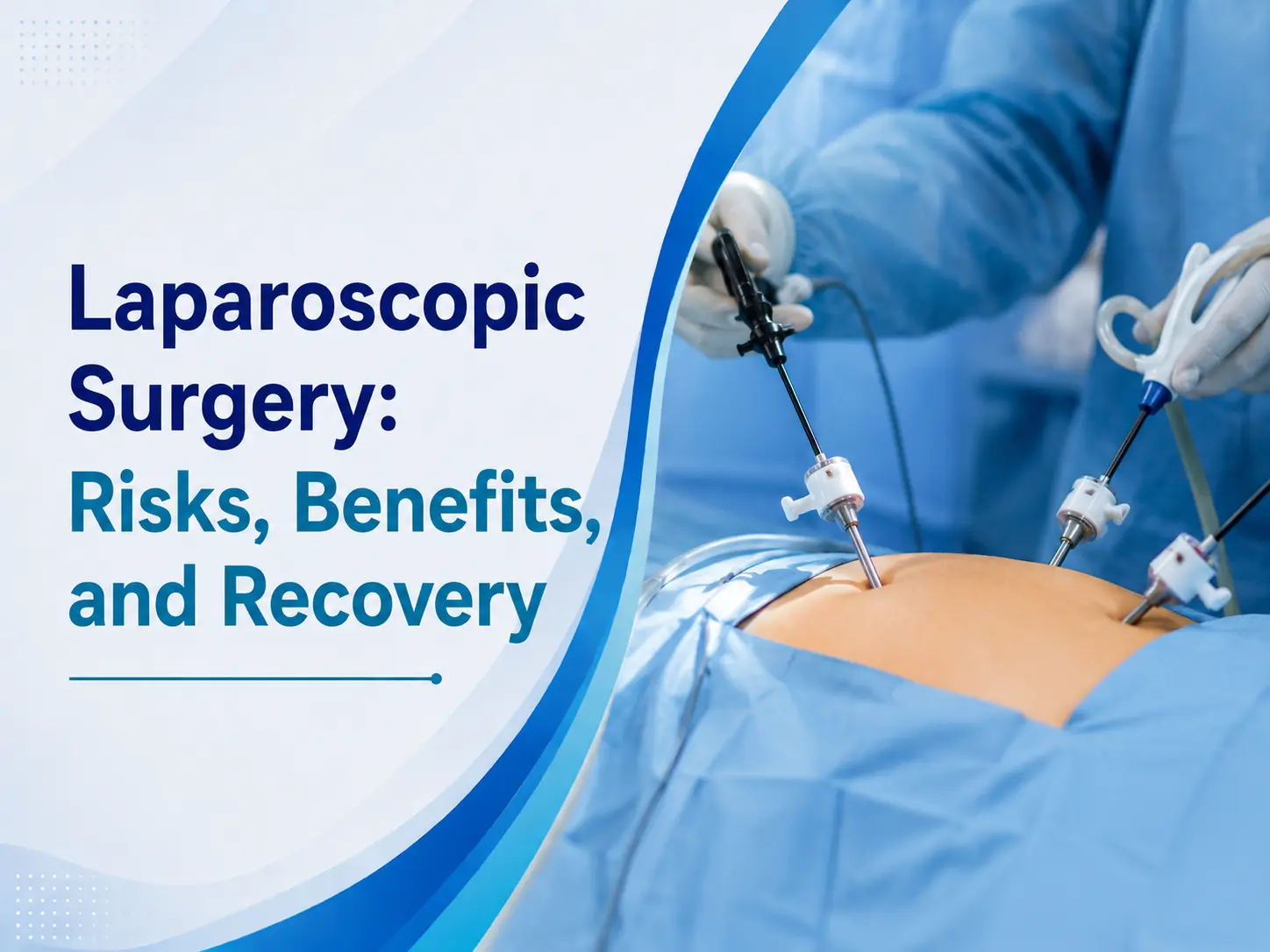
In open surgery, the surgeon makes an incision near the hernia and places the bulging tissue back into the abdomen. Laparoscopic surgery uses smaller cuts, and many patients go home the same day. Both approaches usually strengthen the area with a surgical mesh to lower the chance of the hernia returning.
Open vs Laparoscopic Hernia Surgery: Which Is Better?
Neither approach is automatically better for everyone. Laparoscopic repair usually means less discomfort, smaller scars, and a quicker return to daily activity. Open repair often takes less operating time and works well for larger or more complex hernias.
When performed by a skilled surgeon, long-term recurrence rates are similar for both methods. This is why the decision should be personalised, based on your age, hernia size, and medical history.
A reliable hernia hospital in Kota will explain why one method is recommended over the other, so you feel confident before the procedure.
How to Prepare for Hernia Surgery
Good preparation makes surgery safer and recovery smoother. Your surgeon will usually advise you to:
- Complete all recommended blood tests and health checks
- Share a full list of your medicines and allergies
- Stop smoking, as it slows healing
- Follow fasting instructions before the operation
- Arrange for someone to drive you home and help for a few days
Setting realistic expectations about the procedure and recovery also reduces anxiety on the day of surgery.
What Happens During Hernia Surgery?
Hernia surgery is usually done under general or local anesthesia, depending on the hernia and the surgical method. The surgeon pushes the bulging tissue back into place, repairs the weak spot, and often reinforces it with a mesh. The duration depends on the type of surgery and the size and location of the hernia.
Most repairs take around one hour or less. Choosing a hernia surgery hospital in Kota with modern operation theatres and trained surgical teams adds an important layer of safety to the process.
Hernia Surgery Recovery: What to Expect
Recovery varies by hernia type and surgical method, but most people return to normal activities within three to six weeks. Laparoscopic repair recovery is typically around two to three weeks, while open repair may take four to six weeks.
During recovery, doctors generally recommend:
- Walking short distances daily to improve circulation
- Avoiding heavy lifting for several weeks, as advised by your surgeon
- Eating fiber-rich foods to prevent straining
- Keeping the wound clean and dry
- Attending all follow-up appointments
Returning to heavy work too early can increase the risk of the hernia coming back, so patience pays off.
Risks and Possible Complications
Hernia surgery is considered safe, but like any operation it carries some risks. These may include:
- Pain or swelling around the surgical site
- Infection of the wound
- Bleeding or fluid collection
- Recurrence of the hernia
- Rarely, injury to nearby tissues or nerves
Most complications are uncommon and manageable when caught early. Warning signs such as fever, increasing redness, severe pain, or vomiting after surgery should be reported to your doctor immediately.
How to Prevent Hernias and Recurrence
Not every hernia can be prevented, but healthy habits lower your risk:
- Maintain a healthy body weight
- Lift heavy objects with proper technique
- Treat chronic cough and constipation promptly
- Eat a high-fiber diet
- Quit smoking
- Strengthen core muscles with doctor-approved exercise
These habits also protect the repair after surgery.
Why Choose Jain Surgical Hospital for Hernia Care
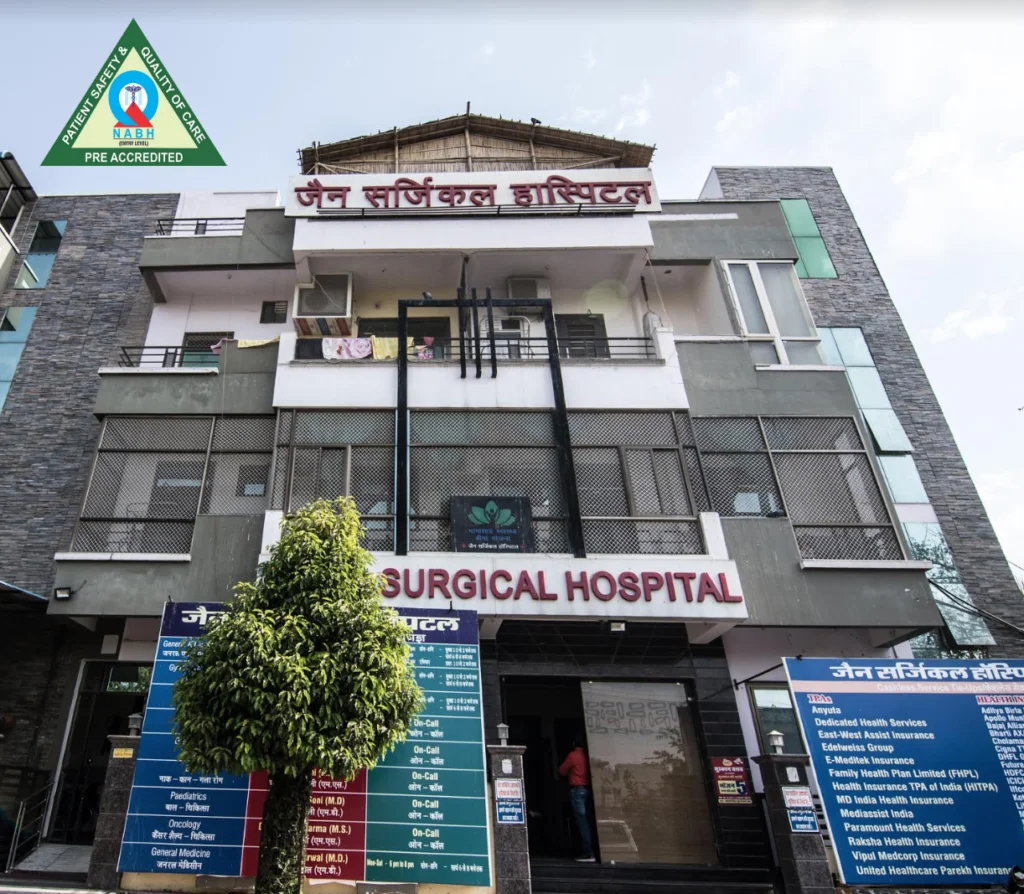
Choosing the right hospital is as important as choosing the right procedure. Jain Surgical Hospital combines experienced surgeons, modern diagnostic tools, and a patient-first approach for safe and comfortable treatment.
As one of the best hospitals in Kota, the team explains every step in simple language, from diagnosis to recovery. Whether you need open or minimally invasive repair, you receive a plan matched to your health, hernia type, and lifestyle.
Frequently Asked Questions
1. Is hernia surgery necessary for every hernia?
Not always. Small hernias without symptoms may be monitored, but painful, growing, or stuck hernias usually need surgery to prevent complications.
2. How long does it take to recover from hernia surgery?
Most people return to normal activities within three to six weeks. Laparoscopic repair often allows a quicker recovery than open surgery.
3. Is hernia surgery painful?
The surgery is done under anesthesia, so you feel no pain during the operation. Mild to moderate discomfort afterward is normal and is controlled with prescribed medicines.
4. Can a hernia come back after surgery?
Recurrence is possible but uncommon, especially when mesh is used and aftercare advice is followed. Avoiding heavy lifting during recovery lowers the risk.
5. Can I go home on the same day as hernia surgery?
Many patients, especially after minimally invasive surgery, go home the same day. Your surgeon will confirm based on your condition and the type of repair.
Book Your Hernia Consultation Today
A hernia will not go away on its own, and waiting can lead to pain and complications. If you notice a bulge, discomfort, or any of the symptoms discussed above, get it checked without delay. Visit Jain Surgical Hospital, a trusted name for hernia surgery in Kota, and consult an experienced surgeon who can guide you to the right treatment. Book your appointment today and take the first step toward a pain-free life.