
Roughly one in ten people will develop a kidney stone at some point in their life, and diet plays a bigger role in this than most people realise. Knowing which Foods Trigger Kidney Stones can help you make small, practical changes that significantly lower your risk. At Jain Surgical Hospital, a trusted hospital in Kota, patients receive personalised dietary guidance alongside medical treatment for kidney stones. This guide breaks down the specific foods to watch, why they matter, and how to build a stone-prevention diet that actually works.
What Are Kidney Stones and Why Does Diet Matter?
Kidney stones are hard mineral deposits that form inside the kidneys when certain substances in urine become too concentrated. The most common type, calcium oxalate stones, forms when oxalate and calcium bind together in the urinary tract. Diet is one of the most powerful tools for prevention, since many stone-forming substances come directly from what we eat and drink.
Understanding which Foods Trigger Kidney Stones is especially important for anyone who has already had one stone, since the recurrence rate is notably high without dietary changes. A consultation for kidney stone treatment kota often starts with a detailed review of eating habits before any medication or procedure is discussed.
Genetics, low fluid intake, and certain medical conditions also contribute to stone formation, but diet remains the factor most people can control day to day.
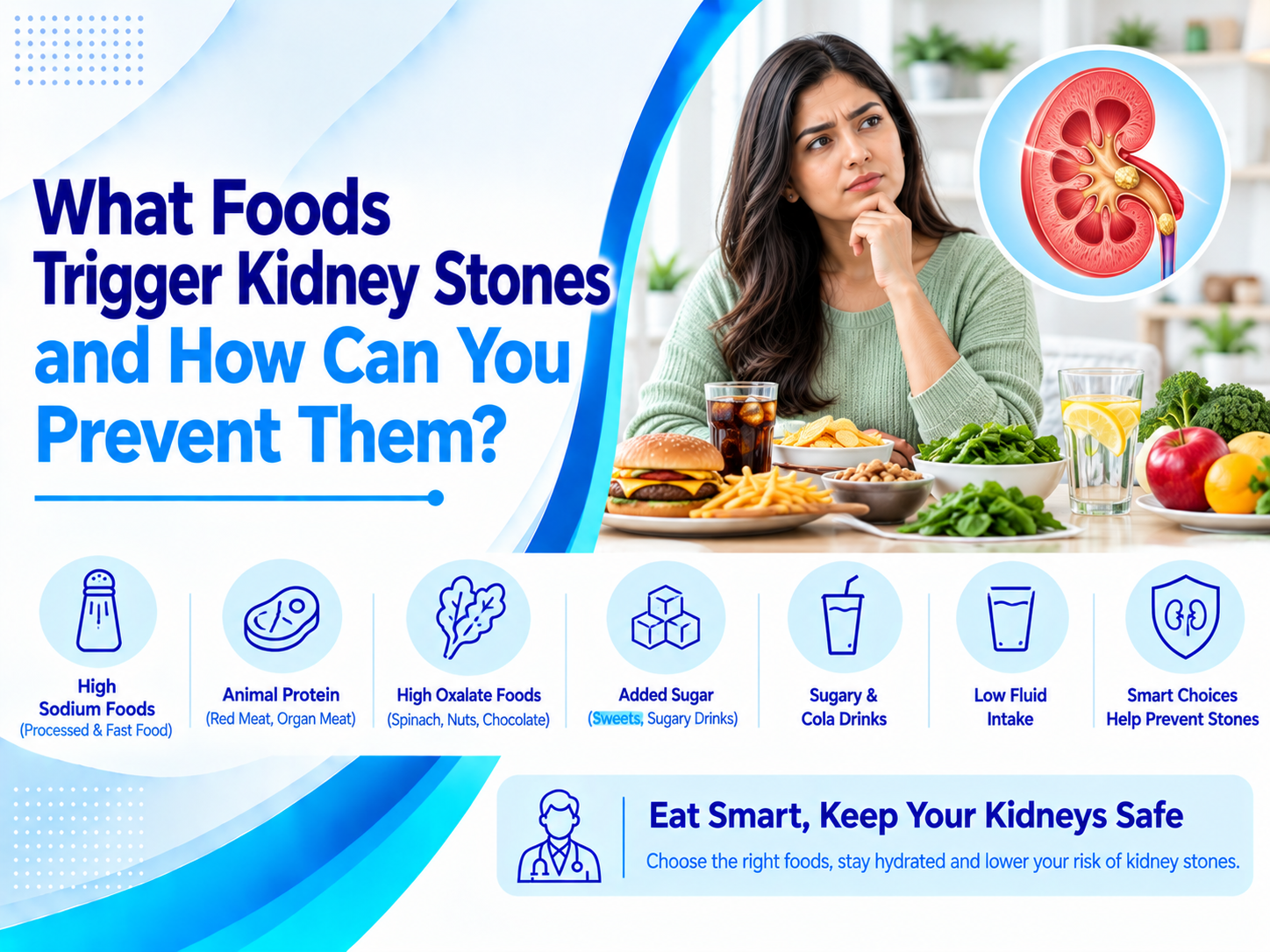
High-Oxalate Foods: The Most Common Dietary Trigger
Oxalate is a natural compound found in many healthy foods, but it becomes a problem when consumed in excess, particularly for people prone to calcium oxalate stones. Common high-oxalate foods include:
- Spinach and other leafy greens
- Beets, including both the roots and greens
- Rhubarb
- Nuts, especially almonds and cashews
- Chocolate and cocoa powder
- Sweet potatoes
These foods do not need to be eliminated completely. Pairing oxalate-rich foods with a calcium source, such as a glass of milk or a piece of cheese, helps the two bind together in the stomach before they reach the kidneys, reducing stone risk significantly.
High-Sodium Foods and Their Hidden Role in Stone Formation
Salt is often an overlooked trigger when people think about Foods Trigger Kidney Stones, yet it plays a major role. Eating too much sodium forces the kidneys to release more calcium into the urine, directly increasing the risk of calcium-based stones. Common high-sodium culprits include:
- Fast food and restaurant meals
- Canned soups and vegetables
- Packaged and processed snacks
- Deli meats and cured meats
- Salty condiments and sauces
Health experts generally recommend staying under 2,300 milligrams of sodium per day, roughly one teaspoon of salt, for anyone managing or preventing kidney stones.
Animal Protein and Uric Acid Stones
Large amounts of animal protein, including red meat, poultry, and seafood, are linked to a higher risk of both calcium and uric acid stones. Animal protein increases uric acid levels in the body while also reducing a natural stone-inhibiting substance called citrate in the urine. This combination creates favorable conditions for stone formation.
Replacing some animal protein with plant-based options like lentils, beans, and soy foods can meaningfully lower this risk. This does not mean cutting out meat entirely, but rather moderating portion sizes as part of an overall prevention plan.
Sugar, Soda, and Other Beverages That Increase Risk
Added sugars, particularly fructose, are linked to higher rates of kidney stone formation. Sugary sodas and fruit drinks are common offenders, especially when they replace water as the primary beverage choice.
| Food or Drink Category | Why It Increases Risk |
| High-oxalate foods | Binds with calcium to form stones |
| High-sodium foods | Increases calcium in urine |
| Animal protein | Raises uric acid, lowers citrate |
| Sugary beverages | Linked to higher stone formation rates |
| Alcohol | Causes dehydration, concentrates urine |
Alcohol also raises concern, since it acts as a diuretic and can lead to dehydration, which concentrates the minerals in urine and raises stone risk.
Foods and Habits That Help Prevent Kidney Stones
While some foods increase risk, others actively support prevention. Building these into your daily routine can make a real difference:
- Drink plenty of water throughout the day, aiming for pale yellow urine as a guide
- Eat water-rich fruits and vegetables like cucumbers, tomatoes, and watermelon
- Include citrus fruits such as lemons and oranges, which contain natural citrate
- Pair oxalate-rich foods with a calcium source during meals
- Moderate animal protein portions rather than eliminating them entirely
- Limit added sugar and sodium in packaged foods
Citrate, found naturally in citrus fruits, acts as a stone inhibitor by preventing minerals from binding together in the urinary tract.
Hydration: The Single Most Important Prevention Habit
No single habit matters more for kidney stone prevention than staying well hydrated. Adequate water intake dilutes urine, making it harder for minerals to concentrate and crystallize into stones. Most doctors recommend enough fluid intake to produce at least two to two and a half litres of urine daily.
Climate, physical activity, and overall health all affect individual fluid needs, so it is worth discussing a personalised target during a consultation for kidney stone treatment rather than relying on a generic recommendation.
Signs You May Already Have a Kidney Stone
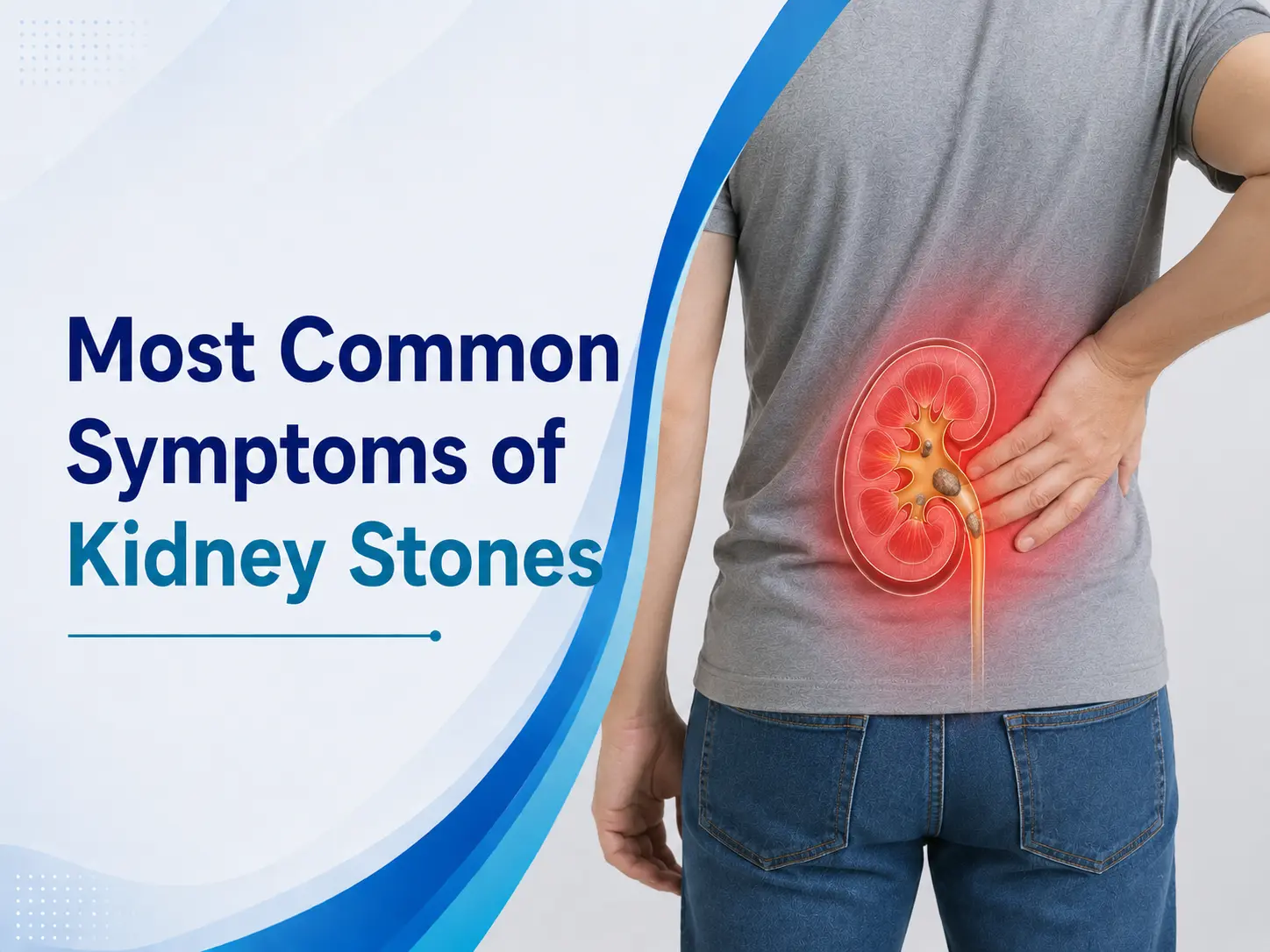
Dietary prevention is most useful before a stone forms, but recognising symptoms early also matters. Common signs include:
- Sharp pain in the back or side, often below the ribs
- Pain that radiates toward the lower abdomen or groin
- Blood in the urine
- Nausea or vomiting
- Frequent urge to urinate or burning during urination
Severe pain accompanied by fever or chills needs urgent medical attention, as it may indicate an infection alongside the stone.
When Diet Alone Is Not Enough: Treatment Options
For larger stones or recurring cases, dietary changes alone may not be sufficient. Treatment options include:
- Medication: Helps dissolve certain stone types or ease passage
- Shock wave lithotripsy: Uses sound waves to break stones into smaller pieces
- Ureteroscopy: A minimally invasive procedure to remove or break up stones
- Percutaneous nephrolithotomy: Recommended for very large stones
Discussing options for kidney stone surgery kota becomes necessary when stones are too large to pass naturally or when they cause recurring infections and pain.
Choosing the Right Urologist for Kidney Stone Care
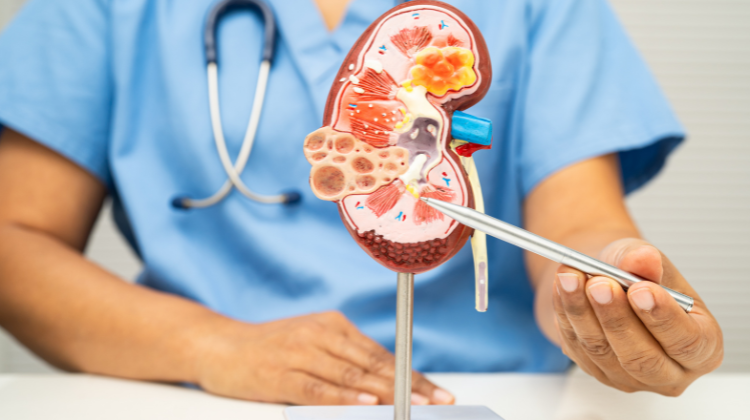
A proper evaluation helps identify not just the stone itself, but the underlying dietary and metabolic factors contributing to it. This typically involves urine tests, blood work, and imaging to determine stone composition and risk factors.
Consulting the best urologist in Kota ensures a treatment plan that addresses both the current stone and long-term prevention, rather than offering a one-time fix. Jain Surgical Hospital provides comprehensive urology surgery in Kota for patients who need procedural treatment alongside dietary counselling.
Frequently Asked Questions
1. Can drinking more water really prevent kidney stones?
Yes, proper hydration is one of the most effective prevention methods, as it dilutes urine and prevents minerals from concentrating and forming stones.
2. Should I stop eating spinach completely to avoid kidney stones?
Not necessarily. Pairing spinach and other high-oxalate foods with a calcium source during meals helps reduce the oxalate available to form stones.
3. Does eating too much meat cause kidney stones?
Large amounts of animal protein can increase uric acid levels and reduce citrate in urine, both of which raise stone risk, so moderation is recommended.
4. How much sodium should I eat if I am prone to kidney stones?
Most health experts recommend staying under 2,300 milligrams of sodium per day, roughly equivalent to one teaspoon of salt.
5. When should I see a urologist for kidney stone symptoms?
Severe pain, blood in urine, fever, or an inability to pass urine should prompt an immediate consultation rather than waiting for symptoms to resolve on their own.
Book Your Kidney Stone Consultation Today
Preventing kidney stones starts with understanding your personal risk factors, from diet to hydration habits. If you have experienced kidney stone symptoms or want a personalised prevention plan, do not wait to get evaluated. Visit Jain Surgical Hospital, a trusted name for kidney stone treatment in Kota, and consult an experienced urologist who can guide your diet and treatment plan. Book your appointment today and take control of your kidney health.