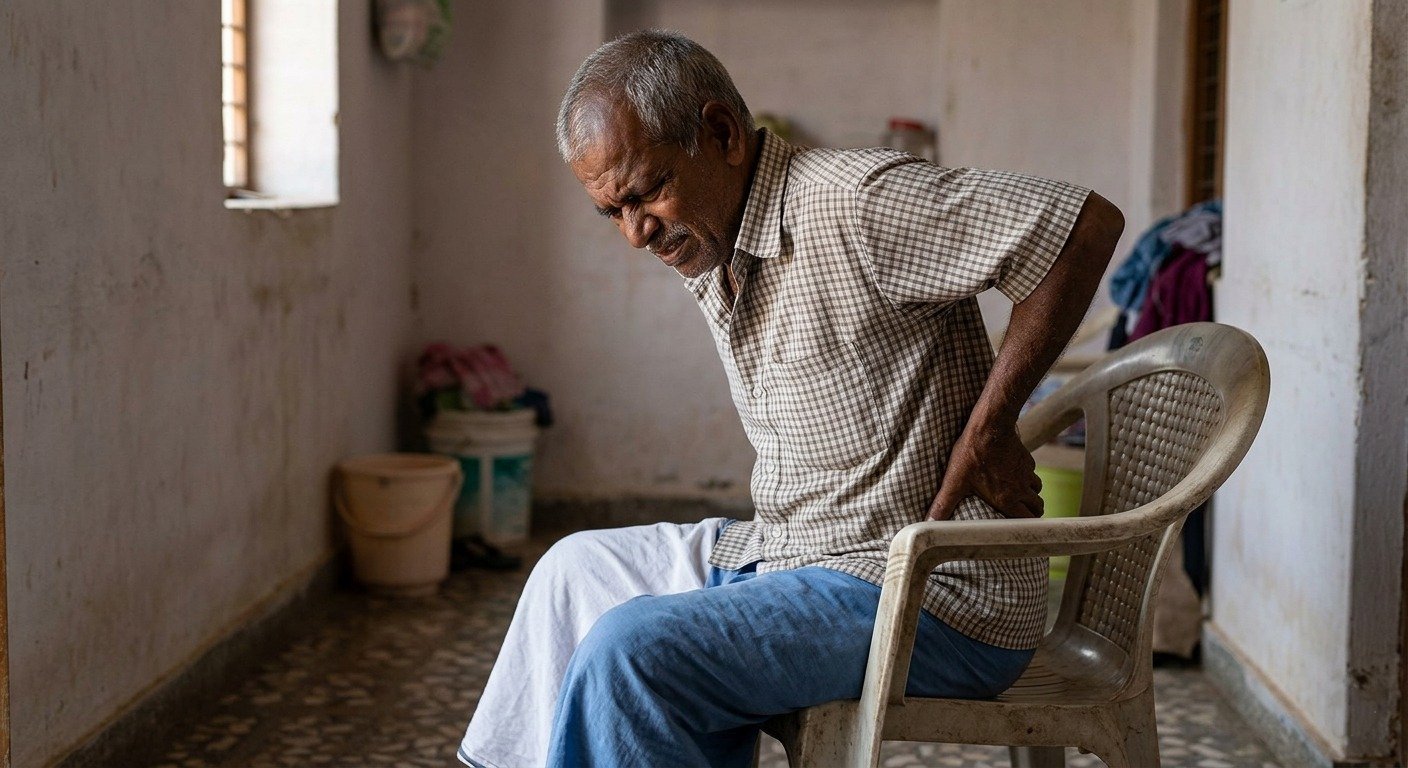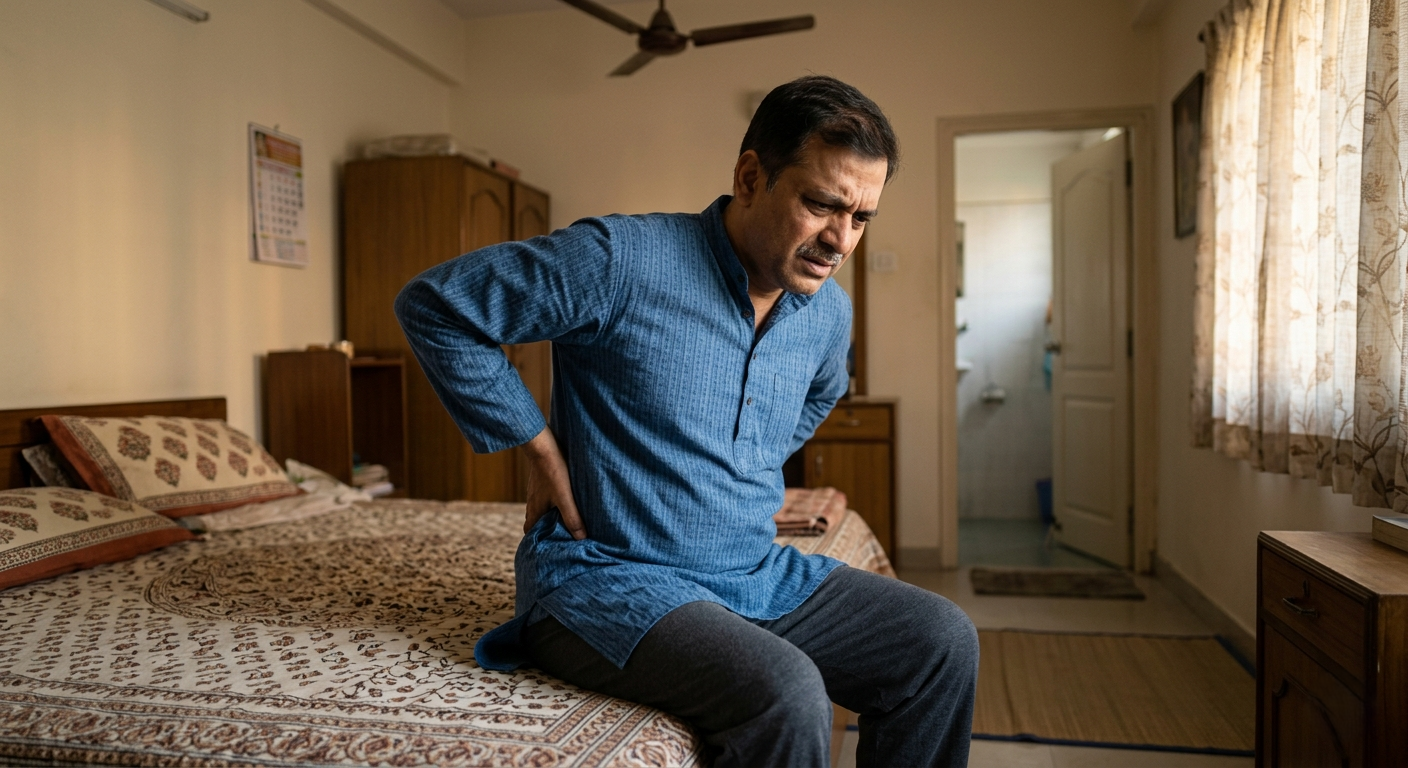

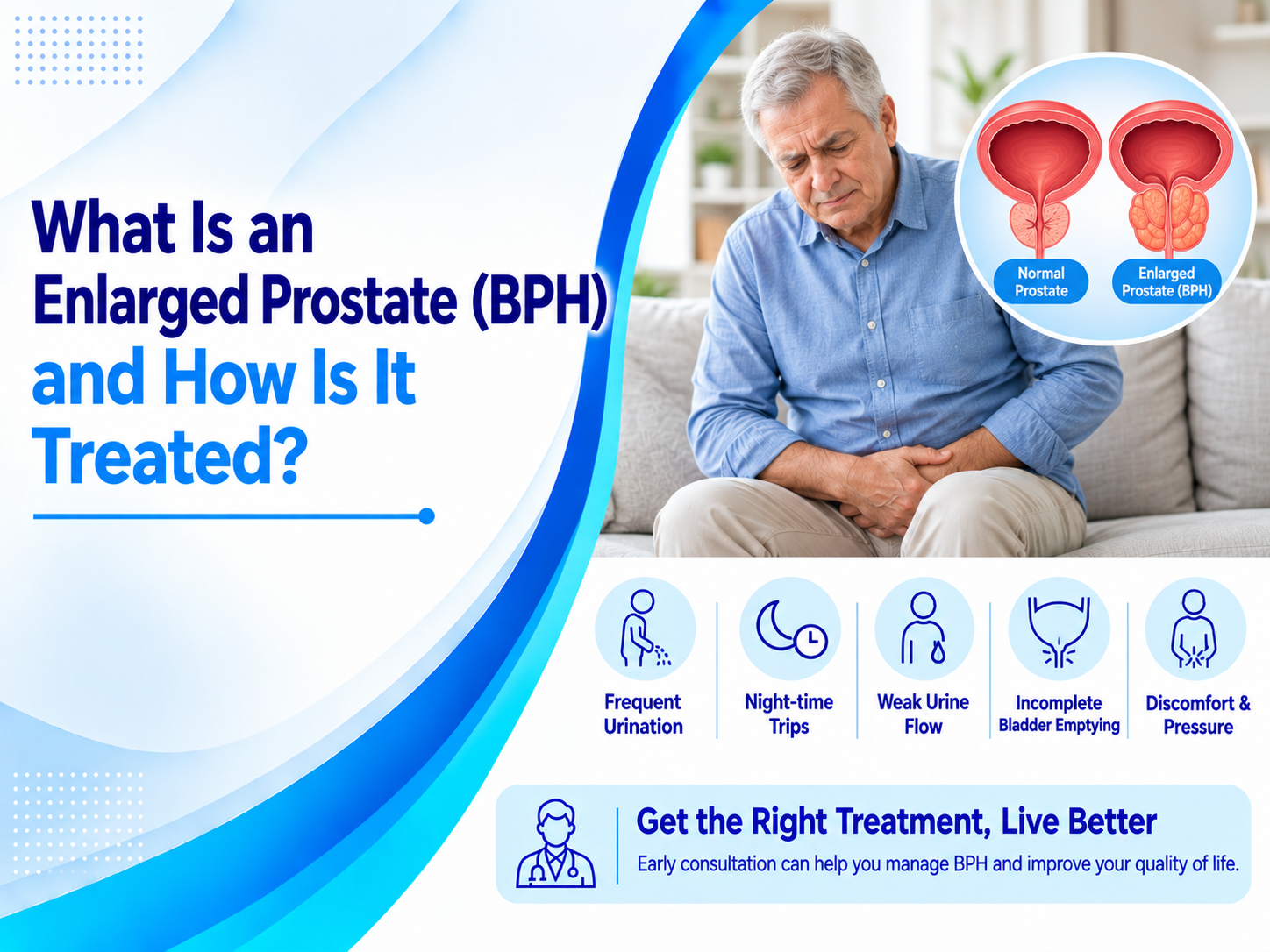
An Enlarged Prostate, medically known as Benign Prostatic Hyperplasia (BPH), is one of the most common health concerns among men over the age of 50. It happens when the prostate gland grows larger and puts pressure on the urethra, making urination difficult. At Jain Surgical Hospital, a trusted hospital in Kota, men receive accurate diagnosis and effective treatment for this condition. This blog explains the symptoms, causes, and treatment options for an enlarged prostate in simple, easy-to-understand language.
What Is an Enlarged Prostate (BPH)?
The prostate is a small gland located below the bladder that surrounds part of the urethra, the tube that carries urine out of the body. As men age, this gland naturally grows larger, a process doctors call benign prostatic hyperplasia. It is important to know that an enlarged prostate is not cancerous and does not increase the risk of prostate cancer, though the two conditions can share similar symptoms.
Getting the right urology treatment in Kota early can prevent the condition from affecting daily life. Men who ignore early symptoms often end up dealing with more severe urinary problems later, so timely evaluation matters.
Studies show that BPH affects nearly half of men above the age of 50, and this number rises further with age. A qualified urologist in Kota can confirm the diagnosis through a simple physical exam and a few basic tests, most of which are quick and painless.
What Causes an Enlarged Prostate?
The exact cause of prostate enlargement is not fully understood, but doctors believe hormonal changes play the biggest role. Common contributing factors include:
- Aging: Prostate growth is a natural part of aging in men
- Hormonal shifts: Changes in testosterone and estrogen levels affect prostate cell growth
- Family history: Men with a family history of BPH are at higher risk
- Obesity: Excess body weight is linked to a higher chance of prostate enlargement
- Diabetes and heart disease: These conditions are associated with a greater risk of BPH
- Lack of physical activity: A sedentary lifestyle may increase symptom severity
While an enlarged prostate cannot always be prevented, understanding these risk factors helps men take proactive steps toward better health.
Common Symptoms of an Enlarged Prostate (BPH)
Recognising the symptoms early makes treatment simpler and more effective. Common signs of an enlarged prostate include:
- Frequent urge to urinate, especially at night
- Difficulty starting urination
- Weak or interrupted urine stream
- Straining while urinating
- Feeling that the bladder is not fully empty
- Dribbling at the end of urination
- Sudden, urgent need to urinate
These symptoms often develop gradually, so many men adjust their routines without realising something is wrong. If any of these signs sound familiar, it is worth scheduling a consultation rather than waiting for symptoms to worsen.
How Is an Enlarged Prostate Diagnosed?
Diagnosis usually begins with a discussion about symptoms and medical history. Doctors then use a combination of tests to confirm BPH and rule out other conditions:
| Test | Purpose |
| Digital Rectal Exam (DRE) | Checks the size and shape of the prostate |
| Urine Flow Test | Measures the strength and speed of urine flow |
| PSA Blood Test | Rules out prostate cancer as a cause of symptoms |
| Ultrasound | Assesses prostate size and bladder emptying |
| Post-Void Residual Test | Measures leftover urine in the bladder after urination |
A visit to a well-equipped urology hospital in Kota ensures access to all these diagnostic tools under one roof, reducing the need for multiple appointments at different centres.
Enlarged Prostate Treatment Options: Medication, Therapy & Surgery
Treatment for an enlarged prostate depends on symptom severity and how much it affects daily life. The main approaches include:
Medications
- Alpha-blockers relax the muscles around the prostate and bladder neck to improve urine flow
- 5-alpha-reductase inhibitors help shrink the prostate over time
- Combination therapy is sometimes used for moderate to severe symptoms
Minimally Invasive Procedures
- Transurethral needle ablation uses heat to reduce excess prostate tissue
- Laser therapy removes or shrinks enlarged prostate tissue with fewer side effects
Surgery
- Transurethral resection of the prostate (TURP) is considered the standard surgical treatment for severe cases
- Open prostate surgery may be recommended for very large prostates
Choosing the right Enlarged Prostate treatment in Kota depends on the patient’s age, overall health, and symptom severity, which is why a detailed consultation is essential before deciding on a treatment path.
Lifestyle Changes to Manage Enlarged Prostate Symptoms
Along with medical treatment, certain lifestyle habits help manage symptoms more effectively:
- Limit caffeine, alcohol, and carbonated drinks, as they irritate the bladder
- Reduce fluid intake in the evening to avoid frequent nighttime urination
- Practice timed urination every two to three hours instead of waiting for urgency
- Stay physically active to support overall urinary health
- Avoid holding urine for long periods, as it can strain the bladder
- Maintain a healthy weight to reduce pressure on the bladder and prostate
These small changes, combined with medical guidance, often bring noticeable relief within a few weeks.
Complications of an Untreated Enlarged Prostate
Ignoring the symptoms of BPH for too long can lead to complications that are harder to manage. These include:
- Sudden inability to urinate, requiring emergency care
- Urinary tract infections due to incomplete bladder emptying
- Bladder stones caused by retained urine
- Bladder or kidney damage in long-standing, untreated cases
- Blood in the urine due to prostate tissue changes
Most of these complications are preventable with timely diagnosis and treatment, which is why early consultation is always recommended over a wait-and-watch approach.
When to Consult a Urologist in Kota
Men often delay seeking help for urinary symptoms out of embarrassment or the assumption that it is simply a part of aging. However, persistent symptoms deserve proper medical attention rather than self-management.
It is time to consult the best urologist in Kota if symptoms interfere with sleep, daily activities, or overall comfort. Jain Surgical Hospital, known as one of the best hospitals in Kota, offers comprehensive evaluation and treatment for enlarged prostate cases, from mild symptoms to advanced stages requiring surgical care.
How Jain Surgical Hospital Supports Men’s Urology Health
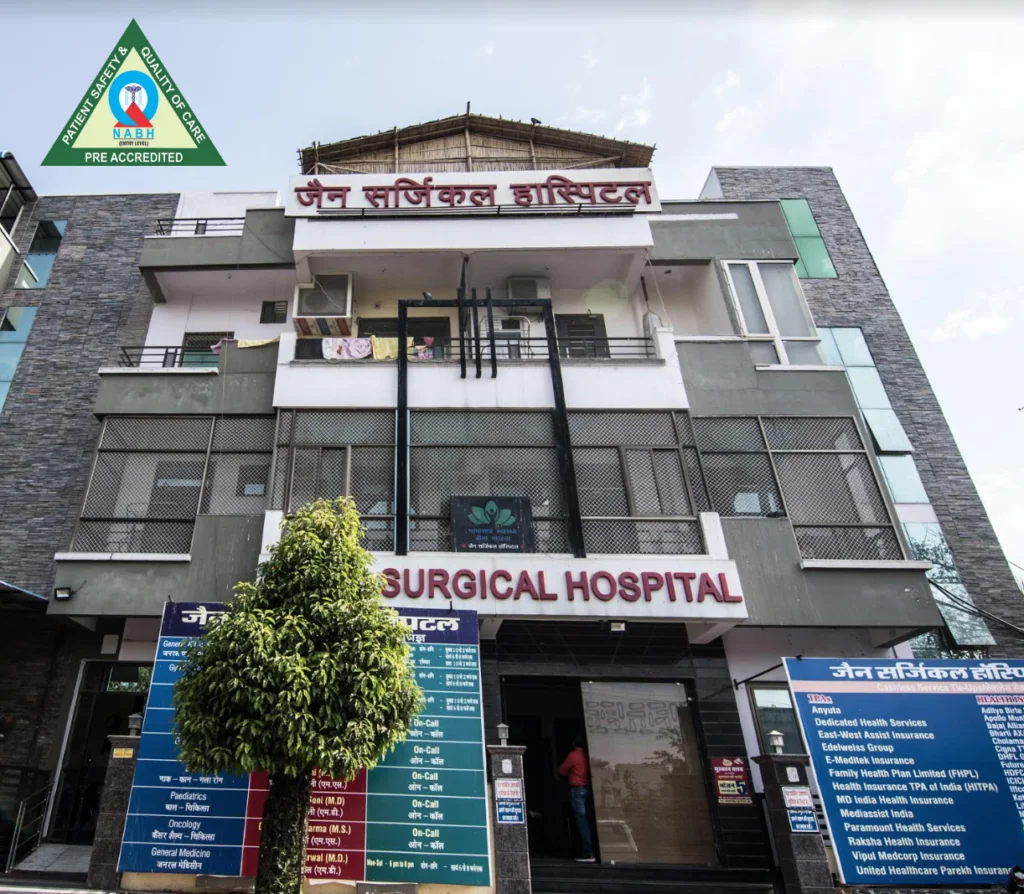
Discussing urinary symptoms can feel uncomfortable for many men, which is why a supportive and judgment-free environment matters. Jain Surgical Hospital brings together experienced urologists, modern diagnostic equipment, and a patient-first approach to make every consultation comfortable and stress-free.
As a well-established hospital in Kota, the team focuses on explaining each condition in plain language, discussing all available treatment options, and creating a plan suited to the patient’s age, lifestyle, and overall health. Whether the concern is mild urinary discomfort or a more advanced case requiring surgery, patients receive clear guidance at every step.
Delaying a urology visit often allows minor symptoms to develop into more serious complications. A timely check-up at a reliable urology hospital in Kota can help catch prostate issues early, when treatment is simplest and most effective.
Frequently Asked Questions
1. What is the main cause of an enlarged prostate?
The exact cause is not fully known, but hormonal changes related to aging are considered the primary factor behind prostate enlargement.
2. Is an enlarged prostate the same as prostate cancer?
No. An enlarged prostate (BPH) is non-cancerous and does not increase the risk of prostate cancer, although both conditions can cause similar urinary symptoms.
3. Can an enlarged prostate be treated without surgery?
Yes. Many cases are managed successfully with medication and lifestyle changes. Surgery is usually recommended only for severe symptoms or when other treatments do not provide relief.
4. At what age does an enlarged prostate typically develop?
BPH commonly begins after age 40 and becomes more prevalent with each decade, affecting a large percentage of men by their 70s and 80s.
5. How long does it take to see improvement after starting treatment?
Medications often show improvement within a few weeks, while minimally invasive procedures and surgery typically offer faster and more lasting relief from symptoms.
Book Your Urology Consultation Today
Living with untreated urinary symptoms can affect sleep, comfort, and overall quality of life. If you are experiencing frequent urination, a weak urine stream, or any of the symptoms discussed above, do not delay seeking help. Visit Jain Surgical Hospital, a leading urology hospital in Kota, and consult an experienced urologist who can guide you toward the right diagnosis and treatment plan. Book your appointment today and take the first step toward better urinary health.