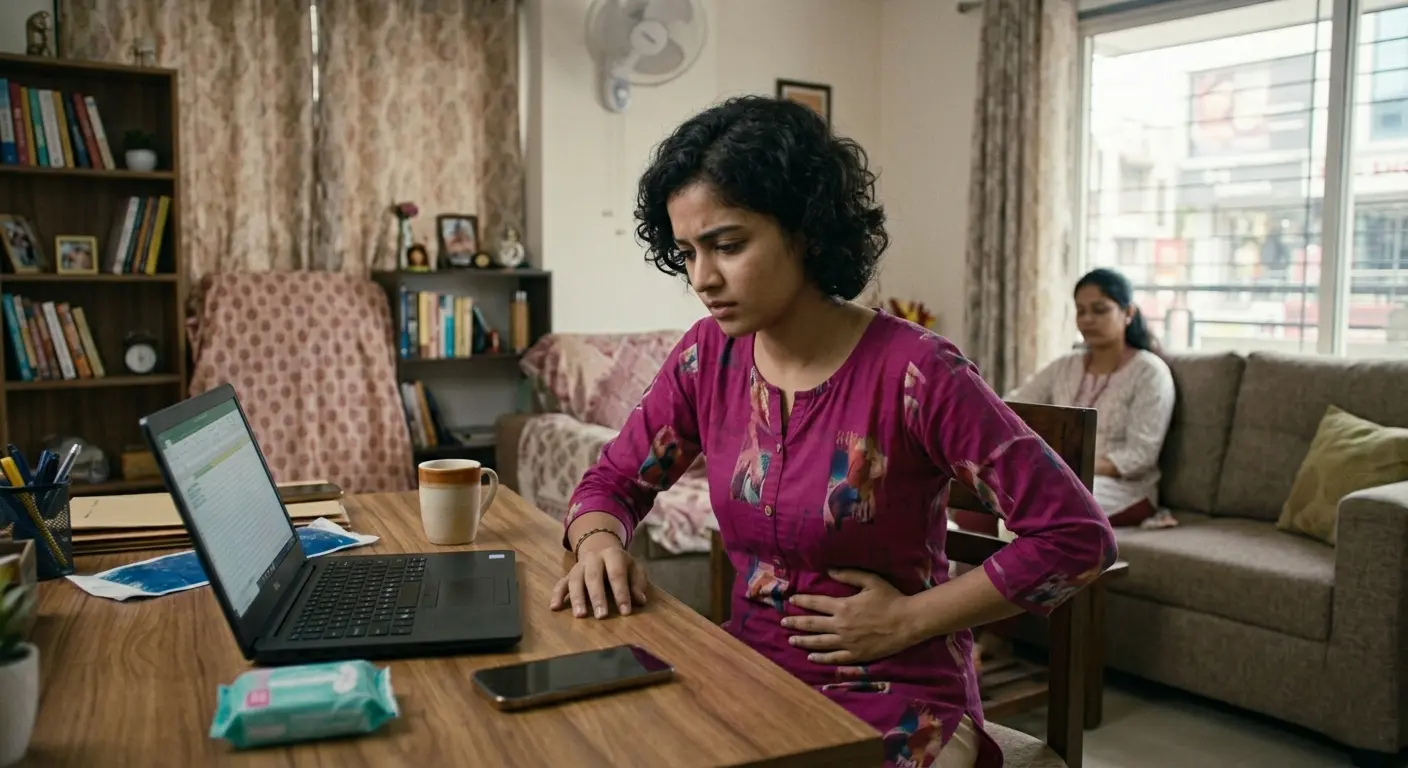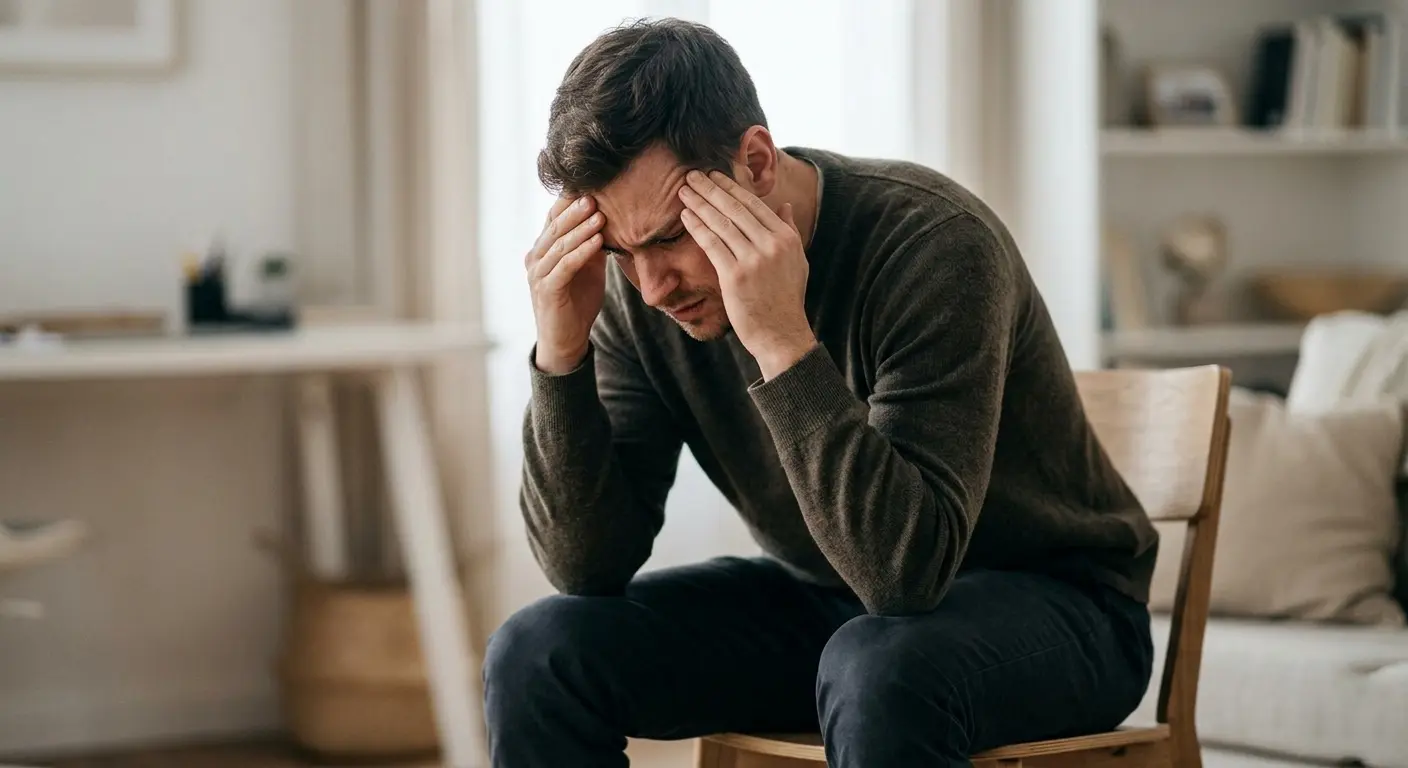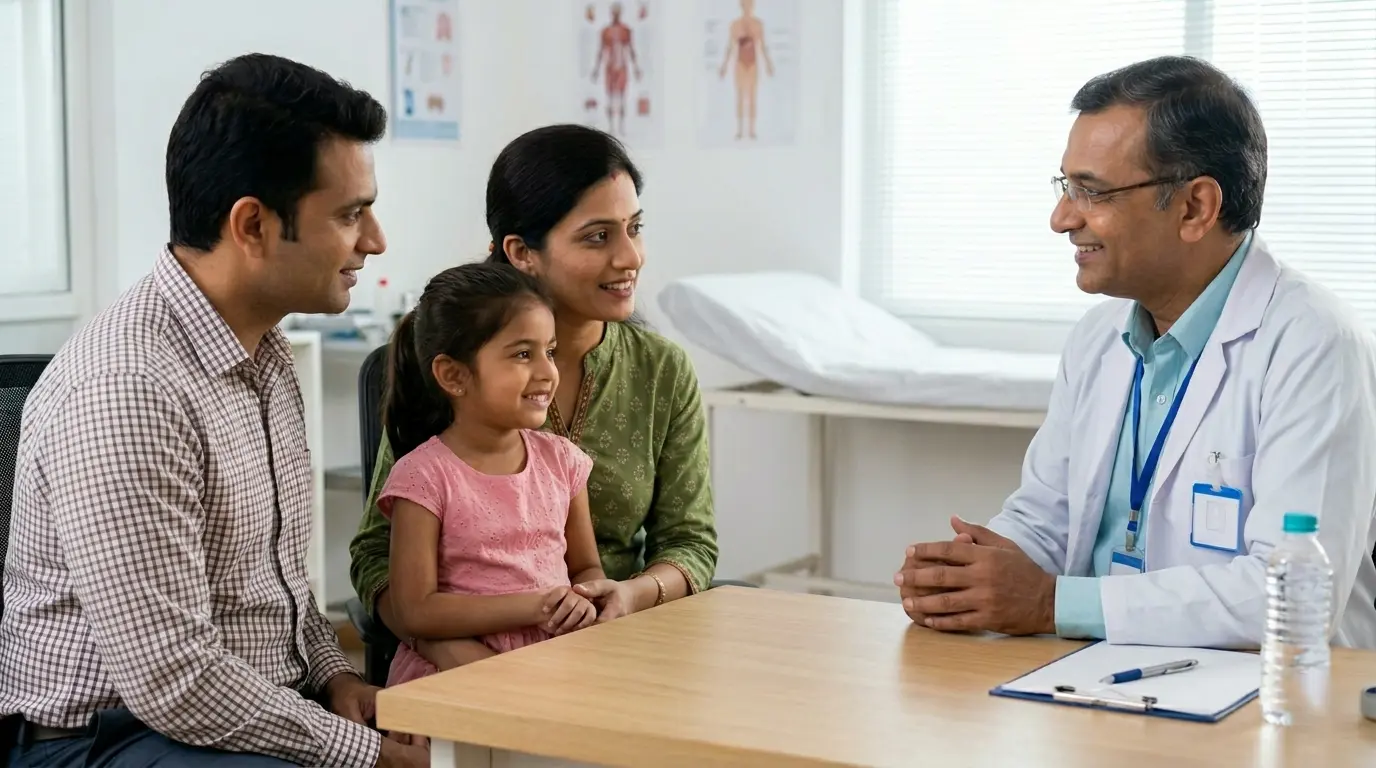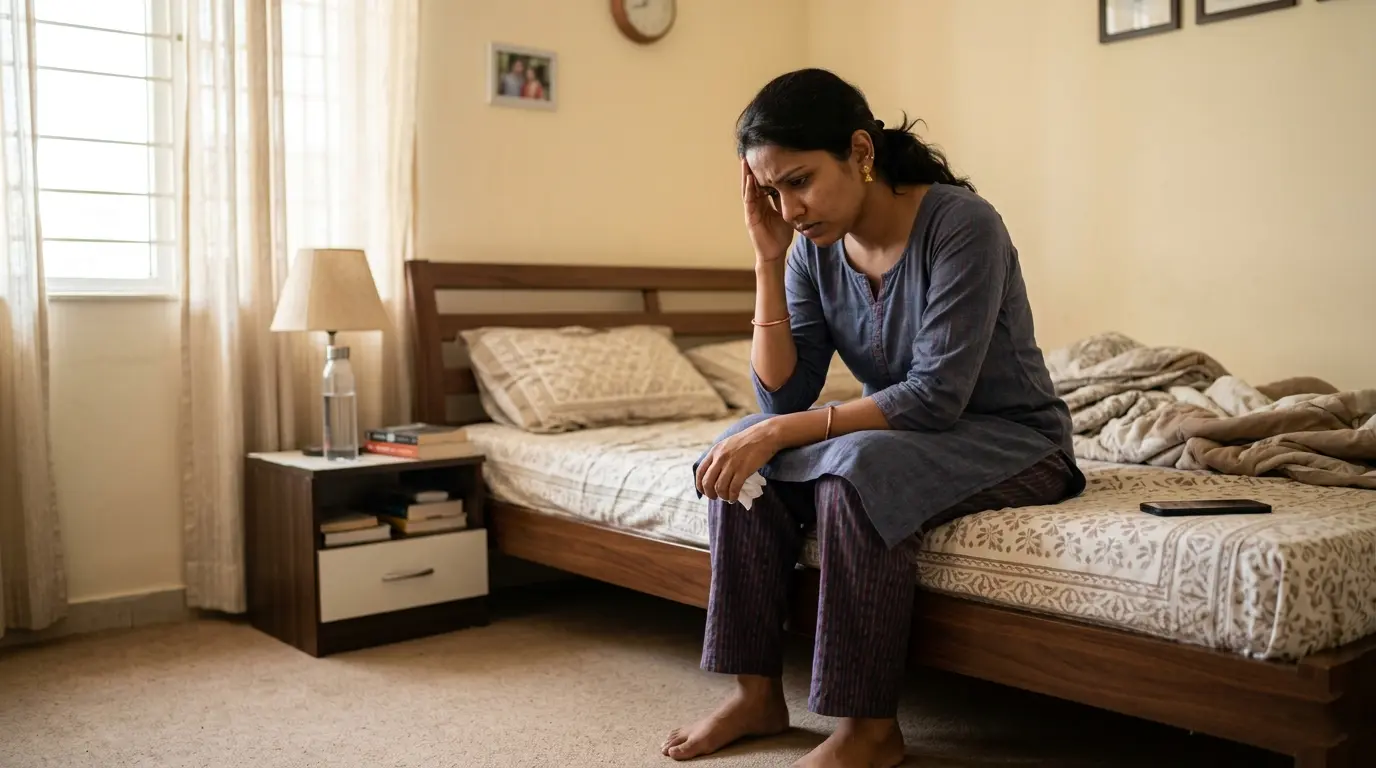

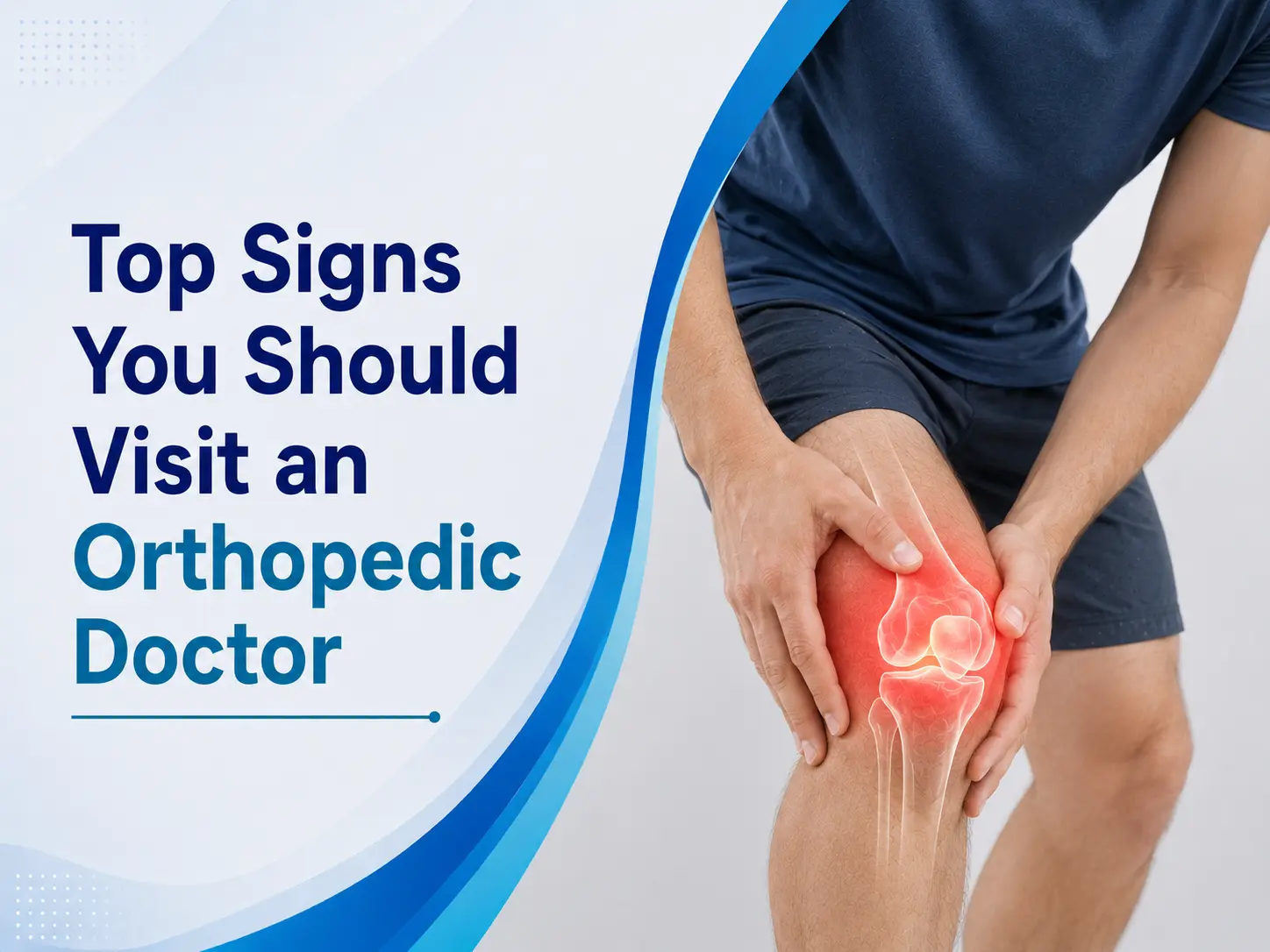
Our bones, joints, muscles, ligaments, and tendons work together to support movement and daily activities. When any part of the musculoskeletal system is injured or affected by disease, it can significantly impact mobility, comfort, and quality of life. Recognizing the Top Signs You Should Visit an Orthopedic Doctor can help prevent minor problems from becoming serious health concerns.
Many people ignore persistent pain or stiffness, hoping it will resolve on its own. However, delaying treatment can sometimes lead to worsening symptoms, prolonged recovery, and permanent joint or bone damage. Patients searching for an experienced orthopedic doctor in kota often discover that early diagnosis and treatment play a crucial role in maintaining long-term musculoskeletal health.
At Jain Surgical Hospital, comprehensive orthopedic care helps patients recover from injuries, manage chronic conditions, and return to their normal activities with confidence.
Why Knowing the Top Signs You Should Visit an Orthopedic Doctor Is Important
Musculoskeletal problems can affect people of all ages.
Without proper treatment, conditions involving bones, joints, muscles, or ligaments may lead to:
- Chronic pain
- Reduced mobility
- Joint damage
- Muscle weakness
- Difficulty performing daily activities
Recognizing symptoms early often improves treatment outcomes and recovery times.
Persistent Joint Pain That Does Not Improve
Occasional aches may occur after physical activity, but persistent joint pain should never be ignored.
Pain lasting several weeks may indicate:
- Arthritis
- Cartilage damage
- Ligament injury
- Joint inflammation
If pain continues despite rest and home care, it is time to consult an orthopedic specialist.
Difficulty Walking or Performing Daily Activities
When movement becomes difficult, it may signal an underlying orthopedic condition.
Common warning signs include:
- Difficulty climbing stairs
- Trouble walking long distances
- Pain while standing
- Reduced balance
Loss of mobility often affects independence and quality of life.
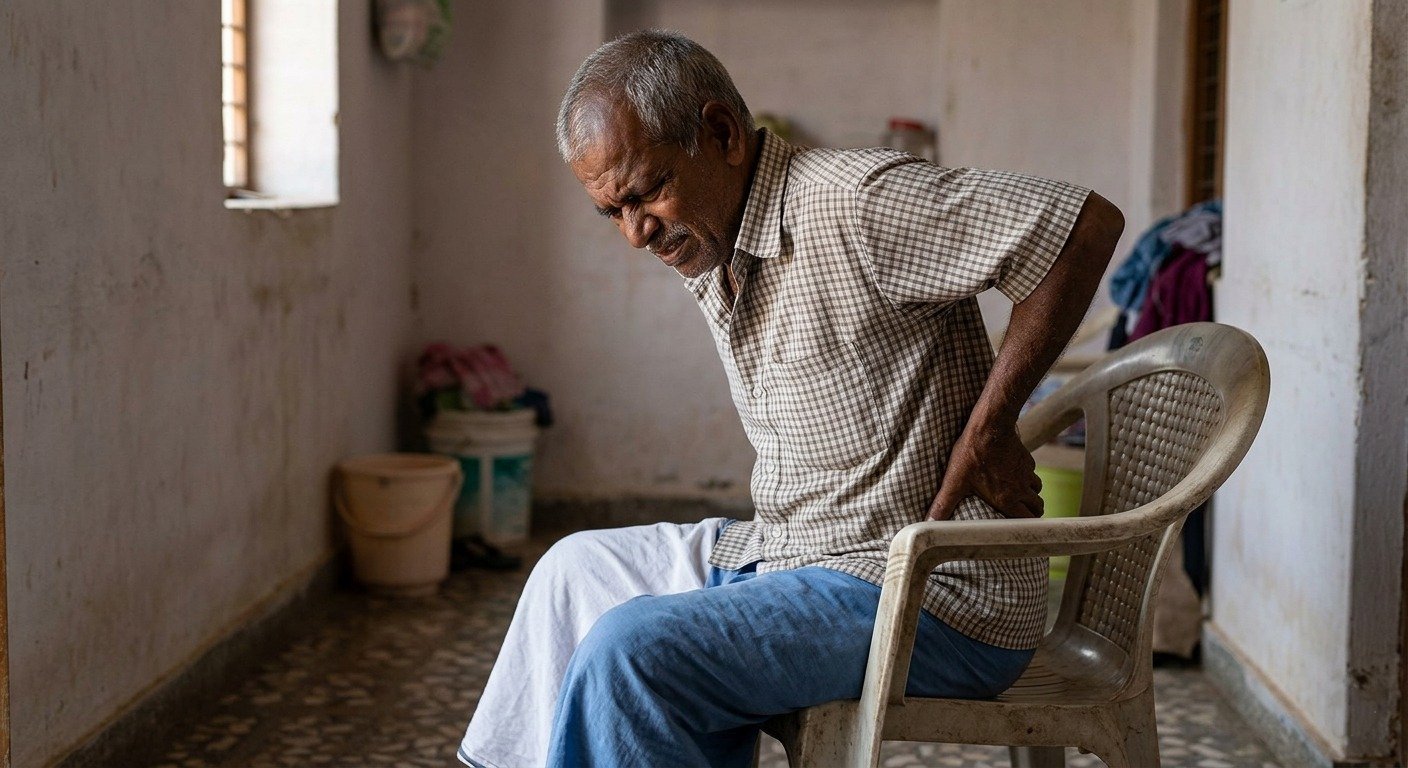
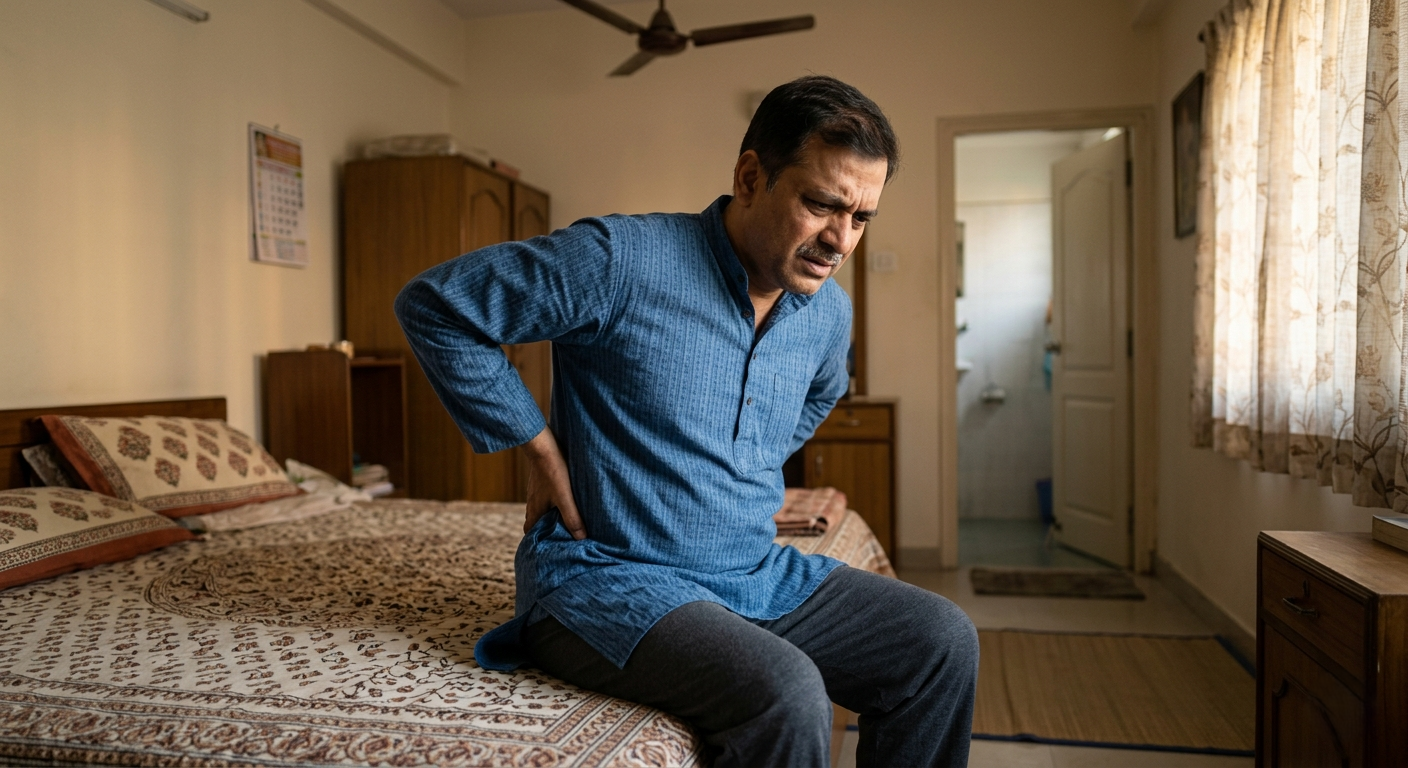
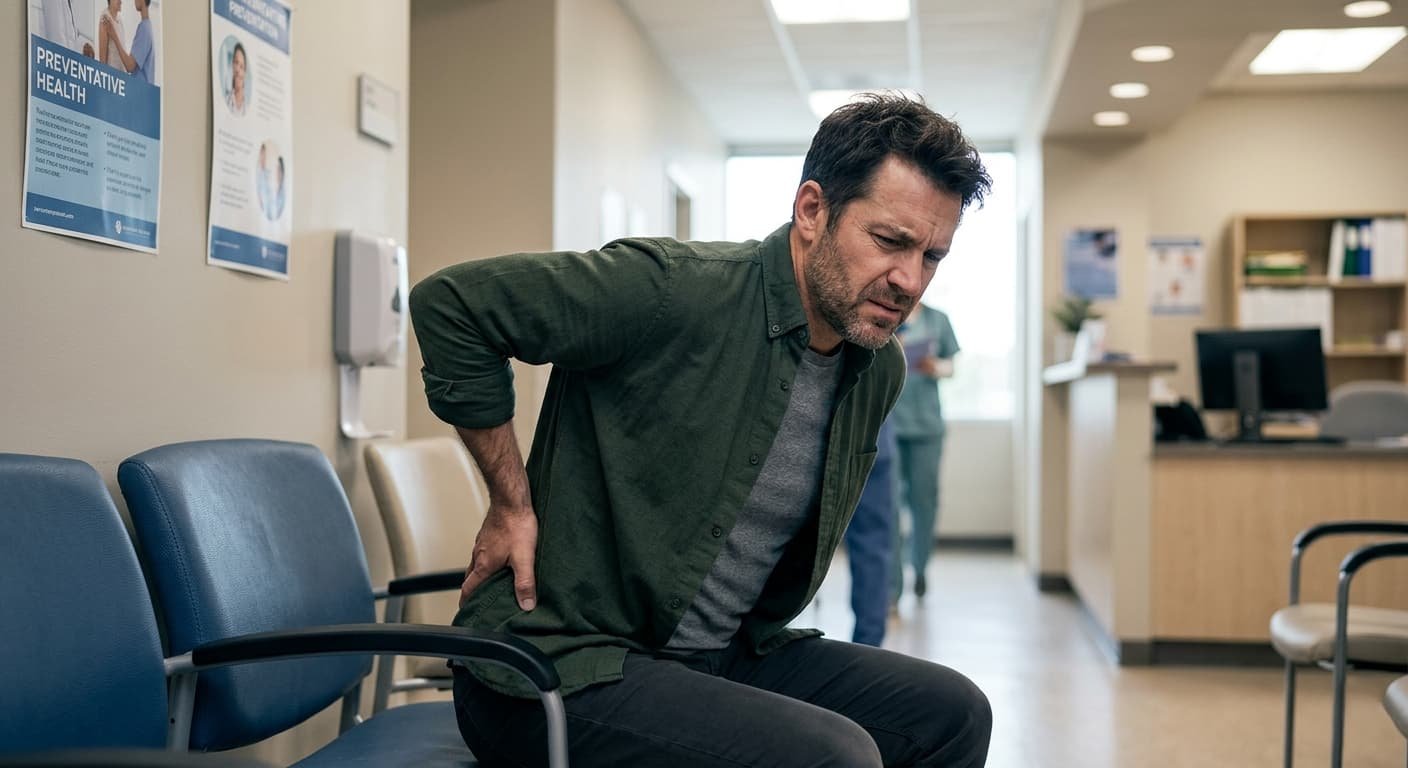
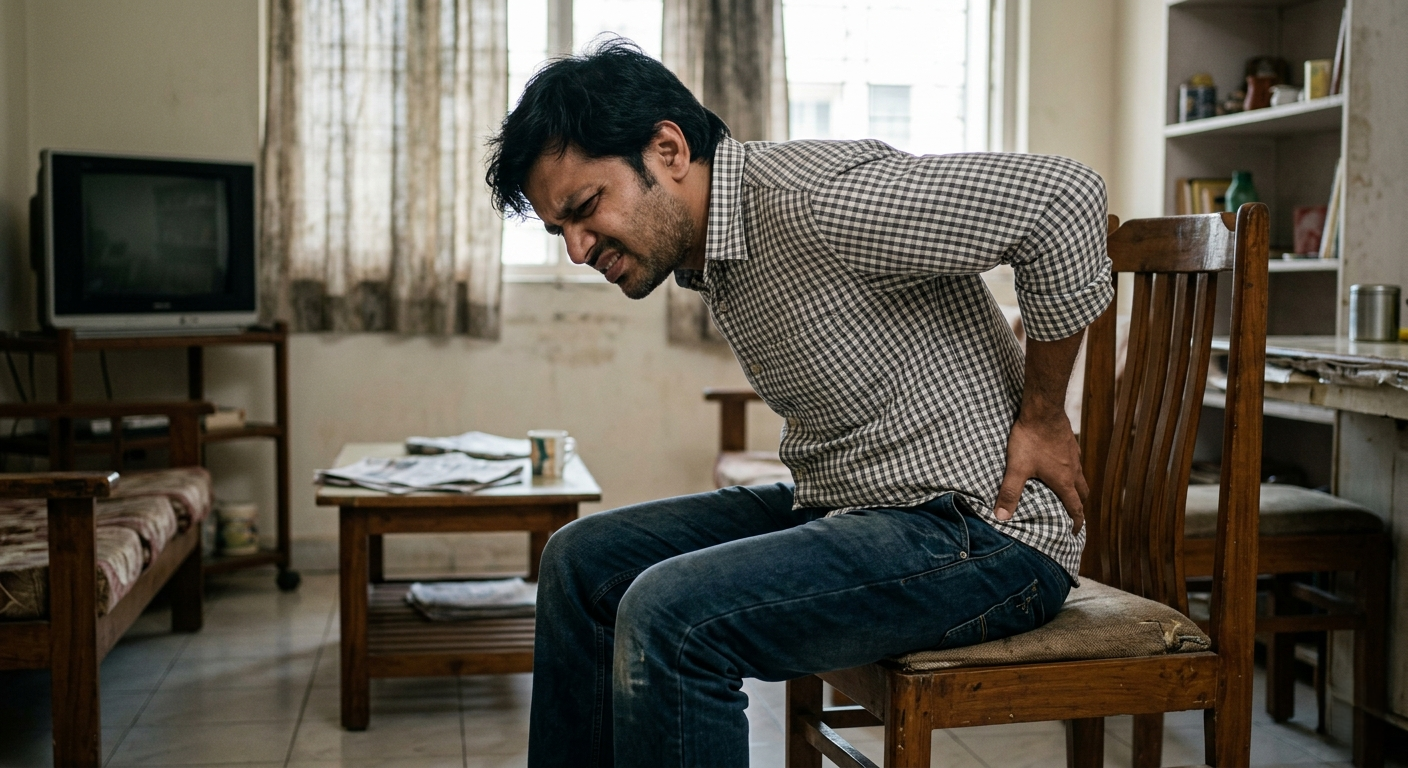
Chronic Back or Neck Pain
Back and neck pain are among the most common reasons people seek orthopedic care.
Persistent discomfort may result from:
- Muscle strain
- Disc problems
- Degenerative conditions
- Spinal abnormalities
Pain that lasts for several weeks deserves professional evaluation.
Joint Stiffness and Reduced Flexibility
Healthy joints should move comfortably through their normal range of motion.
Stiffness that limits movement may indicate:
- Osteoarthritis
- Inflammatory joint conditions
- Soft tissue injury
Morning stiffness or difficulty bending joints should not be ignored.
Swelling Around a Joint
Swelling often indicates inflammation or injury.
Affected joints may appear:
- Enlarged
- Tender
- Warm to the touch
Persistent swelling requires medical assessment to identify the underlying cause.
Frequent Sports Injuries
Athletes and active individuals are particularly vulnerable to orthopedic injuries.
Common sports-related conditions include:
- Ligament tears
- Tendon injuries
- Muscle strains
- Stress fractures
Prompt evaluation helps prevent long-term complications and supports safe recovery.
Numbness or Tingling in the Limbs
Numbness and tingling can sometimes indicate nerve compression or spinal issues.
Symptoms may affect:
- Hands
- Arms
- Feet
- Legs
When these sensations persist or worsen, orthopedic evaluation may be necessary.
Pain That Worsens During Activity
Pain that increases during movement or exercise can indicate structural problems.
Common examples include:
- Knee pain while walking
- Shoulder pain during lifting
- Hip discomfort while exercising
Activity-related pain often signals the need for professional diagnosis.
Difficulty Recovering After an Injury
Most minor injuries improve within a reasonable timeframe.
Medical attention may be needed if:
- Pain persists
- Swelling continues
- Movement remains limited
- Recovery seems unusually slow
Delayed healing can indicate a more serious injury than initially suspected.
Visible Bone or Joint Deformity
Changes in the appearance of bones or joints should be evaluated promptly.
Examples include:
- Joint misalignment
- Visible swelling
- Abnormal curvature
- Bone protrusions
These signs may indicate fractures, arthritis, or structural abnormalities.
Recurrent Shoulder, Knee, or Hip Pain
Repeated episodes of pain often suggest an underlying condition rather than temporary strain.
Frequently affected joints include:
Shoulder
Rotator cuff injuries and arthritis are common causes.
Knee
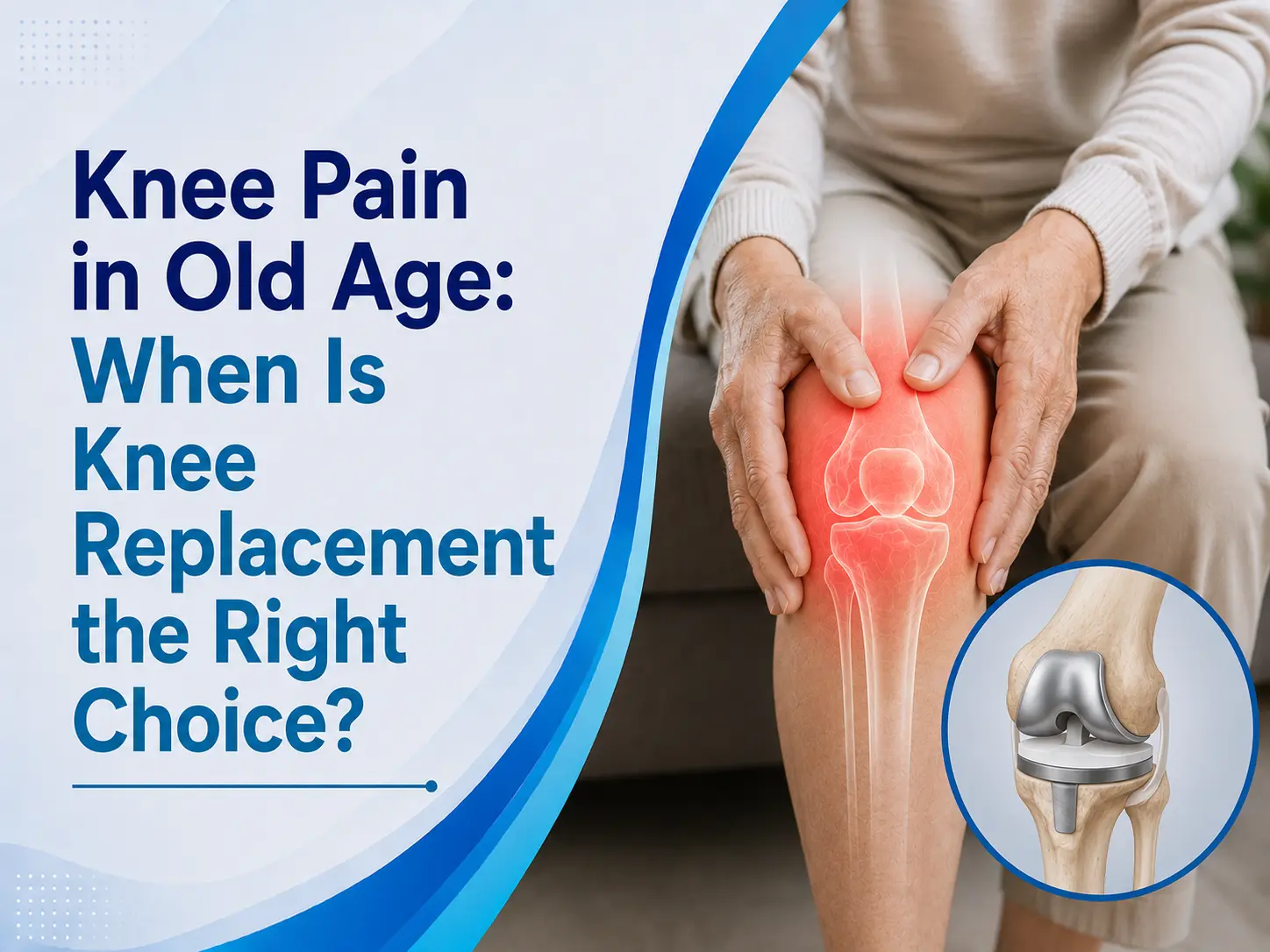
Meniscus injuries, ligament tears, and osteoarthritis may contribute.
Hip
Hip arthritis and tendon disorders can lead to recurring discomfort.
Persistent symptoms should be assessed by an orthopedic specialist.
Common Orthopedic Conditions That Require Treatment
Several musculoskeletal conditions commonly require orthopedic care.
Osteoarthritis
A degenerative condition affecting joint cartilage.
Rheumatoid Arthritis
An autoimmune disease causing joint inflammation.
Fractures
Broken bones often require specialized treatment.
Ligament Injuries
Commonly affect knees, ankles, and shoulders.
Tendon Disorders
Can cause pain and reduced movement.
Spine Problems
May involve discs, nerves, or vertebral structures.
Early treatment often prevents progression and complications.
Risk Factors for Orthopedic Problems
Certain factors increase the likelihood of musculoskeletal issues.
Aging
Joint wear and tear increases over time.
Obesity
Extra weight places stress on joints.
Physical Inactivity
Weak muscles provide less support for joints.
Repetitive Motion
Repeated movements can strain tissues.
Sports Participation
Athletic activities increase injury risk.
Understanding these factors helps support prevention and early intervention.
When Should You See an Orthopedic Doctor Immediately?
Certain symptoms require urgent evaluation.
Seek medical attention if you experience:
- Severe pain
- Suspected fracture
- Inability to bear weight
- Sudden joint swelling
- Significant loss of movement
- Visible deformity
Prompt treatment can improve outcomes and reduce complications.
How Orthopedic Conditions Are Diagnosed
Orthopedic specialists use several diagnostic tools to identify the cause of symptoms.
Physical Examination
Assessment of movement, strength, and pain location.
X-Rays
Used to evaluate bones and joint alignment.
MRI Scans
Provide detailed images of soft tissues and ligaments.
CT Scans
Offer advanced imaging for complex injuries.
Laboratory Testing
May be used when inflammatory conditions are suspected.
Accurate diagnosis is essential for effective treatment planning.
Treatment Options Offered by Orthopedic Specialists
Treatment depends on the condition, severity, and patient needs.
Lifestyle Modifications
Weight management and activity changes may reduce symptoms.
Physical Therapy
Improves strength, flexibility, and function.
Medications
Help manage pain and inflammation.
Joint Injections
May provide targeted symptom relief.
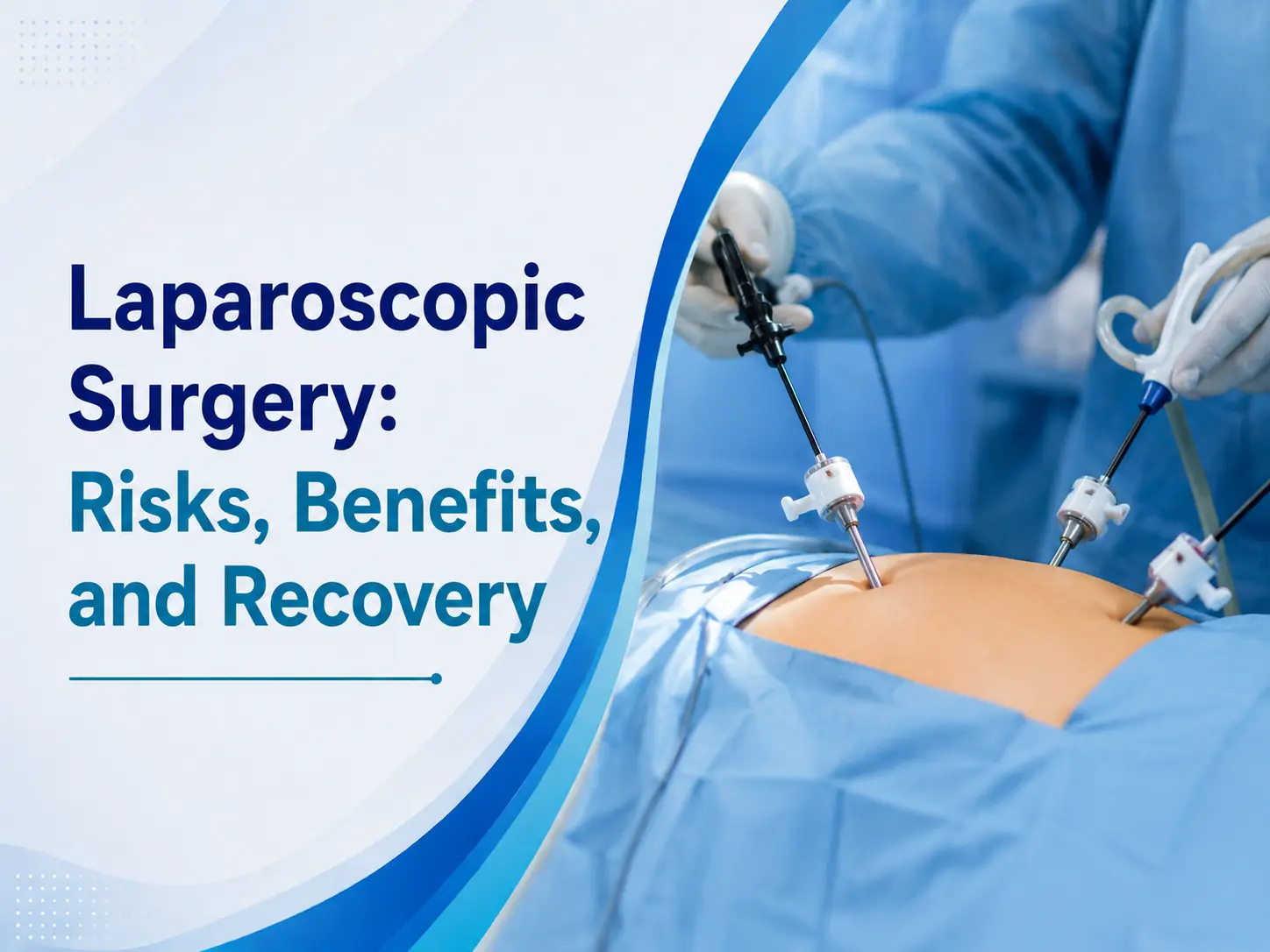
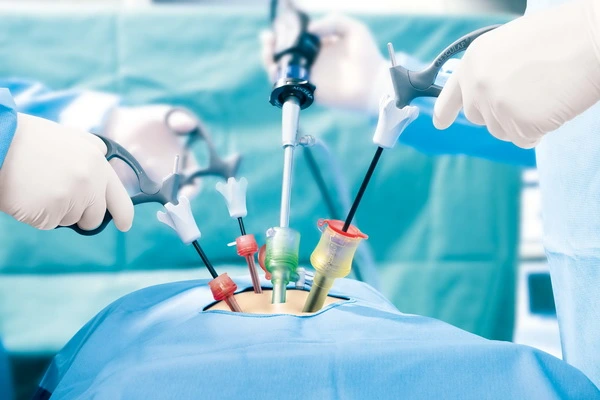
Minimally Invasive Procedures
Advanced techniques can reduce recovery times.
Surgical Treatment
Some conditions require orthopedic surgery for optimal results.
Patients often seek the best orthopedic doctor in kota for comprehensive evaluation and treatment planning.
Benefits of Early Orthopedic Treatment
Seeking care early offers several advantages.
Benefits include:
- Faster recovery
- Reduced pain
- Improved mobility
- Lower risk of complications
- Better long-term outcomes
Recognizing the Top Signs You Should Visit an Orthopedic Doctor can help patients avoid unnecessary delays in treatment.
How to Maintain Strong Bones and Healthy Joints
Preventive care plays an important role in musculoskeletal health.
Helpful strategies include:
Stay Physically Active
Regular exercise strengthens muscles and joints.
Maintain Healthy Weight
Reducing excess weight decreases joint stress.
Eat a Balanced Diet
Adequate calcium and vitamin D support bone health.
Practice Good Posture
Proper posture helps prevent spinal strain.
Avoid Smoking
Smoking may negatively affect bone health and healing.
Healthy habits contribute to long-term orthopedic wellness.
Comprehensive Orthopedic Care at Jain Surgical Hospital
Jain Surgical Hospital provides advanced orthopedic services designed to diagnose, treat, and prevent musculoskeletal disorders.
Services include:
- Fracture management
- Joint pain treatment
- Sports injury care
- Arthritis management
- Spine evaluation
- Orthopedic surgery
- Rehabilitation programs
Frequently Asked Questions (FAQs)
What conditions does an orthopedic doctor treat?
Orthopedic doctors treat conditions affecting bones, joints, muscles, ligaments, tendons, and the spine, including fractures, arthritis, sports injuries, and back pain.
When should I see an orthopedic doctor for joint pain?
You should seek evaluation if joint pain lasts several weeks, worsens over time, limits movement, or affects daily activities.
Can orthopedic problems heal without surgery?
Many orthopedic conditions improve with physical therapy, medication, lifestyle modifications, and minimally invasive treatments. Surgery is only recommended when necessary.
Conclusion
Recognizing the Top Signs You Should Visit an Orthopedic Doctor can help prevent minor musculoskeletal problems from becoming major health concerns. Symptoms such as persistent pain, swelling, stiffness, mobility limitations, numbness, and recurring injuries should never be ignored.
Early diagnosis and treatment often lead to faster recovery, improved mobility, and better long-term outcomes. Whether the issue involves a sports injury, arthritis, back pain, or joint disorder, prompt orthopedic evaluation can make a significant difference.
At Jain Surgical Hospital, patients receive comprehensive orthopedic care, advanced diagnostic services, and personalized treatment plans designed to restore function and improve quality of life.
Book Your Orthopedic Consultation Today
If you are experiencing bone, joint, muscle, or spine-related symptoms, schedule a consultation at Jain Surgical Hospital. Our experienced orthopedic specialists provide expert diagnosis, advanced treatment options, and compassionate care to help you move comfortably and live actively.