
Infertility is a growing concern for many women and couples trying to start a family. While some women may not notice any obvious symptoms, others experience subtle warning signs that could indicate underlying reproductive health issues. Understanding the Common Infertility Signs can help women seek timely medical evaluation and improve their chances of successful conception.
Infertility is generally defined as the inability to become pregnant after one year of regular, unprotected intercourse. For women over the age of 35, evaluation is often recommended after six months of trying to conceive. Many women seeking an infertility specialist kota discover that early diagnosis and treatment can significantly improve fertility outcomes.
At Jain Surgical Hospital, comprehensive fertility evaluations and personalized treatment plans help women identify the causes of infertility and take the next steps toward parenthood.
Understanding Female Infertility
Female infertility can result from a wide range of reproductive, hormonal, and lifestyle factors.
The reproductive process involves several important steps:
- Regular ovulation
- Healthy fallopian tubes
- Proper hormonal balance
- Healthy uterine environment
- Successful fertilization and implantation
A problem affecting any of these stages can contribute to infertility.
Understanding the Common Infertility Signs allows women to recognize potential concerns before fertility challenges become more difficult to address.
Why Early Recognition of Infertility Signs Matters
Many women assume fertility problems only become apparent when pregnancy does not occur.
However, certain symptoms may appear months or even years before fertility difficulties become obvious.
Early detection can help:
- Identify underlying conditions
- Improve treatment success rates
- Preserve reproductive health
- Reduce emotional stress
- Expand fertility treatment options
Seeking medical advice early often leads to better outcomes.
Irregular Menstrual Cycles
One of the most common warning signs of fertility problems is an irregular menstrual cycle.
Symptoms may include:
- Unpredictable periods
- Missed periods
- Cycles shorter than 21 days
- Cycles longer than 35 days
Irregular menstruation often indicates ovulation problems, which are among the leading infertility causes in female patients.
Absent Periods (Amenorrhea)
Women who stop having periods without pregnancy should seek medical evaluation.
Absent periods may result from:
- Hormonal disorders
- Excessive stress
- Polycystic ovary syndrome (PCOS)
- Thyroid conditions
- Premature ovarian insufficiency
Regular ovulation is essential for conception, making this symptom particularly important.
Very Painful Menstrual Periods
Severe menstrual pain should never be considered normal.
Intense cramps may be associated with:
- Endometriosis
- Adenomyosis
- Pelvic inflammatory disease
- Fibroids
These conditions can interfere with fertility and may require specialized treatment.
Heavy or Unusually Light Menstrual Bleeding
Changes in menstrual flow may indicate hormonal or structural reproductive issues.
Women may notice:
- Excessively heavy bleeding
- Extremely light periods
- Significant changes in flow patterns
These symptoms may signal ovulation disorders or uterine abnormalities.
Difficulty Predicting Ovulation
Ovulation plays a crucial role in fertility.
Women experiencing inconsistent ovulation may notice:
- Irregular cycles
- Lack of ovulation symptoms
- Unpredictable fertile windows
Ovulation disorders are among the most common causes requiring female infertility treatment kota.
Pelvic Pain
Persistent pelvic discomfort can sometimes indicate underlying reproductive conditions.
Common causes include:
- Endometriosis
- Fibroids
- Ovarian cysts
- Pelvic infections
Chronic pelvic pain should always be evaluated by a fertility specialist.
Pain During Intercourse
Pain during sexual activity is not something women should ignore.
This symptom may result from:
- Endometriosis
- Pelvic inflammatory disease
- Vaginal disorders
- Hormonal changes
Underlying reproductive conditions associated with painful intercourse can also affect fertility.
Hormonal Imbalance Symptoms
Hormonal irregularities can interfere with ovulation and reproductive function.
Common signs include:
- Excess facial hair
- Acne
- Hair thinning
- Weight gain
- Mood changes
These symptoms often occur in women with PCOS and other endocrine disorders.
Recurrent Pregnancy Loss
Repeated miscarriages may indicate fertility-related concerns.
Potential causes include:
- Hormonal imbalances
- Genetic factors
- Uterine abnormalities
- Autoimmune disorders
Women experiencing recurrent pregnancy loss should undergo comprehensive fertility evaluation.
Difficulty Conceiving Despite Regular Attempts
The most obvious sign of infertility is difficulty achieving pregnancy despite regular, unprotected intercourse.
Medical evaluation is generally recommended:
- After 12 months for women under 35
- After 6 months for women over 35
Early assessment can help identify the underlying cause and improve treatment outcomes.
Common Causes of Female Infertility
Understanding potential causes helps explain why infertility occurs.
Ovulation Disorders
Problems with ovulation account for a significant percentage of infertility cases.
Polycystic Ovary Syndrome (PCOS)
A common hormonal condition that affects ovulation.
Endometriosis
Tissue growth outside the uterus may interfere with fertility.
Fallopian Tube Blockage
Blocked tubes can prevent fertilization.
Uterine Fibroids
Fibroids may affect implantation or pregnancy maintenance.
Hormonal Imbalances
Hormonal disorders can disrupt the reproductive cycle.
These are among the most frequently diagnosed infertility causes in female patients.
Lifestyle Factors That May Affect Fertility
Several lifestyle factors can influence reproductive health.
Chronic Stress
Long-term stress may affect hormone production.
Smoking
Smoking can negatively impact egg quality and reproductive function.
Obesity
Excess body weight may disrupt ovulation.
Poor Nutrition
Nutritional deficiencies can affect reproductive health.
Lack of Physical Activity
Regular exercise supports overall hormonal balance.
Addressing lifestyle factors may improve fertility potential.
When Should You Consult an Infertility Specialist?
Women should seek medical evaluation if they experience:
- Irregular periods
- Severe menstrual pain
- Recurrent miscarriages
- Known reproductive disorders
- Difficulty conceiving
Consulting an experienced infertility specialist kota can help identify problems early and guide treatment decisions.
How Female Infertility Is Diagnosed
Accurate diagnosis is essential for effective treatment.
Medical History Review
Doctors assess menstrual patterns, reproductive history, and symptoms.
Hormone Testing
Blood tests evaluate reproductive hormone levels.
Ovulation Assessment
Monitoring helps determine whether ovulation is occurring regularly.
Ultrasound Examination
Imaging identifies structural abnormalities such as cysts or fibroids.
Tubal Evaluation
Tests may assess whether the fallopian tubes are open.
Comprehensive testing helps determine the most appropriate treatment approach.
Treatment Options for Female Infertility
Treatment depends on the underlying cause.
Lifestyle Modifications
Improving diet, exercise, and stress management may support fertility.
Ovulation Induction
Medications may help stimulate ovulation.
Hormonal Therapy
Used when hormonal imbalances are present.
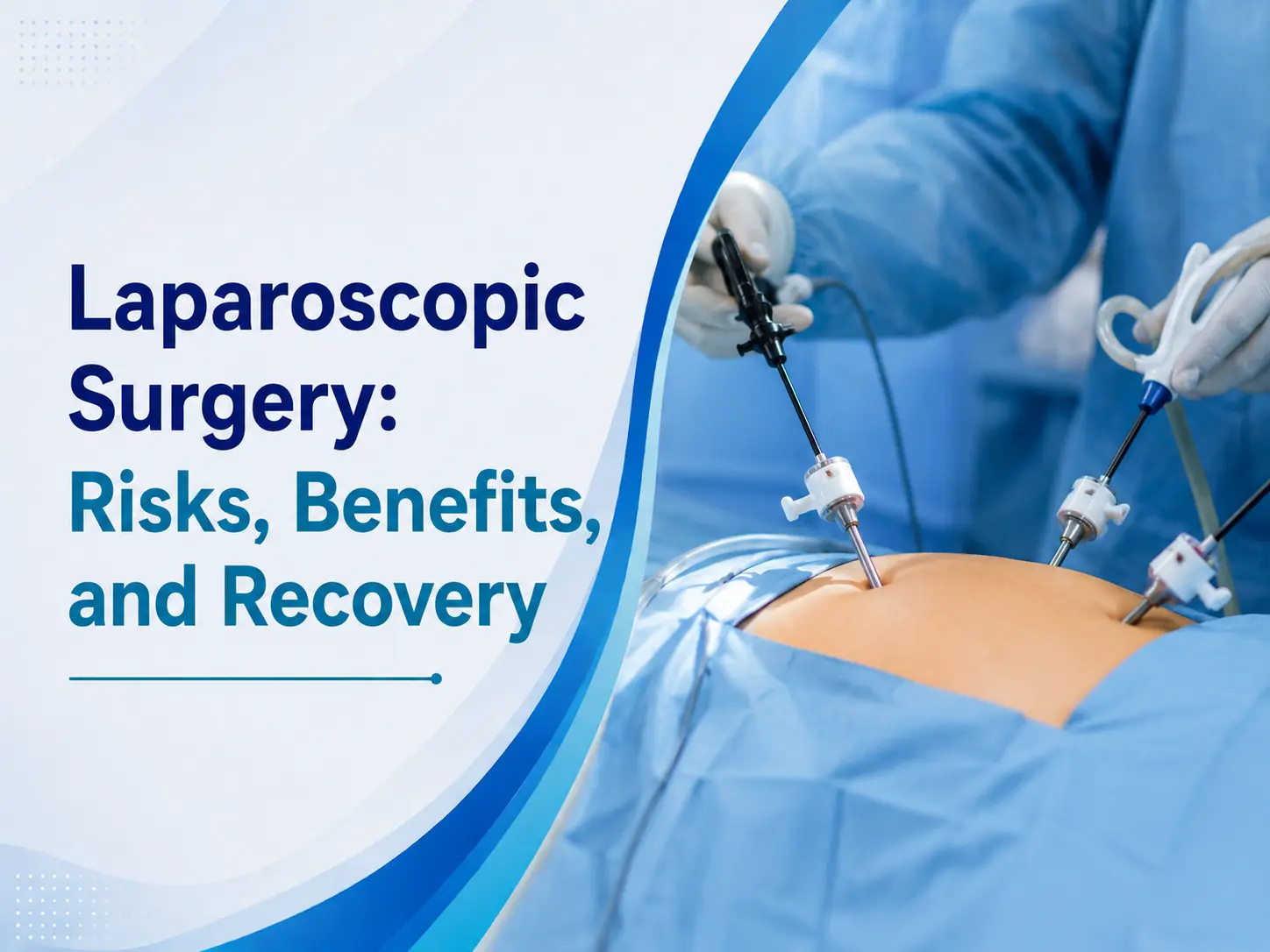
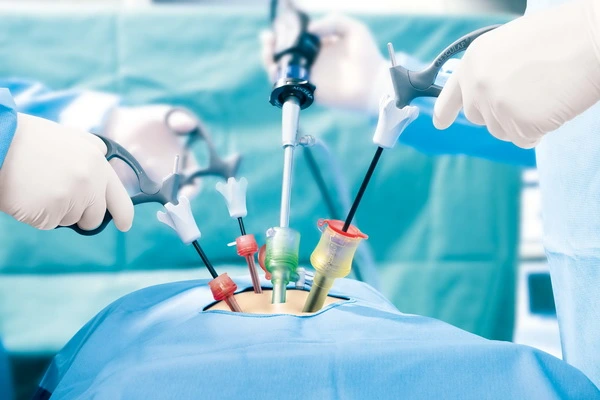
Minimally Invasive Surgery
Certain structural conditions may require surgical correction.
Advanced Fertility Treatments
Specialized reproductive technologies may be recommended in some cases.
Women seeking Infertility treatment kota often benefit from personalized treatment plans based on their specific diagnosis.
Can Infertility Be Prevented?
Not all causes of infertility can be prevented.
However, women can protect reproductive health by:
- Maintaining healthy weight
- Avoiding smoking
- Managing stress
- Seeking treatment for reproductive disorders
- Scheduling regular gynecological checkups
Preventive care plays an important role in preserving fertility.
Comprehensive Fertility Care at Jain Surgical Hospital
Jain Surgical Hospital provides advanced fertility evaluation and reproductive healthcare services designed to support women at every stage of their fertility journey.
Services include:
- Fertility consultations
- Hormonal assessment
- Ovulation monitoring
- Reproductive health evaluation
- Minimally invasive gynecological procedures
- Personalized fertility treatment plans
Frequently Asked Questions (FAQs)
What is the first sign of female infertility?
Irregular menstrual cycles are often one of the earliest and most noticeable signs of fertility-related problems.
Can infertility occur even if periods are regular?
Yes. Some women with regular menstrual cycles may still experience infertility due to issues involving the fallopian tubes, uterus, or egg quality.
When should I see a fertility specialist?
Women under 35 should generally seek evaluation after one year of unsuccessful attempts to conceive. Women over 35 are often advised to seek evaluation after six months.
Conclusion
Recognizing the Common Infertility Signs is an important step toward protecting reproductive health and improving fertility outcomes. Symptoms such as irregular periods, painful menstruation, hormonal imbalance, pelvic pain, and difficulty conceiving should never be ignored.
Early diagnosis allows doctors to identify the underlying cause and recommend appropriate treatment options. Whether fertility challenges are related to ovulation disorders, hormonal imbalances, endometriosis, or other conditions, timely intervention can make a significant difference.
At Jain Surgical Hospital, women receive comprehensive fertility evaluations, personalized treatment plans, and compassionate care designed to support their journey toward successful conception and long-term reproductive health.
Book Your Fertility Consultation Today
If you are experiencing fertility concerns or symptoms that may affect your ability to conceive, schedule a consultation at Jain Surgical Hospital. Our experienced specialists provide advanced diagnostic services and personalized fertility solutions to help you take the next step toward building your family.