
Kidney stones are one of the most painful urinary tract conditions affecting people of all ages. While some kidney stones remain small and pass naturally, others can cause severe pain, urinary problems, and complications that require medical intervention. Understanding the Most Common Symptoms of Kidney Stones can help you recognize the condition early and seek timely treatment before it becomes a medical emergency.
Many patients ignore the early warning signs, assuming they are experiencing a minor urinary infection or muscle strain. Unfortunately, delayed treatment can lead to infection, kidney damage, or blockage of urine flow. Individuals searching for kidney stone treatment kota often discover that early diagnosis significantly improves treatment outcomes and reduces complications.
At Jain Surgical Hospital, advanced diagnostic facilities and modern treatment options help patients receive effective care for kidney stones with a focus on faster recovery and long-term prevention.
What Are Kidney Stones?
Kidney stones are hard mineral and salt deposits that form inside the kidneys.
These stones develop when substances such as calcium, oxalate, and uric acid become concentrated in the urine and crystallize.
Kidney stones can vary in size from tiny grains to larger stones capable of blocking urine flow.
Depending on their size and location, kidney stones may cause mild symptoms or severe discomfort.
Why Recognizing the Most Common Symptoms of Kidney Stones Is Important
Many kidney stones develop silently and may not cause symptoms initially.
However, once a stone moves into the urinary tract, symptoms can appear suddenly and become severe.
Early recognition can help:
- Prevent complications
- Reduce pain severity
- Avoid urinary blockage
- Minimize infection risk
- Improve treatment success
Understanding the Most Common Symptoms of Kidney Stones can help patients seek medical attention before the condition worsens.
Severe Pain in the Side or Back
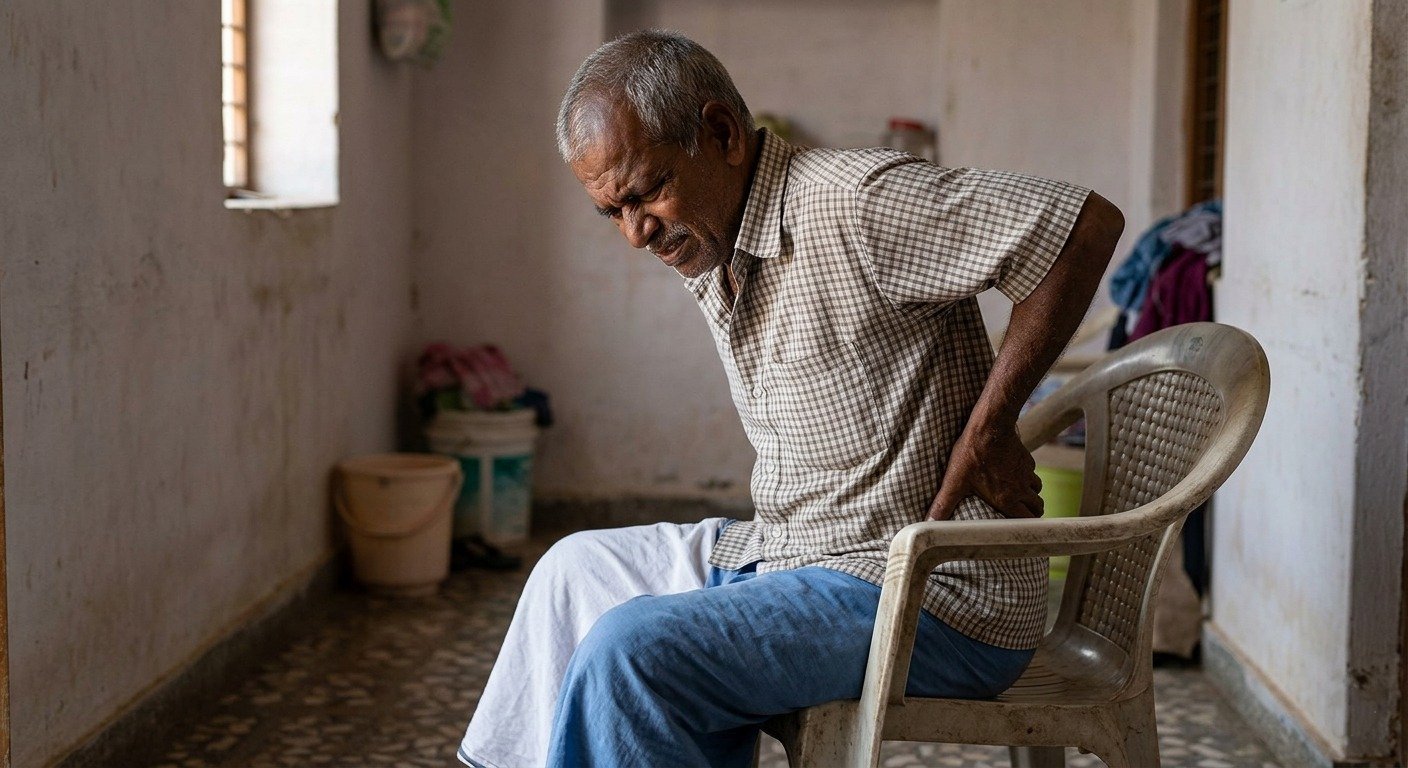
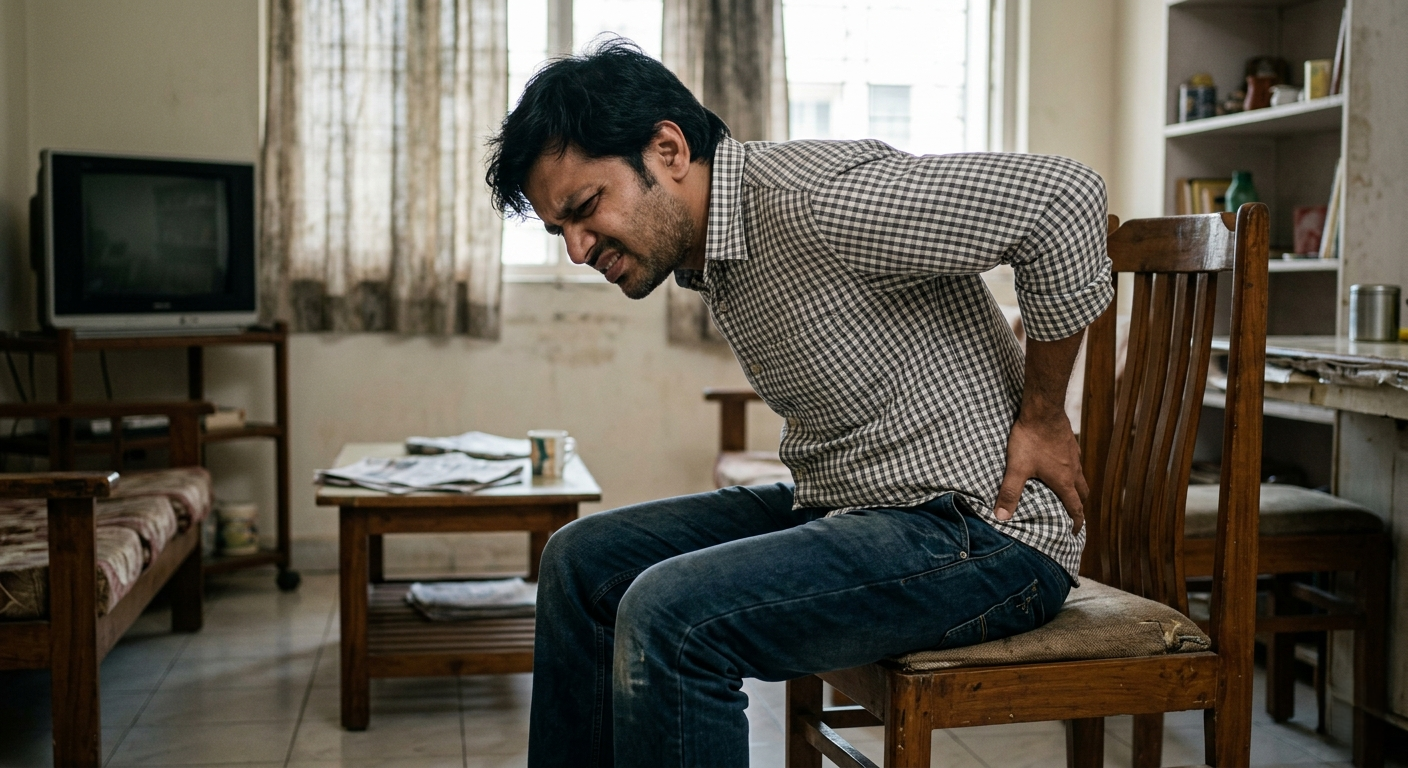
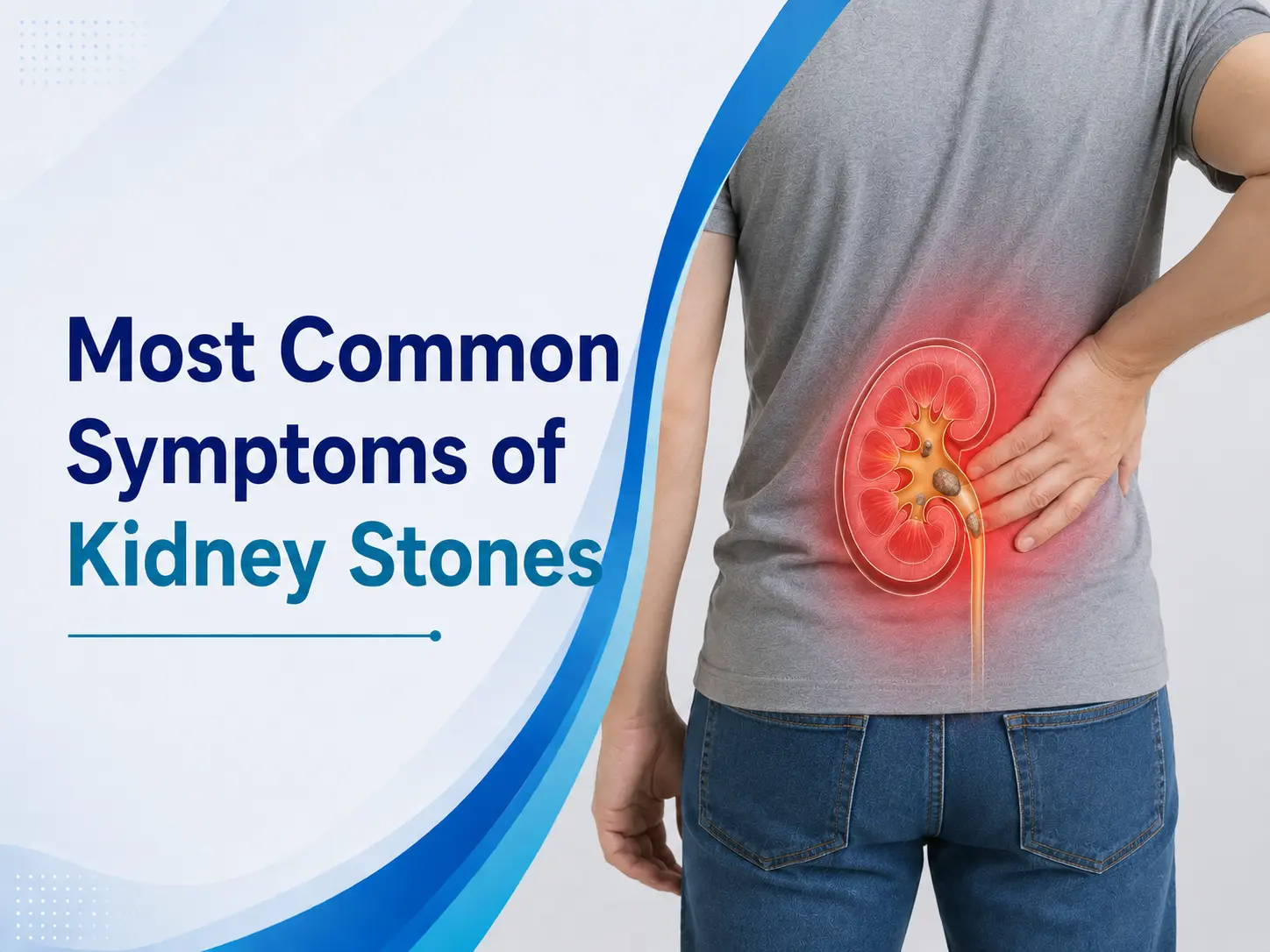
One of the hallmark symptoms of kidney stones is intense pain that begins in the side or back below the ribs.
The pain often:
- Appears suddenly
- Comes in waves
- Changes intensity
- May spread toward the abdomen
Many patients describe kidney stone pain as one of the most severe forms of pain they have ever experienced.
Pain That Radiates Toward the Groin
As the stone moves through the urinary tract, pain may travel downward.
Patients frequently experience discomfort that extends from the lower back into:
- The lower abdomen
- The groin area
- The pelvic region
The location of pain often changes as the stone moves.
Burning Sensation During Urination
A kidney stone approaching the bladder may cause irritation during urination.
Common symptoms include:
- Burning sensation
- Pain while passing urine
- Increased discomfort after urinating
Many individuals initially mistake these symptoms for a urinary tract infection.
Frequent Urination
Patients with kidney stones often notice an increased urge to urinate.
You may feel the need to use the restroom:
- More often than usual
- In small amounts
- Suddenly and urgently
This symptom commonly occurs when the stone reaches the lower urinary tract.
Blood in the Urine
Blood in the urine is one of the Most Common Symptoms of Kidney Stones.
The stone can irritate and damage the lining of the urinary tract as it moves.
Urine may appear:
- Pink
- Red
- Brown
- Rust-colored
Even small amounts of blood should be evaluated by a healthcare professional.
Cloudy or Foul-Smelling Urine
Changes in urine appearance or odor may indicate infection or urinary tract irritation.
Symptoms may include:
- Cloudy urine
- Strong-smelling urine
- Unusual urine color
These symptoms should not be ignored, especially when accompanied by pain.
Nausea and Vomiting
The kidneys and digestive system share certain nerve pathways.
As a result, severe kidney stone pain can trigger:
- Nausea
- Vomiting
- Loss of appetite
These symptoms often occur during acute stone attacks.
Difficulty Passing Urine
A larger stone may partially or completely block urine flow.
Patients may experience:
- Weak urine stream
- Interrupted urination
- Difficulty starting urination
- Reduced urine output
Urinary blockage requires prompt medical evaluation.
Fever and Chills
Fever and chills may indicate that a kidney stone has led to infection.
This is a serious complication that requires immediate medical attention.
Seek urgent care if kidney stone symptoms occur alongside:
- Fever
- Shivering
- Weakness
- Severe discomfort
Infected kidney stones can become life-threatening if left untreated.
Pain That Comes and Goes
Unlike some other conditions, kidney stone pain often fluctuates.
Patients frequently report:
- Sudden pain attacks
- Temporary relief periods
- Recurring discomfort
The pain pattern may change depending on stone movement within the urinary tract.
Types of Kidney Stones
Understanding stone types can help explain why kidney stones develop.
Common types include:
Calcium Stones
The most frequently diagnosed type.
Uric Acid Stones
Often associated with dehydration and dietary factors.
Struvite Stones
Usually linked to urinary tract infections.
Cystine Stones
A rarer type associated with inherited conditions.
Different stone types may require different treatment and prevention strategies.
Risk Factors for Kidney Stones
Several factors increase the likelihood of stone formation.
Common risk factors include:
Inadequate Hydration
Not drinking enough water allows minerals to concentrate in urine.
High-Sodium Diet
Excess salt may increase calcium excretion.
Family History
Genetics can play a role in stone formation.
Obesity
Excess body weight increases kidney stone risk.
Certain Medical Conditions
Digestive disorders and metabolic conditions may contribute to stone development.
Understanding these risk factors can help reduce recurrence.
When Should You See a Doctor?
Medical attention should be sought if you experience:
- Severe pain
- Blood in urine
- Persistent nausea
- Difficulty urinating
- Fever with urinary symptoms
Prompt diagnosis can help prevent complications and reduce discomfort.
Patients often seek care at a kidney stone treatment hospital in Kota when symptoms become difficult to manage.
How Kidney Stones Are Diagnosed
Doctors use several methods to confirm the presence of kidney stones.
Physical Examination
Evaluation of symptoms and pain location.
Urine Testing
Helps identify blood, infection, and stone-forming substances.
Blood Tests
Assess kidney function and metabolic factors.
Ultrasound
Frequently used to detect stones.
CT Scan
Provides detailed imaging and accurate stone assessment.
Accurate diagnosis allows doctors to recommend the most appropriate treatment.
Treatment Options for Kidney Stones
Treatment depends on the size, location, and severity of the stone.
Increased Fluid Intake
Small stones may pass naturally with adequate hydration.
Medications
Certain medications may help reduce pain and facilitate stone passage.
Shock Wave Therapy
Used to break larger stones into smaller fragments.
Endoscopic Procedures
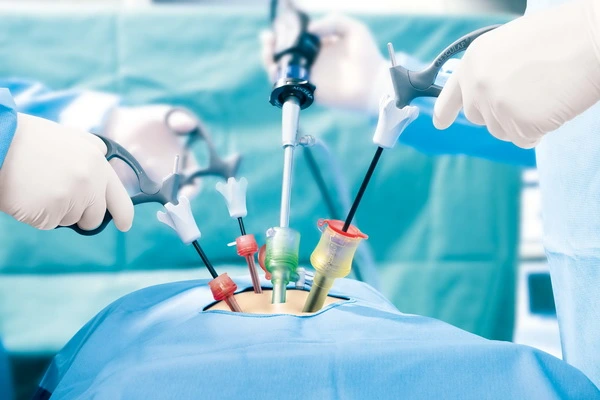
Minimally invasive techniques may be used to remove stones.
Surgical Treatment
Large or complicated stones may require kidney stone surgery kota.
Modern treatment approaches focus on minimizing discomfort and preserving kidney health.
Recovery After Kidney Stone Treatment
Recovery depends on the treatment method used.
Helpful recovery measures include:
- Drinking plenty of water
- Following dietary recommendations
- Taking prescribed medications
- Attending follow-up appointments
Most patients return to normal activities quickly after minimally invasive procedures.
How to Prevent Kidney Stones
Prevention is an important part of long-term kidney health.
Helpful strategies include:
Stay Hydrated
Adequate water intake helps dilute stone-forming substances.
Limit Excess Salt
Reducing sodium supports kidney function.
Maintain Healthy Weight
Weight management may lower stone risk.
Eat a Balanced Diet
Nutritional choices influence stone formation.
Follow Medical Advice
Patients with previous stones should follow personalized prevention plans.
These habits can significantly reduce recurrence risk.
Advanced Kidney Stone Care at Jain Surgical Hospital
Jain Surgical Hospital provides comprehensive diagnosis and treatment for kidney stones using advanced technology and modern treatment protocols.
Services include:
- Kidney stone evaluation
- Advanced imaging
- Medical stone management
- Minimally invasive procedures
- Kidney stone surgery
- Preventive care programs
Frequently Asked Questions (FAQs)
What is usually the first symptom of a kidney stone?
Severe pain in the side or back below the ribs is often the first noticeable symptom of a kidney stone.
Can kidney stones cause frequent urination?
Yes. Stones located near the bladder can create an increased urge to urinate and cause urinary discomfort.
Do all kidney stones require surgery?
No. Many small stones pass naturally with hydration and medical management. Surgery is typically reserved for larger or complicated stones.
Conclusion
Recognizing the Most Common Symptoms of Kidney Stones can help prevent complications and ensure timely treatment. Symptoms such as severe side pain, blood in the urine, frequent urination, nausea, and urinary discomfort should never be ignored.
Kidney stones can significantly affect quality of life, but early diagnosis and modern treatment options make successful management possible. Whether treatment involves medication, minimally invasive procedures, or kidney stone surgery kota, prompt care leads to better outcomes.
At Jain Surgical Hospital, patients receive expert diagnosis, advanced treatment, and comprehensive support for kidney stone management and prevention.
Book Your Consultation Today
If you are experiencing symptoms of kidney stones or recurrent urinary discomfort, schedule a consultation at Jain Surgical Hospital. Our experienced specialists provide advanced diagnosis and treatment solutions designed to relieve pain, protect kidney function, and help you return to a healthy, active life.