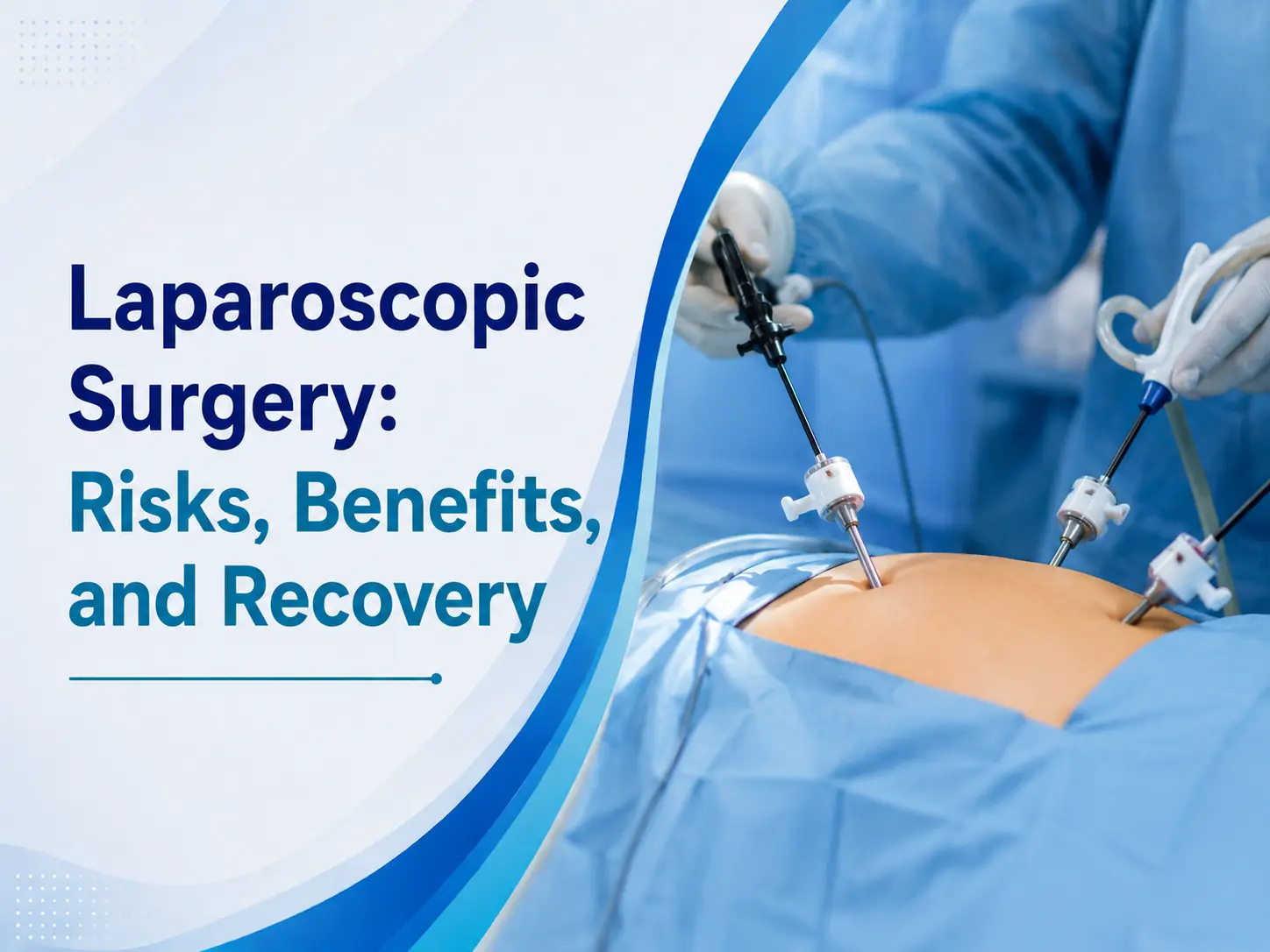
When surgery becomes necessary, patients often want a treatment option that offers less pain, faster recovery, and minimal scarring. This is one of the reasons why Laparoscopic Surgery has become one of the most preferred surgical techniques worldwide. Also known as minimally invasive surgery, laparoscopic procedures are now commonly used to treat conditions affecting the gallbladder, appendix, hernia, gastrointestinal tract, and female reproductive system.
Patients looking for a trusted laparoscopy hospital kota or the best laparoscopic surgeon kota frequently ask about the advantages, possible risks, and recovery process associated with laparoscopic procedures. Understanding these factors can help patients make informed decisions about their treatment.
At Jain Surgical Hospital, advanced laparoscopic techniques are used to provide safe, effective, and patient-focused surgical care with an emphasis on faster healing and improved outcomes.
What Is Laparoscopic Surgery?
Laparoscopic surgery is a modern surgical technique that allows surgeons to perform operations through small incisions instead of large cuts used in traditional open surgery.
The procedure involves inserting a thin instrument called a laparoscope through a small incision. The laparoscope contains a camera that displays magnified images of internal organs on a monitor.
Additional small incisions are made to insert specialized surgical instruments that allow the surgeon to complete the procedure with precision.
This approach has transformed many surgical treatments and is now considered a standard option for various medical conditions.
How Does Laparoscopic Surgery Work?
During the procedure, the surgeon makes several small incisions, usually ranging from 0.5 to 1.5 centimeters.
The abdomen is gently inflated with carbon dioxide gas to create working space and improve visibility.
The laparoscope transmits high-definition images to a monitor, enabling the surgeon to perform the operation while viewing internal structures in detail.
Once the procedure is completed, the instruments are removed, and the small incisions are closed using stitches or surgical glue.
This advanced approach forms the foundation of modern minimally invasive surgery kota services.
Common Conditions Treated with Laparoscopic Surgery
Laparoscopic procedures are used for a wide variety of medical conditions.
Common examples include:
Gallbladder Surgery
Removal of the gallbladder for gallstones and related complications.
Hernia Repair
Treatment of inguinal, umbilical, and ventral hernias.
Appendix Surgery
Removal of an inflamed appendix during appendicitis.
Gynecological Conditions
Management of ovarian cysts, fibroids, endometriosis, and infertility-related issues.
Gastrointestinal Disorders
Treatment of certain digestive system conditions.
Diagnostic Procedures
Evaluation of unexplained abdominal pain or other medical concerns.
Many patients seek treatment from a laparoscopic surgeon kota because these procedures often offer faster recovery than traditional surgery.
Benefits of Laparoscopic Surgery
One of the primary reasons laparoscopic surgery has become so popular is because of its numerous patient benefits.
Smaller Incisions
Unlike traditional surgery, laparoscopic procedures require only small incisions.
This results in reduced tissue damage and improved cosmetic outcomes.
Less Pain
Smaller incisions generally cause less postoperative discomfort.
Many patients require fewer pain medications after surgery.
Faster Recovery
Patients often recover more quickly and return to normal activities sooner.
This is one of the most significant advantages of minimally invasive surgery.
Shorter Hospital Stay
Many laparoscopic procedures allow patients to leave the hospital earlier compared to open surgery.
Reduced Blood Loss
The precision of laparoscopic techniques often minimizes bleeding during surgery.
Lower Infection Risk
Smaller wounds reduce exposure and may decrease infection risk.
Minimal Scarring
Tiny incisions leave much smaller scars than traditional surgical approaches.
These benefits make laparoscopic surgery an attractive option for many patients seeking care at the best hospital for laparoscopy in kota.
Why Patients Prefer Minimally Invasive Surgery
Patients today prioritize treatments that allow them to recover quickly and resume daily life.
Minimally invasive procedures offer:
- Better cosmetic results
- Less postoperative pain
- Reduced hospitalization
- Quicker return to work
- Faster mobility
- Lower complication rates in many cases
These advantages have contributed to the growing demand for minimally invasive surgery kota services.
Risks of Laparoscopic Surgery
Although laparoscopic surgery is considered safe, every surgical procedure carries certain risks.
Potential risks may include:
Infection
Small incision sites can occasionally develop infections.
Bleeding
Although uncommon, bleeding may occur during or after surgery.
Anesthesia Complications
General anesthesia carries some risks, especially in patients with underlying medical conditions.
Injury to Nearby Organs
Rarely, nearby organs such as the bowel, bladder, or blood vessels may be injured during surgery.
Blood Clots
Some patients may develop blood clots after surgery, particularly if mobility is delayed.
Conversion to Open Surgery
In certain situations, the surgeon may need to switch to traditional open surgery for patient safety.
The overall risk remains low when procedures are performed by an experienced best laparoscopic surgeon kota.
Who Is a Good Candidate for Laparoscopic Surgery?
Many patients are suitable candidates for laparoscopic procedures.
Eligibility depends on factors such as:
- Overall health condition
- Type of disease
- Previous surgeries
- Body weight
- Complexity of the procedure
Your surgeon will evaluate your medical history and diagnostic reports before recommending the most appropriate surgical approach.
Preparing for Laparoscopic Surgery
Proper preparation helps improve safety and recovery.
Patients may be advised to:
- Undergo blood tests
- Complete imaging studies
- Stop certain medications
- Avoid eating before surgery
- Inform doctors about allergies
- Follow pre-operative instructions carefully
Preparation plays an important role in achieving successful surgical outcomes.
What Happens During the Procedure?
The surgery is usually performed under general anesthesia.
After the patient is asleep:
- Small incisions are created.
- Carbon dioxide gas inflates the abdomen.
- The laparoscope is inserted.
- Surgical instruments are introduced.
- The procedure is completed.
- Incisions are closed.
The duration varies depending on the complexity of the operation.
Recovery After Laparoscopic Surgery
Recovery is generally faster compared to traditional open surgery.
Most patients experience:
- Mild discomfort
- Temporary fatigue
- Minimal wound pain
- Mild bloating
Doctors usually encourage early movement to improve circulation and reduce complications.
Many patients return to light activities within a few days.
Tips for Faster Recovery After Laparoscopic Surgery
Following your surgeon’s instructions can significantly improve healing.
Helpful recovery tips include:
Walk Regularly
Gentle walking improves circulation and reduces clot risk.
Stay Hydrated
Adequate hydration supports recovery and digestion.
Eat Nutritious Foods
A balanced diet helps tissue repair and energy restoration.
Avoid Heavy Lifting
Strenuous activities should be avoided until approved by the surgeon.
Attend Follow-Up Visits
Postoperative appointments help monitor healing and address concerns.
These measures support a smoother and safer recovery process.
Signs You Should Contact Your Doctor
Patients should seek medical attention if they experience:
- Persistent fever
- Severe abdominal pain
- Excessive bleeding
- Breathing difficulty
- Persistent vomiting
- Redness or discharge from wounds
Prompt medical evaluation helps prevent complications.
Laparoscopic Surgery vs Open Surgery
Many patients wonder which option is better.
Laparoscopic Surgery
- Smaller incisions
- Faster recovery
- Less pain
- Reduced scarring
- Shorter hospital stay
Open Surgery
- Larger incision
- Longer recovery
- Greater postoperative discomfort
- More visible scar
However, open surgery may still be necessary in certain complex situations.
Your surgeon will recommend the safest and most effective option.
Choosing the Right Laparoscopic Surgeon
Selecting an experienced surgeon plays a major role in treatment success.
Patients should consider:
- Surgical expertise
- Hospital facilities
- Technology availability
- Patient reviews
- Postoperative care support
Consulting an experienced laparoscopic surgeon kota improves treatment planning and patient confidence.
Advanced Laparoscopic Care at Jain Surgical Hospital
Jain Surgical Hospital offers comprehensive laparoscopic surgical services using advanced technology and modern treatment protocols.
Key features include:
- Experienced surgical team
- Advanced operation theatres
- Minimally invasive procedures
- Personalized patient care
- Faster recovery support
- Comprehensive follow-up care
Frequently Asked Questions (FAQs)
Is laparoscopic surgery safer than open surgery?
Laparoscopic surgery is generally considered safe and often offers advantages such as smaller incisions, less pain, and faster recovery. However, suitability depends on the patient’s condition.
How long does recovery take after laparoscopic surgery?
Recovery varies depending on the procedure performed. Many patients return to normal activities within one to three weeks, although complete healing may take longer.
Will I have scars after laparoscopic surgery?
Yes, but the scars are usually very small compared to traditional open surgery and often become less noticeable over time.
Conclusion
Laparoscopic Surgery has revolutionized modern surgical care by offering a minimally invasive approach that reduces pain, shortens hospital stays, and promotes faster recovery. From gallbladder removal and hernia repair to gynecological and gastrointestinal procedures, laparoscopic techniques continue to improve patient outcomes across a wide range of conditions.
While every surgery carries some risks, the benefits of minimally invasive surgery often outweigh those of traditional open procedures when performed by experienced specialists. Proper evaluation, preparation, and postoperative care are essential for achieving the best results.
At Jain Surgical Hospital, patients receive expert care from experienced surgeons dedicated to delivering safe, advanced, and patient-centered laparoscopic treatment.
Book Your Consultation Today
If you have been advised to undergo surgery or would like to explore minimally invasive treatment options, schedule a consultation at Jain Surgical Hospital. Our experienced surgical team can help you understand your options and guide you toward the most effective treatment plan for a faster and safer recovery.