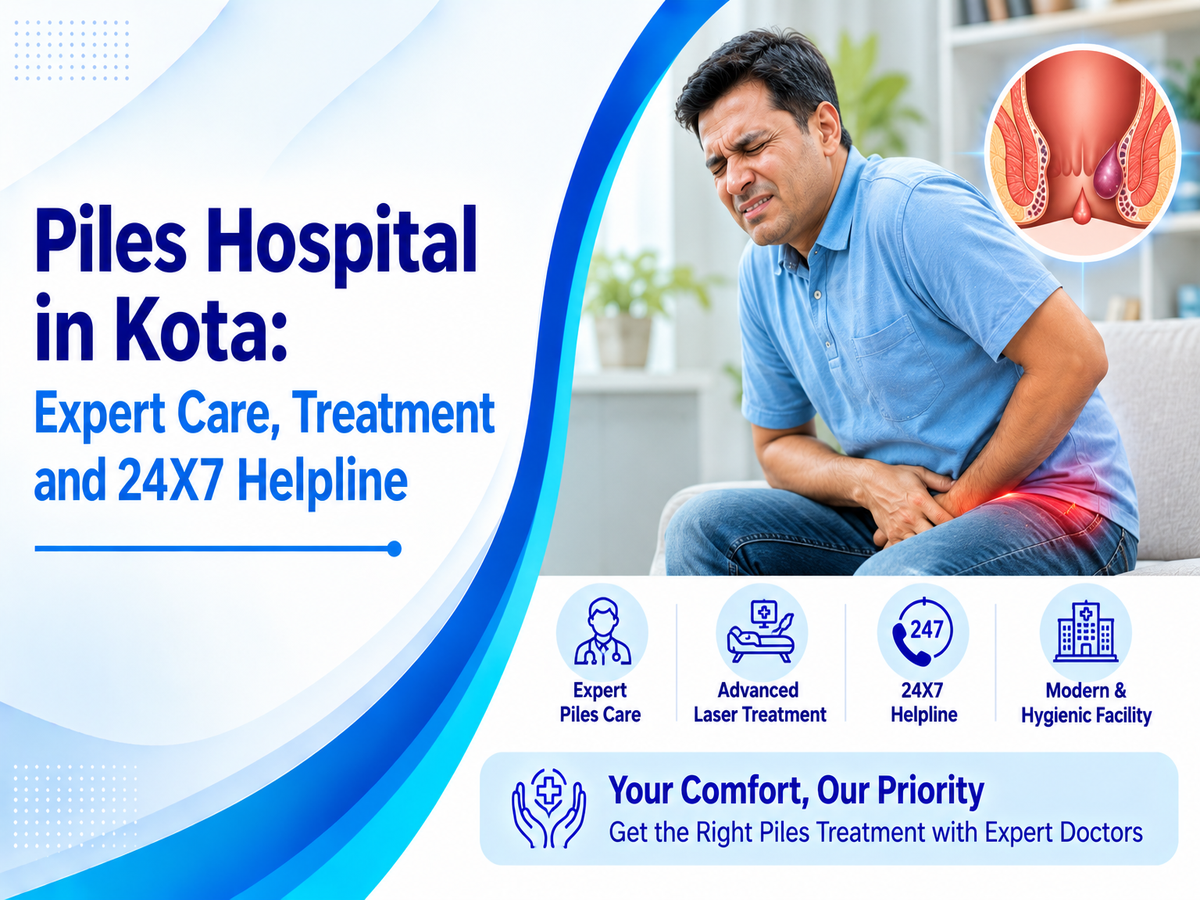
Finding the right Piles Hospital in Kota can make all the difference between weeks of unnecessary discomfort and a fast, effective recovery. Piles, also called hemorrhoids, are one of the most common yet under-discussed health issues, affecting people of all ages due to lifestyle habits, diet, and prolonged sitting.
Many patients delay treatment simply because they are unsure who to consult or feel hesitant to discuss the problem openly.
What Are Piles and Why Do They Occur?
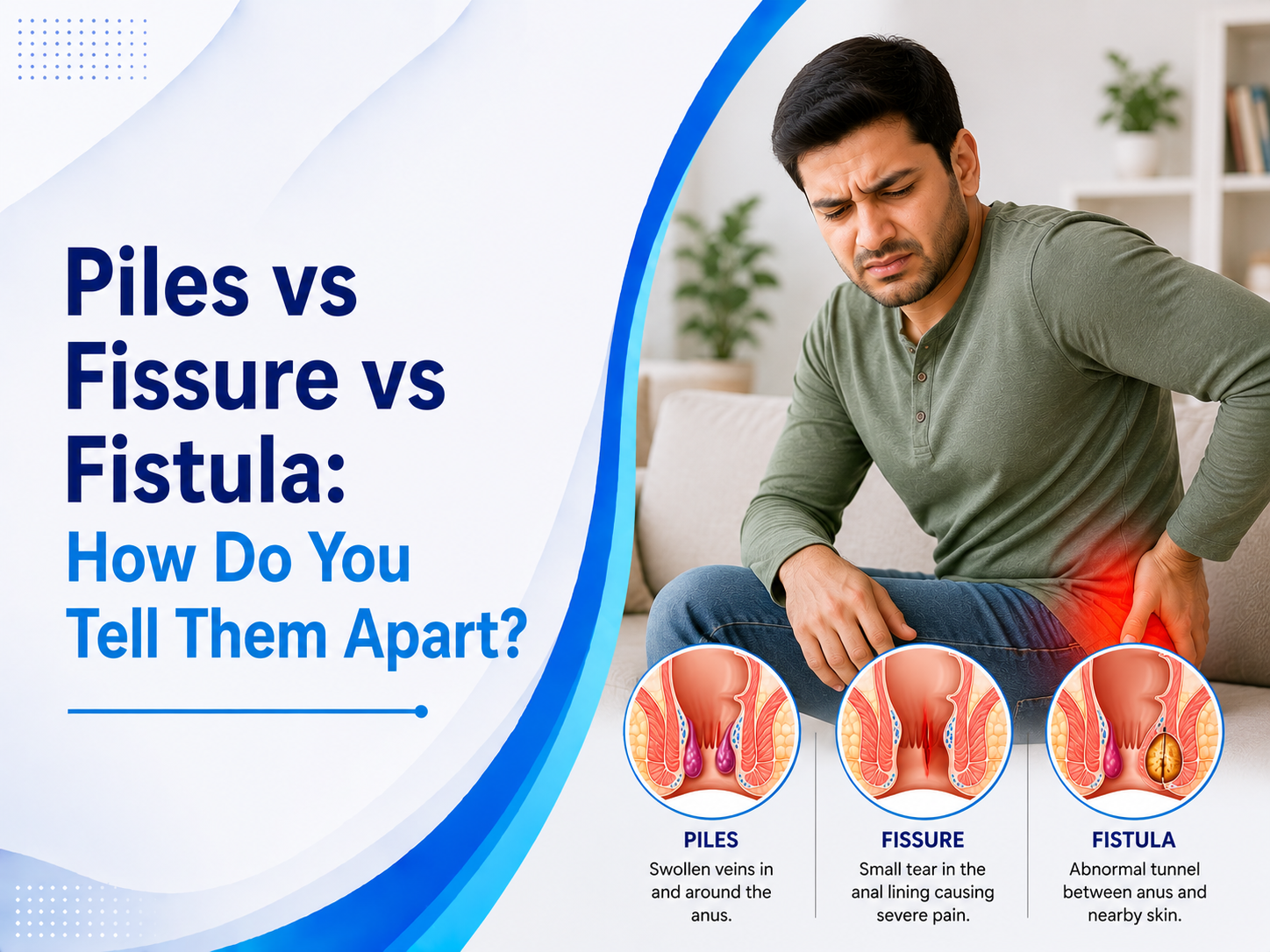
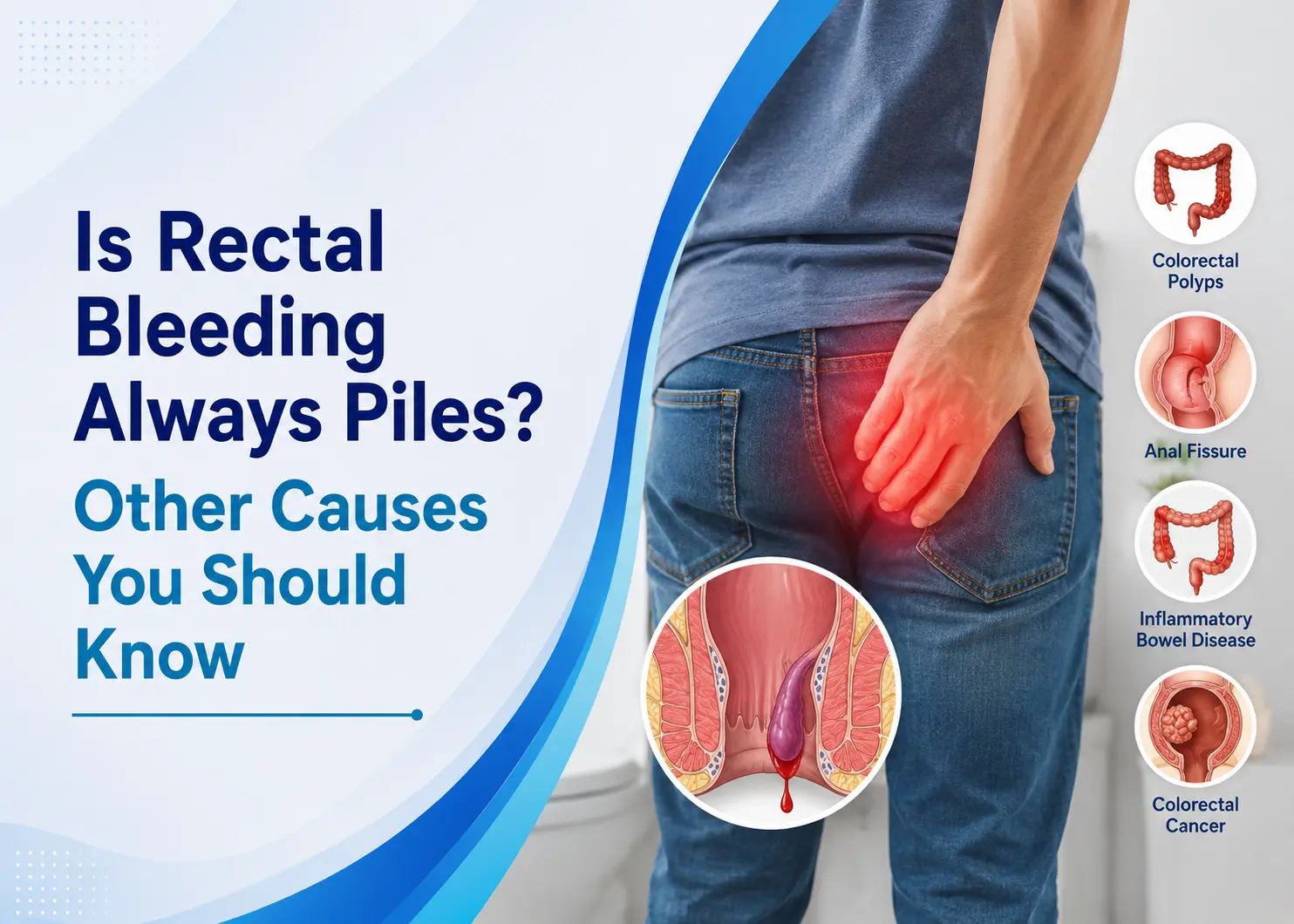
Piles develop when the veins in and around the anus become swollen due to increased pressure in the lower rectum. This swelling can happen internally, inside the rectum, or externally, around the anal opening, and both types can range from mild to severe.
Common contributing factors include chronic constipation, straining during bowel movements, prolonged sitting, obesity, pregnancy, and a low-fibre diet. Understanding these causes helps patients not only manage symptoms but also reduce the risk of the condition returning after treatment.
Common Symptoms That Indicate You Need Expert Care
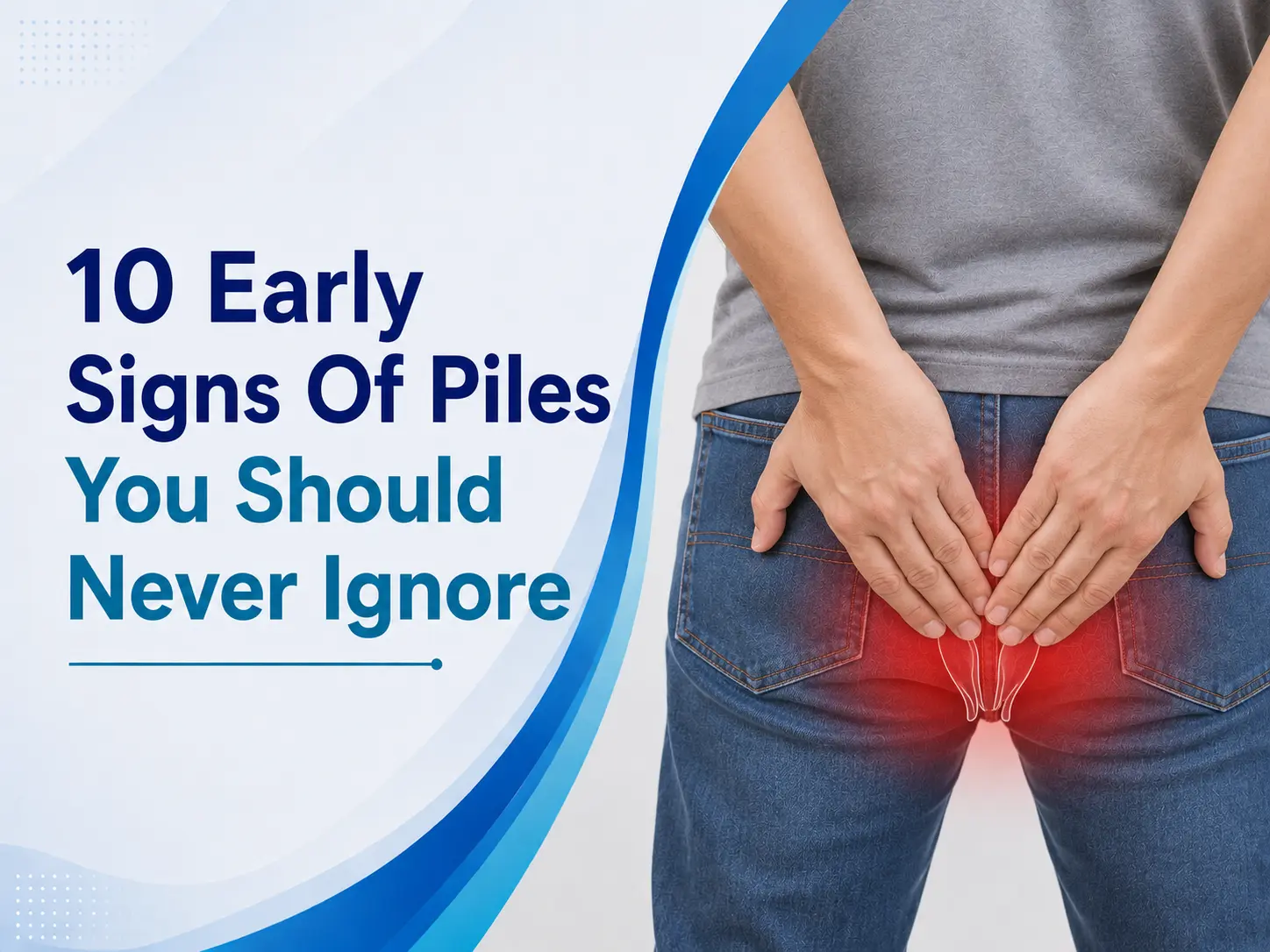
Recognising piles symptoms early allows for simpler, less invasive treatment. Watch for the following signs.
- Bright red bleeding during or after passing stool
- Itching or irritation around the anal area
- A soft lump or swelling near the anus
- Pain or discomfort, especially while sitting
- A feeling of incomplete bowel emptying
- Mucus discharge in more advanced cases
Mild symptoms often respond well to diet and lifestyle changes, but persistent bleeding, pain, or swelling should always be evaluated by a specialist rather than managed with over-the-counter remedies alone.
Why Choosing the Right Piles Hospital in Kota Matters
Not every hospital offers the same depth of experience or the same range of treatment options for piles. A well-equipped Piles Hospital in Kota should offer everything from conservative management to advanced, minimally invasive procedures, so treatment is matched precisely to the severity of your condition rather than a one-size-fits-all approach.
The right hospital also makes diagnosis more accurate. A proper clinical examination, sometimes supported by a proctoscopy, helps confirm the grade and severity of piles before recommending a treatment path, ensuring you avoid unnecessary procedures or delayed care.
Diagnostic Process for Accurate Piles Treatment
Before recommending any treatment, our specialists conduct a thorough evaluation to understand the exact grade and severity of the condition. This typically includes:
- A detailed medical history and symptom review
- A physical and digital rectal examination
- Proctoscopy or anoscopy to view the internal rectal area
- Assessment of bowel habits and dietary patterns contributing to the condition
This structured diagnostic approach ensures that treatment decisions are based on clear clinical findings rather than assumptions, leading to more predictable and successful outcomes.
Piles Treatment in Kota: Options Based on Severity
Effective piles treatment in Kota depends heavily on how advanced the condition is at the time of diagnosis. Doctors typically classify piles into four grades, with treatment escalating as severity increases.
For mild to moderate piles (Grade I and II):
- Increased fibre intake and hydration to soften stools
- Topical creams and suppositories to reduce swelling and discomfort
- Sitz baths to ease irritation and promote healing
- Lifestyle changes such as reduced sitting time and regular movement
For more advanced piles (Grade III and IV):
- Rubber band ligation, which cuts off blood supply to the piles so they shrink naturally
- Sclerotherapy, where a solution is injected to shrink swollen tissue
- Infrared coagulation for smaller internal piles
- Surgical removal for larger, prolapsed, or recurring piles that do not respond to non-surgical methods
Most patients with early-stage piles improve significantly through conservative treatment alone, which is why timely consultation before the condition worsens is so valuable.
Modern Piles Surgery in Kota: What Patients Should Know
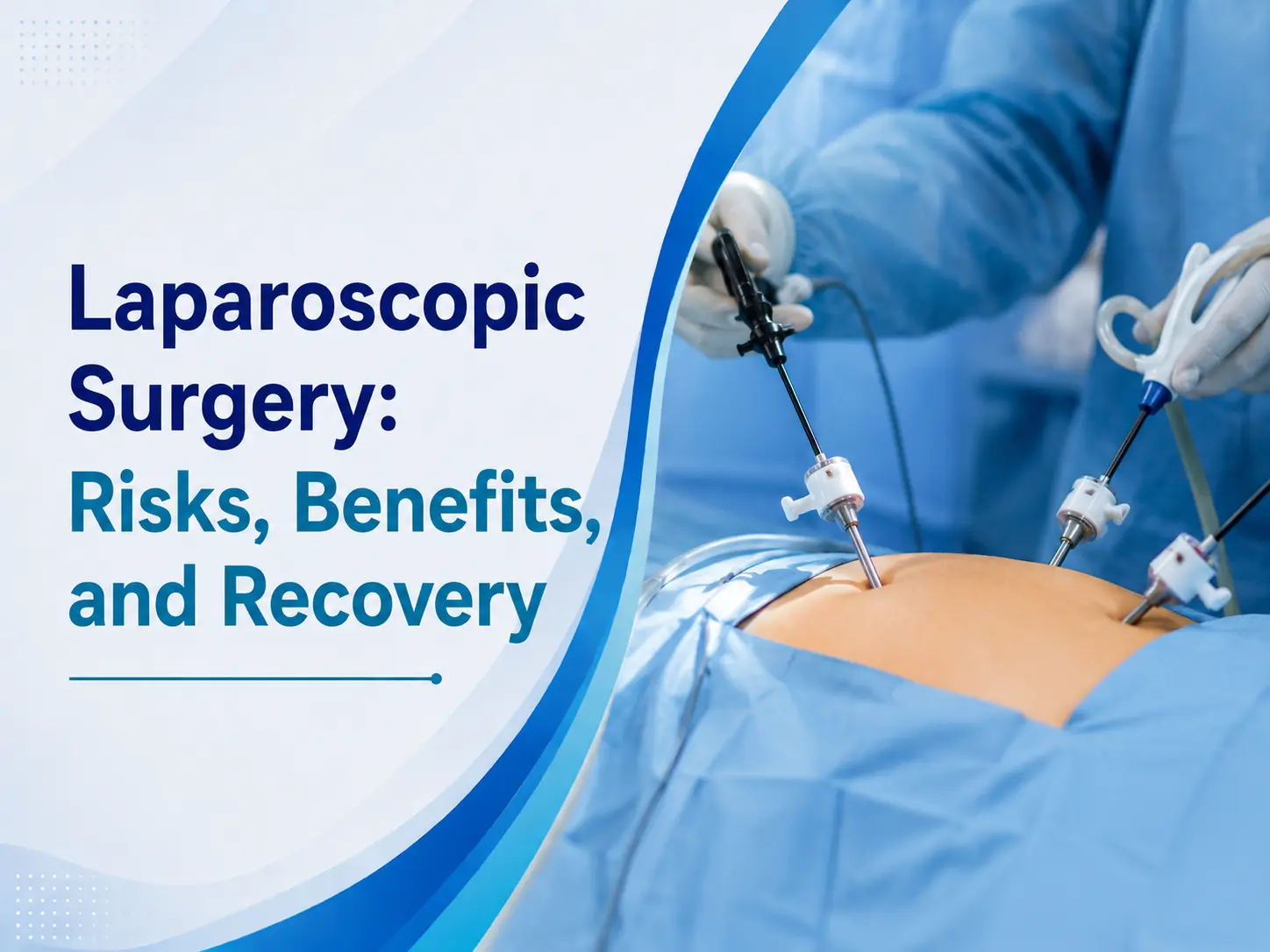
When conservative treatment is not enough, modern piles surgery in Kota offers far less invasive options than traditional operations of the past. Laser hemorrhoidectomy, for example, uses focused laser energy to shrink and seal off swollen tissue with minimal cutting and reduced bleeding.
Compared to traditional surgery, laser-based procedures typically involve less post-operative pain, a shorter hospital stay, and a faster return to normal activity. Your surgeon will recommend the most suitable surgical approach based on the size, location, and grade of your piles.
The Importance of 24×7 Support for Piles Patients
Piles-related complications, such as sudden heavy bleeding or a thrombosed hemorrhoid, can occur unexpectedly and require prompt medical attention. Having access to a 24×7 helpline means patients do not have to wait anxiously until regular clinic hours to get guidance or emergency care.
Round-the-clock support also benefits patients recovering after a procedure, since questions or concerns about healing, pain management, or unexpected symptoms can arise at any hour. Quick access to a medical team during these moments significantly reduces patient anxiety and helps catch complications early.
Preventing Piles Recurrence After Treatment
Successful treatment is only part of the journey, since preventing recurrence is equally important for long-term relief. Consider these habits going forward.
- Maintain a high-fibre diet with plenty of fruits, vegetables, and whole grains
- Drink adequate water throughout the day
- Avoid straining or spending long periods on the toilet
- Stay physically active and avoid prolonged sitting
- Respond to the urge to pass stool promptly rather than delaying it
Patients who adopt these habits after treatment significantly reduce their chances of piles returning in the future.
Why Jain Surgical Hospital Is a Trusted Choice Among Hospitals in Kota Rajasthan
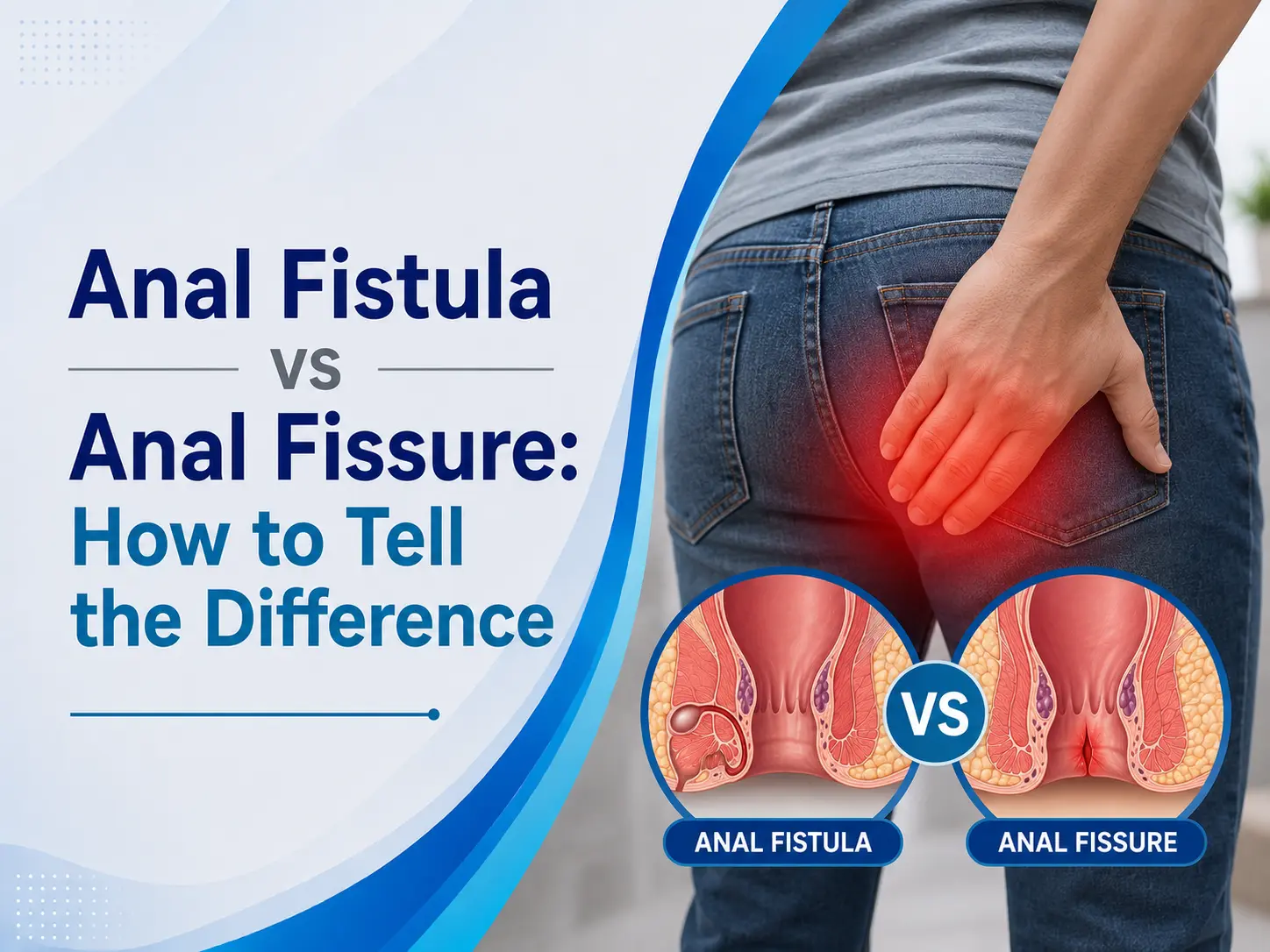
Among the many hospitals in Kota Rajasthan, Jain Surgical Hospital has built a strong reputation for combining clinical expertise with compassionate, patient-first care. Patients travel from across the region specifically for our experience in managing anorectal conditions like piles, fissures, and fistulas.
Our team focuses on accurate diagnosis first, ensuring that every patient receives a treatment plan suited to their specific condition rather than a generic approach. This commitment to precision and patient comfort is a key reason so many patients continue to choose us for their care.
What Makes Us the Best Hospital for Piles in Kota
As the best hospital for piles in Kota, our approach centers on three pillars: accurate diagnosis, a full range of treatment options, and compassionate patient support throughout the process. We offer everything from simple dietary guidance to advanced laser surgery, allowing us to treat patients at every stage of the condition.
Recognised broadly as one of the best hospitals in Kota, our multispeciality infrastructure means that if your piles treatment intersects with other health concerns, such as diabetes or cardiac conditions, our specialists can coordinate your care safely under one roof.
Frequently Asked Questions
1. Can piles be cured completely without surgery?
Yes, many cases of mild to moderate piles improve significantly and can resolve with diet changes, medication, and lifestyle adjustments. Surgery is generally reserved for advanced or recurring cases that do not respond to conservative treatment.
2. Is laser surgery for piles painful?
Laser hemorrhoidectomy generally causes less pain than traditional surgery, since it involves minimal cutting and reduced tissue trauma. Most patients experience mild discomfort that is well managed with prescribed pain relief.
3. How long does recovery take after piles surgery?
Recovery time varies by procedure, but most patients return to normal activity within one to two weeks after minimally invasive treatments like laser surgery. Traditional surgical procedures may require a slightly longer recovery period.
4. Are piles more common in men or women?
Piles affect both men and women at similar rates, though pregnancy increases the risk significantly in women due to added pressure on pelvic veins. Lifestyle factors like diet and prolonged sitting affect both genders equally.
5. When should I visit a piles hospital instead of waiting it out?
You should seek medical care if bleeding continues for more than a few days, pain is severe, or you notice a lump that does not go away. Early consultation prevents the condition from progressing to a more advanced, harder-to-treat stage.
Conclusion
Choosing the right Piles Hospital in Kota means access to accurate diagnosis, a full spectrum of treatment options, and dependable support whenever concerns arise. Whether your condition requires simple lifestyle adjustments or advanced surgical care, timely treatment leads to faster, more comfortable recovery.
If you are dealing with piles symptoms and want expert care backed by round-the-clock support, reach out to Jain Surgical Hospital today. Call our 24×7 helpline to schedule a consultation and take the first step toward lasting relief.