

The surgical position of a patient plays a critical role in gynaecological surgery. It affects access to the operative field, patient safety, anaesthesia management, and surgical outcomes. At Jain Surgical Hospital — the best gynaecology hospital in Kota — our expert gynaecologists and female laparoscopy surgeons use evidence-based patient positioning for every procedure.
Why Surgical Positioning Matters in Gynaecology
Optimal positioning in gynaecological surgery achieves:
- Maximum exposure to the pelvic and reproductive organs
- Safe access for laparoscopic or open surgical instruments
- Patient safety by preventing pressure injuries and nerve damage
- Optimal anaesthesia administration and airway management
- Efficient teamwork between surgeons, anaesthesiologists, and scrub nurses
The Most Common Positions Used in Gynaecological Surgery
1. Lithotomy Position — The Gold Standard for Gynaecological Procedures
The lithotomy position is the most widely used position in gynaecology. The patient lies on their back with:
- Hips flexed at 80–100 degrees
- Knees bent and legs supported in stirrups
- Thighs abducted (spread apart)
This position provides excellent access to the vagina, cervix, uterus, and perineum. It is used for:
- Hysteroscopy (direct visualisation of the uterine cavity)
- Cervical procedures — LEEP, cone biopsy, cervical stitch
- D&C surgery (dilatation and curettage)
- Vaginal hysterectomy in Kota
- Colposcopy and vaginal repairs
- Normal delivery and cesarean surgery in Kota
2. Trendelenburg Position (Modified Lithotomy) — For Laparoscopic Gynaecological Surgery
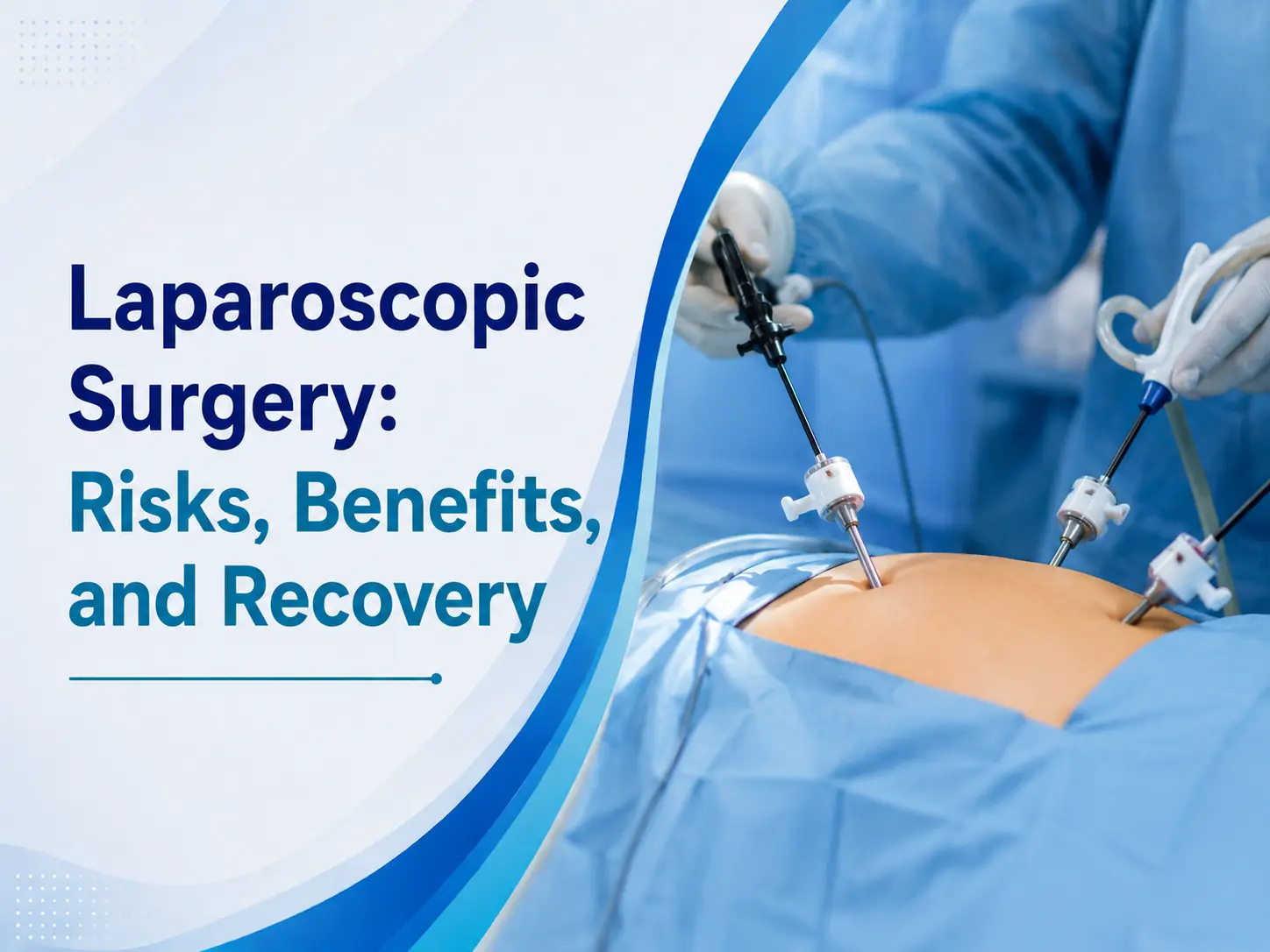
For laparoscopic hysterectomy in Kota and other minimally invasive gynaecological procedures, the patient is placed in the Trendelenburg position:
- The operating table is tilted so the head is lower than the feet (typically 15–30 degrees)
- Legs are in the lithotomy position
This tilt uses gravity to move the bowel away from the pelvis, giving the best gynecologist in Kota clear visualisation of the uterus, ovaries, fallopian tubes, and surrounding structures. It is used for:
- Total laparoscopic hysterectomy (TLH)
- Laparoscopic hysterectomy in Kota
- Ovarian cyst surgery in Kota
- Endometriosis treatment
- Fibroid surgery in Kota
- Ectopic pregnancy surgery
- Laparoscopy for infertility in Kota
3. Supine Position — For Abdominal Gynaecological Procedures
The patient lies flat on their back. Used for:
- Open abdominal hysterectomy
- Cesarean section (C-section) — the patient is supine with a slight left lateral tilt to prevent aortocaval compression in pregnancy
- High-risk pregnancy surgeries
4. Lateral (Decubitus) Position
The patient lies on their side. Used in some gynaecological oncology procedures where lateral pelvic access is needed.
Positioning for Specific Gynaecological Procedures at Jain Surgical Hospital
- Hysteroscopy in Kota: Lithotomy position with 15-degree Trendelenburg tilt
- Total Laparoscopic Hysterectomy (TLH) in Kota: Modified lithotomy with 25-30 degree Trendelenburg
- Laparoscopic ovarian cystectomy: Modified lithotomy + Trendelenburg
- Cesarean surgery in Kota: Supine with left lateral 15-degree tilt
- Vaginal hysterectomy: Lithotomy position
- D&C surgery in Kota: Lithotomy
Patient Safety in Gynaecological Surgical Positioning
At Jain Surgical Hospital — rated best gynaecology hospital in Kota — patient safety protocols include:
- Pressure injury prevention: Gel pads and foam supports on all pressure points
- Nerve protection: Careful padding at the knees, hips, and shoulders to prevent nerve compression
- DVT prevention: Sequential compression devices for long procedures
- Temperature management: Warming blankets to prevent hypothermia
- Position time limits: Regular intraoperative repositioning for lengthy surgeries
How Our Gynecology Team Prepares You for Surgery
Before any gynaecological surgery at Jain Surgical Hospital, Kota:
- A thorough pre-anaesthetic evaluation is conducted by our anaesthesiology team
- The specific surgical position is explained to you in advance
- Consent for anaesthesia, positioning, and the surgical procedure is obtained
- Our lady gynecologist in Kota team ensures female patients feel safe and respected throughout
Frequently Asked Questions (FAQ)
Q1: What position is used for laparoscopic hysterectomy?
A: Laparoscopic hysterectomy in Kota is performed with the patient in the modified lithotomy position combined with Trendelenburg tilt (head down 15–30 degrees). This provides optimal pelvic exposure for the female laparoscopy surgeon.
Q2: What position is used for a C-section?
A: Cesarean surgery in Kota is performed with the patient in the supine position, with a 15-degree left lateral tilt using a wedge under the right hip to prevent compression of the large blood vessels by the pregnant uterus.
Q3: Is there a lady gynecologist available at Jain Surgical Hospital?
A: Yes. Jain Surgical Hospital has a dedicated team including a lady gynecologist in Kota to ensure female patients receive respectful, gender-sensitive care across all procedures.
Why Choose Jain Surgical Hospital for Gynaecological Surgery in Kota?
Jain Surgical Hospital in Kota is a NABH-accredited hospital known for high surgical safety standards. It offers advanced laparoscopic and hysteroscopic procedures by an experienced female surgeon. The hospital also provides complete maternity services including normal delivery, painless delivery, C-section, and high-risk pregnancy care with NICU support.
Reach us at: Jain Surgical Hospital