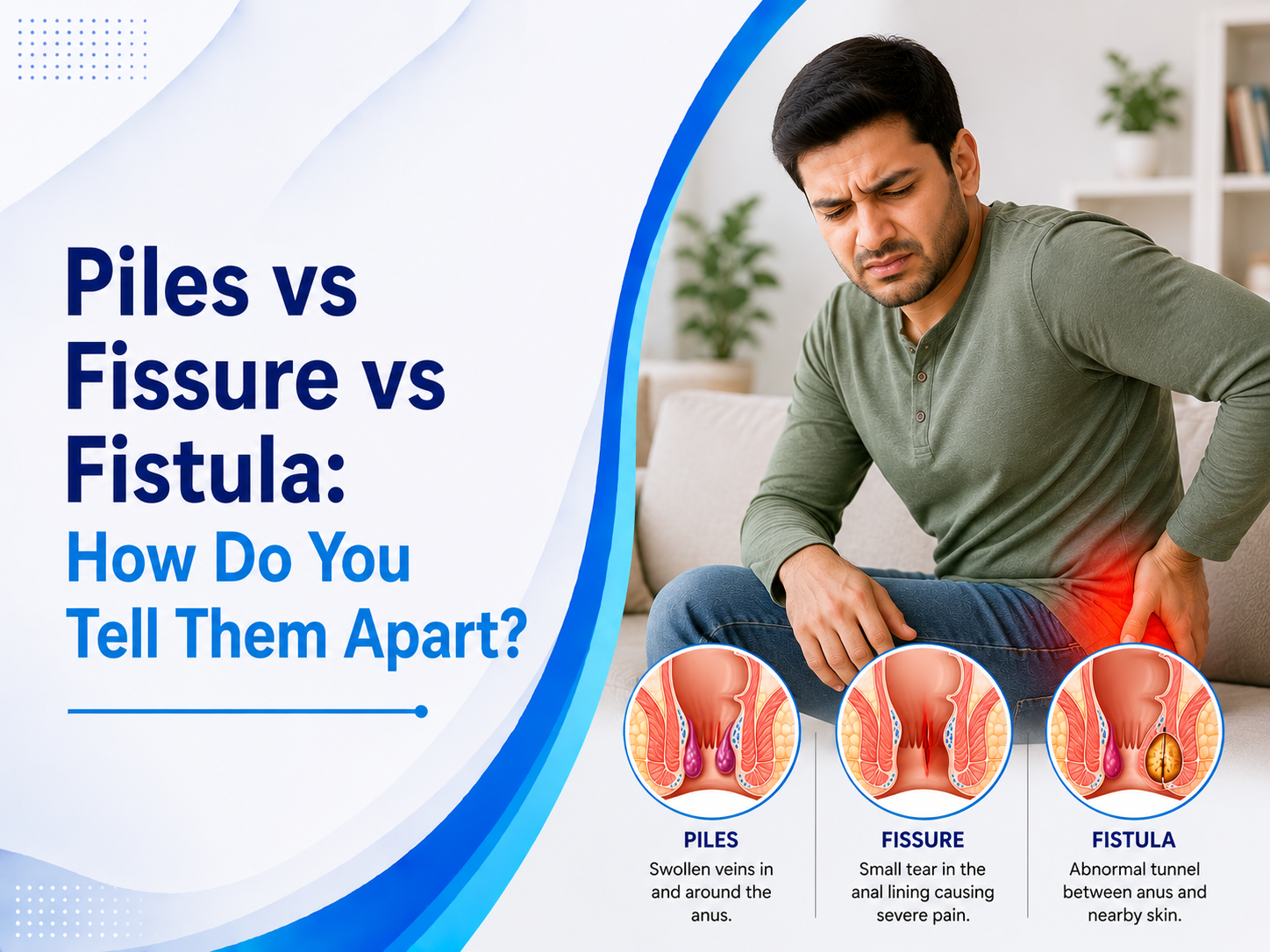
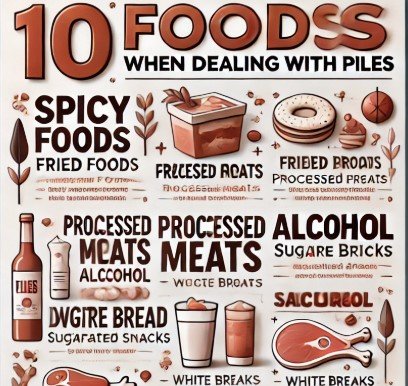
Piles, also known as hemorrhoids, can be a painful and uncomfortable condition that disrupts daily life. Whether you’re experiencing swelling, itching, or bleeding, one thing is clear: managing piles effectively requires attention to your diet. Did you know that certain foods can worsen your symptoms or even trigger flare-ups?
This blog will guide you through 10 foods to avoid when dealing with piles, helping you make informed dietary choices to ease your discomfort. By the end, you’ll understand how these dietary tweaks can complement medical treatments, including advanced options like painless piles surgery in Kota, available at reputable centers like Jain Surgical Hospital.
Let’s explore what to avoid to keep your piles under control and improve your quality of life.
Foods to Avoid When Managing Piles
1. Processed Foods
Highly processed foods like packaged snacks, frozen meals, and instant noodles are low in fiber and high in unhealthy fats and preservatives.
- Why Avoid? Low-fiber foods can lead to constipation, which increases pressure on the anal veins and aggravates piles.
- Healthy Alternative: Opt for fresh, home-cooked meals with whole grains and vegetables.
2. Refined Carbohydrates
White bread, white rice, and other refined carbs lack fiber and can cause digestive issues.
- Why Avoid? They slow down digestion and make bowel movements more difficult, intensifying piles symptoms.
- Healthy Alternative: Switch to whole grains like brown rice, quinoa, and multigrain bread for improved digestion.
3. Spicy Foods
While tempting, spicy dishes can irritate the digestive system and worsen piles.
- Why Avoid? Spices like chili and pepper can exacerbate anal discomfort and inflammation.
- Healthy Alternative: Stick to mild seasonings like turmeric, ginger, and cumin, which also have anti-inflammatory properties.
4. Alcohol
Excessive alcohol consumption dehydrates the body, leading to harder stools.
- Why Avoid? Dehydration can strain bowel movements, increasing pain and irritation caused by piles.
- Healthy Alternative: Stay hydrated with water, herbal teas, or fresh fruit juices.
5. Red Meat
Beef, pork, and lamb are difficult to digest and lack dietary fiber.
- Why Avoid? Slow digestion increases the risk of constipation, a major trigger for piles.
- Healthy Alternative: Incorporate plant-based protein sources like lentils, beans, and tofu.
6. Dairy Products
Milk, cheese, and butter can contribute to constipation, especially in those who are lactose intolerant.
- Why Avoid? Dairy slows bowel movements and increases the risk of straining.
- Healthy Alternative: Try plant-based options like almond milk or oat milk.
7. Salty Foods
Chips, pretzels, and canned soups are high in sodium, which can lead to bloating and water retention.
- Why Avoid? This increases pressure in the rectal area, worsening piles symptoms.
- Healthy Alternative: Use herbs and spices for flavor instead of salt.
8. Caffeinated Beverages
Coffee, tea, and energy drinks can dehydrate your body.
- Why Avoid? Dehydration results in harder stools and more painful bowel movements.
- Healthy Alternative: Limit caffeine intake and prioritize water and herbal teas.
9. Deep-Fried Foods
Fried snacks like samosas, pakoras, and French fries are high in unhealthy fats.
- Why Avoid? They can disrupt digestion and exacerbate inflammation in piles.
- Healthy Alternative: Choose baked or air-fried options for a healthier treat.
10. Sugary Foods
Cakes, pastries, and sodas are loaded with refined sugars that harm gut health.
- Why Avoid? Excess sugar feeds harmful gut bacteria, leading to bloating and constipation.
- Healthy Alternative: Satisfy your sweet tooth with fruits like bananas or berries.
Lifestyle Tips to Support Piles Management
- Stay Hydrated: Drink at least 8-10 glasses of water daily to keep stools soft.
- Exercise Regularly: Gentle activities like walking can improve digestion and reduce pressure on anal veins.
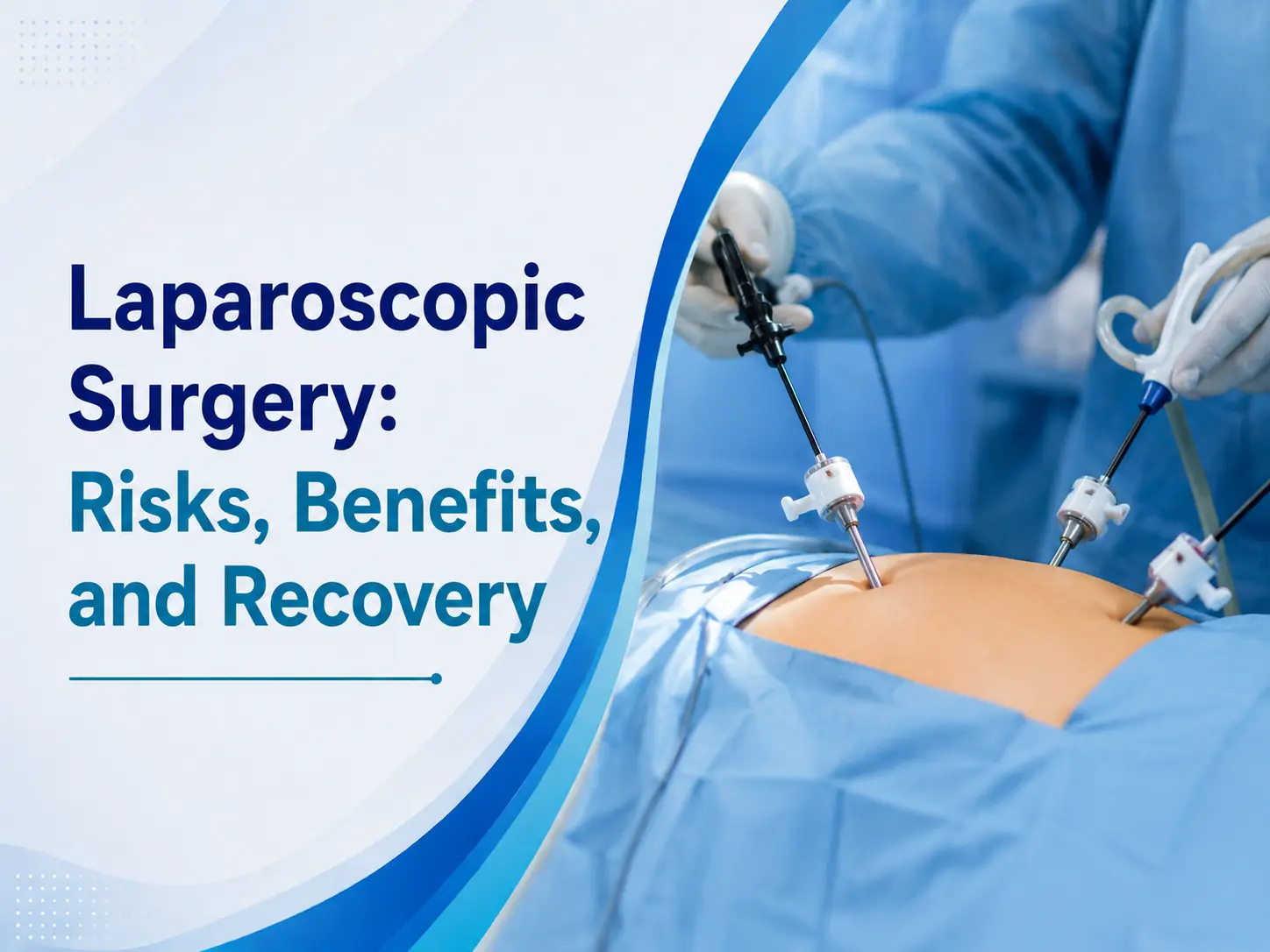
- Seek Professional Help: If dietary changes don’t suffice, consider consulting experts at Jain Surgical Hospital, known for offering the best surgical and laparoscopic treatments in Kota.
Advanced Treatment Options for Piles
While dietary changes are crucial, severe piles may require medical intervention. At Jain Surgical Hospital, we specialize in painless piles surgery in Kota, offering cutting-edge treatments like:
- Laser Surgery: A minimally invasive procedure with quick recovery.
- Stapler Hemorrhoidectomy: Ideal for advanced cases, reducing post-operative pain and complications.
Our hospital is recognized as the best surgical and laparoscopic hospital in Kota, with a team of experienced surgeons and state-of-the-art facilities.
Frequently Asked Questions (FAQ)
1. Can I eat fruits if I have piles?
Yes! High-fiber fruits like apples, pears, and berries are excellent for managing piles.
2. Is surgery the only option for severe piles?
Not always. Consult specialists at Jain Surgical Hospital for a personalized treatment plan, including non-invasive options.
3. How long does recovery take after piles surgery?
With advanced procedures like laser surgery, recovery is quick, usually within a week.
Conclusion
Managing piles starts with making the right dietary choices. Avoiding these 10 foods and adopting a fiber-rich, balanced diet can significantly reduce your symptoms. For those seeking professional help, Jain Surgical Hospital offers comprehensive care, from dietary guidance to painless piles surgery in Kota.
Take charge of your health today! Explore more resources or book a consultation with the experts at Jain Surgical Hospital—the trusted name in surgical and laparoscopic care in Kota.