
Discovering an ovarian cyst during a routine scan can bring up an immediate worry: will this affect my ability to have a baby? The relationship between Ovarian Cysts And Pregnancy is more nuanced than most women expect, since not all cysts carry the same risk. At Jain Surgical Hospital, a trusted hospital in Kota, women get clear answers and personalised guidance on this exact concern. This blog breaks down which cysts matter for fertility, which ones do not, and what steps you can take next.
What Is an Ovarian Cyst?
An ovarian cyst is a fluid-filled sac that forms in or on an ovary. Most cysts are a normal part of the menstrual cycle and cause no symptoms at all. In fact, many women carry a small cyst at some point without ever knowing it, since these often resolve on their own within a few cycles.
Understanding the type of cyst you have is the first step in addressing concerns about Ovarian Cysts And Pregnancy. A consultation at a reliable gynaecology hospital in Kota can confirm the exact type through an ultrasound and a few follow-up tests.
Not every cyst behaves the same way, and this is exactly why a proper diagnosis matters more than assumptions based on the word “cyst” alone.
Types of Ovarian Cysts and Their Effect on Fertility
Doctors classify ovarian cysts into two broad categories when it comes to fertility: those that rarely interfere with pregnancy, and those that sometimes do.
Cysts That Usually Do Not Affect Fertility
- Functional cysts: The most common type, formed during a normal menstrual cycle
- Cystadenomas: Growths on the surface of the ovary that may need monitoring but rarely impact fertility
- Dermoid cysts: Solid cysts containing tissue such as skin or hair, generally unrelated to infertility
Cysts That May Affect Fertility
- Endometriomas: Cysts caused by endometriosis, sometimes linked to difficulty conceiving
- PCOS-related cysts: Multiple small cysts caused by polycystic ovary syndrome, often linked to irregular ovulation
This distinction is central to answering the question at the heart of Ovarian Cysts And Pregnancy concerns. The type of cyst, not the presence of a cyst itself, determines whether fertility is at risk.
How Functional Cysts Actually Support Pregnancy
It may come as a surprise, but one type of cyst plays a helpful role in early pregnancy. After ovulation, the follicle that released the egg transforms into a small cyst called the corpus luteum. This cyst produces progesterone, the hormone that supports the uterine lining until the placenta takes over around the eighth week.
So, seeing a small cyst on an early pregnancy scan is often a sign that things are progressing normally, not a warning sign. This is one of the most reassuring facts a doctor at a best hospital for pregnancy in Kota can share with a worried patient.
When Ovarian Cysts Cause Fertility Concerns
While most cysts are harmless, two specific conditions deserve closer attention when trying to conceive.
Endometriomas form when tissue similar to the uterine lining grows on the ovary itself, a result of endometriosis. These cysts can distort the ovary’s normal structure and, in some cases, reduce egg quality or interfere with ovulation.
PCOS-related cysts work differently. Rather than one dominant cyst, PCOS causes many small, underdeveloped follicles that fail to release an egg regularly. This irregular ovulation, not the cysts themselves, is usually the reason conception becomes harder.
Symptoms That May Indicate an Ovarian Cyst
Many ovarian cysts cause no symptoms and are discovered incidentally during a routine scan. When symptoms do occur, they may include:
- Dull or sharp pelvic pain, often on one side
- Bloating or a feeling of fullness in the abdomen
- Pain during intercourse
- Irregular menstrual cycles
- Pain during bowel movements or urination
Sudden, severe pain accompanied by nausea or fever needs immediate medical attention, as it may indicate a ruptured cyst or ovarian torsion, both of which are medical emergencies.
Diagnosing Ovarian Cysts Before or During Pregnancy
Diagnosis typically starts with a pelvic ultrasound, which shows the size, location, and type of cyst present. Doctors may also order blood tests to check hormone levels or rule out other conditions.
| Diagnostic Step | Purpose |
| Pelvic Ultrasound | Confirms cyst size, type, and location |
| Hormone Blood Tests | Checks for PCOS or hormonal imbalance |
| CA-125 Test | Rules out rare cases needing further evaluation |
| Follow-Up Scan | Monitors whether the cyst resolves naturally |
Getting evaluated at an established best gynaecology hospital in Kota ensures these tests are interpreted accurately, rather than causing unnecessary worry over a cyst that may resolve on its own.
Treatment Options for Ovarian Cysts Affecting Fertility
Treatment depends entirely on the type, size, and symptoms of the cyst. Common approaches include:
- Watchful waiting: Most functional cysts resolve without treatment within one to three menstrual cycles
- Hormonal medication: Birth control pills can prevent new functional cysts from forming, though they do not treat pregnancy-related concerns directly
- Laparoscopic surgery: Used to remove endometriomas or large cysts that cause pain or affect fertility
- Fertility-focused treatment: For PCOS, this may include ovulation induction medication alongside lifestyle changes
The best gynecologist in Kota will always weigh the benefits of treatment against any potential impact on ovarian tissue, since surgery on the ovary itself can sometimes reduce egg reserve if not performed carefully.
Can You Get Pregnant Naturally With an Ovarian Cyst?
In most cases, yes. Since the majority of cysts are functional and temporary, they do not prevent natural conception. Many women conceive without ever realising they had a cyst at some point in their cycle.
The exceptions are large endometriomas or long-standing PCOS with irregular ovulation, both of which may require medical support to improve pregnancy chances. Even in these cases, many women go on to conceive with appropriate treatment and monitoring.
When to See a Gynecologist About Ovarian Cysts
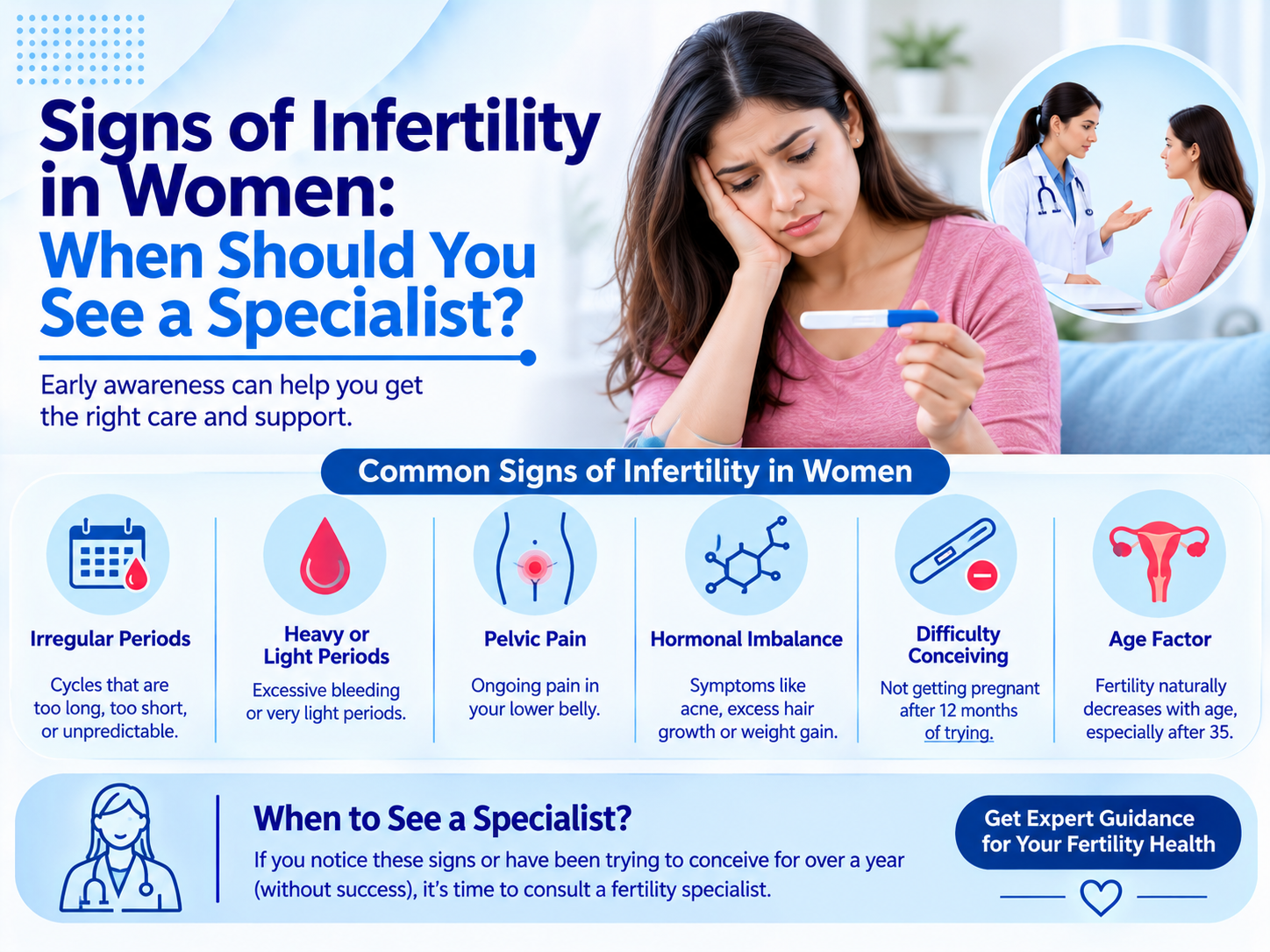
Persistent pelvic pain, irregular periods lasting several months, or difficulty conceiving after a year of trying are all reasons to seek an evaluation. Waiting too long can delay treatment for conditions like endometriosis, which often responds better to early intervention.
Jain Surgical Hospital, recognised as one of the best hospitals in Kota, offers complete diagnostic and treatment support for ovarian cysts, whether the concern is pain management or fertility planning.
How Jain Surgical Hospital Approaches Ovarian Cyst Care
Being told you have an ovarian cyst while trying to conceive can feel overwhelming, especially with conflicting information available online. Jain Surgical Hospital focuses on giving women accurate, personalised answers rather than generic advice that does not account for their specific cyst type or fertility goals.
As a leading hospital in Kota, the team uses detailed ultrasound imaging and hormone testing to determine exactly what type of cyst is present before recommending any treatment. This approach avoids unnecessary procedures for cysts that would resolve naturally, while ensuring timely intervention for those that genuinely need it.
Every woman’s fertility journey looks different, and a one-size-fits-all answer rarely helps. A detailed conversation with the best gynecologist in Kota about your specific scan results and health history is the most reliable way to understand what an ovarian cyst diagnosis truly means for your plans to have a baby.
Frequently Asked Questions
1. Can an ovarian cyst stop me from getting pregnant?
Most cysts, such as functional cysts, do not affect fertility. Only specific types, like endometriomas and PCOS-related cysts, are sometimes linked to difficulty conceiving.
2. Is it normal to have a cyst during early pregnancy?
Yes. A corpus luteum cyst commonly forms after ovulation and supports early pregnancy by producing progesterone until the placenta takes over.
3. Do I need surgery to remove an ovarian cyst before trying to conceive?
Not always. Many cysts resolve on their own within a few cycles. Surgery is usually reserved for large, persistent, or symptomatic cysts affecting fertility.
4. Can PCOS-related cysts be treated to improve fertility?
Yes. Ovulation induction medication, combined with lifestyle changes like weight management and diet, can significantly improve ovulation and fertility in women with PCOS.
5. What symptoms of an ovarian cyst require immediate medical attention?
Sudden, severe pelvic pain with nausea, fever, or dizziness may indicate a ruptured cyst or ovarian torsion and should be treated as a medical emergency.
Book Your Fertility and Gynecology Consultation Today
An ovarian cyst diagnosis does not have to mean uncertainty about your future family plans. If you have been diagnosed with a cyst or are struggling to conceive, professional guidance can bring clarity and a clear treatment path forward. Visit Jain Surgical Hospital and consult an experienced gynecologist who can assess your specific case and guide you toward a healthy pregnancy. Book your appointment today and take the next step with confidence.