

A vasectomy is a quick, safe surgery that blocks sperm from reaching semen, making it one of the most effective forms of male birth control. It is meant to be permanent, it does not work instantly, and it does not change your sex drive or performance. These are the key things to know before having a vasectomy. At Jain Surgical Hospital, a trusted hospital in Kota, men receive honest counselling so they can make this decision with confidence. This guide covers five essential facts, plus recovery, risks, and reversal.
What Is a Vasectomy and How Does It Work?
A vasectomy is a minor surgical procedure that cuts or seals the vas deferens, the two tubes that carry sperm from the testicles. Once these tubes are blocked, sperm can no longer mix with semen during ejaculation. Your body still makes semen, and you will not notice a change in how it looks or feels.
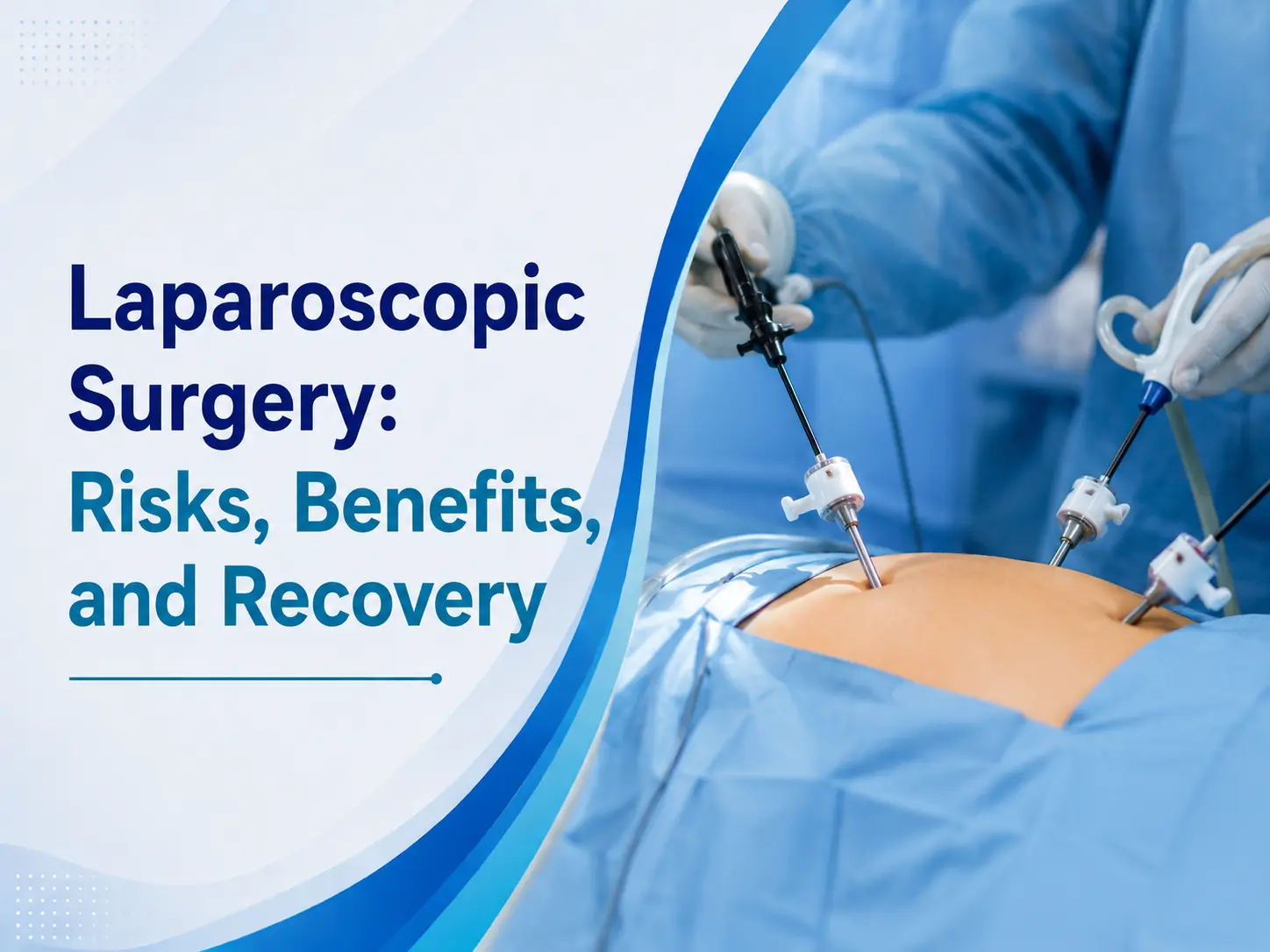
The procedure usually takes about 15 to 30 minutes and is done under local anesthesia. Most men go home the same day. Many surgeons offer a no-scalpel technique, which uses a tiny puncture instead of cuts and is linked to less bleeding and a quicker recovery.
Speaking with an experienced urologist in Kota helps you understand which technique suits you best.
Fact 1: A Vasectomy Is Meant to Be Permanent
The most important thing to know before having a vasectomy is that it should be treated as a lifelong decision. Reversal surgery exists, but it is far more complex than the original procedure. It can take two to four hours, often needs deeper anesthesia, and is usually costly.
Success is not guaranteed. Pregnancy rates after reversal vary widely, from about 30 percent to 90 percent depending on the technique and timing. Results are generally better when reversal is done within 10 years of the vasectomy.
Ask yourself honestly whether you are completely sure you do not want more children, even if your life circumstances change in the future.
Fact 2: A Vasectomy Does Not Work Right Away
Many men are surprised to learn that sperm remain in the tubes after surgery. It can take around 20 to 25 ejaculations, or two to three months, for semen to become fully sperm-free. Until then, pregnancy is still possible.
This is why a follow-up semen test is essential. Doctors usually schedule it about 8 to 12 weeks after the procedure. You must keep using another form of contraception until the test confirms there is no sperm.
Skipping this test is one of the most common reasons for unplanned pregnancy after a vasectomy.
Fact 3: It Does Not Affect Sex Drive, Erections, or Hormones
This is one of the biggest myths around the procedure. A vasectomy does not lower testosterone, reduce sexual desire, or cause erectile problems. Your testicles continue producing hormones as before.
Sensation, erection, and ejaculation stay the same. The only difference is that semen no longer contains sperm. Because sperm make up a tiny portion of semen, most men notice no change in the amount.
Understanding this fact removes one of the biggest fears men carry into the decision.
Fact 4: Recovery Is Quick, but Rest Still Matters
Compared with most surgeries, vasectomy recovery is short and usually smooth. Mild pain, swelling, and bruising in the scrotum are common for a few days. Typical aftercare includes:
- Resting for the first one to two days
- Using ice packs wrapped in cloth to reduce swelling
- Wearing supportive underwear
- Avoiding heavy lifting and intense exercise for about a week
- Following your doctor’s advice on when to resume intimacy
Most men return to desk work within a few days. Choosing a well-equipped surgical hospital in Kota ensures proper sterile conditions, clear aftercare instructions, and easy follow-up if you have concerns.
Fact 5: It Is Very Safe, but Not Risk-Free
Vasectomy is considered a low-risk procedure with no known long-term health effects. Still, you should know the possible side effects before you decide:
- Temporary bruising, swelling, or discomfort
- Blood in the semen for a short time
- Infection at the surgical site (uncommon)
- A collection of fluid or a small lump near the testicle
- Long-term testicular pain, which affects only about 1 to 2 percent of men
- Rare failure, where the tubes reconnect and pregnancy occurs
Even after a clear semen test, there is a very small lifetime risk of pregnancy, estimated at about 1 in 2,000. Compared with other birth control options, that is exceptionally low.
Vasectomy vs Other Birth Control Methods
It helps to compare options before deciding. A vasectomy is a one-time procedure, while other methods need regular use or repeat procedures.
| Method | Permanence | Effort Needed | Protects Against STIs |
| Vasectomy | Permanent | One-time procedure | No |
| Condoms | Temporary | Every time | Yes |
| Birth control pills | Temporary | Daily | No |
| Copper IUD | Long-term, reversible | Replace after years | No |
| Female sterilization | Permanent | Surgery for partner | No |
Remember that a vasectomy does not protect against sexually transmitted infections. Condoms are still needed if there is any infection risk.
Who Should Consider a Vasectomy?
A vasectomy suits men who are certain they do not want any more children and want a reliable, low-maintenance option. It can also be a safer, simpler choice than surgery for the female partner.
You may want to pause and think further if:
- You are young or your relationship is new
- You are making the decision under pressure from others
- You feel unsure about future family plans
- You are going through major life changes
If you want to preserve fertility options, ask your doctor about sperm banking before the procedure.
Questions to Ask Your Doctor Before the Procedure
Going in prepared makes the consultation more useful. Consider asking:
- Which technique do you recommend, and why?
- What anesthesia will be used?
- How long should I rest and when can I resume normal activity?
- When is my follow-up semen test?
- What are the signs of a complication?
- What are my options if I change my mind later?
A good doctor will welcome these questions and answer them clearly without rushing you.
Why Choose Jain Surgical Hospital for Vasectomy Care
Men often feel nervous or embarrassed when discussing vasectomy. Jain Surgical Hospital offers a private, respectful setting with experienced surgeons and clear communication from the first consultation to the final follow-up.
As one of the best hospitals in Kota, the team explains each step in plain language, discusses all contraception options, and never pressures you toward a decision. The goal is simple: you leave informed, comfortable, and confident in your choice.
Frequently Asked Questions
1. Is a vasectomy painful?
The procedure is done under local anesthesia, so you feel little to no pain during it. Mild soreness and swelling for a few days afterward are normal and manageable.
2. How soon can I have sex after a vasectomy?
Many men resume sex within about a week, once swelling and discomfort settle. Use contraception until your semen test confirms there is no sperm.
3. Can a vasectomy be reversed?
Yes, in many cases, but reversal is a longer, costlier surgery and does not guarantee pregnancy. Success is generally higher within 10 years of the vasectomy.
4. Will a vasectomy affect my testosterone or sexual performance?
No. Hormone production, erections, and ejaculation remain unchanged. The only difference is that semen no longer contains sperm.
5. How effective is a vasectomy?
It is among the most effective forms of birth control once a semen test confirms success. The lifetime risk of pregnancy afterward is very small, estimated at about 1 in 2,000.
Book Your Vasectomy Consultation Today
Choosing a vasectomy is a personal decision, and you deserve clear, honest answers before you make it. If you have questions about the procedure, recovery, or reversal, speak with a specialist who can guide you. Visit Jain Surgical Hospital, a trusted name for vasectomy care in Kota, and consult an experienced urologist in a private, comfortable setting. Book your appointment today and take the next step with confidence.