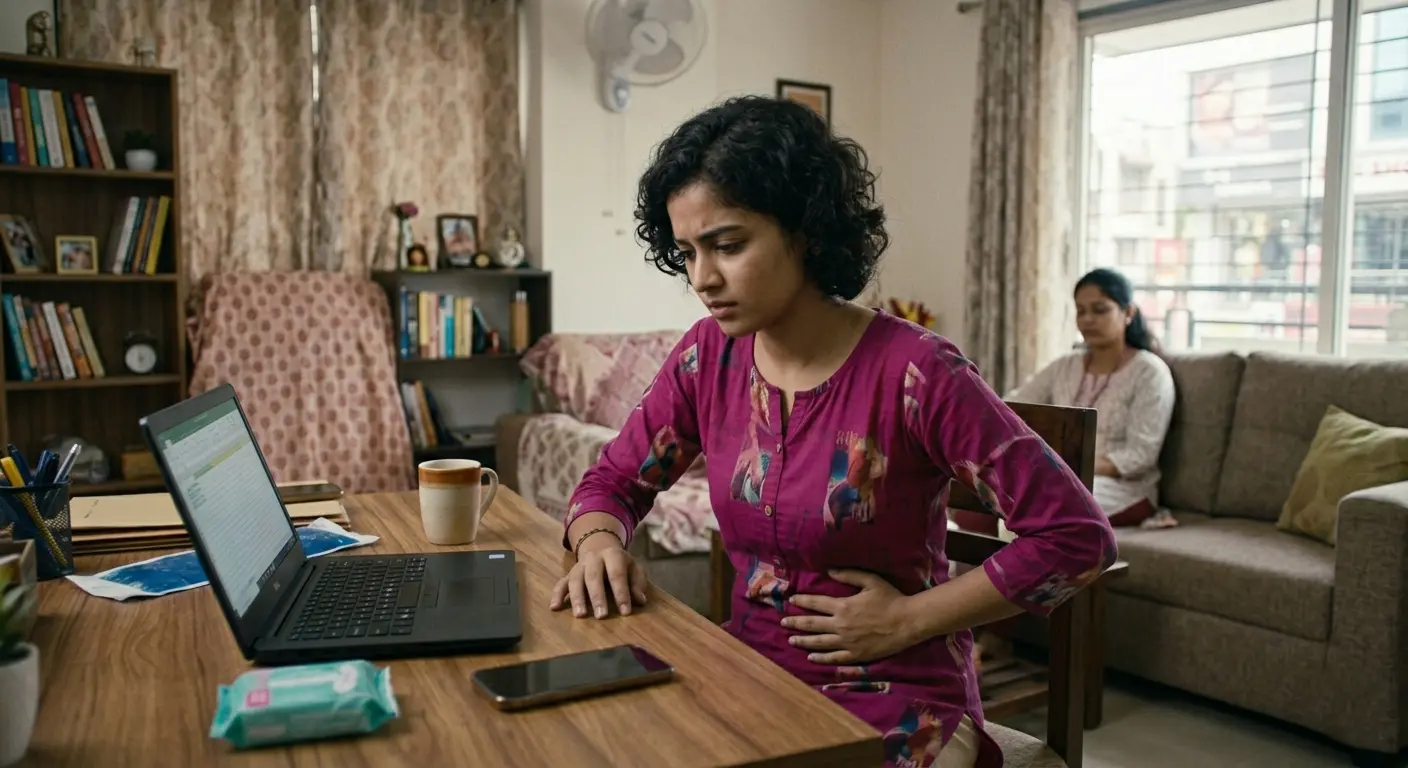


Bladder health rarely gets attention until something goes wrong, yet small daily habits can prevent most urinary problems before they start. These tips for keeping your bladder healthy cover hydration, diet, exercise, and lifestyle changes that support long-term urinary function. At Jain Surgical Hospital, a trusted hospital in Kota, patients receive expert guidance on preventing and treating common bladder issues. This guide walks through ten practical, doctor-backed tips to keep your bladder working smoothly for years to come.
Why Bladder Health Deserves Daily Attention
The bladder is a muscular organ that stores urine before it leaves the body, and its performance depends heavily on everyday habits. Poor bladder habits, like holding urine too long or drinking too little water, can weaken bladder muscles over time. Getting the right urology treatment in Kota early can prevent minor issues from developing into chronic problems.
Nearly one in five women experiences a bladder or pelvic floor issue at some point, and men face similar risks as they age, particularly with prostate-related concerns. Understanding these tips for keeping your bladder healthy helps both men and women reduce their risk of infections, leaks, and long-term urinary complications.
Visiting a well-equipped urology hospital in Kota for regular check-ups is one of the simplest ways to catch bladder issues before they become serious. Prevention is almost always easier than treatment.
1. Stay Hydrated Throughout the Day
Drinking enough water is the single most effective habit for bladder health. Proper hydration helps flush bacteria out of the urinary tract, lowering the risk of infections. Aim for 6 to 8 glasses of water daily, adjusting based on climate, activity level, and any medical conditions.
Avoid waiting until you feel thirsty to drink water, since this often means you are already mildly dehydrated. Carrying a water bottle throughout the day makes it easier to maintain consistent fluid intake.
2. Do Not Hold Urine for Long Periods
Delaying bathroom visits regularly can stretch and weaken the bladder muscles over time. Try to urinate every three to four hours, even if the urge feels mild. Holding urine too often increases the risk of urinary tract infections and can eventually affect bladder control.
Make it a habit to use the restroom before long meetings, drives, or events rather than waiting until the urge becomes urgent. This small adjustment protects bladder function in the long run.
3. Practice Complete Bladder Emptying
Rushing while urinating often leaves urine behind in the bladder, which increases infection risk. Take your time and relax fully during urination to ensure the bladder empties completely. Leaning slightly forward while sitting can also help with complete emptying.
For men, especially those over 50, incomplete emptying may indicate an enlarged prostate rather than a simple habit issue. If this pattern continues, it is worth discussing with a doctor.
4. Strengthen Your Pelvic Floor with Kegel Exercises
Pelvic floor muscles play a direct role in bladder control for both men and women. Kegel exercises strengthen these muscles, reducing the risk of leaks and improving overall bladder function. To perform a Kegel, squeeze the muscles used to stop urine flow, hold for five seconds, then release.
Repeating this exercise ten to fifteen times, two to three times a day, can noticeably improve bladder control within a few weeks. Consistency matters more than intensity here.
5. Limit Bladder Irritants in Your Diet
Certain foods and drinks irritate the bladder lining and worsen symptoms like urgency and frequency. Common irritants include:
- Caffeine (coffee, tea, energy drinks)
- Alcohol
- Carbonated beverages
- Spicy foods
- Artificial sweeteners
- Citrus fruits and juices
Reducing these items, especially in the evening, can lead to fewer nighttime bathroom trips and less bladder irritation overall.
6. Maintain a Healthy Body Weight
Extra body weight places additional pressure on the bladder, which can worsen urinary symptoms and increase the risk of leaks. Regular physical activity combined with a balanced diet helps manage weight and reduces this pressure. Even moderate weight loss can meaningfully improve bladder symptoms in people who are overweight.
Walking, swimming, and light strength training are all excellent options that support both weight management and pelvic health.
7. Eat a Fiber-Rich Diet to Prevent Constipation
Constipation places extra pressure on the bladder, since the bowel sits close to it within the pelvis. A diet rich in fiber, including fruits, vegetables, and whole grains, supports regular bowel movements and reduces this pressure. Staying hydrated also helps prevent constipation from developing in the first place.
Addressing constipation is often an overlooked but important part of these tips for keeping your bladder healthy that many people miss.
8. Practice Good Hygiene Habits
Simple hygiene practices go a long way in preventing bladder infections, particularly for women. Always wipe from front to back after using the restroom to prevent bacteria from entering the urethra. Urinating shortly after intercourse also helps flush out bacteria that may have entered the urinary tract.
Choosing fragrance-free soaps and avoiding harsh feminine hygiene products can further reduce irritation and infection risk.
9. Avoid Smoking and Limit Alcohol
Smoking is a significant risk factor for bladder irritation and, over time, bladder cancer. Nicotine directly irritates the bladder lining and can worsen symptoms like urgency. Quitting smoking benefits not just the bladder but overall urinary and respiratory health.
Alcohol, meanwhile, acts as a bladder irritant and a diuretic, increasing both urgency and frequency. Limiting alcohol intake supports better bladder control, especially in the evening hours.
10. Schedule Regular Check-Ups with a Urologist
Even with healthy habits, occasional check-ups help catch problems early, especially for those with a family history of urinary issues or existing symptoms. Consulting the best urologist in Kota allows for early detection of conditions like urinary tract infections, overactive bladder, or prostate-related concerns.
| Bladder Habit | Why It Matters |
| Hydration | Flushes bacteria, prevents infection |
| Timely urination | Prevents muscle weakening |
| Pelvic floor exercises | Improves bladder control |
| Balanced diet | Reduces irritation and pressure |
| Regular check-ups | Enables early diagnosis and treatment |
Do not wait for symptoms to become severe before seeking medical advice. Early consultation almost always leads to simpler, more effective treatment.
When to See a Doctor for Bladder Issues
While the tips above support long-term bladder health, certain symptoms need prompt medical attention rather than home management. These include:
- Burning sensation during urination
- Blood in the urine
- Frequent urge to urinate with little output
- Persistent lower abdominal or pelvic pain
- Leaking urine during daily activities
- Cloudy or strong-smelling urine
A visit to a reliable urology hospital in Kota ensures these symptoms are properly diagnosed rather than dismissed as minor inconveniences.
Frequently Asked Questions
1. How much water should I drink daily for good bladder health?
Most adults should aim for 6 to 8 glasses of water a day, though individual needs vary based on activity level, climate, and existing health conditions.
2. Can holding urine for too long damage the bladder?
Yes, regularly holding urine for extended periods can weaken bladder muscles over time and increase the risk of urinary tract infections.
3. Are Kegel exercises helpful for both men and women?
Yes, Kegel exercises strengthen the pelvic floor muscles in both men and women, improving bladder control and reducing the risk of leaks.
4. What foods should I avoid for better bladder health?
Common bladder irritants include caffeine, alcohol, carbonated drinks, spicy foods, and artificial sweeteners, especially when consumed in the evening.
5. When should I see a urologist for bladder concerns?
You should consult a urologist if you experience burning during urination, blood in urine, persistent pelvic pain, or frequent leaks that affect daily activities.
Book Your Urology Consultation Today
Healthy bladder habits go a long way, but persistent symptoms deserve professional attention. If you are experiencing discomfort, frequent urges, or any warning signs discussed above, do not wait to seek help. Visit Jain Surgical Hospital, a trusted urology hospital in Kota, and consult an experienced urologist who can guide you toward lasting bladder health. Book your appointment today and take a proactive step toward better urinary wellness.