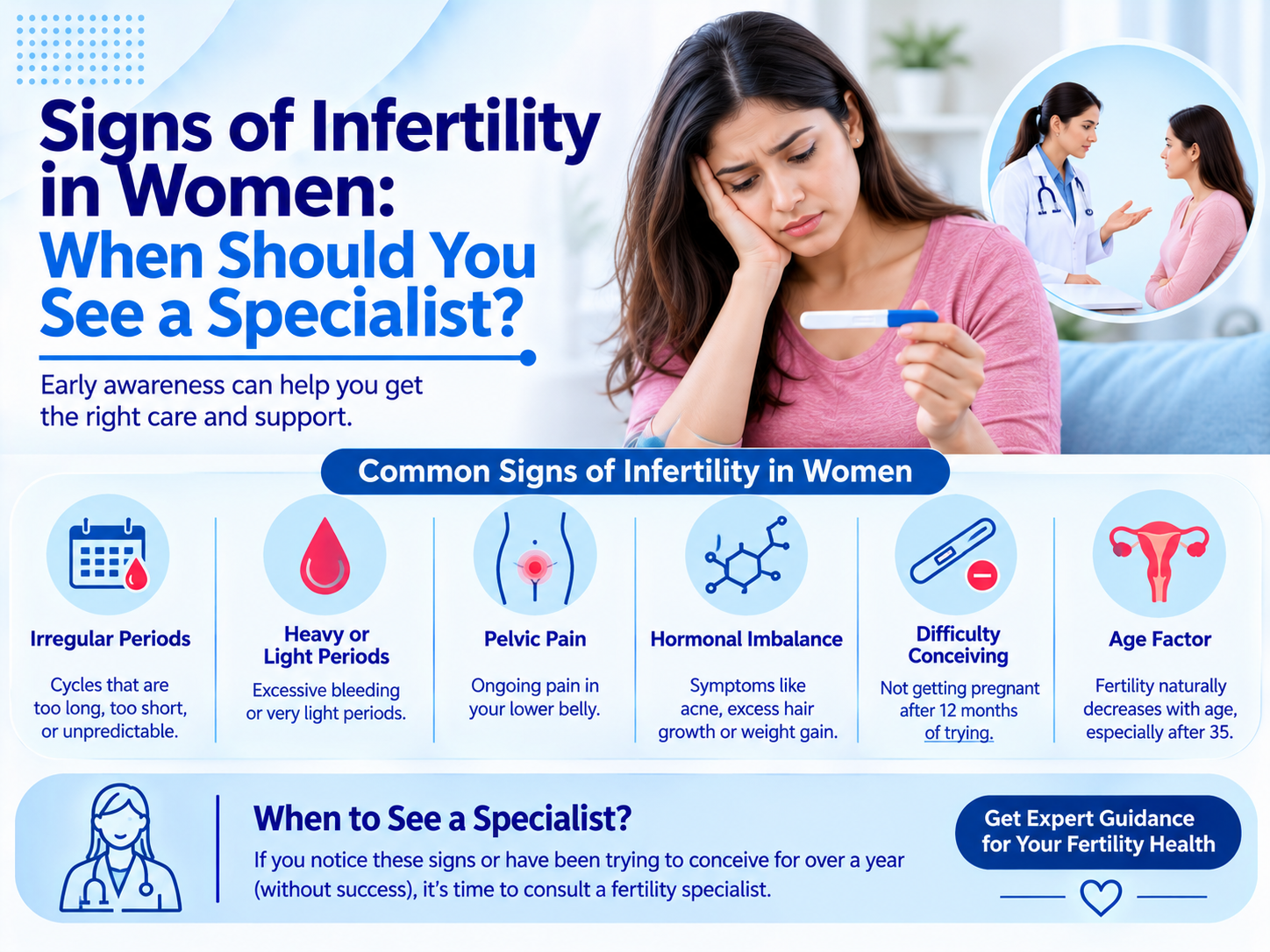
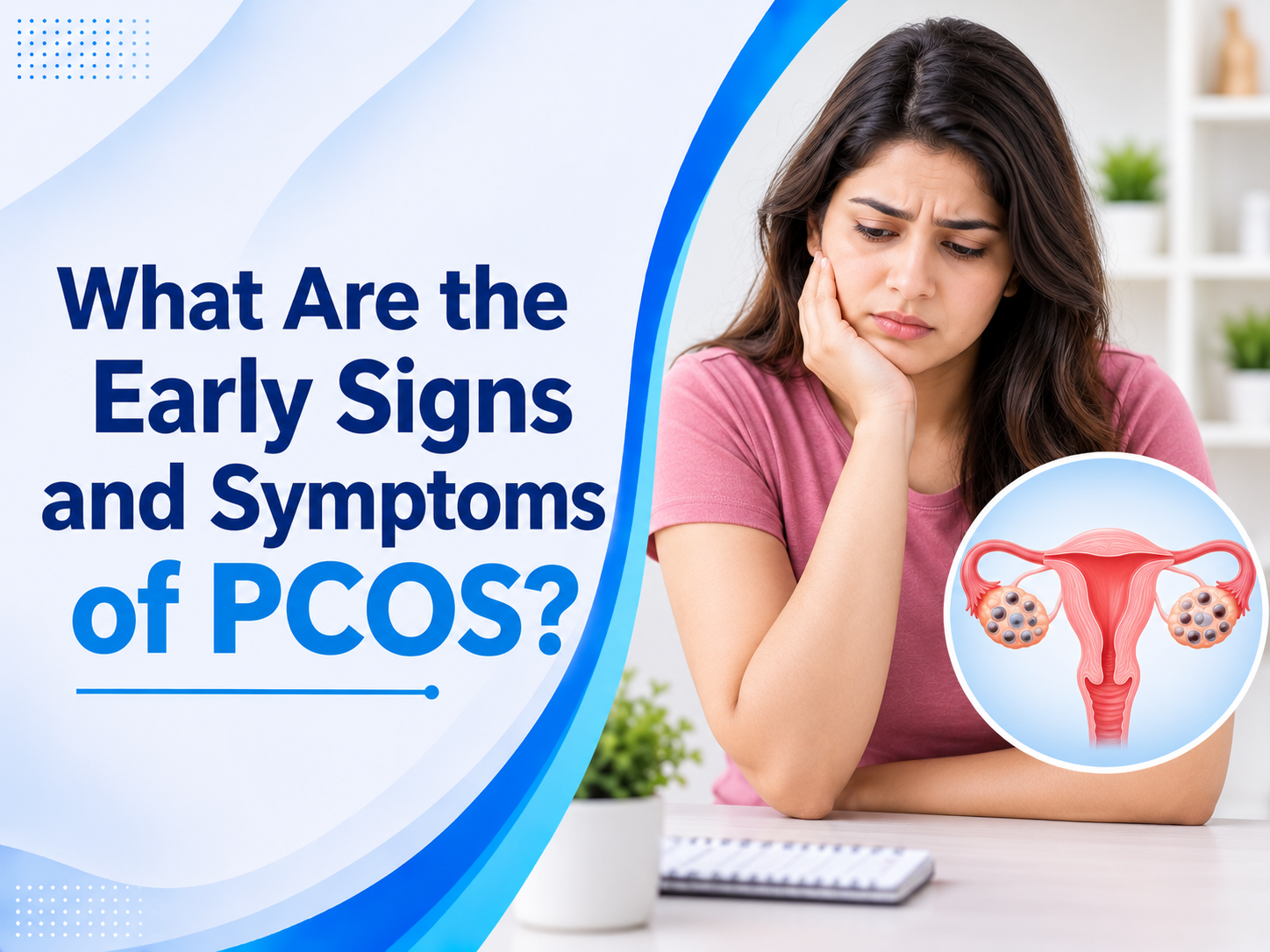
The early signs and symptoms of PCOS include irregular or missed periods, acne, unwanted facial or body hair, scalp hair thinning, weight gain, and difficulty getting pregnant. These signs often appear gradually after puberty and are easy to dismiss one by one. Together, they can point to polycystic ovary syndrome, a common hormonal condition. At Jain Surgical Hospital, a trusted hospital in Kota, women receive sensitive, confidential care for hormonal and menstrual concerns. This guide explains the warning signs, causes, diagnosis, and treatment of PCOS in simple language.
What Is PCOS?
Polycystic ovary syndrome, or PCOS, is a hormonal condition that affects how the ovaries work. Women with PCOS often have higher levels of male hormones (androgens), irregular ovulation, and sometimes many small follicles on the ovaries.
The World Health Organization estimates that about 10 to 13 percent of women of reproductive age have PCOS. Many are not diagnosed for years.
PCOS is not caused by anything you did wrong. It is a medical condition, and it can be managed well with the right care.
Early Signs and Symptoms of PCOS to Watch For

PCOS looks different in every woman. You may have only a few of these signs, or many. The most common ones include:
- Irregular periods: Cycles longer than 35 days, fewer than nine periods a year, or missed periods
- Acne: Persistent pimples on the face, chest, or back that do not respond well to usual treatment
- Excess hair growth: Dark, coarse hair on the face, chest, abdomen, or back (hirsutism)
- Scalp hair thinning: Hair loss or a widening part in a male-pattern way
- Oily skin: Skin that stays greasy
- Weight gain: Weight that increases easily or is hard to lose, especially around the belly
- Dark skin patches: Velvety, darker skin on the neck, underarms, or groin
- Difficulty conceiving: Trouble getting pregnant because ovulation is irregular
- Mood changes: Anxiety, low mood, or tiredness
Not every woman with PCOS has weight gain. Women of normal weight can also have PCOS.
Early Signs of PCOS in Teenagers
PCOS often starts in the teenage years, within a few years after the first period. Irregular cycles are common in early puberty, so diagnosis can be tricky.
Consider a check-up if your daughter has:
- Periods that remain irregular more than two years after the first period
- No periods by age 15 or 16
- Severe acne that does not improve
- Unwanted facial or body hair
- Sudden weight gain
Seeing a female gynecologist in Kota can help teenagers feel more comfortable discussing these private concerns.
Why Do the Early Signs Get Missed?
The first symptoms of PCOS seem ordinary when looked at alone. Acne, an occasional late period, or weight gain are easy to blame on stress, diet, or age.
When these signs appear together or keep returning, they may point to a hormonal pattern. Many women only discover PCOS when they struggle to conceive.
Keeping a simple record of your periods, skin, and weight changes can help your doctor see the full picture.
What Causes PCOS?
The exact cause is not fully known, but several factors play a role:
- Insulin resistance: The body does not respond well to insulin, so levels rise and trigger the ovaries to make more androgens
- High androgen levels: These interfere with regular ovulation
- Family history: PCOS often runs in families
- Low-grade inflammation: Often seen in women with PCOS
- Lifestyle factors: Excess weight and inactivity can worsen symptoms
How Is PCOS Diagnosed?
Doctors usually diagnose PCOS when at least two of these three features are present, after ruling out other conditions:
- Irregular or absent periods
- Signs of high androgens, such as excess hair or acne, or high levels on a blood test
- Polycystic-looking ovaries on an ultrasound
| Test | Purpose |
| Medical history and exam | Looks at cycles, hair growth, acne, and weight |
| Blood tests | Checks hormone levels, blood sugar, and thyroid function |
| Ultrasound | Looks at the ovaries and uterus |
| Other tests | Rules out thyroid problems and similar conditions |
You do not need an ultrasound for every diagnosis. Visiting a gynecologist hospital in Kota with proper testing facilities makes the process faster.
Health Risks of Untreated PCOS
PCOS is manageable, but ignoring it can raise the risk of long-term problems. These include:
- Difficulty conceiving or infertility
- Type 2 diabetes and gestational diabetes
- High cholesterol and high blood pressure
- Heavy or prolonged periods and a thickened uterine lining, which can raise the risk of endometrial cancer if untreated
- Sleep problems such as sleep apnea
- Anxiety and depression
Early diagnosis and steady management can lower many of these risks.
When to See a Gynecologist
Do not wait if you notice:
- Periods that are irregular, absent, or very heavy
- Persistent acne or unwanted hair growth
- Rapid weight gain or trouble losing weight
- Difficulty getting pregnant after 12 months of trying, or 6 months if you are over 35
- Darkened skin patches
- Low mood or anxiety linked with these changes
Consulting the best gynecologist in Kota allows quick diagnosis, so you can start the right treatment early.
Treatment Options for PCOS
There is no permanent cure for PCOS, but symptoms can be managed very well. Treatment depends on your symptoms and whether you want to become pregnant.
- Lifestyle changes: A balanced diet, regular exercise, and even modest weight loss can improve periods and hormones
- Birth control pills: Help regulate cycles and reduce acne and hair growth
- Insulin-lowering medicines: Such as metformin, for women with insulin resistance
- Anti-androgen medicines: Reduce hair growth and acne
- Ovulation-inducing medicines: Help women trying to conceive
- Assisted treatment: IUI or IVF when other options do not work
Many women with PCOS conceive with simple treatment, so there is good reason for hope.
The Emotional Side of PCOS
PCOS affects more than the body. Changes in skin, hair, and weight can affect confidence, and worries about fertility can feel heavy.
If you feel anxious or low, talk to your doctor and a trusted family member or friend. Emotional support is a real part of PCOS care, and many women feel much better once they have a clear diagnosis and plan.
Lifestyle Tips That Help Manage PCOS
Daily habits make a real difference:
- Eat whole grains, vegetables, pulses, fruits, and lean protein
- Limit sugary drinks, refined flour, and heavily processed foods
- Walk or exercise for about 30 minutes most days
- Sleep 7 to 8 hours each night
- Manage stress with relaxation, yoga, or hobbies
- Track your cycle with a calendar or app
- Do not smoke
Why Choose Jain Surgical Hospital for PCOS Care
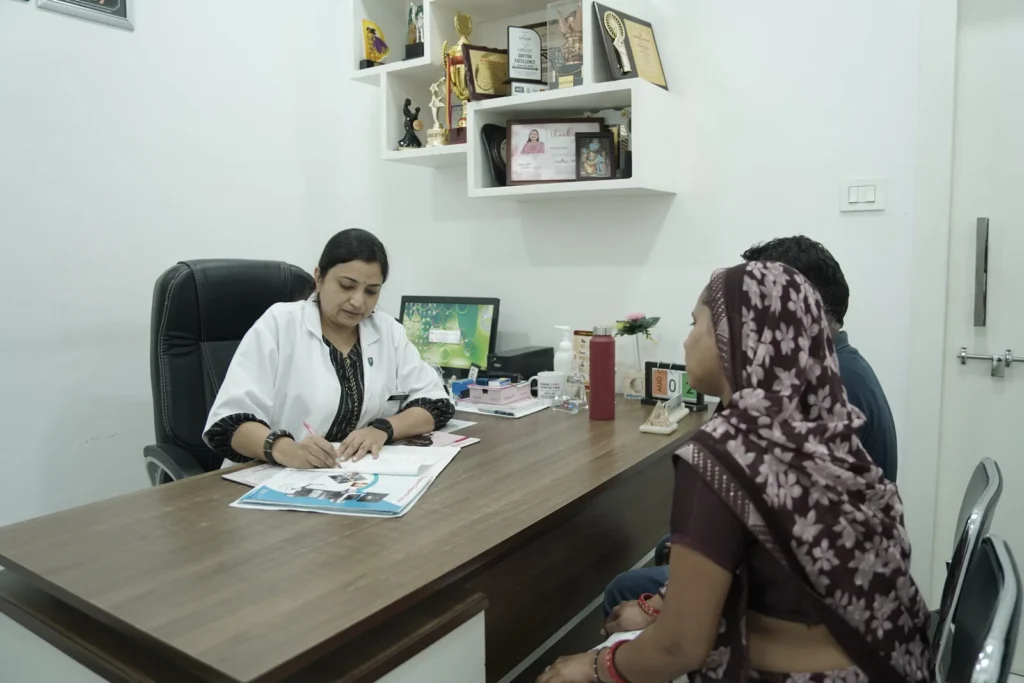
Talking about periods, hair growth, and fertility can feel personal. Jain Surgical Hospital offers a private, supportive environment where you can ask questions without judgement.
Women looking for the best gynaecology hospital in Kota value clear explanations, personalised plans, and respectful follow-up. As one of the best hospitals in Kota, the team focuses on treating the whole person, not only the symptoms.
Frequently Asked Questions
1. What is the first sign of PCOS?
Irregular or missed periods are often the first sign. Acne, unwanted hair growth, and weight changes may also appear early.
2. Can you have PCOS with regular periods?
It is less common, but possible. Some women have regular cycles yet show other signs, such as high androgens or polycystic-looking ovaries. A doctor can assess your case.
3. Can PCOS be cured?
There is no permanent cure, but symptoms and long-term risks can be controlled with lifestyle changes and treatment.
4. Can I get pregnant if I have PCOS?
Yes. Many women with PCOS conceive naturally or with simple treatment like ovulation-inducing medicines. Your doctor will guide you.
5. Does PCOS only affect overweight women?
No. PCOS can occur in women of any weight, including those with a normal weight. However, excess weight can make symptoms worse.
Book Your PCOS Consultation Today
If you have irregular periods, stubborn acne, or other signs that worry you, you do not need to wait or worry alone. Early diagnosis makes treatment simpler and protects your long-term health. Visit Jain Surgical Hospital, a trusted name for women’s health in Kota, and consult an experienced gynecologist who will guide you with care and privacy. Book your appointment today and take the first step toward balanced hormones and better health.