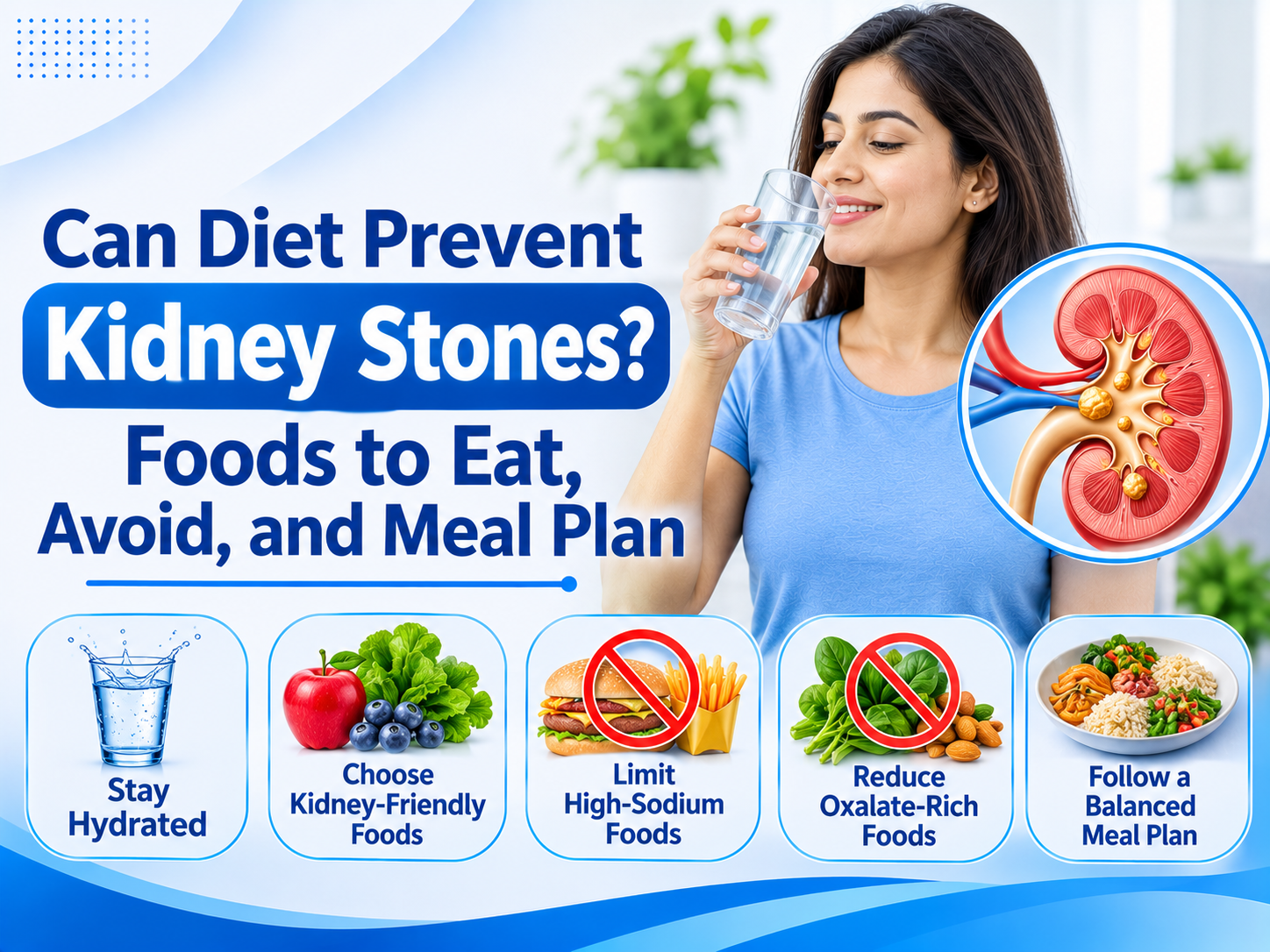
Can diet prevent kidney stones? Yes, the right diet can greatly lower your risk, but it cannot guarantee you will never form a stone. The most important steps are drinking plenty of water, eating less salt, getting enough calcium from food, limiting animal protein, and cutting back on high-oxalate foods if your doctor advises it. The best plan depends on your stone type. At Jain Surgical Hospital, a trusted hospital in Kota, patients receive diet guidance along with medical care for kidney stones.
Can Diet Prevent Kidney Stones? The Short Answer
Diet is the cornerstone of kidney stone prevention for most people. Stones form when urine becomes too concentrated with minerals like calcium, oxalate, and uric acid. What you eat and drink changes how concentrated your urine is.
However, there is no single diet that works for everyone. Genetics, medical conditions, and medicines also play a role. That is why it helps to see a urologist in Kota who can test your urine and find out why your stones form.
Know Your Stone Type First
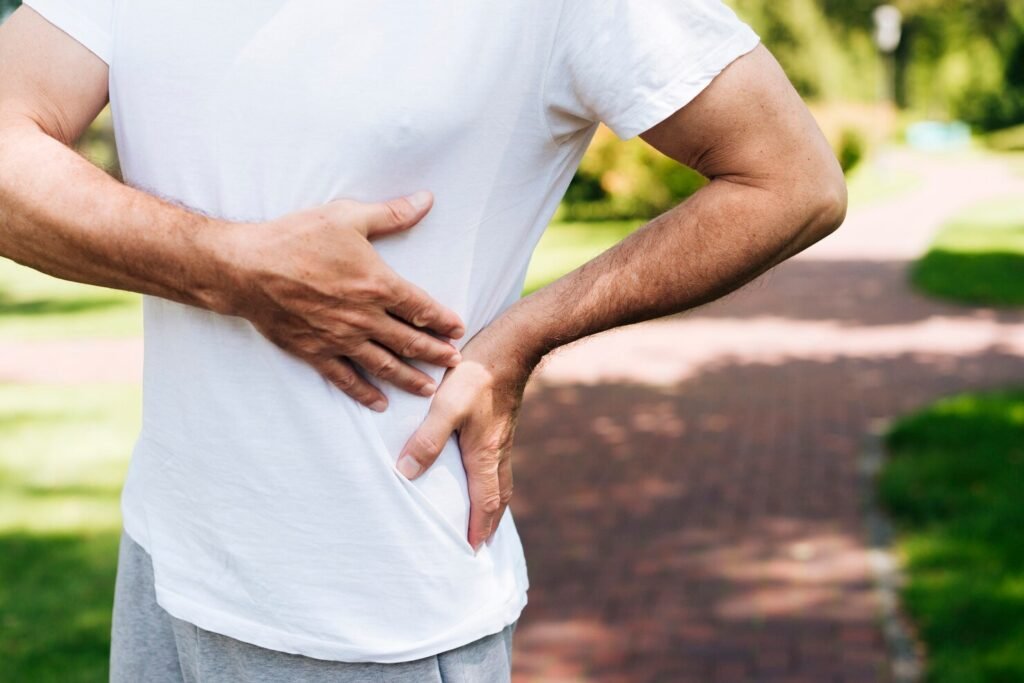
Different stones need slightly different diets. A passed stone can be tested in a lab, and a 24-hour urine test shows what is out of balance.
| Stone Type | How Common | Key Diet Steps |
| Calcium oxalate | Most common | More water, less sodium, enough calcium, limit high-oxalate foods if advised |
| Uric acid | Second most common | Limit red meat, organ meats, and shellfish, avoid alcohol excess, eat more fruits and vegetables |
| Calcium phosphate | Less common | Less sodium, less animal protein, enough calcium |
Do not start a strict diet or cut out whole food groups on your own. A change that helps one stone type may not help another.
Foods and Drinks to Eat for Kidney Stone Prevention
These foods and habits support a stone-friendly diet:
- Water: The most important fluid for prevention
- Lemon and lime water: Lemon and lime provide citrate, which helps stop stones from forming
- Fruits and vegetables: Cucumber, tomato, watermelon, oranges, and apples add fluid and reduce urine acidity
- Low-fat dairy: Milk, curd, and paneer provide calcium that binds oxalate in the gut
- Plant proteins: Lentils and beans can replace some meat
- Fresh, home-cooked meals: These are naturally lower in sodium than packaged food
Foods to Limit or Avoid
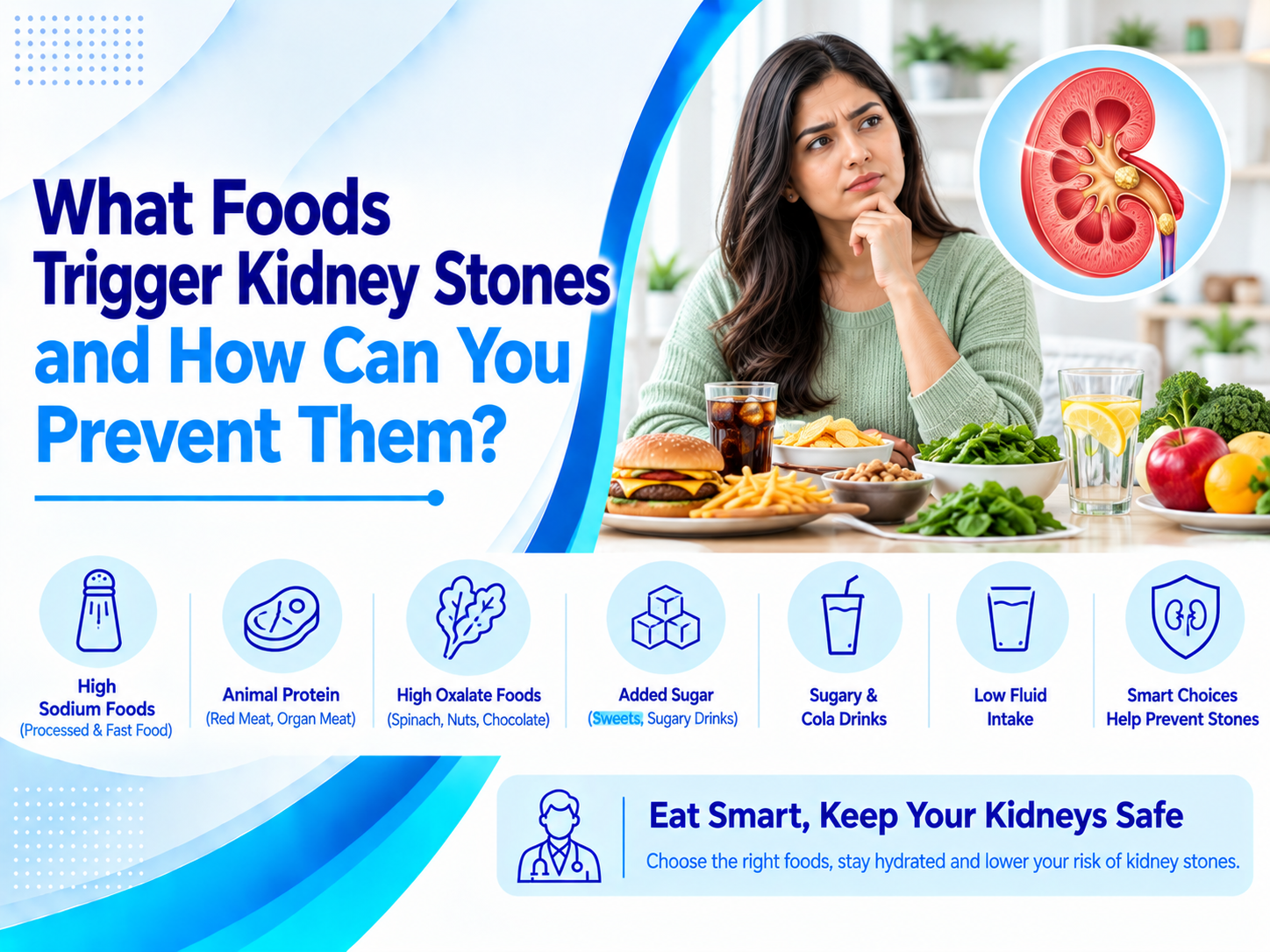
These items raise stone risk for some people, especially if eaten in large amounts:
- High-sodium foods: Chips, pickles, papad, packaged snacks, instant noodles, and fast food
- Excess animal protein: Red meat, organ meats, and shellfish
- High-oxalate foods (if you form calcium oxalate stones): Spinach, rhubarb, beets, nuts, chocolate, wheat bran, and strong tea
- Too much alcohol: It dehydrates you and can raise uric acid
When you drink enough fluids, high-oxalate foods are usually less of a problem. You rarely need to cut them out completely.
Calcium: Eat It, Do Not Avoid It
Many people wrongly cut out dairy to prevent stones. In fact, calcium from food is protective. It binds to oxalate in the digestive system so less reaches the kidneys.
Most adults need about 1,000 to 1,200 mg of calcium a day, from sources such as milk, curd, paneer, and ragi. Eating calcium and oxalate foods at the same meal works best, for example curd with a spinach dish.
If you take calcium supplements, take them with meals and ask your doctor which type is right for you.
How Much Water Should You Drink?
Doctors recommend enough fluid to pass at least 2 liters of urine a day, and often about 2.5 liters. For most people, that means drinking about 2.5 to 3 liters of fluid daily.
In a hot city like Kota, you lose a lot of water through sweat, so you may need more. Pale yellow urine is a good sign that you are drinking enough.
Good fluids include water, lemon water, buttermilk, and coconut water. Check with your doctor first if you have kidney, heart, or other conditions that limit fluids.
Sodium Limit: Keep Salt in Check
Too much sodium makes your kidneys release more calcium into urine, which raises stone risk. Many experts suggest keeping sodium to about 2,000 to 2,300 mg a day, which is roughly one teaspoon of salt including hidden salt in food.
Simple ways to cut sodium:
- Cook with less salt and skip extra salt at the table
- Limit pickles, papad, chutneys, and sauces
- Choose fresh food over packaged snacks
Supplements to Be Careful With
Some supplements can raise stone risk:
- High-dose vitamin C: The body turns some of it into oxalate
- Too much vitamin D: Can increase calcium in the urine
- Calcium supplements without food: Better absorbed with meals
Always ask your doctor before starting any supplement, especially if you have had stones before.
Sample One-Day Meal Plan for Kidney Stone Prevention
This is a general example. Your own plan should match your stone type and doctor’s advice.
| Meal | Example |
| Early morning | A glass of water, then lemon water |
| Breakfast | Vegetable poha or upma with curd, and a fruit such as an apple or papaya |
| Mid-morning | Coconut water or buttermilk |
| Lunch | Roti, a moderate portion of dal, a vegetable like bottle gourd or tomato, cucumber salad, and curd |
| Evening | A seasonal fruit and a glass of water |
| Dinner | Vegetable khichdi with curd, or roti with paneer curry |
| Bedtime | A glass of water or milk |
Spread fluids through the day and keep a bottle with you.
When Diet Alone Is Not Enough
Diet helps prevent stones, but it cannot dissolve or remove stones that already exist. Seek medical care if you have severe pain, blood in the urine, or repeated stones.
Treatment depends on the stone size and location. Small stones may pass with fluids and medicines, while larger ones may need procedures such as shock wave therapy or ureteroscopy. Expert kidney stone treatment in Kota begins with imaging and a clear plan.
When Surgery Becomes Necessary
Surgery is considered when a stone is too large to pass, blocks the urine flow, causes infection, or keeps causing pain. Modern procedures are often minimally invasive.
If you need kidney stone surgery Kota has experienced surgeons who can explain your options, risks, and recovery in simple terms.
Warning Signs That Need Urgent Care
Go to the nearest hospital immediately if you have:
- Severe pain in the back or side that does not ease
- Fever or chills with stone pain
- Vomiting that prevents you from keeping fluids down
- Being unable to pass urine
- Blood in the urine with severe pain
Why Choose Jain Surgical Hospital for Kidney Stone Care
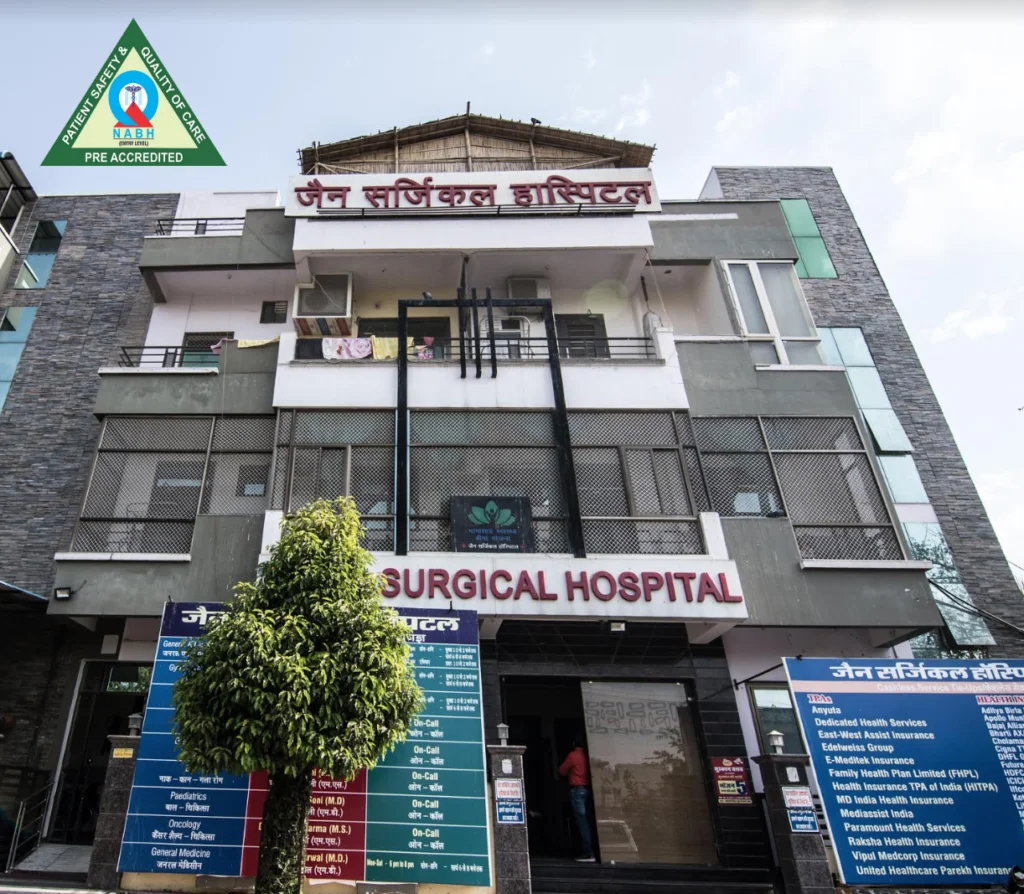
Kidney stones are painful and often come back. Jain Surgical Hospital offers a complete approach, from diagnosis and diet guidance to treatment and follow-up.
Patients searching for the best urology hospital Kota can offer value clear explanations and personal attention. As one of the best hospitals in Kota, the team focuses on helping you recover and prevent stones from returning.
Frequently Asked Questions
1. Can diet really prevent kidney stones?
Yes, diet and hydration are the cornerstone of prevention, which is why can diet prevent kidney stones is a common patient question. They greatly lower your risk but cannot guarantee you will never get another stone.
2. How much water should I drink to prevent kidney stones?
Aim to pass at least 2 to 2.5 liters of urine a day, which usually means drinking about 2.5 to 3 liters of fluid. You may need more in hot weather.
3. Should I stop eating dairy if I have kidney stones?
No. Calcium from food helps block oxalate absorption. Cutting dairy can actually increase stone risk, unless your doctor advises otherwise.
4. Is lemon water good for kidney stones?
Lemon and lime contain citrate, which helps prevent some stones. It can support, but not replace, plenty of plain water and medical advice.
5. When should I see a urologist for kidney stones?
See a urologist in Kota for severe pain, blood in urine, fever, repeated stones, or if you have had a stone before and want a personal prevention plan.
Book Your Kidney Stone Consultation Today
Prevention starts with understanding why your stones form. If you have had a stone or want a personal diet plan, do not wait for the next attack. Visit Jain Surgical Hospital, a trusted name for urology care in Kota, and consult an experienced urologist who will guide your diet and treatment. Book your appointment today and take control of your kidney health.