
Consulting a Laparoscopic Treatment Doctor has become the preferred first step for patients who need surgery but want to avoid the long recovery associated with traditional open procedures. Laparoscopic surgery, often called keyhole surgery, uses small incisions and a camera-guided approach to treat a wide range of conditions with significantly less trauma to the body.
If you have been advised to undergo surgery and want to understand whether a minimally invasive option is right for you, this guide explains exactly how laparoscopic treatment works, its benefits, and when it is time to book a consultation.
What Is Laparoscopic Surgery and How Does It Work?
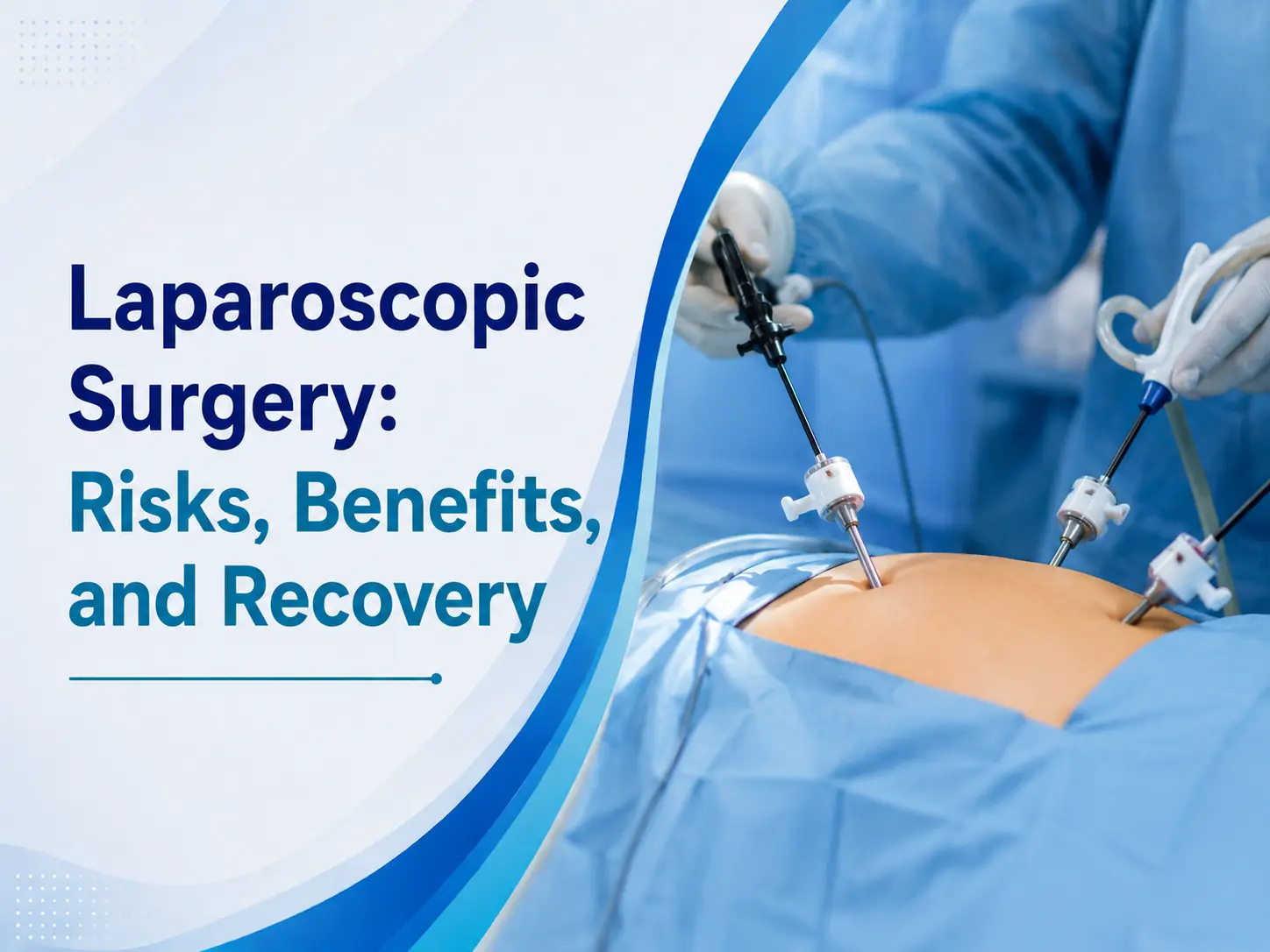
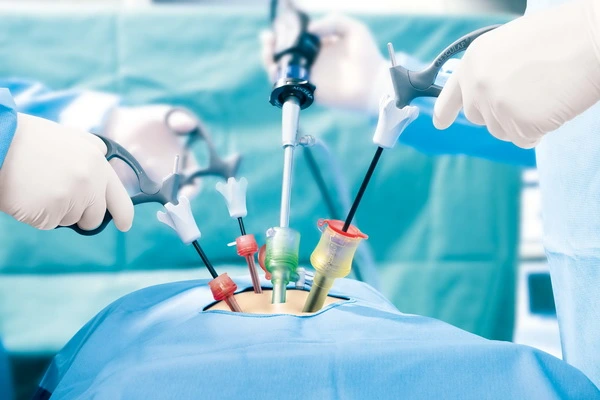
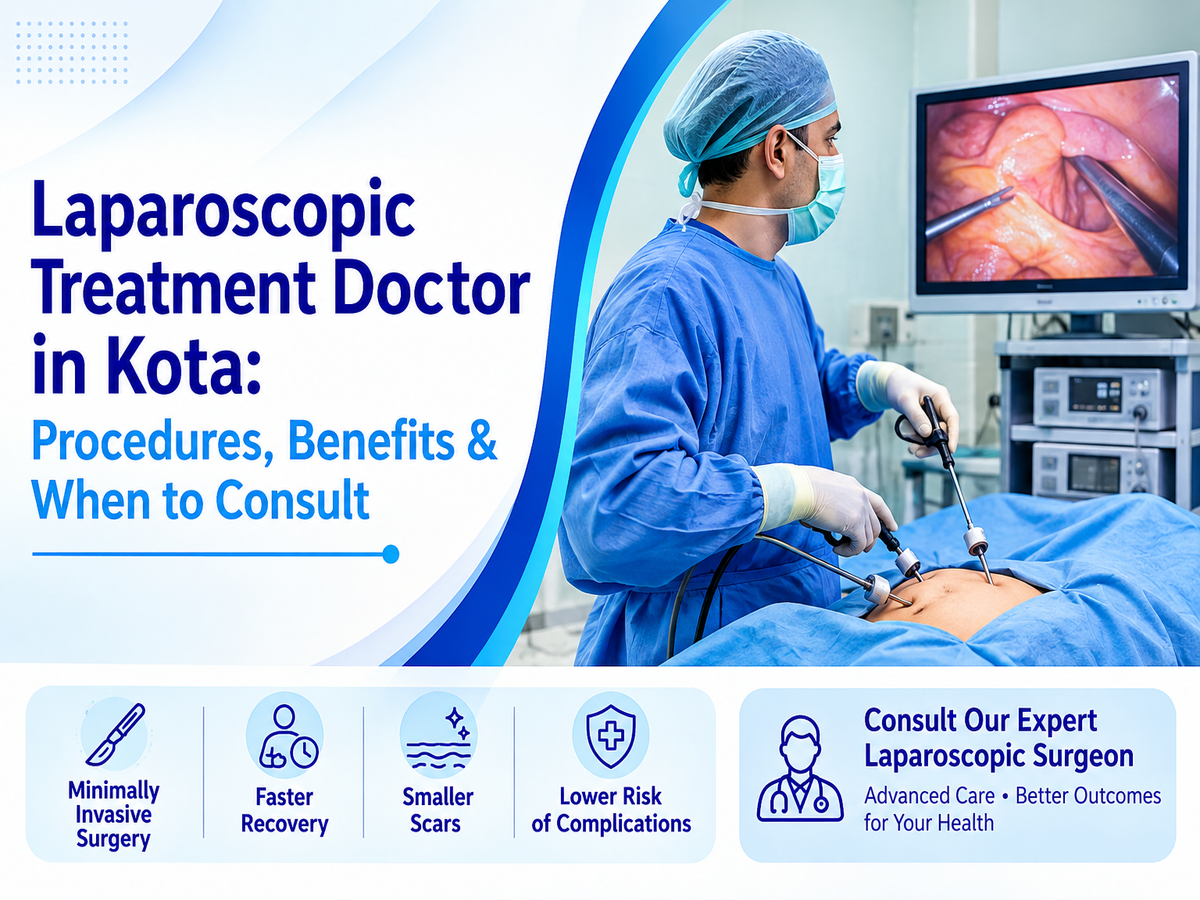
Laparoscopic surgery is a minimally invasive technique where surgeons operate through a few small incisions, typically half a centimetre to one centimetre in size, instead of a single large cut. A thin tube fitted with a camera, called a laparoscope, is inserted through one incision to give the surgeon a clear, magnified view of the internal organs on a monitor.
Specialised surgical instruments are then passed through the remaining small incisions to perform the procedure. This camera-guided approach allows a Laparoscopic Treatment Doctor to carry out complex operations with the same level of precision as open surgery, while significantly reducing damage to surrounding tissue.
Common Procedures Performed Through Laparoscopy
Laparoscopic techniques are now used across a wide range of medical specialities, making them one of the most versatile surgical approaches available today. Common procedures include:
- Gallbladder removal (laparoscopic cholecystectomy): One of the most frequently performed laparoscopic procedures worldwide
- Appendix removal (laparoscopic appendectomy): A fast, effective option for treating appendicitis
- Hernia repair: Both inguinal and umbilical hernias can often be corrected laparoscopically
- Gynaecological procedures: Including treatment for ovarian cysts, fibroids, and endometriosis
- Bariatric surgery: Weight-loss procedures that benefit significantly from a minimally invasive approach
- Kidney and urological procedures: Including certain kidney stone removals and other urological conditions
As surgical technology continues to advance, the range of conditions treatable through laparoscopy keeps expanding, making it a preferred option across many specialities.
Key Benefits of Choosing Laparoscopic Treatment
Patients consistently report a better overall experience with laparoscopic procedures compared to traditional open surgery. The main advantages include:
- Smaller incisions: Cuts are typically 0.5 to 1 centimetre, compared to 6 to 12 centimetres in open surgery
- Less pain: Smaller wounds mean significantly reduced post-operative discomfort and lower reliance on pain medication
- Shorter hospital stays: Many patients go home within a day or two, reducing both stress and cost
- Faster recovery: Most patients can resume light activity within days rather than weeks
- Lower infection risk: Smaller wounds reduce exposure to bacteria and lower the chance of surgical site infections
- Better cosmetic outcome: Minimal scarring is especially valued by younger patients or for visible surgical areas
Most patients are able to walk within hours after the procedure, which supports faster healing and better blood circulation during recovery.
When Should You Consult a Laparoscopic Treatment Doctor?
Knowing when to seek an expert opinion can help you avoid complications and explore less invasive treatment options sooner. Consider a consultation if you experience:
- Persistent abdominal pain that does not resolve with medication
- A diagnosed gallstone, hernia, or ovarian cyst that requires surgical evaluation
- Symptoms of appendicitis, such as sudden lower right abdominal pain with fever
- A doctor’s recommendation for surgery where a minimally invasive option should be explored
- Chronic pelvic pain that may be linked to a gynaecological condition
Early consultation allows your surgeon to assess whether your specific condition is suitable for a laparoscopic approach, rather than defaulting to more invasive open surgery.
What to Expect During Consultation and Diagnosis
Before recommending any procedure, your surgeon will conduct a detailed evaluation to confirm the diagnosis and assess whether laparoscopic treatment is appropriate for your case.
- Medical history review: Understanding your symptoms, prior surgeries, and overall health
- Physical examination: Identifying visible signs or areas of tenderness
- Imaging tests: Ultrasound, CT scan, or MRI to confirm the diagnosis and plan the surgical approach
- Blood tests: Ensuring you are medically fit for the procedure
- Pre-surgical counselling: A clear discussion of the procedure, risks, benefits, and expected recovery timeline
This structured approach ensures that surgery is recommended only when necessary and that the least invasive option suitable for your condition is chosen.
Recovery After Laparoscopic Surgery: What Patients Should Know
Recovery time after laparoscopic surgery varies depending on the specific procedure, but it is consistently shorter than recovery from equivalent open surgery. Most patients require one to two weeks of rest before resuming normal activities, though simple procedures may allow a return to light work within a week.
Mild symptoms such as shoulder discomfort, bloating, or tenderness around the incision sites are common in the first few days and typically resolve on their own. Walking regularly, staying hydrated, and following your surgeon’s specific aftercare instructions all support a smoother, faster recovery.
Are There Any Risks or Limitations to Laparoscopic Surgery?
While laparoscopic surgery is generally very safe, it is not suitable for every patient or every condition. In some cases, a surgeon may need to switch to open surgery during the procedure if unexpected complications arise, which is why choosing an experienced surgical team matters.
Certain conditions, such as very large tumours, extensive scar tissue from prior surgeries, or specific high-risk pregnancies, may require a more traditional surgical approach. Your surgeon will always discuss these possibilities honestly during your consultation, so you know what to expect before the day of surgery.
Why Choose Jain Surgical Hospital as Your Laparoscopy Surgery Kota Destination
For patients seeking reliable laparoscopy surgery in Kota, Jain Surgical Hospital offers a combination of experienced surgeons, modern equipment, and a patient-first approach to care. Our team has performed a wide range of laparoscopic procedures across general surgery, gynaecology, and urology.
We prioritise accurate diagnosis before recommending any surgical approach, ensuring that patients receive the least invasive option suited to their specific condition. This careful, individualised evaluation is central to the outcomes our patients experience.
What Sets Us Apart as the Best Laparoscopy Hospital in Kota
Recognised as the best laparoscopy hospital in Kota by patients across the region, our facility combines advanced laparoscopic technology with a genuinely supportive care environment. From your first consultation through recovery, our team focuses on clear communication and consistent follow-up.
Jain Surgical Hospital stands among the trusted hospitals in Kota Rajasthan, known for combining surgical expertise with compassionate, patient-centered care across multiple specialities.
A Trusted Name Among the Best Hospitals in Kota
As one of the best hospitals in Kota, we bring together experienced surgeons, modern diagnostic tools, and comprehensive post-operative support under one roof. Our multispeciality approach means that if your condition intersects with other health concerns, our team can coordinate care seamlessly without unnecessary delays or referrals elsewhere.
Frequently Asked Questions
1. Is laparoscopic surgery safer than open surgery?
Laparoscopic surgery is generally considered very safe and, for suitable conditions, offers advantages like reduced pain, lower infection risk, and faster recovery compared to open surgery. However, safety always depends on the specific condition and the patient’s overall health.
2. How long does it take to recover from laparoscopic surgery?
Most patients need one to two weeks of rest before resuming normal activities, though this varies based on the specific procedure performed. Simple procedures often allow a return to light work within about a week.
3. Is laparoscopic surgery painful?
Laparoscopic surgery causes significantly less pain than open surgery due to smaller incisions and less tissue trauma. Most patients manage post-operative discomfort well with standard pain relief medication.
4. Can every surgery be performed laparoscopically?
Not every condition is suitable for a laparoscopic approach, particularly in cases involving very large tumours, extensive scar tissue, or certain complex emergencies. Your surgeon will assess your specific case to determine the safest and most effective surgical method.
5. What should I ask my laparoscopic treatment doctor before surgery?
Ask about the specific procedure, expected recovery time, potential risks, and what to do if the surgeon needs to switch to open surgery during the operation. Understanding these details beforehand helps you feel more prepared and confident going into surgery.
Conclusion
Choosing the right Laparoscopic Treatment Doctor means access to modern, minimally invasive surgical care with smaller incisions, less pain, and significantly faster recovery than traditional open surgery. From gallbladder and hernia procedures to gynaecological and urological treatments, laparoscopy has transformed how a wide range of conditions are managed today.
If you have been advised to undergo surgery and want to explore whether a minimally invasive option is right for you, reach out to Jain Surgical Hospital today. Call us to schedule a consultation with our experienced surgical team and take the first step toward a faster, more comfortable recovery.