Kidney stones affect nearly 12% of men and 6% of women in India at some point in their lives, according to research published by the Indian Journal of Urology. The numbers are rising due to poor hydration habits, high-salt diets, and sedentary lifestyles. Despite being so common, most people ignore the earliest warning signs until the pain becomes unbearable.
If you are in Rajasthan, the climate itself increases your risk. Hot weather leads to dehydration, which is one of the leading causes of stone formation. People seeking kidney stone treatment in Kota at Jain Surgical often tell us they wish they had come sooner, before the stone grew larger or caused a blockage.
What Are Kidney Stones and How Do They Form?
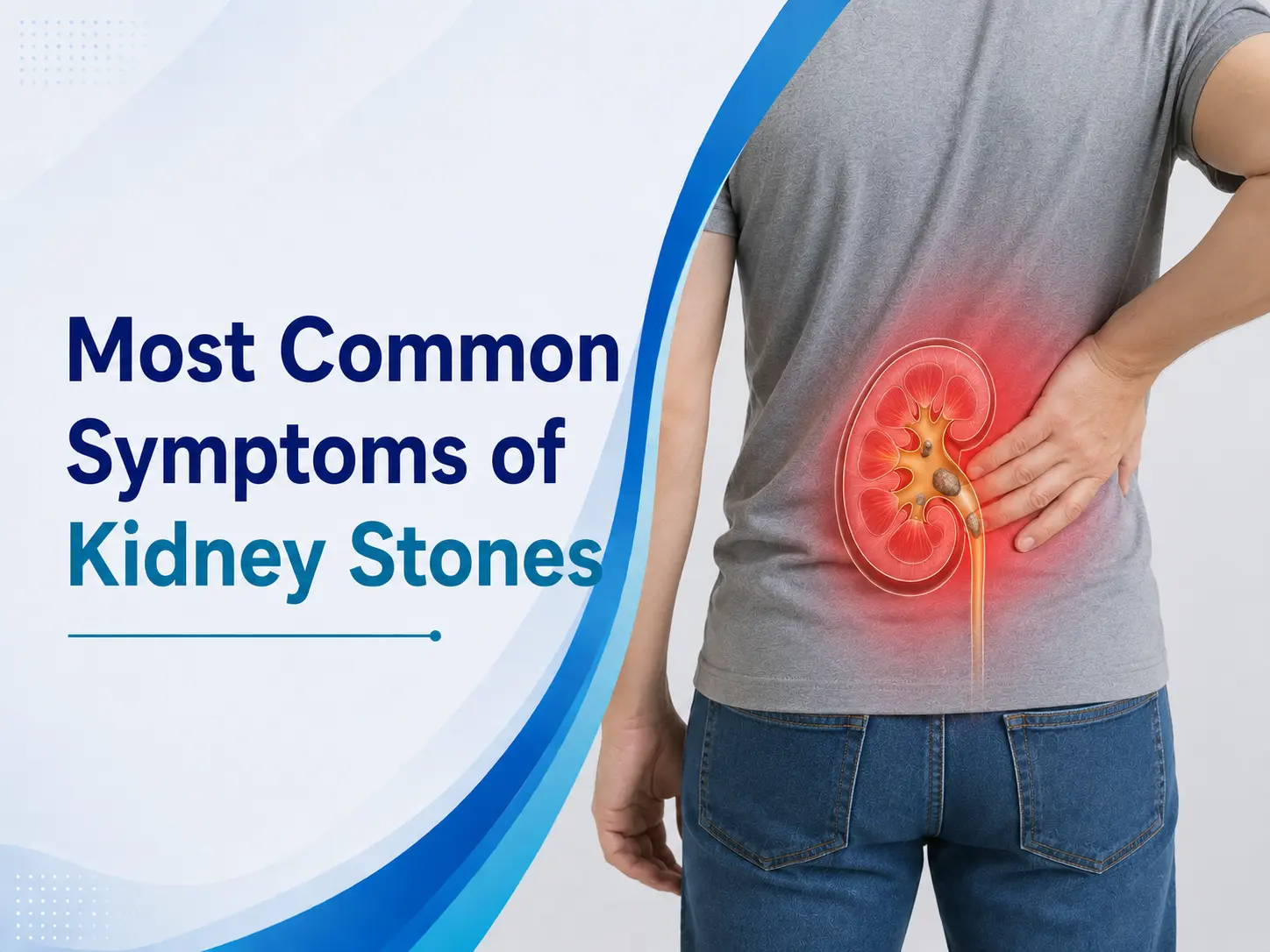
Kidney stones are hard mineral and salt deposits that form inside the kidneys when urine becomes too concentrated. The most common types include:
- Calcium oxalate stones (most common, linked to diet and low water intake)
- Uric acid stones (associated with high-protein diets and gout)
- Struvite stones (often linked to urinary tract infections)
- Cystine stones (rare, caused by a genetic condition)
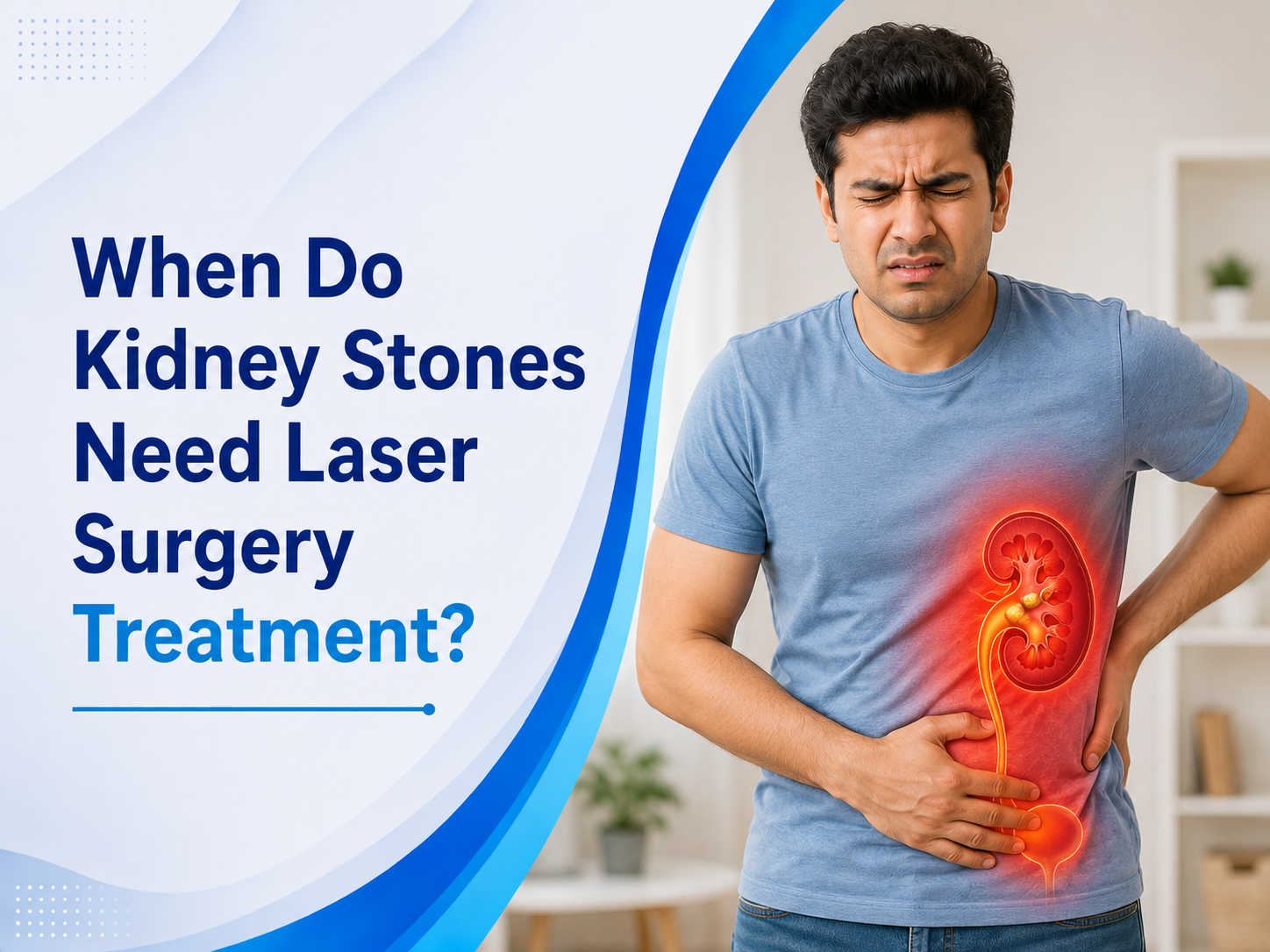
Stones can range from the size of a grain of sand to a golf ball. Smaller stones often pass on their own. Larger stones require kidney stone surgery in Kota or other interventional treatments.
The key issue is that stones do not always cause pain while forming. By the time pain starts, the stone has often already moved into the ureter, the narrow tube connecting the kidney to the bladder.
Warning Sign 1: Sudden, Severe Pain in the Back or Side
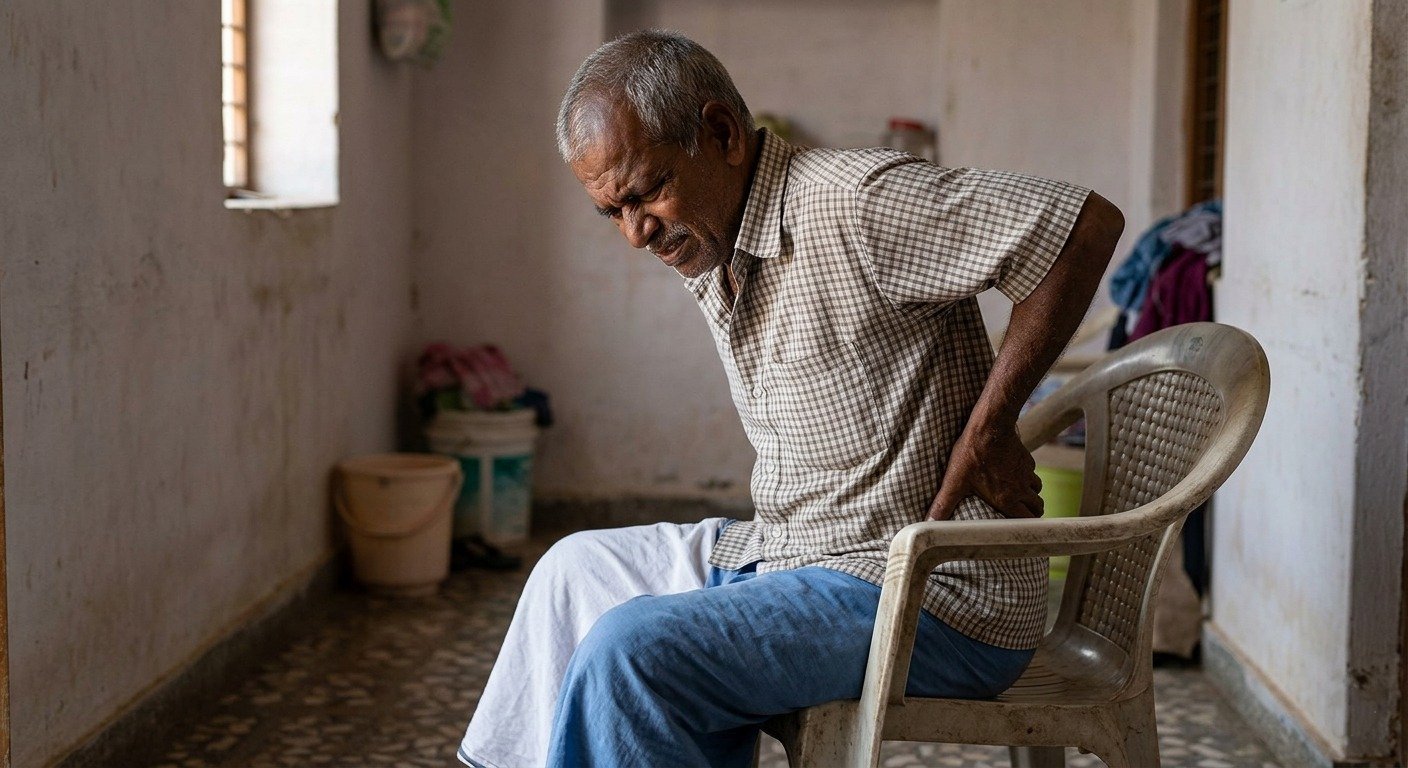
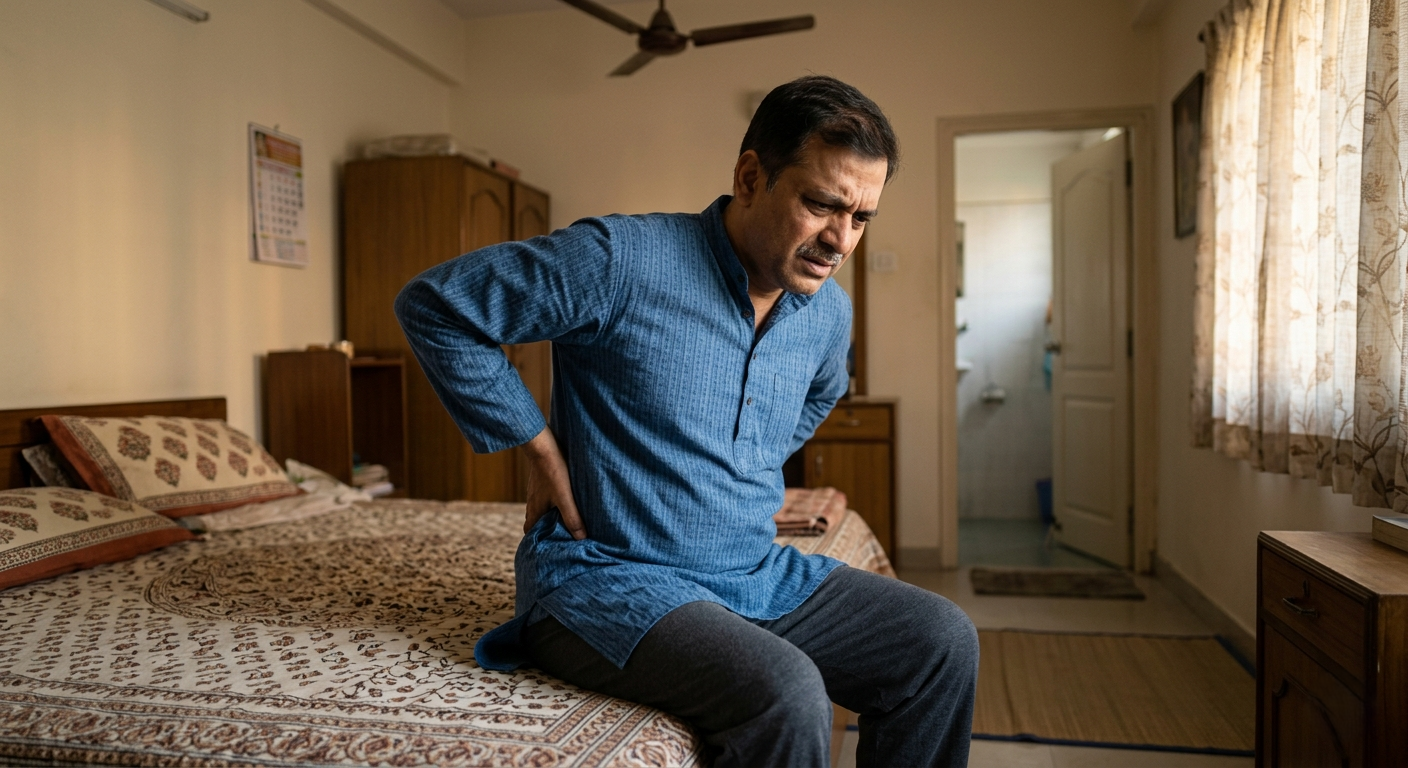
The most recognised symptom of a kidney stone is a sharp, cramping pain in the back, side, or lower abdomen. Medically called renal colic, this pain can be one of the most intense a person ever experiences.
The pain typically:
- Starts suddenly without warning
- Comes in waves, intensifying and then easing
- Radiates from the back or flank down toward the groin
- Does not improve with changing position or lying down
Many patients who visit Jain Surgical for kidney stone treatment in Kota describe the pain as worse than a fracture or childbirth. If you experience this, do not wait. Visit a kidney doctor in Kota the same day.
Warning Sign 2: Blood in Urine (Haematuria)
Pink, red, or brown-tinged urine is one of the clearest early signs of a kidney stone. This happens because the stone scrapes the lining of the ureter or kidney as it moves.
Important points to know:
- The blood may be visible to the naked eye or only detectable on a urine test
- Even microscopic blood in urine should never be dismissed
- Blood in urine can also indicate infection or a more serious condition, making prompt evaluation essential
If you notice any change in urine colour, see a kidney doctor in Kota for a urine test immediately. This single symptom alone warrants investigation.
Warning Sign 3: Frequent or Painful Urination
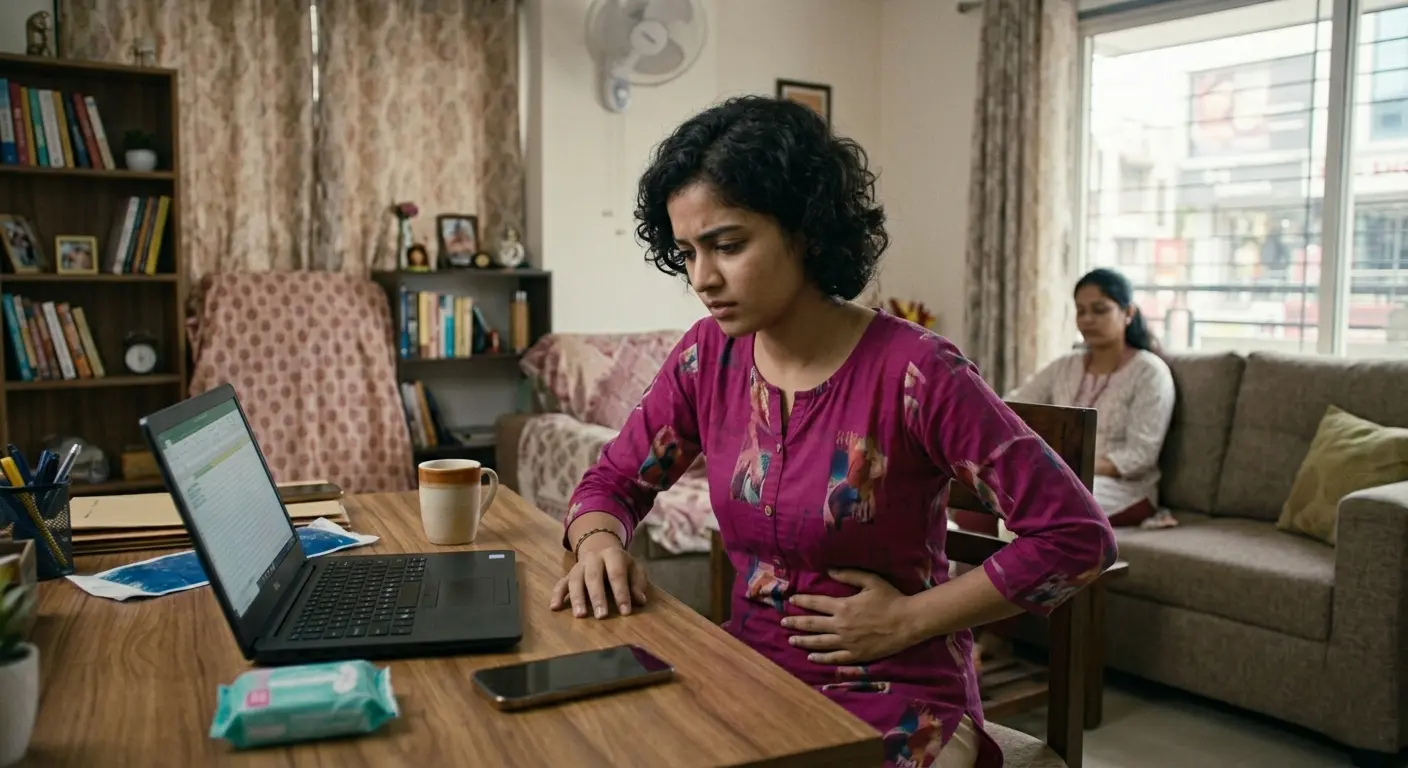
A stone sitting near the bladder causes irritation that mimics a urinary tract infection. You may feel:
- A strong, urgent need to urinate more often than usual
- Burning or stinging during urination
- Passing only small amounts of urine each time despite the urge
Many patients and even some general practitioners initially mistake this symptom for a simple urinary infection. If antibiotics do not resolve the issue within a few days, a kidney stone surgery evaluation may be needed.
Warning Sign 4: Nausea and Vomiting
The kidneys share nerve connections with the digestive system. When a stone causes significant irritation or blockage, the body responds with nausea and sometimes vomiting.
This symptom is often mistaken for food poisoning or gastritis. If nausea accompanies back or flank pain, the combination is a strong indicator of a kidney stone and requires urgent evaluation.
Persistent vomiting can also cause dehydration, which worsens stone formation and makes passing the stone even harder.
Warning Sign 5: Fever and Chills Alongside Pain
Fever with kidney stone pain is a medical emergency. It indicates that the blockage caused by the stone has led to a kidney infection (pyelonephritis) or, in severe cases, sepsis.
Do not wait for a scheduled appointment if you have:
- Fever above 38 degrees Celsius combined with flank pain
- Shivering or chills alongside urinary symptoms
- Feeling very unwell, weak, or confused
This combination requires emergency kidney stone treatment in Kota or immediate hospital admission. Delayed treatment in these cases can lead to permanent kidney damage.
Warning Sign 6: Cloudy or Foul-Smelling Urine
Urine that looks cloudy or smells unusually strong can indicate an infection caused by a kidney stone blocking normal urine flow. Stagnant urine behind a blockage becomes a breeding ground for bacteria.
This is particularly concerning because the infection will not fully clear until the stone itself is treated. Antibiotics alone will not resolve the underlying problem.
A kidney doctor in Kota will assess both the infection and the stone together to create the right treatment plan.
Warning Sign 7: Pain That Comes and Goes but Never Fully Disappears
Some patients experience a dull, persistent ache in the back or side that has been present for weeks or even months. They adapt to it, assuming it is a muscle strain or posture issue.
This pattern of recurring, mild-to-moderate flank pain is a classic presentation of a stone that is moving slowly or partially blocking the kidney. Left untreated, it can silently cause pressure damage to the kidney tissue.
If you have had unexplained back pain that comes and goes, an ultrasound done at Jain Surgical for kidney stone treatment in Kota can rule out or confirm a stone within minutes.
When Should You See a Kidney Doctor in Kota Urgently?
Go to Jain Surgical or an emergency facility immediately if you have:
- Severe pain that does not settle within 30 to 60 minutes
- Fever and chills alongside any urinary symptom
- Complete inability to pass urine
- Vomiting that prevents you from keeping water down
- Visible blood in urine with pain
Do not wait for symptoms to pass on their own in these situations. A blocked kidney with infection can deteriorate rapidly within hours.
How Are Kidney Stones Diagnosed at Jain Surgical?
When you visit a kidney doctor in Kota at Jain Surgical, the diagnostic process is straightforward and quick:
- Urine test: Checks for blood, infection, and mineral levels
- Blood test: Assesses kidney function and identifies metabolic causes
- Ultrasound: First-line imaging to detect stone size and location
- CT KUB scan: Gold standard for detecting even small stones with precision
- X-ray KUB: Useful for certain stone types and follow-up monitoring
Most patients have a confirmed diagnosis within the same visit, allowing treatment planning to begin immediately.
Kidney Stone Treatment in Kota: What Are Your Options?
Treatment depends on the size, type, and location of the stone, as well as your symptoms and overall health. Your kidney doctor in Kota at Jain Surgical will recommend the most appropriate approach.
Conservative Management (for small stones):
- Increased fluid intake to flush the stone naturally
- Prescribed medications to relax the ureter and help stone passage
- Pain management and monitoring
ESWL (Extracorporeal Shock Wave Lithotripsy): Non-invasive treatment using sound waves to break stones into smaller fragments that can pass in urine. Suitable for selected stone sizes and locations.
URS (Ureteroscopy with Laser Lithotripsy): A thin scope is passed through the urethra and bladder to reach the stone. A laser breaks it into tiny pieces. No incisions needed. This is one of the most common forms of kidney stone surgery in Kota at Jain Surgical.
PCNL (Percutaneous Nephrolithotomy): Used for large or complex stones. A small puncture in the back allows direct access to the kidney to remove or break up larger stones.
Prevention After Treatment: Your kidney doctor will assess the stone composition and recommend dietary changes, hydration targets, and medications to prevent recurrence.
Lifestyle Changes That Reduce Kidney Stone Risk
After kidney stone treatment in Kota, these habits significantly reduce the chance of stones returning:
- Drink at least 2.5 to 3 litres of water daily, especially in hot weather
- Reduce salt intake: high sodium increases calcium in urine
- Limit animal protein: meat, eggs, and fish increase uric acid levels
- Eat more citrus fruits: lemon juice naturally inhibits stone formation
- Avoid oxalate-rich foods in excess: spinach, nuts, and chocolate in very large amounts
- Maintain a healthy body weight: obesity increases stone risk
- Do not skip follow-up appointments with your kidney doctor in Kota
Frequently Asked Questions
Q1. What are the first signs of a kidney stone?
The earliest signs include mild to moderate pain in the back or side, a burning sensation during urination, frequent urge to urinate, and slight blood in the urine. These symptoms often appear before severe pain develops.
Q2. Can kidney stones go away without treatment?
Small stones under 4mm may pass on their own with high fluid intake and medication. Stones larger than 6mm usually require intervention. A kidney doctor in Kota will advise based on your specific stone size and location.
Q3. How long does kidney stone treatment take in Kota?
Most minimally invasive procedures like ureteroscopy with lasers take 30 to 45 minutes. Patients are typically discharged within 24 hours and return to normal activity within a few days.
Q4. Is kidney stone surgery in Kota painful?
Modern procedures like laser lithotripsy are performed under anaesthesia and cause minimal discomfort. Post-operative soreness is mild and well managed with standard pain relief medication.
Q5. What foods cause kidney stones?
High-salt foods, excessive animal protein, spinach in very large quantities, nuts, chocolate, and inadequate water intake are common contributors. Your kidney doctor will provide a personalised dietary guide after treatment.
Q6. How do I know if my back pain is from a kidney stone or a muscle strain?
Kidney stone pain is typically located in the flank or lower back, comes in waves, and is often accompanied by urinary symptoms. Muscle pain is usually related to movement and does not affect urination. An ultrasound confirms the diagnosis quickly.
Q7. Can kidney stones damage the kidneys permanently?
Yes, if a stone causes a prolonged blockage or recurring infections, it can lead to scarring and permanent kidney function loss. Early kidney stone treatment in Kota prevents this outcome.
Q8. Who is the best kidney doctor in Kota for stone treatment?
Jain Surgical has a specialist urology team experienced in all forms of kidney stone management, from conservative treatment to advanced laser and PCNL procedures. The hospital is trusted by patients across Kota and Rajasthan for urological care.
Conclusion
Kidney stones rarely announce themselves loudly at first. They start with subtle signs such as mild back pain, a slight change in urine colour, or a burning sensation that is easy to dismiss. Each of these signs is your body asking for attention. Acting early means smaller stones, simpler treatments, and full recovery without complications. The kidney doctors at Jain Surgical in Kota have the expertise, technology, and experience to diagnose and treat kidney stones at every stage. Do not wait until the pain becomes unbearable. One scan can change everything.