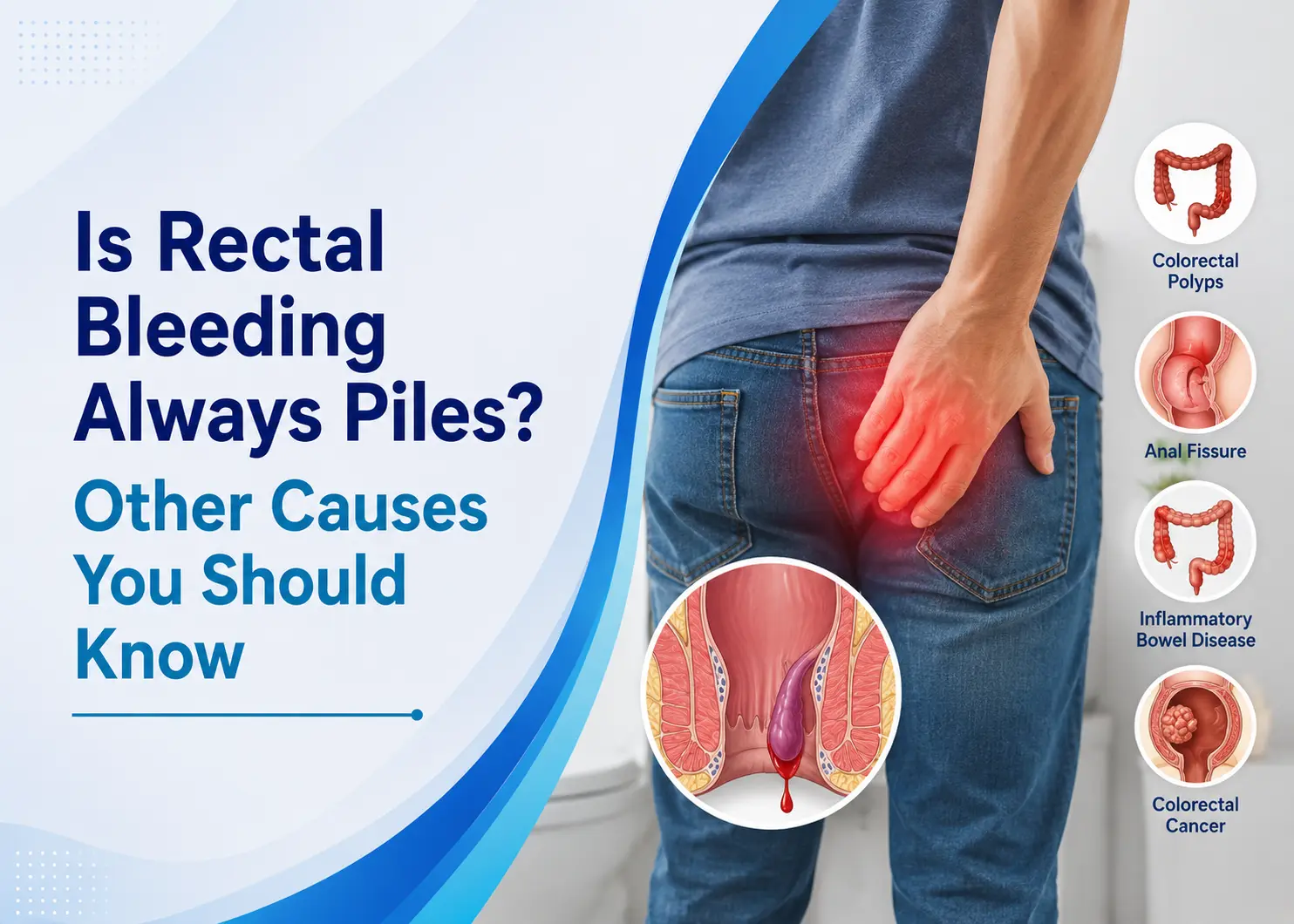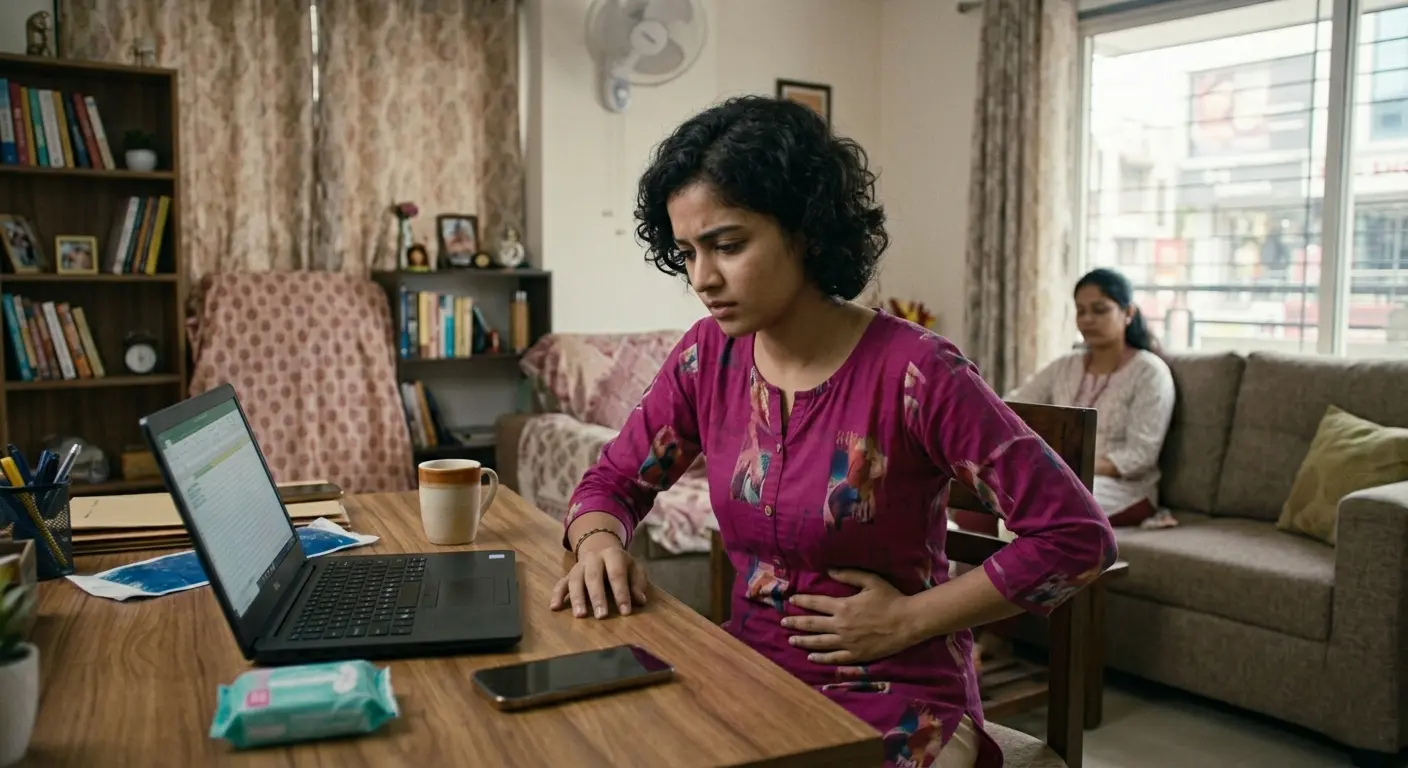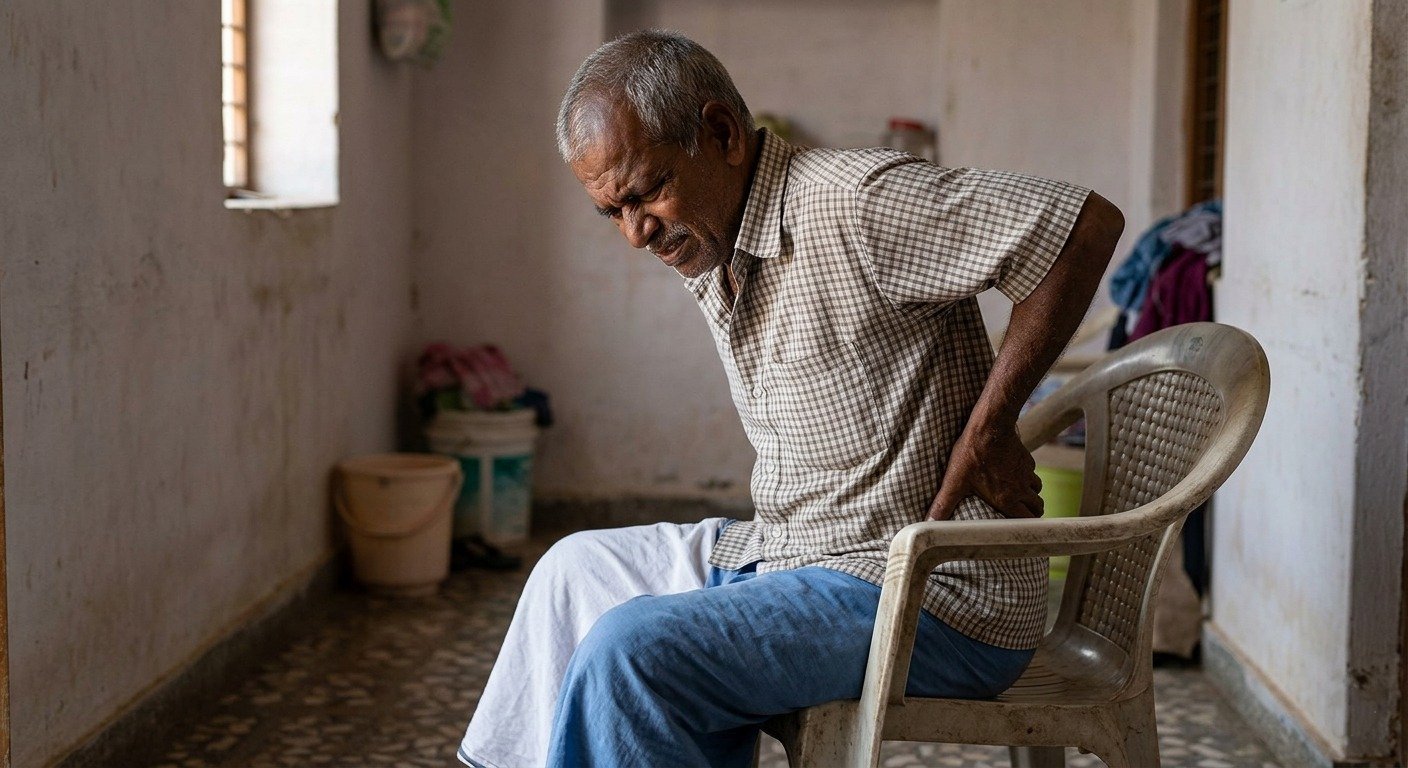
Are you tired of the constant discomfort and embarrassment caused by anal fissures? You’re not alone. Millions suffer from this painful condition, often in silence due to its sensitive nature. But what if we told you there’s a way to transform your pain into comfort?
Imagine a life where sitting isn’t a dreaded task, where bathroom visits don’t fill you with anxiety, and where you can focus on enjoying life instead of managing pain. This isn’t just a dream – it’s a reality that’s within your reach. Our ultimate guide to anal fissure treatment is here to help you reclaim your comfort and confidence.
In this comprehensive blog post, we’ll walk you through everything you need to know about anal fissures. From understanding the condition to exploring non-surgical options, medical interventions, and even long-term care strategies, we’ve got you covered. Get ready to embark on a journey of healing and discover how you can say goodbye to anal fissure pain once and for all.
Understanding Anal Fissures
What are anal fissures?
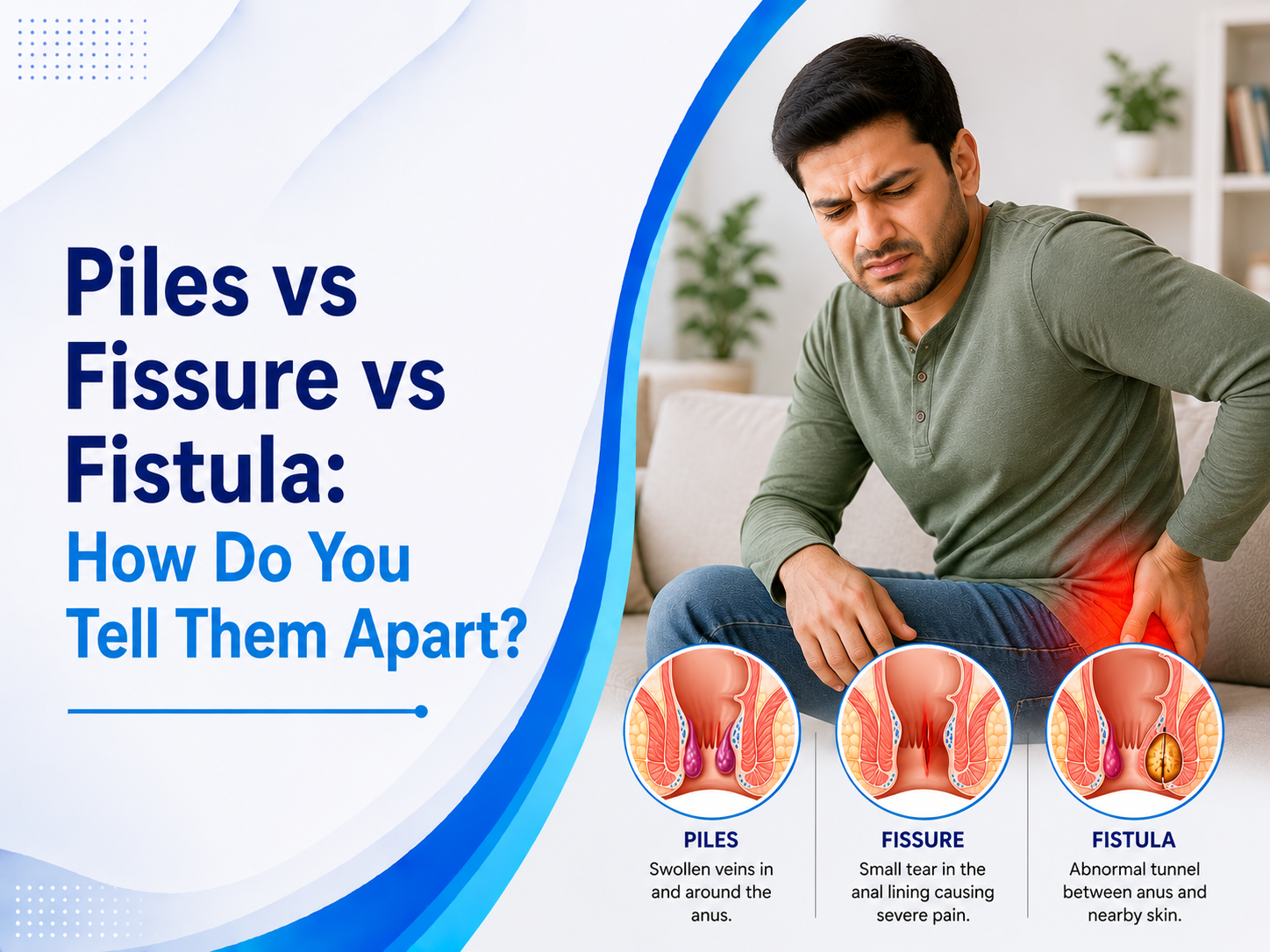
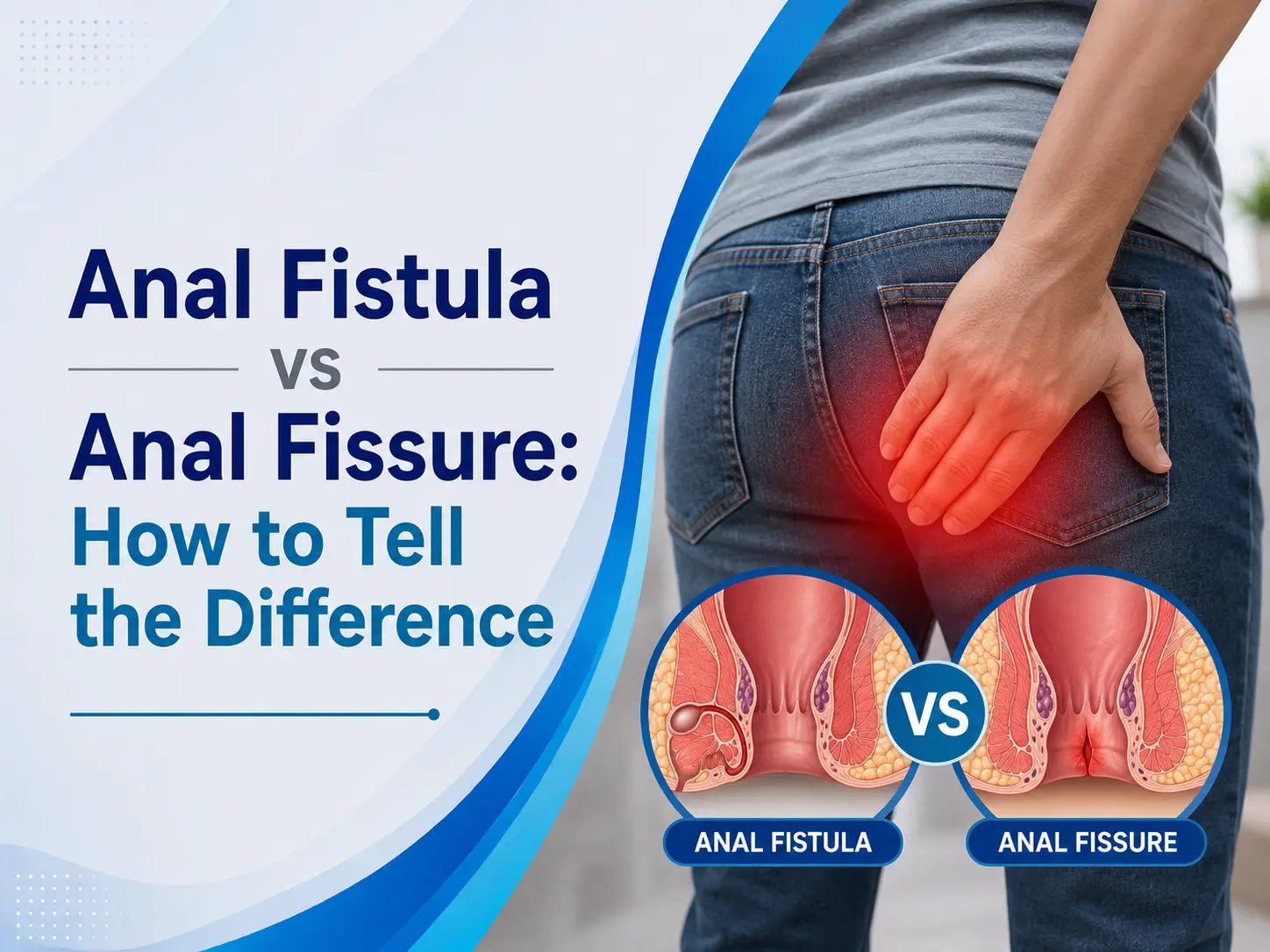
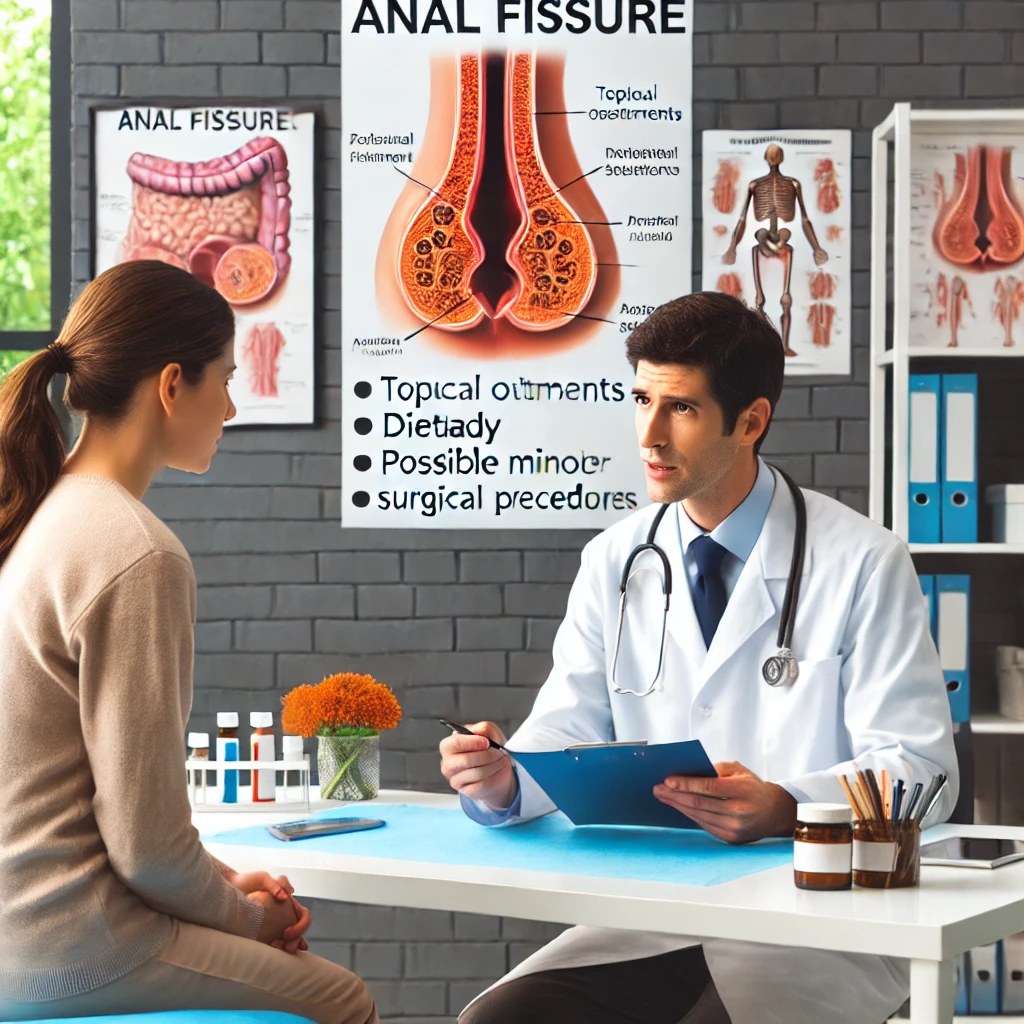
Anal fissures are small tears in the lining of the anus, often causing significant discomfort and pain during bowel movements. These tiny cuts can occur in anyone, regardless of age or gender, and may persist for weeks or even months if left untreated.
Common causes and risk factors
Several factors contribute to the development of anal fissures:
- Constipation and straining during bowel movements
- Chronic diarrhea
- Childbirth
- Inflammatory bowel diseases (e.g., Crohn’s disease)
- Anal intercourse
| Risk Factor | Impact |
| Age | More common in infants and middle-aged adults |
| Diet | Low-fiber diets increase risk |
| Medical conditions | Certain diseases can weaken anal tissue |
Recognizing symptoms
Common symptoms of anal fissures include:
- Sharp pain during bowel movements
- Burning sensation that can last hours after defecation
- Bright red blood on toilet paper or in the bowl
- Itching or irritation around the anus
- Visible tear or skin tag near the anal opening
Impact on daily life
Anal fissures can significantly affect one’s quality of life:
- Discomfort during sitting or walking
- Anxiety about using the bathroom
- Interference with work and social activities
- Potential embarrassment and social isolation
Now that we’ve explored the fundamentals of anal fissures, let’s delve into the various non-surgical treatment options available to alleviate discomfort and promote healing.
Non-Surgical Treatment Options
A. Dietary Modifications for Relief
Dietary changes play a crucial role in managing anal fissures. Increasing fiber intake and staying hydrated can soften stools, reducing strain during bowel movements. Here’s a list of fiber-rich foods to incorporate:
- Whole grains
- Leafy greens
- Legumes
- Fresh fruits
B. Effective Over-the-Counter Remedies
Several OTC options can provide relief:
| Remedy | Purpose |
| Stool softeners | Ease bowel movements |
| Topical analgesics | Reduce pain |
| Sitz bath solutions | Soothe the area |
C. Prescription Medications
When OTC treatments aren’t sufficient, doctors may prescribe:
- Nitroglycerin ointment: Improves blood flow
- Calcium channel blockers: Relax anal sphincter
- Botulinum toxin injections: Temporarily paralyze sphincter muscles
D. Lifestyle Changes to Promote Healing
Implementing the following changes can accelerate healing:
- Avoid prolonged sitting
- Use soft, unscented toilet paper
- Practice good hygiene
- Wear loose-fitting clothing
E. Sitz Baths and Other Home Remedies
Sitz baths, involving sitting in warm water for 10-15 minutes, can provide significant relief. Other home remedies include:
- Applying cold compresses
- Using aloe vera gel
- Practicing gentle anal massage
Now that we’ve explored non-surgical options, let’s delve into medical interventions for more severe cases.
Medical Interventions
When non-surgical treatments fail to provide relief, medical interventions become necessary for anal fissure treatment. These options offer more targeted approaches to healing and pain management.
A. Botox injections: How they work
Botox injections have emerged as an effective treatment for anal fissures. Here’s how they work:
- Temporarily paralyze the anal sphincter muscle
- Reduce muscle tension and spasms
- Promote blood flow to the affected area
- Allow the fissure to heal naturally
| Pros | Cons |
| Minimally invasive | Temporary effect |
| Quick procedure | Multiple treatments may be needed |
| High success rate | Potential side effects |
B. Topical nitroglycerin treatment
Topical nitroglycerin ointment is another medical intervention used to treat anal fissures:
- Relaxes the anal sphincter muscle
- Increases blood flow to the affected area
- Promotes healing of the fissure
C. Sphincterotomy: When surgery is necessary
In severe cases, a surgical procedure called sphincterotomy may be recommended:
- Involves making a small incision in the anal sphincter muscle
- Reduces muscle tension and allows the fissure to heal
- Considered when other treatments have failed
D. Recovery expectations post-treatment
Recovery times and expectations vary depending on the chosen intervention:
- Botox injections: Minimal downtime, effects last 3-6 months
- Topical nitroglycerin: Gradual improvement over weeks of use
- Sphincterotomy: 2-4 weeks recovery, with long-term success rates of 90-95%
Now that we’ve explored medical interventions, let’s discuss strategies for preventing anal fissures and maintaining long-term anal health.
Prevention Strategies
Now that we’ve explored various treatment options, let’s focus on preventing anal fissures from occurring or recurring. By adopting these strategies, you can significantly reduce your risk of developing this painful condition.
A. Maintaining proper bowel habits
Establishing a consistent routine for bowel movements is crucial in preventing anal fissures. Here are some key habits to cultivate:
- Avoid straining during bowel movements
- Don’t ignore the urge to defecate
- Limit time spent on the toilet to no more than 5 minutes
B. Hydration and fiber intake
Proper hydration and a fiber-rich diet are essential for maintaining soft, easy-to-pass stools. Consider the following recommendations:
| Hydration | Fiber-Rich Foods |
| Water (8-10 glasses daily) | Whole grains |
| Herbal teas | Fruits with edible skins |
| Fresh fruit juices | Leafy green vegetables |
| Clear soups | Legumes and beans |
C. Exercise routines for better anal health
Regular exercise can improve overall digestive health and promote better bowel function. Incorporate these activities into your routine:
- Kegel exercises to strengthen pelvic floor muscles
- Brisk walking or jogging for 30 minutes daily
- Yoga poses that target the pelvic area, such as:
- Child’s pose
- Happy baby pose
- Squat pose
- Child’s pose
By implementing these prevention strategies, you’ll be taking proactive steps towards maintaining anal health and reducing the likelihood of developing painful fissures. Next, we’ll explore effective ways to cope with anal fissure pain for those currently experiencing this condition.
Coping with Anal Fissure Pain
Now that we’ve explored various treatment options, let’s focus on managing the discomfort associated with anal fissures. Dealing with this condition can be challenging, but there are several effective strategies to help you cope with the pain and improve your quality of life.
Pain Management Techniques
Managing anal fissure pain involves a combination of approaches:
- Sitz baths: Soaking in warm water for 10-15 minutes, 2-3 times daily
- Ice packs: Applying cold compresses to reduce inflammation
- Over-the-counter pain relievers: Using acetaminophen or ibuprofen as directed
- Topical analgesics: Applying lidocaine ointment for temporary relief
| Technique | Frequency | Benefits |
| Sitz baths | 2-3 times daily | Promotes healing, reduces pain |
| Ice packs | As needed | Decreases inflammation |
| OTC pain relievers | As directed | Alleviates discomfort |
| Topical analgesics | Before bowel movements | Numbs the area |
Stress Reduction Methods
Stress can exacerbate anal fissure symptoms. Try these relaxation techniques:
- Deep breathing exercises
- Progressive muscle relaxation
- Mindfulness meditation
- Gentle yoga or stretching
Support Groups and Resources
Connecting with others who understand your experience can be incredibly helpful:
- Join online forums dedicated to anal fissure support
- Seek out local support groups through your healthcare provider
- Utilize resources provided by organizations like the American Society of Colon and Rectal Surgeons
Remember, while coping with anal fissure pain can be challenging, these strategies can significantly improve your comfort and overall well-being. In the next section, we’ll discuss long-term care and maintenance to prevent recurrence and ensure lasting relief.
Long-Term Care and Maintenance
Follow-up appointments and check-ups
Regular follow-up appointments are crucial for monitoring your anal fissure healing progress and preventing recurrence. Schedule check-ups with your healthcare provider every 3-6 months, or as recommended. During these visits, your doctor will assess the healing process and make any necessary adjustments to your treatment plan.
Recognizing and preventing recurrence
Be vigilant about potential signs of recurrence, such as:
- Mild pain or discomfort during bowel movements
- Slight bleeding
- Itching or irritation around the anal area
Early detection is key to preventing a full-blown recurrence. If you notice any of these symptoms, consult your doctor promptly.
Incorporating ongoing preventive measures
To maintain long-term anal health and prevent fissure recurrence, incorporate the following measures into your daily routine:
- Dietary habits:
- Increase fiber intake (25-30g daily)
- Stay well-hydrated (8-10 glasses of water per day)
- Limit spicy and acidic foods
- Increase fiber intake (25-30g daily)
- Bathroom habits:
- Avoid straining during bowel movements
- Don’t spend excessive time on the toilet
- Use a squatting position or a toilet stool for easier bowel movements
- Avoid straining during bowel movements
- Hygiene practices:
- Gently clean the anal area with warm water
- Avoid using harsh soaps or wipes
- Pat dry instead of rubbing
- Gently clean the anal area with warm water
| Preventive Measure | Benefit |
| High-fiber diet | Softens stools, reduces straining |
| Proper hydration | Prevents constipation |
| Regular exercise | Improves bowel function |
| Sitz baths | Promotes healing, reduces inflammation |
By adhering to these long-term care strategies, you can significantly reduce the risk of anal fissure recurrence and maintain optimal anal health.
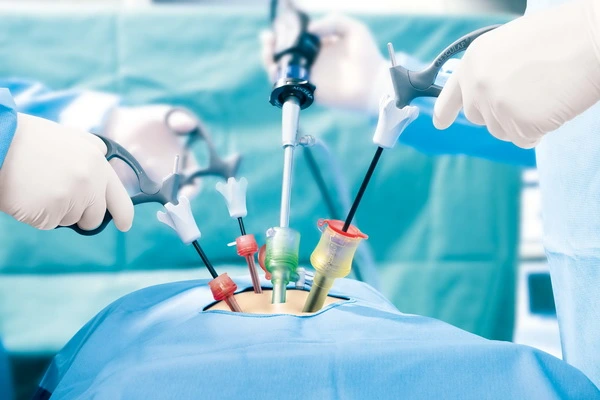
Are you ready to take the first step towards healing and comfort? At Jain Surgical Hospital, we understand the pain and challenges of conditions like anal fissures, and we’re here to help. Our highly experienced team offers a range of specialized treatments, including laparoscopic surgery, urology surgery, gynecology and more.
Don’t let discomfort hold you back. Contact us today to schedule a consultation and start your journey to better health. Jain Surgical Hospital—the leading Laparoscopy hospital in Kota, where expert care meets compassionate treatment.